무선 기술의 발달로 IIoT 디바이스 채택이 증가하는 추세다. 셀룰러 기술은 신호만 있다면 어디서나 작동하며, 여러 지역의 다양한 공급자와 운영자의 상호 운용성을 보장하는 포괄적인 표준화를 기반으로 한다. 따라서 네트워크의 확장이 쉬우며, 칩셋, 모듈 등 IIoT 디바이스 제조사의 광범위한 생태계를 통합한다. SIM 카드가 필요하단 불편함도 eSIM 기술 확산에 해소되는 상황이다.
셀룰러, 어디서나 작동하는 IoT 디바이스 구현
SIM 카드보다 보안 높은 eSIM, IIoT 확산 역할
인피니언-타타, eSIM 기반 디바이스 제조 지원
다양한 산업계에서 자동화 도입 사례가 늘고 있다. 이에 설비의 제어와 관리를 위해 산업용 사물 인터넷을 구현하는, IIoT 디바이스 채택도 증가하는 추세다. 무선 기술의 발달은 편의성과 자율성을 높이며 이러한 추세를 더욱 가속하고 있다.
무선 기반 IIoT 애플리케이션은 유선 기반 제품보다 배치가 자유롭고 원격으로 제어 및 관리, 업데이트 가능하다. 무선 통신 방식으론 ‘와이파이(WiFi)’, ‘블루투스(Bluetooth)’, ‘지그비(ZigBee)’, ‘오픈스레드(OpenThread)’ 등이 활용 중이며, 최근에 4G LTE, 5G NR 등의 ‘셀룰러(Cellular)’ 역시 채택되고 있다.
셀룰러 기술을 구현하기 위해서는 디바이스마다 ‘가입자 식별 모듈(Subscriber Identification Module; SIM) 카드’를 삽입해야 한다. 국내에선 휴대폰 신규 가입 및 번호 이동 때마다 발급받는 ‘USIM(Universal SIM) 칩’으로 익숙하다.
SIM 카드는 디바이스와 별개의 외부 칩으로, 디바이스 내부의 별도 공간이 필요하고, 일일이 넣어야 한다는 불편함이 있다. GSMA는 2010년, 디바이스에 내장하는 ‘eSIM(embedded SIM) 기술’을 고안하고 2016년에 첫 표준을 발표했다. eSIM 기술은 특성상 소비자 가전은 물론, 산업용 설비에서의 활용성도 높다.

▲ 인피니언 코리아 김영욱 부장 [사진=이수민 기자]
인피니언 코리아 커넥티드 보안 솔루션 사업부의 김영욱 부장에게 IIoT 분야에서 eSIM의 장점과 가능성, 그리고 해당 시장에서의 인피니언의 전략에 관해 물었다.
Q. 와이파이, 블루투스, 지그비, 오픈 스레드 등 다양한 무선 통신 방식이 상용화된 상태인데, 타 방식과 차별화된 셀룰러만의 장점은 무엇입니까?
A. 셀룰러는 소비자 모바일 디바이스 분야에서 20년 이상 사용 중인, 전 세계에 광범위하게 적용되는 검증된 기술입니다. 다른 무선 통신 기술은 정의된 범위가 존재하나 셀룰러는 신호와 함께 어디서나 작동한다는 장점이 있습니다.
셀룰러는 여러 지역에서 다양한 공급자와 운영자 간의 상호 운용성을 보장하는 포괄적인 표준화를 기반으로 합니다. 따라서 네트워크를 쉽게 확장할 수 있으며, 칩셋, 모듈 등 디바이스 제조업체들의 광범위한 생태계를 통합합니다.
Q. eSIM 기술은 SIM 카드 대비 어떤 장점을 갖고 있습니까?
A. eSIM 기술은 SIM 카드를 디바이스에 연결된 GSMA 글로벌 사양으로 대체했습니다. 가장 큰 이점은 설치된 디바이스에서 물리적인 제거가 불가능해 보안성이 높다는 것입니다. 그 외에도 △하나의 SKU(Stock Keeping Unit)를 전 세계에서 사용 가능하며, △MNO 프로파일, 즉 ICCID(Integrated Circuit Card Identifier)를 여러 개 보유할 수 있습니다. 또한, △상호 운용성이 높고, △소형 모듈과 거친 환경에 적합하며, △디바이스의 작동 온도 범위를 넓혀 긴 수명을 제공합니다.
Q. eSIM 기술이 SIM 카드를 완전히 대체할 것으로 보시는지?
A. 인피니언은 장기적으로 SIM 카드가 eSIM 기술로 대체될 것으로 봅니다. 초기에는 이동통신망사업자(MNO) 다수가 도입을 망설였지만, 이제는 다양한 스마트 디바이스가 eSIM을 지원하고 있습니다. 또한, 고객들의 eSIM에 대한 이해도가 높아져 다양한 분야에서의 채택이 더욱 빠르게 진행되고 있습니다.
eSIM 기술로 가능한 기능들은, 대기업들이 디바이스 풀을 관리하는 동시에 데이터 풀을 계약할 수 있도록 지원합니다. 확장성도 뛰어납니다. eSIM은 기존 SIM 카드에 비해 작은 폼 팩터로 제공됩니다. 설계자는 소비자 영역뿐만 아니라, IIoT 분야의 모든 센서에 대한 설계 간소화와 소형화를 구현할 수 있습니다. 또한, MNO 선택 유연성과 간소화된 관리로 전 세계적인 디바이스 배포를 지원합니다.
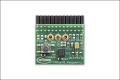
Q. 인피니언 ‘옵티가 커넥트(OPTIGA™ Connect) IoT 솔루션’은 eSIM 기술 기반의 IoT 디바이스를 개발하려는 제조사에 어떤 편의를 제공합니까?
A. 해당 솔루션은 기계 간 통신에 셀룰러를 사용하는, 사전 통합된 부트스트랩 프로필을 가진 턴키 솔루션입니다. 디바이스 제조사는 여러 MNO 관련 인터페이스들을 처리할 필요 없이 단일 인터페이스만 처리하면 됩니다. 이를 통해 셀룰러로 구현된 IoT 디바이스를 쉽고 광범위하게 배포하고 관리할 수 있습니다.
IoT 디바이스 제조사는 다양한 시장에 각각의 특정 버전을 제공할 필요 없이 전 세계적으로 사용할 수 있는 디바이스를 제공할 수 있습니다. 규모의 경제 구현이 가능해 디바이스 관리 단순화와 비용 절감, 출시 기한 단축이 가능합니다.
Q. Arm이 신규 아키텍처를 발표하면서 보안 강화책을 강조할 만큼 IoT 보안이 화두로 떠오르고 있습니다. 옵티가 커넥트 IoT의 보안 수준은?
A. 옵티가 커넥트 IoT 솔루션은 인피니언이 캐시와 보안 성능을 강화한 ‘Arm® SecurCore® SC300’ 기반의 32bit 아키텍처를 기반으로 합니다. 업계에서 일반적으로 요구하는 보안 표준을 넘어서도록 설계된, CC(Common Criteria) EAL5+ 인증 eSIM 하드웨어로서 변조 방지 기능을 지원해 물리적 공격에 대한 보안 성능이 높습니다. 따라서 장기간 사용될 현장 디바이스에 적합합니다.
Q. 옵티가 커넥트 IoT 개발에 있어서 타타 커뮤니케이션즈의 역할은?
A. 옵티가 eSIM 기능의 핵심은 애플리케이션 라이프사이클 전체에 걸쳐 커넥티비티 프로파일을 스와프하는 기능입니다. 이 기능은 ‘타타 커뮤니케이션즈 무브(Tata Communications MOVE™)’ 플랫폼에서 완전히 관리되고 서비스되며, 인피니언과 타타 커뮤니케이션즈의 파트너십을 통해 완전한 eSIM 경험을 제공합니다.
또한, 타타 커뮤니케이션즈는 타타 커뮤니케이션즈 무브 플랫폼을 통해 연결 부분을 제공합니다. 세계 최초의 글로벌-로컬 모바일 네트워크인 타타 커뮤니케이션즈 무브는 200개 이상의 국가 및 지역에서 640개 이상의 MNO 액세스를 제공하여, MNO 구애 없는 글로벌한 네트워크 독립형 셀룰러 연결을 지원합니다.
모든 데이터 트래픽은 최상의 서비스 품질을 보장하기 위해 가장 가까운 PoP (Point-of-Presence)에 의해 처리되며, 주요 클라우드 제공업체와의 사전 통합된 상호 연결을 통해 사설 네트워크를 통한 안전한 모바일 연결이 가능합니다.
타타 커뮤니케이션즈 무브 플랫폼의 가장 중요한 이점은 단순하고 구현하기 쉽다는 것입니다. 현재 인피니언과 타타 커뮤니케이션즈는 아시아, EMEA, 미주 지역에서 △자산 추적 시스템이 결합한 스마트 모빌리티, △e미터를 통한 스마트 에너지, 스마트 페이먼트 등의 프로젝트에서 파일럿 작업을 진행하고 있습니다.