고성능과 저전력은 상충하는 특성이나, 점점 더 많은 애플리케이션에서 중요한 가치가 되고 있다. 특히 배터리로 작동하는 모바일 디바이스에서 더욱 그렇다. 시중에는 다양한 저전력, 초저전력 부품들이 나와있다. 아나로그디바이스의 토마스 브랜드 FAE는 ‘연산 증폭기에서 전력 성능의 절충 관계’라는 글을 통해 저전력 연산 증폭기가 고성능 저전력 모바일 기기를 어떻게 구현하는지에 대해 설명했다.
성능 요구 높아지는 모바일 디바이스, 한정된
배터리 수명에서 고성능 구현하려면 절충 필요
저전력 연산 증폭기, ‘전력-성능’ 최적화 이바지
고성능과 저전력은 상충하는 특성이나, 점점 더 많은 애플리케이션에서 중요한 가치가 되고 있다. 특히 배터리로 작동하는 모바일 디바이스에서 더욱 그렇다.
이러한 애플리케이션은 모바일 생체 지표 모니터링부터 산업 현장에서 기계 장비와 시스템을 모니터링하는 것에 이르기까지 다양한 형태를 보인다. 성능 향상과 배터리 시간 극대화 요구는 스마트폰, 웨어러블 같은 소비자 제품도 그렇다.
모바일 디바이스에서 사용 가능한 배터리들은 에너지가 제한적이므로 사용 시간을 극대화하려면 동작 시 전류 소모를 최소화하는 효율적인 부품들이 필요하다. 또한, 더 용량이 낮은 배터리를 사용해도 배터리 사용 시간을 같게 유지할 수 있도록 전력 소모를 줄여서, 디바이스의 크기, 무게, 비용을 낮출 수도 있다.
온도 관리 역시 중요한 고려 사항이다. 이 문제도 효율적인 부품을 사용하는 것이 긍정적인 역할을 할 수 있다. 냉각 장치는 공간을 차지하는데, 더 효율적인 부품을 사용함으로써 발열을 줄이고, 냉각 장치의 크기를 줄일 수 있다.
시중에는 다양한 저전력 및 초저전력(ULP) 부품들이 출시되어 있다. 아나로그디바이스(ADI) 중부 유럽 지부의 토마스 브랜드(Thomas Brand) FAE는 ‘연산 증폭기에서 전력 성능의 절충 관계(Power Performance Trade-Offs in Operational Amplifiers)’라는 글을 통해 저전력 연산 증폭기에 대해 살펴봤다.
◇ 전력 소모와 성능의 절충 관계
적합한 연산 증폭기를 선택하기 위해서는 연산 증폭기 전력 소모와 관련한 절충 요인들을 고려해야 한다. 통상적으로 전력 소모가 낮을수록 대역폭도 낮다. 하지만 이것은 특정한 증폭기 아키텍처와 안정성 요구에 따라서 달라질 수 있다.
대체로 기생 커패시턴스와 인덕턴스가 높을수록 대역폭은 낮아진다. 예를 들어 트랜스임피던스 증폭기(전류 피드백 증폭기)는 비교적 대역폭은 높으나 정밀도가 떨어진다. 하지만 몇 가지 방법을 사용해서 대역폭-대-전력비를 높일 수 있다.
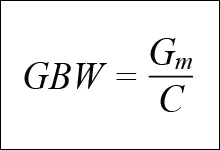
이득 대역폭(GBW)은 위처럼 계산할 수 있다. 이 공식에서 G
m은 트랜스컨덕턴스(출력 전류와 입력 전압의 비(I
OUT/V
IN))이고, C는 내부 보상 커패시턴스다.
대역폭을 높이는 고전적인 방법은 바이어스 전류를 높이는 것이다. 그런데 이렇게 하면 Gm을 높이는 대신에 전력 소모가 증가한다. 보통은 보상 커패시턴스가 주극점(dominant pole)을 정하기 때문에, 이상적이라면 부하 커패시턴스는 대역폭에 전혀 영향을 미치지 않을 것이다. 증폭기의 물리적 특성에 의해 제한되지만, 낮은 커패시턴스는 일반적으로 더 높은 대역폭을 제공한다. 낮은 커패시턴스는 안정성을 해칠 수 있지만, 낮은 잡음 이득에서는 대개 안정성이 향상된다.
그런데도 실제로 더 낮은 잡음 이득에서 큰 용량성 부하를 구동하기는 어렵다. 저전력 연산 증폭기를 사용할 때 또 다른 절충 요인은 고전압 잡음이다. 통상적으로 입력 레퍼런스 전압 잡음이 증폭기의 총 출력 광대역 잡음에서 가장 큰 비중을 차지하지만, 저항 잡음도 상당할 수 있다. 총 잡음에 있어서는 입력단의 잡음 요인들이 큰 비중을 차지한다. 컬렉터의 샷 잡음과 드레인의 열 잡음이 예다.
1/f 잡음(플리커 잡음)은 아키텍처에 따라 좌우되며, 무엇보다도 부품 소재에 따른 특수한 결함들로 인해 발생한다. 그러므로 부품 크기에 따라 상당한 비중을 차지할 수 있다. 전류 잡음은 전력 수준이 낮을수록 낮아지지만, 바이폴라 증폭기 같은 경우에는 이 잡음 역시도 무시 못 할 수 있다. 1/f 구간에서는 1/f 전류 잡음이 증폭기 출력의 총 1/f 잡음에서 상당한 비중을 차지할 수 있다.
또 다른 절충 요인으로 왜곡 성능, 드리프트 값을 들 수 있다. 저전력 연산 증폭기는 더 높은 총 고조파 왜곡(THD)을 나타내나, 전류 잡음처럼 바이폴라 증폭기에서는 전원 전류가 낮아지면 입력 바이어스와 오프셋 전류가 감소한다.
연산 증폭기의 또 다른 특징은 오프셋 전압이다. 오프셋 전압은 입력 측 부품의 사용에 영향을 받으며, 저전력에서 성능을 크게 떨어트리지 않는다. 따라서 VOS와 VOS 드리프트는 전력 값에 대해 일정하다. 외부 회로와 피드백 저항(R
F)도 연산 증폭기 성능에 영향을 미친다. 저항 값이 크면 동적 전력과 고조파 왜곡을 낮추지만, 출력 잡음을 높이고 바이어스 전류 관련 영향을 높인다.
전력 소모를 더욱 낮출 수 있도록, 많은 디바이스가 대기 모드나 슬립 모드를 제공한다. 이 모드들을 사용하면, 디바이스 기능을 사용하지 않을 때는 비활성화했다가 필요할 때 다시 활성화할 수 있다. 다만 저전력 증폭기는 통상적으로 이 기동 시간이 더 길어진다. 지금까지 열거한 절충 요인들을 요약하면 다음과 같다.
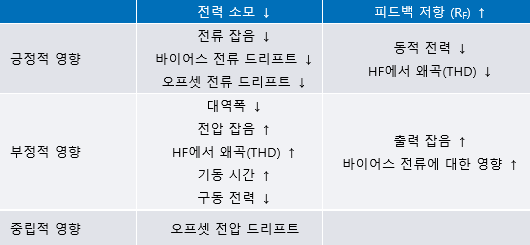
▲ 저전력 연산 증폭기의 절충 요인들 [표=ADI]
브랜드 FAE는 이 특성들이 조화를 이룬 제품으로 ‘
ADA4945-1’ 바이폴라 차동 증폭기를 제안한다. DC 오프셋과 DC 오프셋 드리프트가 낮고, 동적 특성이 뛰어나 고분해능 데이터 수집 및 신호 처리 애플리케이션에서 ADC 드라이버로 사용하기 적합하다. 아래는 ADA4945-1을 사용한
AD4022 ADC 구동을 보여준다.
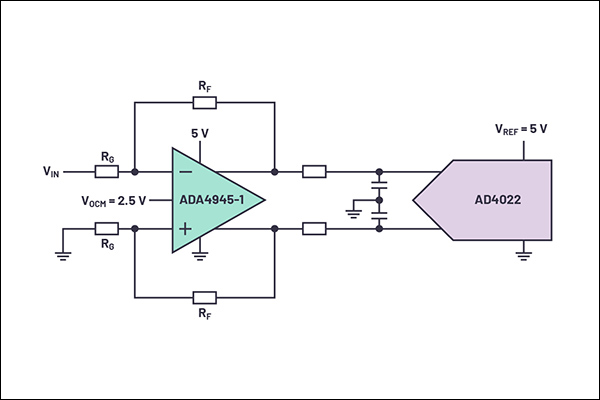
▲ 고분해능 데이터 수집 시스템의 신호 체인 [그림=ADI]
ADA4945-1 제품의 다양한 전력 모드를 사용하면 필요에 따라서 성능과 전력을 적절히 최적화할 수 있다. 예를 들어서 최대 전력 모드는 ‘
AD4020’과 잘 맞으며, 저전력 모드는 ‘
AD4021’이나 ‘AD4022’의 낮은 샘플 레이트와 잘 맞는다.