마이크로칩7월
Physical AI HBM Smart Factory SDV AIoT Power Semicon 특수 가스 정정·반론보도 모음 e4ds plus

Brominated Flame Retardant Regulations, "HBCD 2 Types Must Be Approved for Use by June Next Year"

Google 우선 소스 기사입력2022.09.05 16:33


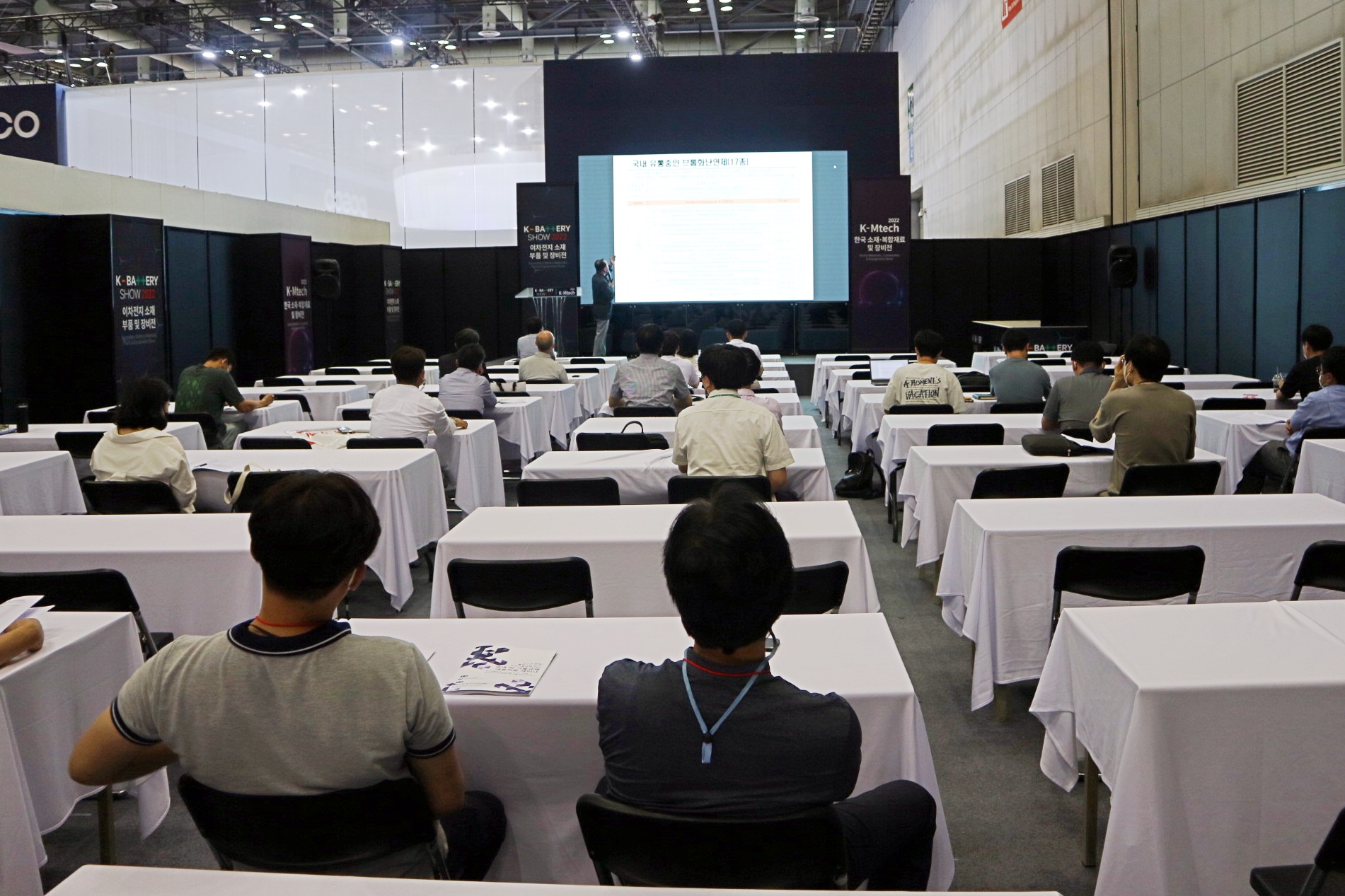
▲The ‘Domestic and International Technology Regulation Response Support Seminar’ hosted by the Korea Fine Chemical Industry Promotion Association is in progress.

Deca-BDE may be banned, HBCD and TBBPA should be handled with caution
R&D is essential for next-generation structural development, nanocomposite flame retardancy technology, etc.

As concerns about environmental pollution and human hazards increase, regulations on persistent organic pollutants are being strengthened both domestically and internationally. In particular, brominated flame retardants, which are widely used in electronic products, PCB boards, and automobiles, are subject to various usage restrictions and regulations, so care must be taken when handling them.

Brominated flame retardants are widely used in a wide range of industries, including plastics, electrical, electronic circuit components, televisions, and building materials. They are compounds added to flammable substances or materials to prevent and delay ignition.

In Korea, traditional flame retardants in low-molecular form are imported as raw materials and converted into polymer products for export. According to the Ministry of Environment's detailed survey (2016), out of the total usage of 36,621 tons, the electrical and electronic/automotive general-purpose sector accounted for 15,021 tons, or 41%.

As device and automobile shipments increase, the use of brominated flame retardants is also increasing. As concerns arise about human hazards and environmental pollution caused by electronic waste, interest in responding to related regulations and developing next-generation materials is growing.

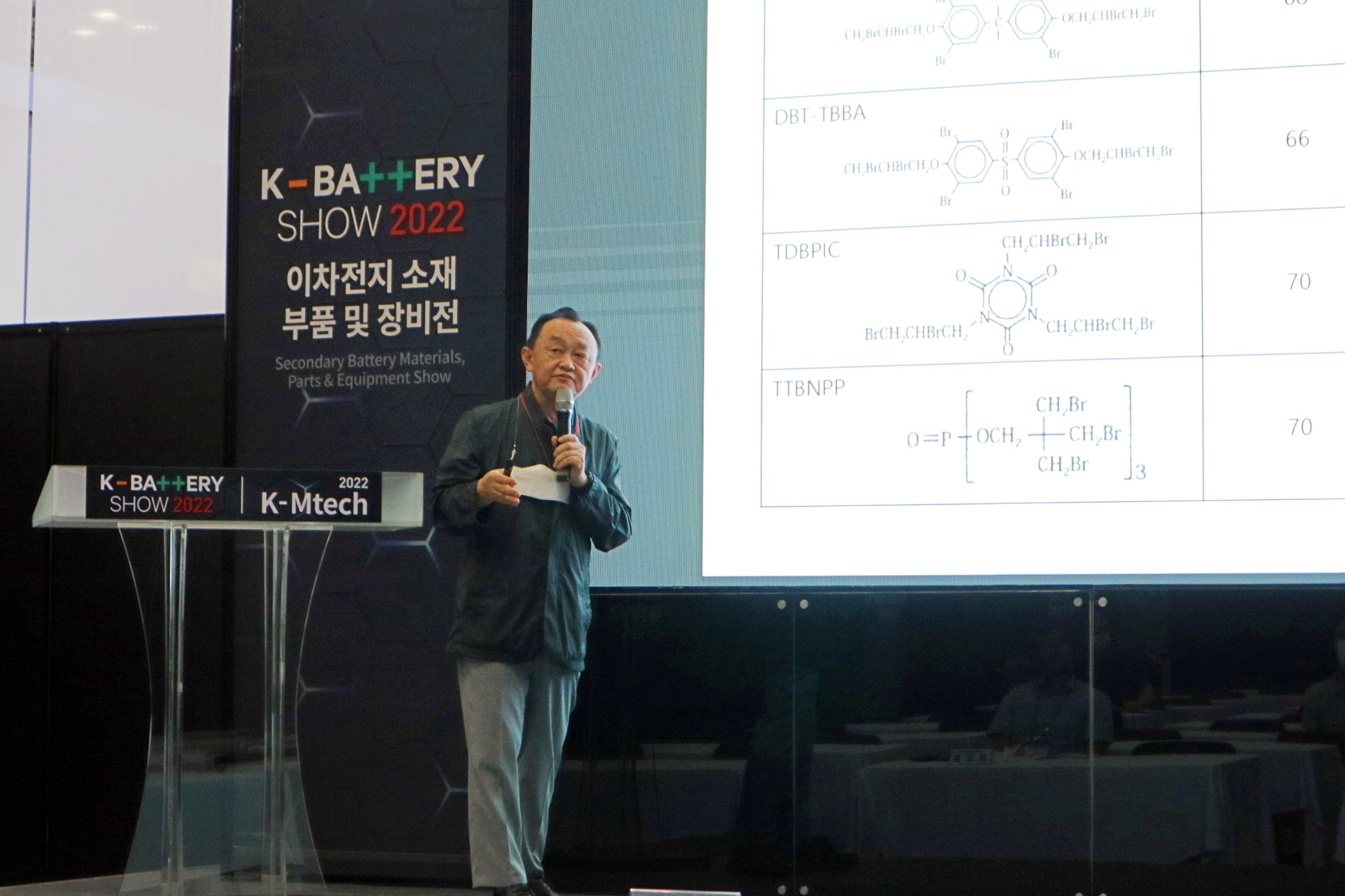
▲Dr. Kim Do-hoon

Dr. Kim Do-hoon presented the latest regulatory trends for brominated flame retardants at the 'Domestic and International Technology Regulation Response Support Seminar' hosted by the Korea Fine Chemical Industry Promotion Association on the 2nd. The seminar introduced trade technology barriers in the bio, chemical, and plastics fields and discussed related trends and response methods.

Dr. Kim emphasized that “Deca-BDE, the only PBDE in circulation, has prohibition and restriction regulations in U.S. states and is classified as a priority management substance in Korea, but it is likely to be banned soon,” and that items designated as priority management substances are also likely to be classified as toxic substances in the future. 1,811 tons of Deca-BDE are distributed domestically, and more than half of them are used as automotive materials. About 5% is known to be used in electronic devices.

In addition, he cautioned, “HBCD, which is mainly used in building materials, was designated as a toxic substance last year, so a toxic substance use permit must be obtained by June 2023.” TBBPA, which exceeds 20,000 tons in domestic use, is mainly used as synthetic raw materials and automobile and electrical/electronic materials. Brominated flame retardants, which are designated as toxic substances and substances subject to priority management, must be limited to less than 0.1% in the product content when exported, and when imported, they are distributed in their original form, so a toxic substance business license must be obtained.

Dr. Kim explained, “The actual usage of polymer-based brominated flame retardants is increasing and they are the most widely used raw materials in TVs and PCBs,” and “The reason they are evolving from monomer to oligomer is because they have high environmental stability.” This can be interpreted as development and use being carried out in the direction of stabilizing materials because the flame retardant and insolubility characteristics are strengthened in the oligomer form.

In terms of global trends and regulatory directions, Dr. Kim predicted that brominated flame retardant materials will move toward the development and use of products with excellent environmental stability and materials that maintain stability and eliminate toxicity in the form of oligomers. Dr. Kim expected that the development of next-generation structures that can further enhance flame retardant effects in molecular structures and research on nanocomposite flame retardant technology through flame retardant microparticles will be supported.

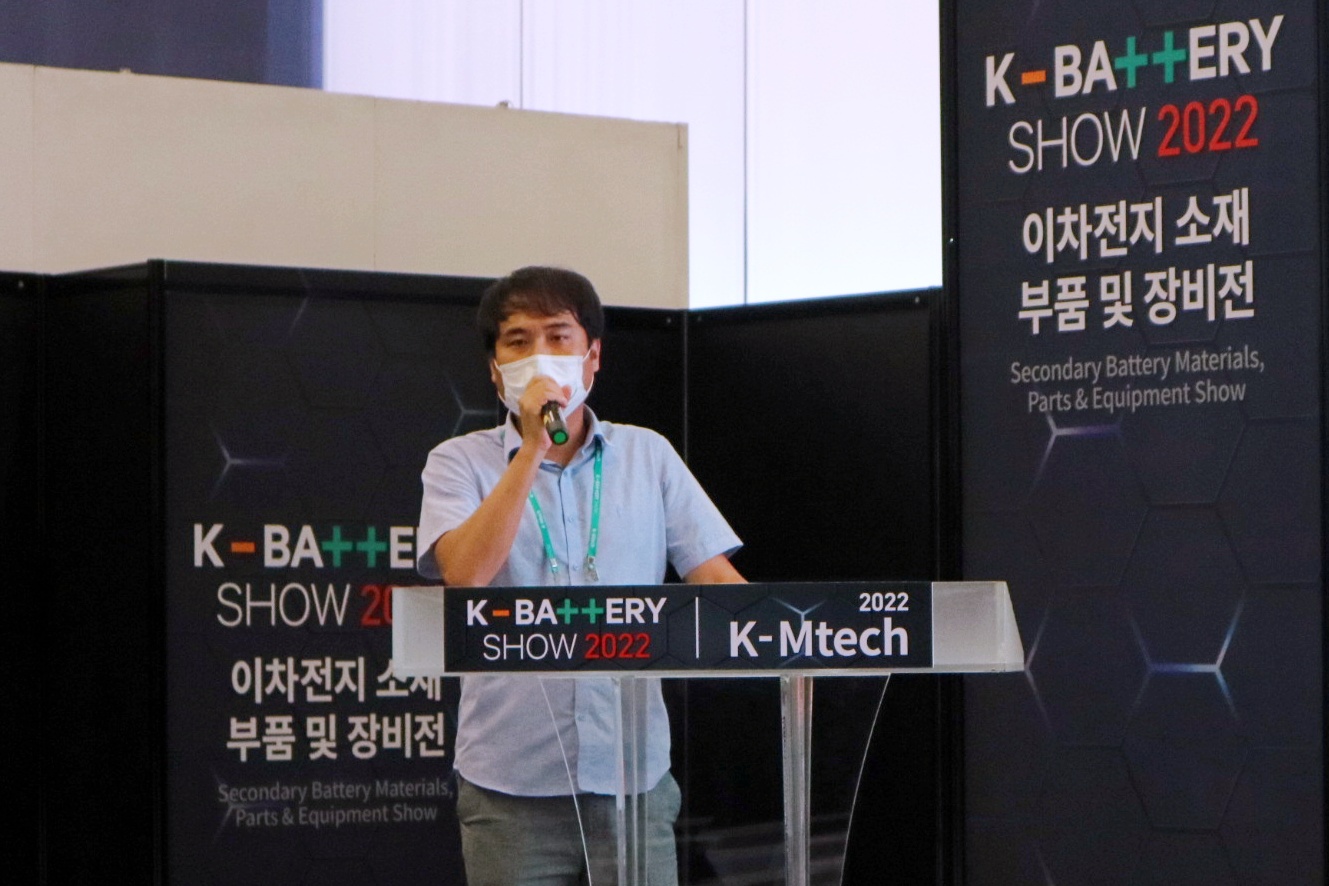
▲Jeong Jong-hoon, Director of the Korea Fine Chemical Industry Promotion Association

Jeong Jong-hoon, director of the Korea Fine Chemical Industry Promotion Association, said, “Technical barriers to trade are increasing every year,” and “In terms of trends in overseas technical regulations, energy and environmental technical regulations originating in Europe are increasing.” “In the future, China will likely expand its environmental regulations and digital technology regulations, and global issues will emerge,” said Vice Minister Jeong.

Meanwhile, the Korea Fine Chemical Industry Promotion Association is working to promote related industries by covering various categories such as △chemicals △cosmetics △rubber △tires △plastics △textiles △waste recycling. In particular, it continuously updates the latest trends in technical barriers to trade (TBT) for export companies and provides information and support for corporate difficulties.