최근 에너지 소비 문제가 부각되며 임베디드 플래시(eFlash) 메모리를 통한 전력 및 비용 효율적인 솔루션이 각광받고 있다.
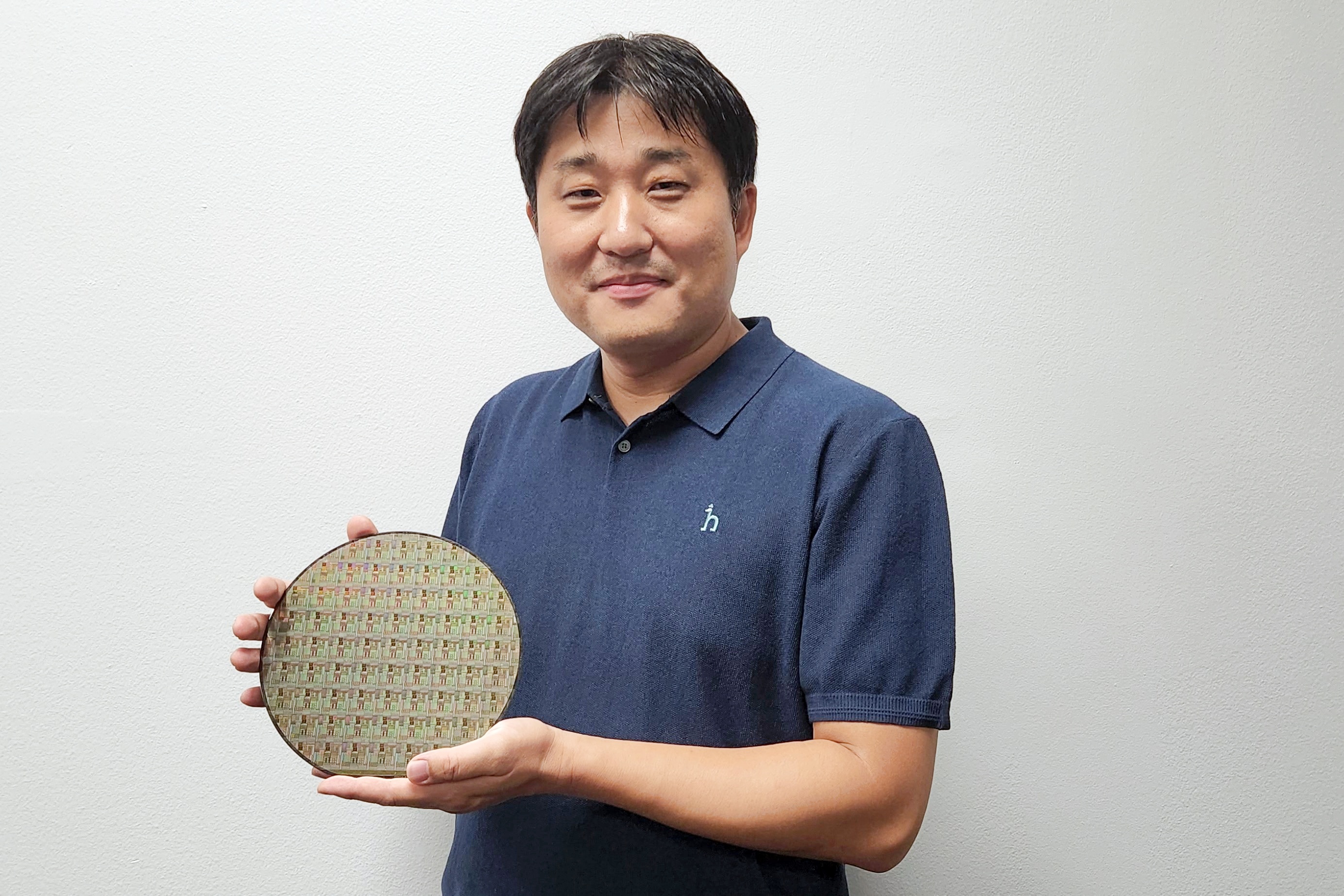
▲송승환 아나플래시 대표 겸 세미브레인 대표
배터리 구동 애플리케이션에 비용·에너지 효율 솔루션 제공
최근 에너지 소비 문제가 부각되며 임베디드 플래시(eFlash) 메모리를 통한 전력 및 비용 효율적인 솔루션이 각광받고 있다.
실리콘 밸리에 기반을 둔 에지 컴퓨팅용 스마트 마이크로컨트롤러(MCU) 개발업체인 아나플래시(ANAFLASH)가 미네소타 대학교로부터 싱글 폴리 기반 임베디드 플래시 메모리 기술에 대한 독점 라이선스를 획득했다고 지난 9일 발표했다.
비용 및 에너지 효율적인 비휘발성 메모리 기술을 상용화해 △의료용 웨어러블 △무선 센서 및 자율 로봇 등 다양한 배터리 구동 애플리케이션에 라이센스를 제공할 것으로 전망된다.
에너지 절감형 디바이스는 절전 모드에서 전력을 소비하지 않고 정보를 저장하기 위해 내장된 비휘발성 메모리가 필요하다. 다른 유형의 대체 비휘발성 메모리 기술과 달리 아나플래시 eFlash 메모리 기술은 로직과 완전히 호환되며 다양한 실리콘 파운드리의 고급 로직 프로세스 기술에서 확장이 가능한 장점이 있다. 이는 반도체 소자의 비용 및 공급 문제도 완화할 수 있다는 설명이다.
아나플래시는 여러 세대의 실리콘 웨이퍼와 다양한 프로세스 기술 노드를 통해 이러한 기술을 검증했으며, 플래시 메모리 서밋(Flash Memory Summit)에서 싱글 폴리 eFlash 기반 비휘발성 신경망 가속기용 프로토타입 칩을 선보이기도 했다.
송승환 아나플래시 대표는 “표준 로직 프로세스를 넘어서는 프로세스 오버헤드가 필요하지 않아 추가 비용 없이 고급 노드에서 쉽게 구축할 수 있는 싱글 폴리 eFlash 메모리 기술에서의 기회를 얻게 돼 기쁘다”고 말했다.
버클리 스카이덱 펀드(Berkeley SkyDeck Fund)의 창립 파트너인 Chon Tang은 “버클리 스카이덱 칩 트랙은 ANAFLASH의 라이선스 기술이 다양한 애플리케이션에서 보다 효율적이고 저렴한 장치를 약속한다”며 “우리는 이 중요한 연구를 계속 활용해 진정한 차이를 만드는 방법을 보기를 기대한다”고 밝혔다.
아나플래시의 연구 파트너인 한국과학기술원(KAIST)은 “회사의 로직 호환 eFlash IP를 사용해 에너지 효율적인 엣지 AI 테스트 칩을 제작했으며, 이는 4월 23~26일 텍사스주 샌안토니오에서 열리는 2023 IEEE 맞춤형 집적 회로 컨퍼런스에서 발표될 예정”이라고 말했다.
한편, 아나플래시는 국립과학재단·국방부·NASA로부터 여러 상을 받았으며 최근 미래에셋벤처투자와 위벤처스가 주도하는 펀딩 라운드를 마감했다.
또한 미국 및 기타 국가에서 여러 특허를 보유하고 있으며, 세미브레인(SEMIBRAIN)이라는 전액 출자 자회사를 국내 설립하기도 했다. 세미브레인은 지난해 삼성 파운드리의 고급 프로세스 노드에서 임베디드 플래시 메모리 IP를 개발할 수 있는 기회를 얻었다.
단일 폴리 기반 eFlash 메모리 기술은 미네소타 대학의 크리스 김(Chris Kim) 교수가 개발했으며 IEEE에서 Low Power Design Contest 상을 수상했다. 김 교수팀은 △임베디드 비휘발성 메모리 △위조 감지 센서 △뉴로모픽 컴퓨팅 코어 등 다양한 응용을 위해 이 기술을 지속적으로 개발했으며, 10편 이상의 논문을 발표했다.