[권신혁의 혁신포커스] 팹리스 특집(3)-송승환 세미브레인 대표, “저전력은 필수 임베디드로 레이턴시·시큐리티 강화”
기사입력 2022.09.14 08:00
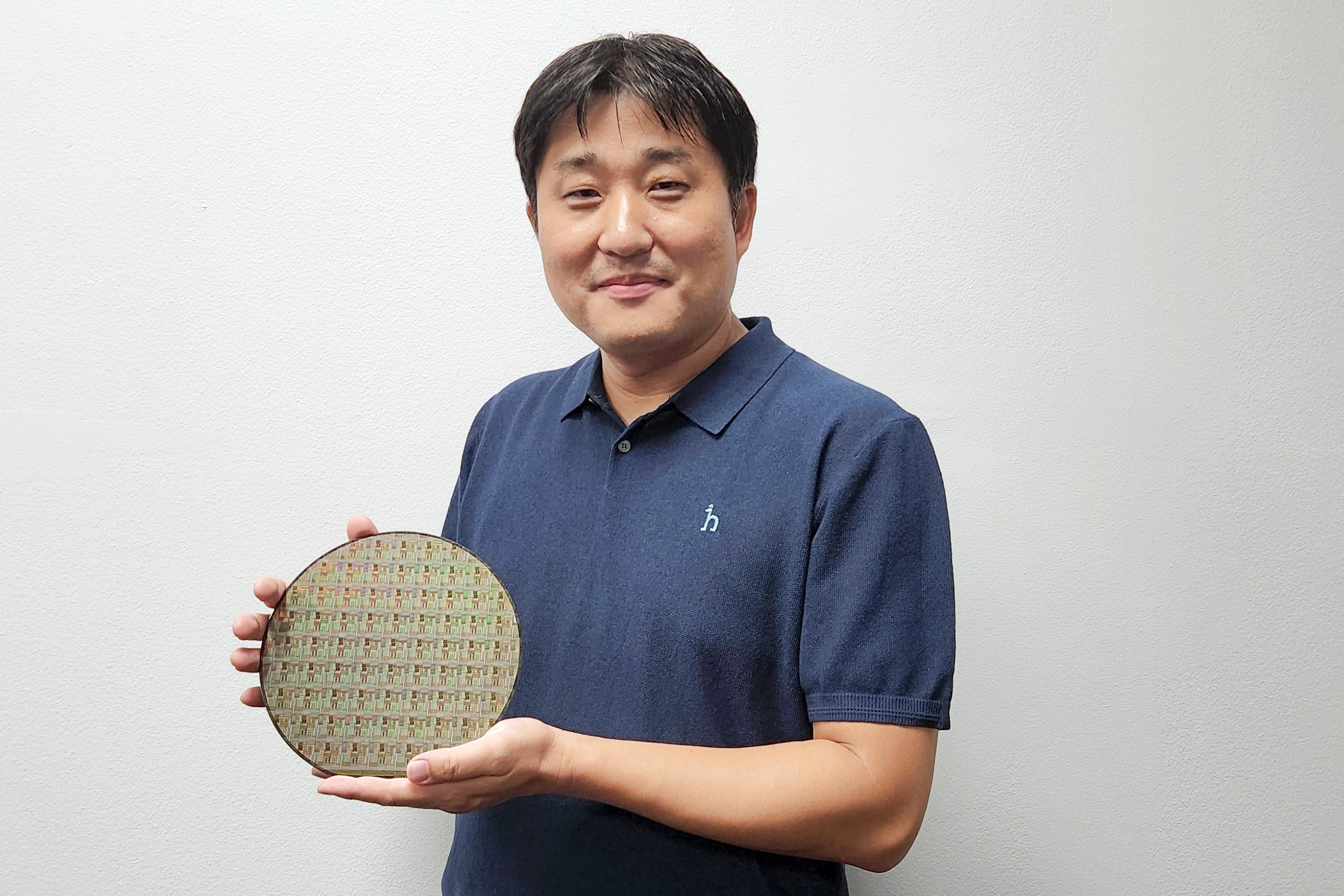
▲송승환 세미브레인 대표 (사진제공-세미브레인)
세미브레인, 저전력 비휘발성 임베디드 플래시 메모리 솔루션 주력
송승환 대표, “센서 필요 기하급수적 증가 ESG 대응 저전력이 해답”
송승환 대표, “센서 필요 기하급수적 증가 ESG 대응 저전력이 해답”
[편집자주] 국내 팹리스 기업들은 전세계 점유율 1%라는 척박한 시스템반도체 환경 속에서 글로벌 혁신기업이란 꽃으로 피어나기 위해 고군분투하고 있다. 지난 7월 중소벤처기업부에서 주관한 팹리스 챌린지 대회에서 혁신 팹리스 기업 5개사를 선정했다. 삼성전자 파운드리를 통해 신제품을 출시할 챌린지 대회 선정 팹리스 기업들을 만나 자사의 솔루션과 향후 계획 등 다양한 이야기를 들어봤다.
이번에 만난 세미브레인의 송승환 대표는 표준 로직 공정 기반 임베디드 플래시 메모리 IP를 개발하는 팹리스 기업을 운영하고 있다. 미국 법인 등 글로벌 비즈니스를 영위하는 그가 에너지 소비 문제와 저전력 칩 개발 트렌드에 부합하는 비휘발성 플래시 메모리 솔루션의 비전을 설명했다.
■ 세미브레인에 대해 소개 부탁드린다.
세미브레인은 혁신 분야 창업패키지(BIG3) 시스템 반도체 분야에서 선정된 기업으로 2020년 5월 설립됐다. 표준 로직 공정 기반의 플래시 메모리 IP를 개발하고 있다.
■ 어떤 계기로 창업에 이르게 됐나?
미네소타 대학에서 박사 과정을 하면서 로직 공정으로 플래시 메모리 개발에 기반이 되는 기술을 공부하게 됐다. 이후 박사 과정을 마치고 미국 실리콘 밸리에서 아나플래시(Anaflash)라는 회사를 2017년 설립해 NSF, 나사 등에서 펀딩을 받아 성장했으며 벤처 캐피털(VC) 버클리 스카이덱에서 투자를 받아 기술 개발에 매진했다.
그러한 가운데 한국은 반도체 강국으로서 플래시 메모리쪽에 강점이 있어 전략적으로 한국 법인인 세미브레인을 설립해 한국에서의 비즈니스를 모색하고 있다.
■ 표준 로직 공정 기반 임베디드 플래시 메모리는 어떤 기술인가?
비휘발성 메모리의 경우는 전원이 꺼져도 데이터가 지워지지 않는다. 그렇기에 인공지능 학습을 통해 만들어진 파라미터를 저장해서 필요 시에만 전원을 켜서 사용하기에 용이하다. 저전력 IT 디바이스에 두루 사용될 수 있는 잠재력을 가진 기술이라고 평가한다.
기존 비휘발성 메모리 기술들은 표준 로직 공정에서 추가되는 공정 단계가 많다. 파운드리에서 비휘발성 메모리는 공정 비용도 높아지고 제조 시간도 오래 걸리는 등 난관에 봉착해 있다.
세미브레인은 표준 로직 공정 기반 임베디드 플래시 메모리에서 빠르고 저렴한 칩 생산을 목표로 개발에 매진하고 있다.
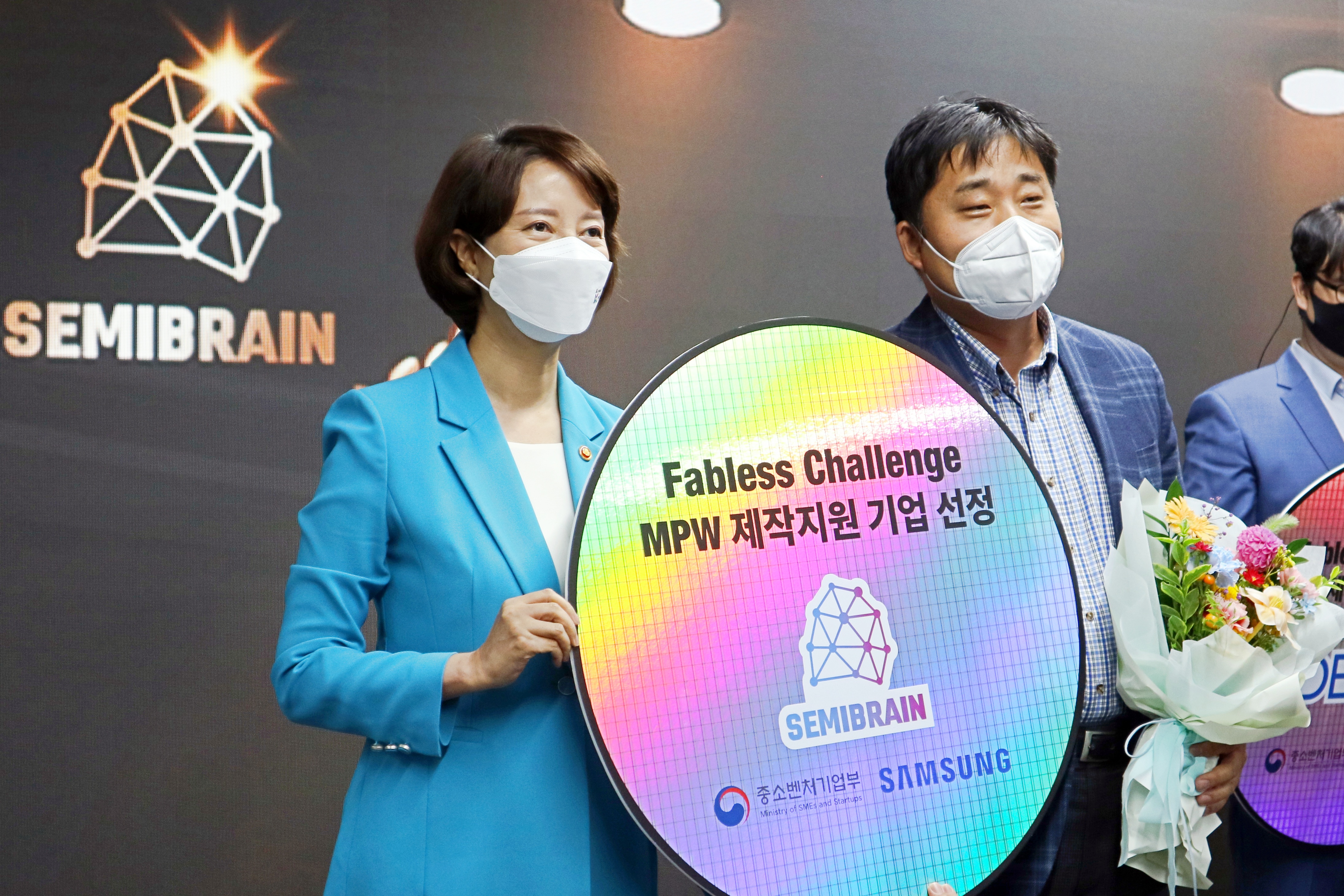
▲지난 팹리스 챌린지 대회서 선정기업으로 뽑히며 축하행사에 참여한 송승환 대표(오른쪽), 이영 중소벤처기업부 장관(왼쪽)
■ 세미브레인에서 삼성 파운드리와 함께 개발하게 될 IP에 대한 소개와 이러한 솔루션에 집중하게 된 배경은?
이전에는 TSMC나 키파운드리 등과 개발 협력을 해온 이력을 가지고 있다. 이번에는 중소벤처기업부의 팹리스 챌린지 대회에서 선정되며 처음으로 삼성 파운드리와 협력해 개발을 진행하는 기회를 얻게 됐다. 내년 6월 말 삼성 파운드리 28나노 공정에서 저전력 비휘발성 임베디드 플래시 메모리를 개발할 계획이다.
최근 에너지 소비 문제가 부각되고 있는 추세이다. 지구온난화 위기 속에서 지난 10년 간 무수한 전자제품들이 생산됐고 향후 웨어러블, 자율주행, 스마트 로봇 등 인공지능이 탑재된 무선 통신 기술이 접목되며 센서의 필요성이 기하급수적으로 증가할 것이다.
이러한 제품들에서 전력 소비가 많다면 환경 문제를 야기할 것이며 그렇기에 ‘저전력’은 필수 요소로 부상하고 있다. 비휘발성 메모리는 필요할 때 전원 공급을 해 주요 파라미터를 사용하기에 저전력 솔루션에 부합한다. 게다가 임베디드 형태는 레이턴시를 줄이고 해킹 등 보안에도 장점을 가지기에 이러한 솔루션 개발에 집중했다.
■ e4ds news 독자들에게 한 말씀 부탁드린다.
세미브레인은 최근 미국 법인 아나플래시에서 투자 유치한 20억원 등 투자금을 바탕으로 세미브레인의 사업 확장을 도모할 계획이다. 플래시 메모리 IP를 기반으로 향후 한국의 팹리스 업체와 파운드리, 디자인 하우스 경쟁력이 함께 향상될 수 있도록 적극 협력해 나가겠다.

관련뉴스
-
팹리스 특집(1)-팹리스 챌린지 5社 5色
[편집자주] 국내 팹리스 기업들은 전세계 점유율 1%라는 척박한 시스템반도체 환경 속에서 글로벌 혁신기업으로 거듭나기 위해 고군분투하고 있다. 이미 메모리 분야에서 점유율 40%이상을 기록하는 삼성전자가 파운드리 생태계에 뛰어들며 성장 기반을 마련한 상태이다. 이러한 가운데 수만 가지에 달하는 시스템반도체를 만들어낼 수 있는 잠재력을 가진 국내 팹리스 기업들이 자신만의 반도체 IP를 바탕으로 혁신을 꿈꾸고 있다.
2022-08-02 오후 2:51:31by 권신혁 기자
-
.jpg)
시스템반도체 상생포럼, ‘글로벌 진출 투자 전략 공유’
국내 반도체 생태계 육성에 대한 움직임이 활발해지는 가운데 인플레이션과 금리 인상 등 투자환경이 위축되며 기업경영에 난항이 예고되고 있다. 이에 팹리스를 중심으로 한 시스템반도체 분야에서 투자·지원 전략과 노하우를 공유하는 자리가 마련됐다.
2022-08-26 오후 6:00:03by 권신혁 기자
-
팹리스 특집(2)-이강윤 스카이칩스 대표, “先기획·後개발, 고객 니즈 고려 必”
[편집자주] 국내 팹리스 기업들은 전세계 점유율 1%라는 척박한 시스템반도체 환경 속에서 글로벌 혁신기업이란 꽃으로 피어나기 위해 고군분투하고 있다. 지난 7월 중소벤처기업부에서 주관한 팹리스 챌린지 대회에서 혁신 팹리스 기업 5개사를 선정했다. 삼성전자 파운드리를 통해 신제품을 출시할 챌린지 대회 선정 팹리스 기업들을 만나 자사의 솔루션과 향후 계획 등 다양한 이야기를 들어봤다.
2022-09-06 오후 3:06:00by 권신혁 기자


많이 본 뉴스

[열린보도원칙] 당 매체는 독자와 취재원 등 뉴스이용자의 권리 보장을 위해 반론이나 정정보도, 추후보도를 요청할 수 있는 창구를 열어두고 있음을 알려드립니다.
고충처리인 장은성 070-4699-5321 , news@e4ds.com