자동차 USB 충전기 레퍼런스는 EMI 표준 지원하고 차동 EMI 필터 포함 해야
USB(Universal Serial Bus)는 컴퓨터와 기기 간의 손쉬운 연결과 통신, 전원 교환을 위해 케이블, 커넥터 및 통신 프로토콜을 정의하는 산업 표준이다. 처음에는 전자 기기를 손쉽게 충전하고자 했던 소비자들로 인해 차량에서 USB를 사용하였지만, 최근의 USB 애플리케이션들은 자동차 주변의 데이터 전송을 처리하는데 사용된다. USB 포트 커넥터에는 A, B, C 세 가지 타입이 있다. 포트 커넥터 유형은 시스템 포트가 다운스트림인지 또는 USB 케이블이 데이터를 전달하는지 여부에 따라 달라진다. 그림1의 타입 A는 허브 간에만 사용된다.
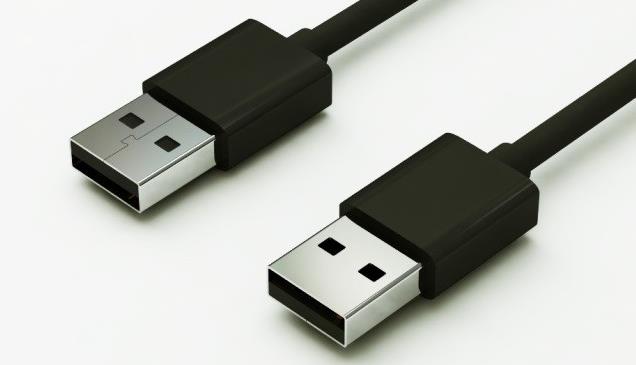
그림1: USB 타입 A 커넥터
TI는 오늘날의 최신 자동차에 일반적인 21W 듀얼 자동차 USB 충전기 솔루션(그림 2)을 개발했다. 이 솔루션은 더블 배터리, 역 극성 배터리, 로드 덤프 조건(국제표준화기구[ISO] 7630 Pulse 1, 2a, 3a/b 준수)과 같은 문제에 필요한 모든 프론트엔드 보호는 물론 딥 콜드 크랭크 조건에 대한 지원을 포함한다. 21W 듀얼 자동차 USB 설계는 각 USB 포트에 대해 2 x 2.1A를 지원하며, 2개의 태블릿 또는 스마트폰을 충전할 수 있다.
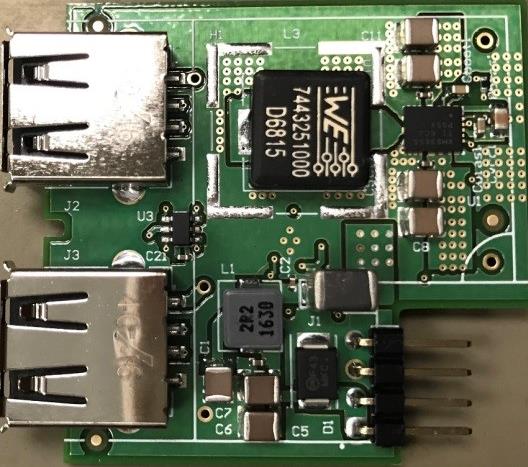
그림2: 21w 듀얼 포트 USB 충전 솔루션
완전한 프론트엔드 보호 기능을 통합한 CISPR 25 클래스 5 등급의 자동차 USB 충전기 레퍼런스 디자인은 CISPR 25 클래스 5와 같은 엄격한 자동차 전자기 간섭(EMI) 표준을 지원하고 차동 EMI 필터를 포함하고 있어 전도성 EMI 억제를 지원한다. 설계에서 발생되는 시스템 레벨에서의 모든 잡음은 다른 전자 자동차 시스템에 영향을 줄 수 있으므로 이러한 지원은 특히 중요하다. 예를 들어 필터링이 미흡하면 오디오 시스템에 윙윙거리는 잡음이 발생할 수 있다.
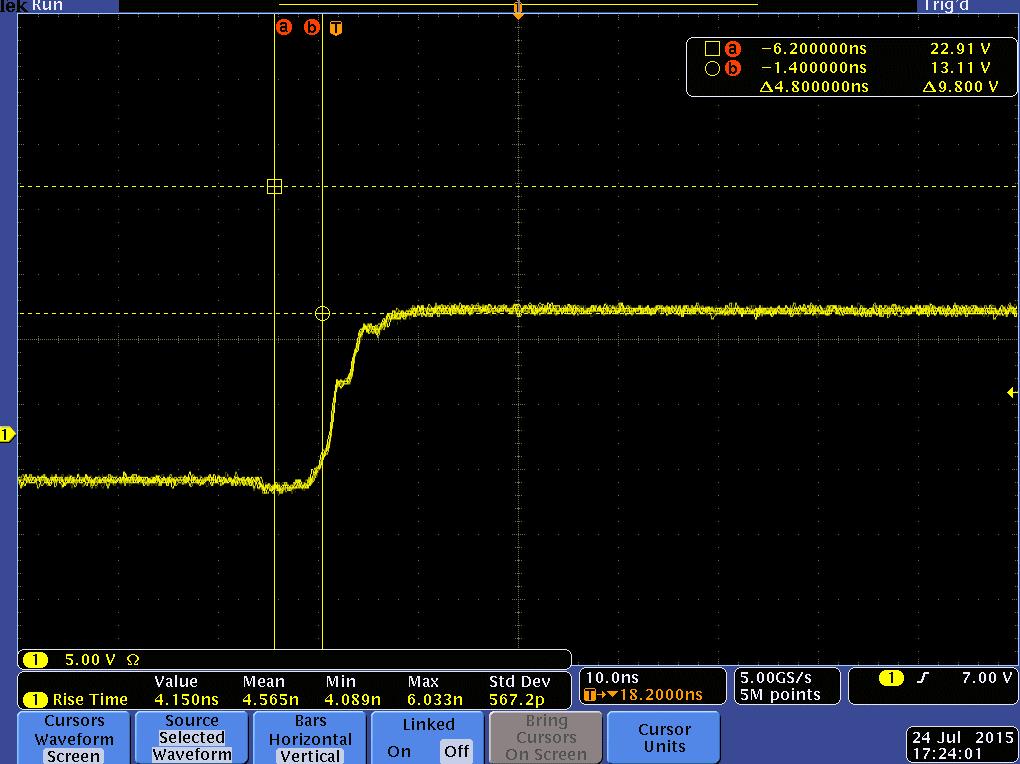
그림3: 스위치 노드 LMS3655-Q1, 링잉이 발생하지 않은 것을 볼 수 있음
TI는 LMS3655-Q1이 매우 낮은 EMI 스위칭 잡음을 지원하도록 설계했다. 이는 레귤레이터의 스위치 슬루율 제어, PCB 레이아웃과 부품 배치 최적화, 확산 스펙트럼과 같은 지터링 기법의 사용, 그리고 패키지의 기생 커패시터와 인덕턴스를 감소시켜 달성됐다. 기본적인 EMI 생성을 제어하고 스위치 노드 링잉을 제한함으로써 광대역 잡음 발생을 제한한다.
설계는 잡음 발생을 제어함으로써 시스템 레벨에서 보다 쉽게 EMI를 처리할 수 있다. 문제 자체가 발생하지 않기 때문에 이후에 PCB 레이아웃에서나 다른 부품을 추가하여 문제를 해결할 필요가 없다.
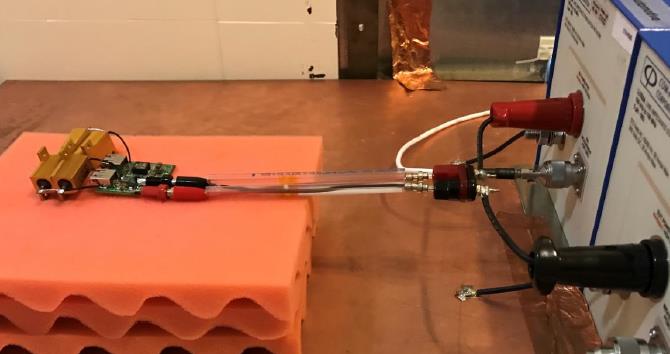
그림4: 차폐없이 PCB에서 구성된 EMI
결과를 검증하기 위해 우리는 CISPR 25 표준에 명시된 문서화된 조건에 따라 EMI 챔버에서 설계를 테스트했다(그림 4 참조). 이 설계는 다른 설계에서 볼 수 있는 스위치 노드에서 에지 커넥터로 잡음이 누설되는 근본적인 문제 중 하나를 해결한다. 설계에서 스위치 노드의 EMI를 제한하므로 억제를 위해 금속 차폐를 추가할 필요는 없다. 이와 같은 부품을 사용하지 않아도 되므로 설계는 더 비용 효과적일 뿐 아니라 더 작고 얇으며, 낮은 온도로 동작할 수 있다.
설계를 더 낮은 온도로 작동시키면 절전 효과와 함께 고온과 관련된 추가적인 잡음을 제한할 수 있다. 발열은 모든 시스템의 동작 수명을 제한하는데, 자동차 시스템은 평균적인 소비자용 전자기기보다 더 오랜 기간 견딜 수 있어야 한다.
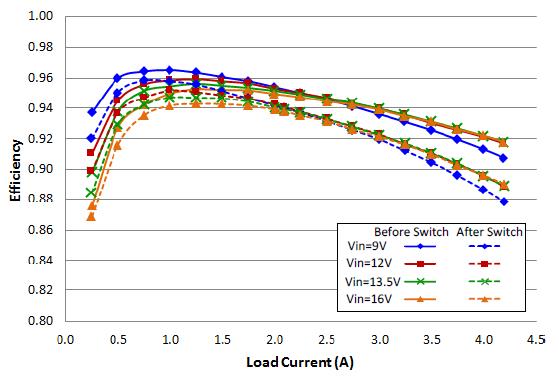
그림5: LMS3655-Q1의 효율 곡선
LMS3655-Q1은 AM 이하 대역에서 동작해 효율을 극대화한다. 뿐만 아니라, 최고 수준의 통합, 열 성능 및 EMC에서 동작하도록 내부 FET(field-effect transistor) 선택, 데드 타임 감소 및 기생 저항을 최소화하는 다른 기법들을 결합하여 이를 집적 회로(IC) 수준에서 설계했다.
USB 설계는 점점 더 작아지고 한정된 공간에 더 많은 기능을 통합하고 있다. 이에 따라 개별 부품의 열 확산을 위한 PCB 구리는 더 작아지고, USB 설계를 포함하는 데 사용되는 플라스틱 소재 자체적인 발열이 추가되었다. LMS3655-Q1은 높은 효율을 제공하여 설계 내부의 자체 발열을 최소화하며, 까다로운 열 제한이 존재하는 곳에서 보다 높은 온도에서 동작할 수 있다. 높은 수준의 통합은 크기를 최소화하고 잡음과 솔루션 비용을 최소화한다. 제품은 이러한 과제를 극복하여 경쟁력 있는 솔루션을 개발할 수 있게 도와준다.


.JPG)

.png)