지금보다 전기차 충전을 두 배 더 빠르게 하거나, 모터 드라이브가 지금의 절반의 공간에서 더 높은 효율을 달성하거나, 또는 주머니에 랩톱 컴퓨터 어댑터를 갖고 다니는 상상을 해 보자. 전자 장치의 미래는 전력 관리 기술을 어떻게 혁신하느냐에 달려 있다.
또는 이렇게 생각해 보자. 간단한 인터넷 검색을 한 번 할 때마다 약 17초 동안 60W 전구를 밝힐 수 있는 전기가 소모된다. 그러면 이러한 검색을 매일 수십억 번 할 것이므로 이 에너지 소모는 수십억 킬로와트시(kWh)에 달할 것이다.
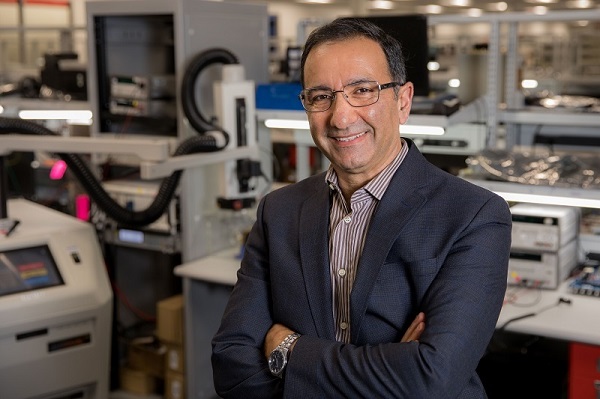 아마드 바하이(Ahmad Bahai) 기고 / 텍사스 인스트루먼트
에너지를 보다 효율적으로 관리하고 더 작은 공간에서 더 높은 전력 밀도를 달성하고자 하는 요구는 계속해서 높아지고 있다. 이러한 요구를 충족하도록 질화갈륨(GaN) 같은 신기술을 사용해 전력 관리, 생산, 공급에 관련된 여러 측면들을 크게 향상시킬 수 있다.
2030년에 이르면 에너지의 약 80%를 전력 반도체를 사용해 관리할 것으로 예상된다. 이것은 2005년의 30%와 비교했을 때 훨씬 높은 수치다. 그러므로 30억 킬로와트시 이상의 에너지를 절약할 수 있는데, 이것은 연간 약 30만 가구에서 사용하는 전기의 양과 비슷한 수준이다.
스마트폰 충전기에서부터 데이터 센터에 이르기까지, 전력망에서 바로 전력을 받아 쓰거나 수백 볼트에 이르는 고전압을 취급하는 어떤 디바이스들이나 또는 GaN 같은 혁신 기술을 사용해 전력 관리 시스템의 효율과 크기를 크게 향상시킬 수 있다. 이와 관련해 새로운 백서 ‘GaN을 사용해 에너지 효율을 한 단계 향상시키기’를 참고할 수 있다.
이상적인 스위치 찾기
모든 전력 관리 시스템의 핵심 디바이스는 스위치다. 스위치가 전원을 켜고 끄는데, 집안 벽에 설치되어 있는 전구 스위치와 같은 원리다. 다만 수백만 배 더 빠르고 작다는 것만 다르다. 효율(낮은 손실), 신뢰성, 기능 집적도, 경제성이 반도체 전력 스위치에 대해 중요하게 요구되는 특성들이다.
이상적인 스위치를 찾는 것은 여전히 계속되고 있다. 이상적인 스위치는 전류를 전도할 때 ‘온(on)’ 저항이 낮아야 하고, 전류를 차단할 때 누설 전류를 되도록 낮게 해야 하며, 오프 상태일 때 단자들 간에 상당한 전압을 차단해야 한다.
또한 스위칭 주파수가 높을수록 엔지니어는 전반적인 전력 변환 솔루션의 크기를 더 작게 할 수 있다. 무엇보다도 반도체 스위치는 신뢰할 수 있어야 하고 효율적으로 제조할 수 있어야 한다.
실리콘 전력 스위치는 지난 몇 십 년 사이에 전력 효율, 스위칭 속도, 신뢰성이 지속적으로 향상되었다. 실리콘 디바이스는 저전압(100V 이하) 또는 고전압(IGBT와 수퍼정션 디바이스)에서 효율과 스위칭 주파수를 성공적으로 충족하고 있다.
하지만 실리콘의 한계 때문에 단일 실리콘 전력 FET에서 이러한 모든 특성들을 충족하지는 못한다. GaN이나 탄화규소(SiC) 같은 와이드 밴드갭 전력 트랜지스터는 실리콘 MOSFET의 한계 범위를 넘어서까지 높은 전압 및 스위칭 주파수로 높은 전력 효율을 달성할 수 있다.
GaN이 할 수 있는 것
효율적인 고주파수 스위치는 애플리케이션에 따라 전력 모듈의 크기를 3~10배까지 줄일 수 있지만 최적화된 드라이버와 컨트롤러 토폴로지를 필요로 한다. 토템 폴 AC/DC 컨버터는 실리콘에는 현실적으로 사용하기 어려운 토폴로지이지만, GaN의 낮은 온 저항, 빠른 스위칭, 낮은 출력 커패시턴스 특성을 활용해 3배 더 높은 전력 밀도를 달성할 수 있다.
스위칭 손실을 줄이고 전반적인 효율을 향상시키는 제로 전압 스위칭 및 제로 전류 스위칭 같은 공진 아키텍처도 GaN의 뛰어난 스위칭 특성을 활용할 수 있다. 많은 애플리케이션은 수백 볼트에 이르는 비교적 높은 전압을 프로세서 같은 회로 부품들을 구동하기 위한 낮은 전압으로 변환한다.
입력-대-출력 전압 비율이 높은 스위치 모드 전력 컨버터는 효율이 떨어진다. 이러한 전력 관리 블록은 대개 다중의 전력 스테이지들로 이루어져 있다. 중간의 54/48V 버스에서 프로세서 코어 전압으로 곧바로 변환하면 시스템 비용은 낮추고 효율은 향상시킬 수 있다.
GaN의 뛰어난 스위칭 특성을 활용하면 이러한 직접 변환 아키텍처 사용에 잘 맞는다. 직접 변환 기법은 현재 데이터 센터 애플리케이션의 서버 전원 관리 용으로 연구가 진행되고 있다.
또한 자율주행차의 라이다(LIDAR)용 레이저 드라이버, 무선 충전, 5G 기지국의 고효율 전력 증폭기를 이용한 엔벨롭 트래킹(ET, Envelope Tracking) 같은 애플리케이션에도 GaN 기술의 효율과 빠른 스위칭을 활용할 수 있다.
GaN 전력 디바이스는 전도 손실을 낮추고 더 높은 스위칭 주파수를 가능하게 하므로 훨씬 더 높은 전력 밀도를 달성할 수 있다. 하지만 열 관리나 기생성분 문제가 더 쉬워지는 것은 아니다.
더 작은 공간에 더 많은 전력을 집어넣기 위해서는 열 발생이나 패키징과 관련한 새로운 과제들에 직면하게 된다. 다이 표면적이 줄어들므로 기존의 패키징 기법으로는 한계가 있을 수 있기 때문에 GaN 패키징에는 3차원 열 확산 기법이 제안되고 있다.
더 친환경적인 삶
비용 및 대량 적용 주기를 없애기 위해 새로운 전력 반도체 기술은 까다로운 애플리케이션들에서 현행 디바이스들의 단점을 극복해야 한다. GaN은 고전압 애플리케이션에서 실리콘의 한계 범위를 넘어서는 전력을 제공할 수 있다. 산업용 모터 드라이브나 전력망 연결 에너지 저장 시스템에 사용되는 인버터는 GaN 디바이스가 제공하는 더 높은 전력을 즉각적으로 활용 가능하다.
GaN은 새로운 뛰어난 특성들을 제공해 미래의 전력 관리를 위한 새로운 가치와 기회를 가져올 것이다. GaN 디바이스의 양방향 구조는 일반적인 PN 접합부 MOSFET과 다르게, 듀얼 게이트 구조를 사용해 전류 흐름을 제어한다.
모터 드라이브의 매트릭스 컨버터로 양방향 디바이스를 활용해 스위치 수를 줄일 수 있다. 또한 GaN 디바이스는 실리콘 디바이스보다 더 높은 온도에서 동작할 수 있다. 따라서 통합 모터 드라이브 같은 고온에서 작동하는 많은 애플리케이션에서 사용이 유리하다.
앞으로 GaN 같은 혁신적인 기술의 영향은 중요하다. 전력 손실이 줄어들면, 늘어나는 전력 수요를 충족하기 위해 새로 지어야 하는 발전소를 줄일 수 있다. 더 높은 전력 밀도는 크기를 그만큼 줄일 수 있다는 것을 의미한다.
그러면 전기차, 드론, 로봇처럼 배터리로 구동되는 회로를 더 긴 시간 동안 효율적으로 사용할 수 있다. 또한 수천 개의 서버로 이루어진 데이터 센터는 친구들이나 동료들과 소통할 수 있도록 더 효율적으로 가동된다. 따라서 더 친환경적인 삶을 살 수 있게 될 것이다.


.JPG)

.jpg)