양자 컴퓨터 상용화 앞당겨지나? 인텔, 양자 컴퓨팅 시스템 제어 SoC '호스 리지' 발표
기사입력 2019.12.10 09:51
호스 리지, 전자파 펄스로 큐비트 상태 조작
기존 양자 컴퓨터와 달리 1K 이하 아닌
4K에서 동작하여 시스템 냉각 부담 덜어
양자 컴퓨터를 실제로 본다면 컴퓨터라는 생각이 들지 않는다. 아직 테스트 중이기도 하거니와 그 형태가 기존에 우리가 알던 컴퓨터의 것을 하고 있지 않기 때문이다.
양자 컴퓨터는 원자의 움직임을 최대한 억제해야 한다. 원자가 움직일수록 오류율이 높아지기 때문이다. 켈빈(Kelvin; K)이 낮을수록, 즉 절대 영도에 가까워질수록 원자의 움직임이 둔해진다.
크고 복잡한 냉각기에 의존할 수밖에 없는 양자 컴퓨터는 공중에 매달린 대형 원통 냉장고의 모습을 취하는 게 보통이다.
인텔 랩은 이 문제를 해결하기 위해 10일, 풀 스택(Full Stack) 양자 컴퓨팅 시스템을 가속할 업계 최초 극저온을 이용한 제어 칩, 코드명 ‘호스 리지(Horse Ridge)’를 발표했다.
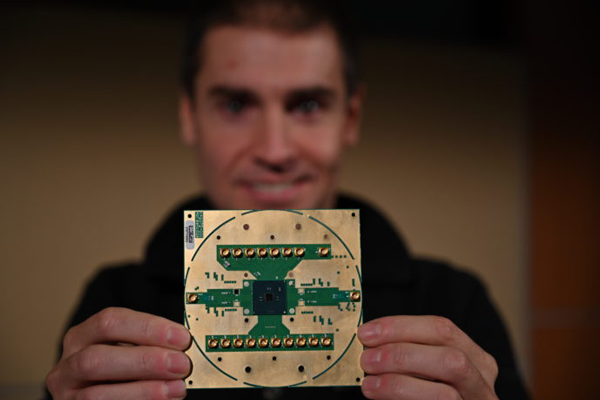
▲호스 리지를 들고 있는 인텔 랩의 스테파노 펠레라노(Stefano
Pellerano) 수석 엔지니어 (사진=인텔)
Pellerano) 수석 엔지니어 (사진=인텔)
호스 리지는 다수의 양자비트(Quantum Bit; Qubit), 즉 큐비트를 제어해 양자 컴퓨팅 시스템의 대규모 확장 가능성을 끌어냈다.
네덜란드 델프트 공과대학(TU Delft) 큐텍(QuTech)과 협력하여 개발한 호스 리지는 인텔의 22나노 공정에서 핀펫(FinFET) 기술로 제작됐다.
인텔은 이와 같은 제어 칩 자체 제조를 통해 상용 양자 컴퓨터를 설계하고 시험하며 최적화하는 내부 역량을 가속할 것으로 기대하고 있다.
양자 컴퓨터 상용화의 걸림돌, 케이블
인텔은 실리콘 스핀 큐비트(Silicon Spin Qubit)와 초전도 큐비트 시스템을 포함한 양자 하드웨어 개발 초기 단계에서 양자 컴퓨터 상용화를 가로막는 요소가 바로 상호 연결과 제어 전극이라는 사실을 밝혀냈다.
양자 컴퓨터는 큐비트가 동시에 다수의 형태로 존재할 수 있게 하는 양자 물리학을 활용해 기존의 컴퓨터가 처리할 수 없는 문제들을 해결할 수 있는 잠재력이 있다. 큐비트는 복잡한 문제를 더 빠르게 처리할 수 있도록 동시에 대규모 연산이 가능하다.
지금까지 연구원들은 양자 장치의 잠재력을 입증하기 위해 소규모 양자 시스템을 구축하는 데 주력했다. 이 과정에서 연구원들은 큐비트 성능을 조절하고 시스템을 프로그래밍하는 기존 연산 장치와 극저온 냉장고 안에 있는 양자 시스템을 연결하기 위해 기존 전자 도구와 고성능 컴퓨팅 랙스케일(Rack-scale) 기구에 의존했다.
이 장치들은 개별 큐비트를 제어하기 위해 고안된 맞춤형 장치로, 양자 프로세서를 제어하기 위해 수백 개의 케이블이 냉장고 안팎으로 연결되어야 한다. 이 제어 케이블로 인해 양자 컴퓨터는 그동안 상용화는커녕 실용성을 입증하기도 쉽지 않았다.
상용 양자 컴퓨터에는 수백만 큐비트와 그만큼의 제어 케이블이 필요하며, 양자 컴퓨터 실용성 입증에만도 수백에서 수천 큐비트가 사용된다.
호스 리지를 통해 인텔은 양자 시스템 작동에 필요한 전자 제어 장치를 단순화했다. 부피가 큰 기기를 SoC(System-on-Chip)로 교체하면 시스템 설계를 간소화할 수 있으며, 정교한 신호 처리 기법을 통해 설정 시간을 단축할 수 있다. 또한, 큐비트 성능을 높이고 보다 큰 큐비트 단위를 운용할 수 있다.
큐비트에 최대한 근접한 큐비트 제어 장치
호스 리지는 고도로 통합된 혼합신호 SoC로, 양자 냉장고 안에 큐비트 제어 장치를 투입해, 큐비트들을 최대한 근접한 위치에 놓이게 한다. 이는 냉장고 안팎 수백 개의 케이블을 양자 장치 근처에서 작동하는 단일 통합 패키지로 만들어 양자 제어 공학의 복잡성을 줄인다.
냉장고에서 작동하는 큐비트를 제어하는 무선 주파수(Radio Frequency; RF) 프로세서의 역할을 하도록 설계된 호스 리지는 기본적인 큐비트 조작에 해당하는 명령어로 프로그램되어 있다. 이에 따라 명령어를 전자파 펄스로 변환해 큐비트의 상태를 조작할 수 있다.
호스 리지는 4K에서 작동하도록 설계되었다. 4K는 절대 영도보다 조금 높은 온도다. 절대 영도에서 원자는 움직임을 멈춘다.
현재 양자 컴퓨터는 절대 영도보다 아주 조금 높은 밀리켈빈(millikelvin; mK) 범위에서 작동한다. 그러나 실리콘 스핀 큐비트는 1K 이상 온도에서 작동할 수 있어 양자 컴퓨팅 시스템의 냉각 부담을 어느 정도 덜 수 있다.
인텔은 극저온 제어 장치와 실리콘 스핀 큐비트가 같은 온도에서 작동하는 것을 목표로 하고 있다. 이를 통해 하나의 패키지로 큐비트와 제어기능을 갖춘 솔루션을 제작할 계획이다.
짐 클라크(Jim Clarke) 인텔 양자 하드웨어 총괄은 “다수의 큐비트를 동시에 제어하는 능력을 갖추는 것은 업계 전체의 도전과제였다”라고 말했다.
그러면서 “대규모 상용 양자 시스템을 개발하기 위해서는 양자 제어가 필수 요소”라며, “인텔이 양자 오류 수정과 제어에 투자하고 있는 이유”라고 밝혔다.
이수민 기자
관련뉴스
-
[양자 톺아보기] 12. 양자 컴퓨터는 컴퓨터의 미래인가?
전 세계 주요 국가 기관들과 글로벌 IT 기업들이 양자 컴퓨터 개발에 천문학적인 돈을 쏟아붓고 있다. 그러나 돈이 많이 움직인다고 그 분야의 미래가 항상 밝은 것만은 아니다. 밝을 수도 있고 어두울 수도 있다. 이스라엘 예루살렘 헤브루 대학의 수학자 질 칼라이는 대표적인 양자 컴퓨터 회의론자다. 양자 컴퓨터의 매 처리 과정마다 큐비트에 오류가 발생하고 이를 보정할 큐비트가 추가로 필요하다. 이 과정이 잘 유지되기 위해서는 노이즈가 낮아야 하는데, 칼라이는 그 노이즈 수준을 맞추는 것이 애초에 불가능하다고 본다. 그럼에도 양자 컴퓨터 연구자들은 지금도 계속 양자 컴퓨터를 연구 중이다. 아직도 양자 컴퓨터 상용화에 많은 해결과제가 남아 있다는 것은 아직 한국에도 기회가 남아있다는 것을 시사한다. 그러나 미중일에 비해 뒤처진 부분이 있음을 부인할 수 없다. 이미 벌어진 격차를 따라잡기 위해서는 선택과 집중이 필요하다.
2019-01-08 오후 5:01:48by 이수민 기자
-

KETI, 獨 IAP와 디스플레이 R&D 분야 MOU 체결
KETI가 독일 포츠담 프라운호퍼 IAP 연구소 컨퍼런스룸에서 프라운호퍼 IAP 연구소와 양자점 디스플레이 분야 기술개발을 위한 업무협력 MOU를 체결했다. IAP는 바이오폴리머, 기능성 폴리머 시스템, 합성 폴리머 기술, 생명과학·바이오 공정용 폴리머, 나노응용기술 등 7개 연구본부를 운영 중이다. 또 공정개발 및 최적화, 시험 분석 및 컨설팅 등의 기업지원 서비스를 제공, 민간 기업과 활발한 협력을 진행 중이다. KETI와 IAP는 2009년부터 디스플레이 분야 소재·소자 기술개발을 위해 공동기술개발, 연구 인력파견 등을 통해 협력을 이어오고 있다. 핵심 소재 및 소자구현 공정기술에 대한 공동연구를 통해 국내 기업의 디스플레이 산업 경쟁력 확보에도 기여하고 있다.
2019-09-10 오전 11:16:57by 이수민 기자
-

ETRI·이통3사, 양자암호 전송시스템 국제표준화 추진
양자암호통신 전송시스템은 SDN 기술을 기반으로 양자암호통신 기술과 광전송 네트워크 기술을 결합하여 해커로부터 고객의 데이터 전달을 보호하는 네트워크 보안 기술이다. 국내 통신사업자들은 그동안 양자암호통신 기술 상용화를 위해 기술력을 끌어올렸다. 하지만 여러 단위로 구성된 양자암호통신 시스템과 광전송 시스템을 결합하고 범용성을 지닌 기술로 상용화하기 위해서는 국제표준화 작업이 필요했다. 이에 ETRI는 21일 SDN/NFV 포럼과 국제표준화 회의를 개최했다. 현재 ETRI와 이통 3사는 양자암호통신 상용 서비스를 제공하기 위한 양자암호통신 전송시스템의 국내 고유표준화를 추진 중에 있으며 향후 국제 표준화와 연계할 계획이다.
2019-10-31 오전 10:53:11by 이수민 기자

.png)

관련 웨비나





많이 본 뉴스

[열린보도원칙] 당 매체는 독자와 취재원 등 뉴스이용자의 권리 보장을 위해 반론이나 정정보도, 추후보도를 요청할 수 있는 창구를 열어두고 있음을 알려드립니다.
고충처리인 장은성 070-4699-5321 , news@e4ds.com