양자컴퓨터 개발을 위한 연구가 속도를 내고 있다. 실리콘 스핀 큐비트 수율과 균일성에서 진일보한 개발 성과를 나타내며 향후 양자컴퓨터 실현 가능성을 앞당길 전망이다.
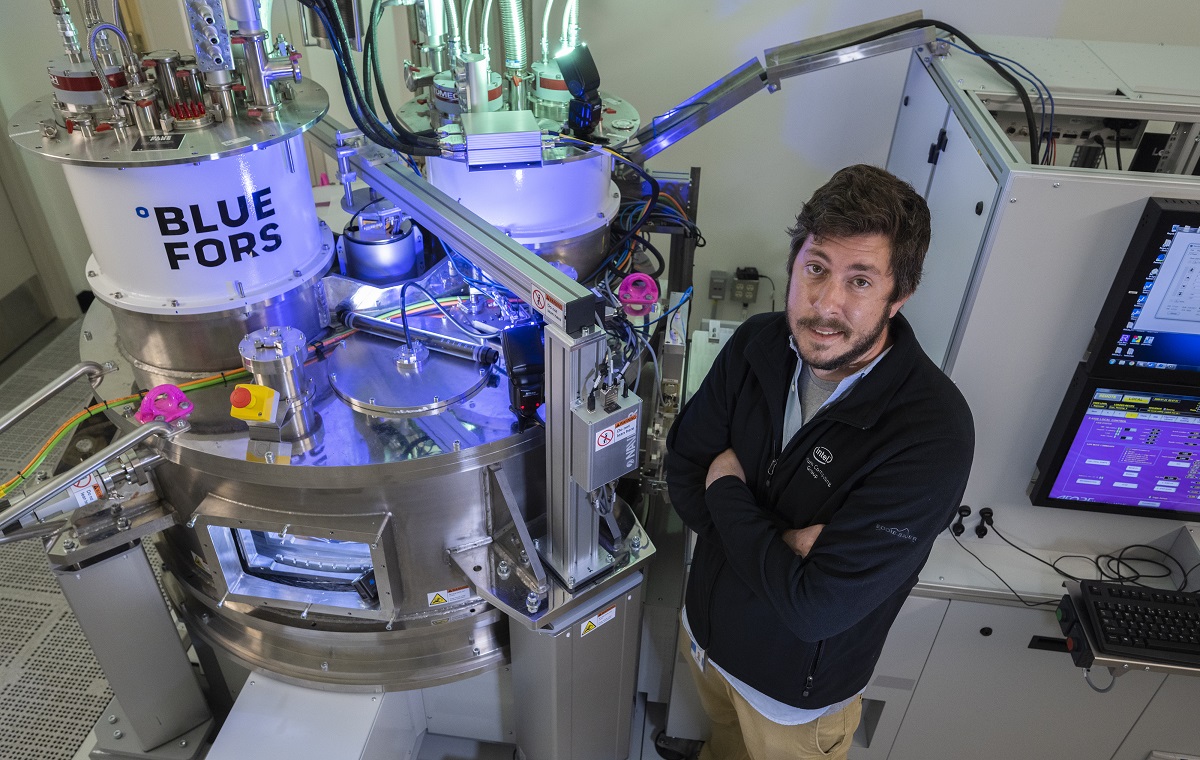
▲인텔 퀀텀 크라이오프로버(Cryoprober, 극저온 웨이퍼 프로버) (사진-인텔)
양자점 어레이 수율 확보 시연
대규모 큐비트 생산가능성 입증
양자컴퓨터 개발을 위한 연구가 속도를 내고 있다. 실리콘 스핀 큐비트 수율과 균일성에서 진일보한 개발 성과를 나타내며 향후 양자컴퓨터 실현 가능성을 앞당길 전망이다.
인텔 랩(Intel Labs) 및 부품 연구 그룹은 오리건 주 힐스보로(Hillsboro) 소재 론러 에이커스(Ronler Acres)에 위치한 인텔의 트랜지스터 연구 개발을 바탕으로 제작된 실리콘 스핀 큐비트가 업계 최고 수준의 수율 및 균일성을 제공한다는 점을 입증했다고 6일 밝혔다. 이번 발표는 실리콘 스핀 큐비트 생산 부문에서의 괄목할 만한 성과로, 인텔의 트랜지스터 제조 공정 기반 양자 칩 제조에서의 중요한 진전을 나타낸다.
이번 연구는 2세대 실리콘 스핀 테스트 칩을 활용한 것으로 전해진다. 연구진은 극저온(섭씨 1.7 켈빈 또는 영하 271.45도)에서 작동하는 양자점 테스트 장치인 인텔 크라이오프로버(Intel Cryoprober)를 사용해 기기를 테스트했으며, 12개의 양자점과 4개의 센서를 분리하는 데 성공했다. 이는 전체 300mm 실리콘 웨이퍼의 각 위치 별로 하나의 전자가 있는 업계 최대의 실리콘 전자 스핀 기기를 의미한다.
일반적인 실리콘 스핀 큐비트는 하나의 장치에 제시되는 반면, 인텔이 진행한 연구는 전체 웨이퍼에서 성공적이라는 점을 입증했다. 해당 테스트 칩은 인텔의 최첨단 극자외선(EUV) 리소그래피를 이용해 제작되었으며 웨이퍼 전반에서 95%의 수율을 기록하는 등 높은 균일성을 보여줬다고 설명했다.
강력한 소프트웨어 자동화가 가능한 크라이오프로버를 사용해 마지막 전자에 형성된 900개 이상의 단일 양자점 및 400개 이상의 이중점이 구현이 가능해졌으며, 이는 24시간 이내에 절대 영점보다 1도 높은 곳에서 구현 가능하다는 특징이 있다.
더불어, 이전 인텔 테스트 칩에 비해 저온에서 특성화된 장치의 수율 및 균일성을 높였다. 이를 통해 인텔은 통계적 공정 제어를 사용해 최적화할 제조 공정의 영역을 식별한다고 덧붙였다. 이는 학습을 가속화하며 상용 양자 컴퓨터에 필요한 수천 또는 수백만 큐비트로 확장할 수 있는 중요한 발판이 된다.
또한, 인텔은 크로스 웨이퍼 수율을 통해 단일 전자 체제에서 웨이퍼 전반에 걸친 데이터 수집을 자동화해 최대 규모의 단일 및 이중 양자점 시연을 실시했다. 이는 이전 인텔 테스트 칩에 비해 저온에서 특성화된 장치에서의 증가된 수율과 균일성을 통해 상용 양자 컴퓨터에 필요한 수천 또는 수백만 큐비트로의 잠재적인 확장을 위해 중요한 단계라고 설명했다.
제임스 클라크(James Clarke) 인텔 양자 하드웨어 부문 디렉터는 "인텔은 자체 트랜지스터 제조 기술을 활용해 실리콘 스킨 큐피트를 제조하는 방향으로 지속적인 진전을 만들어내고 있다"며 "높은 수율과 균일성을 달성한 것은 인텔의 기존 트랜지스터 공정 노드에서 양자 칩을 제조하는 것이 올바른 전략이며 상용화를 위한 기술이 발달함에 따른 강력한 성공 전략이라는 것을 입증했다"고 말했다.
한편, 연구 결과에 대한 전체 내용은 2022년 10월 5일, 캐나다 퀘벡 주 오퍼드(Orford)에서 열린 ‘2022 실리콘 양자 전자 워크샵’에서 공개됐다.
.jpg)