델 EMC가 전 세계 기업들의 데이터 보호 현황과 전략 성숙도를 조사 및 분석한 ‘글로벌 데이터 보호 인덱스 2018년 보고서를 공개했다. 보고서에 따르면, 데이터의 가치와 데이터 보안의 중요성에 대한 기업들의 인식이 전반적으로 높아졌으나 데이터를 잃을 수 있는 리스크는 오히려 증가한 것으로 나타났다. 국내 기업들의 경우, 글로벌 평균보다 더 많은 데이터를 보유하고 있으나 데이터 보안 관련 사고를 경험한 비중 또한 상대적으로 높고 이에 대한 대비가 미흡한 것으로 나타났다.
| 전 세계 기업 데이터 규모 평균, 2년 새 7배↑
| 데이터 손실로 인한 피해액, 평균 백만$에 달해
| 국내 기업들, 데이터 보호와 기술 변화에 미흡
델 EMC가 전 세계 기업들의 데이터 보호 현황과 전략 성숙도를 조사 및 분석한 ‘글로벌 데이터 보호 인덱스(Global Data Protection Index, 이하 GDPI)’ 2018년 보고서를 25일 공개했다.
보고서에 따르면, 데이터의 가치와 데이터 보안의 중요성에 대한 기업들의 인식이 전반적으로 높아졌으나 데이터를 잃을 수 있는 리스크는 오히려 증가한 것으로 나타났다. 한국 기업의 경우, 글로벌 평균보다 더 많은 데이터를 보유하고 있으나 데이터 보안 관련 사고를 경험한 비중 또한 상대적으로 높고 이에 대한 대비가 미흡한 것으로 나타났다.
2014년과 2016년에 이어 세 번째로 공개된 이번 GDPI 보고서는 델 EMC가 시장조사기관 ‘밴슨 본(Vanson Bourne)’에 의뢰해 실시한 조사 결과를 바탕으로 한다. 설문 응답자는 전 세계 18개국 11개 산업군에 종사하는 2천 2백 명으로, 임직원수 250명 이상의 공공기관 혹은 기업의 IT 책임자가 그 대상이다. 한국 기업의 IT 의사결정권자 100명도 이번 조사에 참여했다.
평균 데이터 규모 2016년 대비 약 7배 수준, 복구 불가능한 데이터 손실 경험도 2배 증가
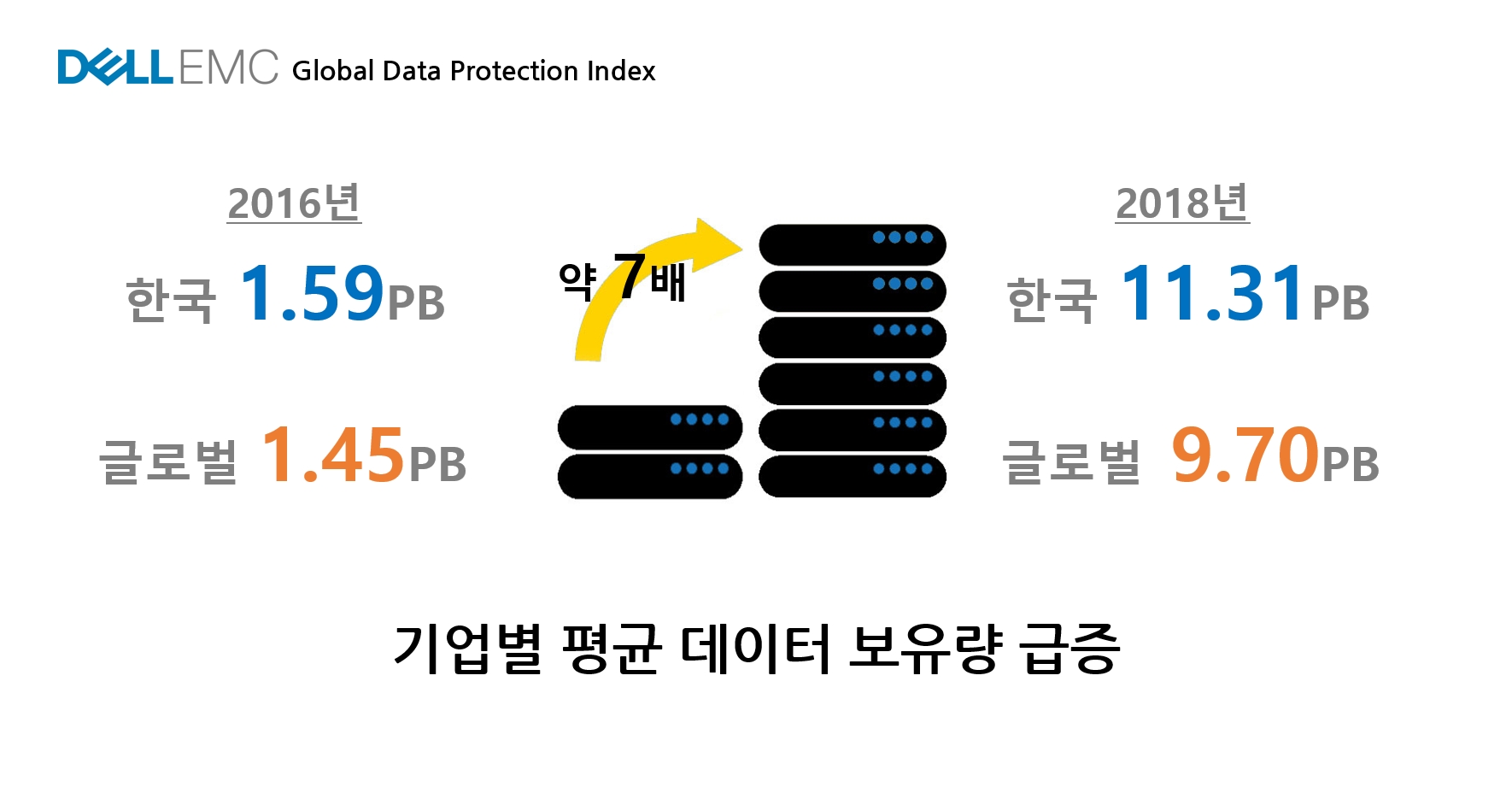
보고서는 기업들이 보유하고 있는 데이터 용량이 2016년 평균 1.45페타바이트(PB)에서 2018년에는 7배에 가까운 평균 9.7PB로 2년 사이 급증한 점에 주목했다.
기업 데이터의 폭증과 더불어 비즈니스 운영에 있어 데이터의 역할이 더욱 중요해지고, 데이터를 실질적인 수익 창출에 활용하는 ‘모네타이제이션(Monetization)’에 대한 인식도 높아졌다.
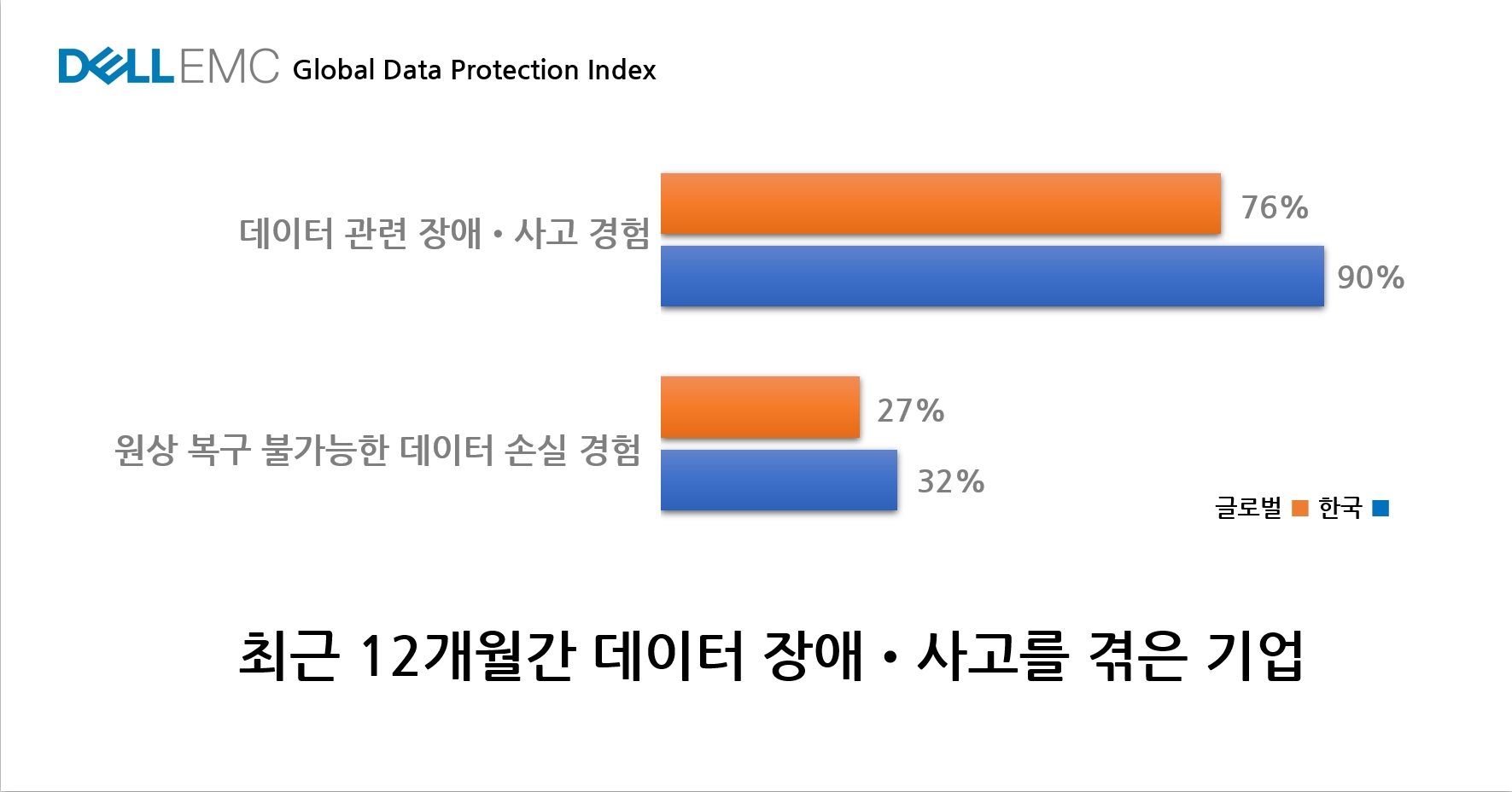
그러나 데이터 보안 문제와 관련해 기업들은 여전히 많은 문제점에 노출된 것으로 나타났다. 응답자의 76%가 지난 1년 간 데이터 관련 장애 및 사고를 겪은 바 있으며, 27%는 원상 복구가 불가능한 수준의 데이터 손실을 경험한 것으로 나타났다. 이는 2016년 14%에 비해 두 배 이상 증가한 수치다.
데이터 보호 단일 벤더 사용 기업, 복수 벤더 사용 기업보다 사고 발생률 낮아
두 군데 이상의 데이터 보호 관련 업체를 이용 중인 기업의 경우, 단일 벤더를 이용하는 기업보다 이러한 사고를 경험한 비율이 35% 더 높아 데이터 관련 위협에 상대적으로 취약한 것으로 조사됐다.
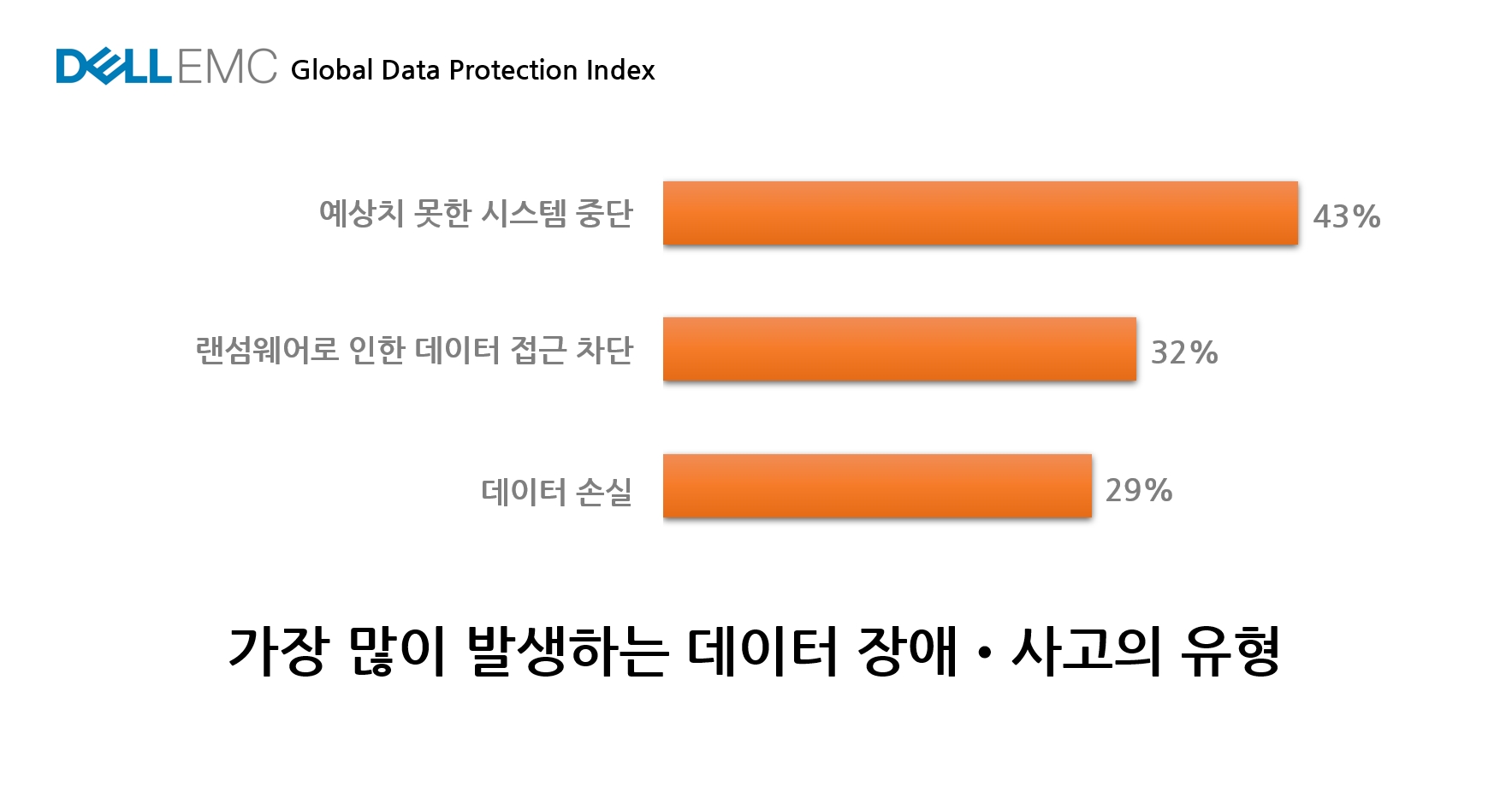
복수의 데이터 보호 벤더를 이용하는 기업이 가장 많이 겪은 데이터 관련 장애 및 사고는 ▲예상치 못한 시스템 중단(43%) ▲랜섬웨어 공격으로 인한 데이터 접근 차단(32%) ▲복구 불가능한 수준의 데이터 유실(29%) 등의 순이다. 이 중에서 데이터 유실은 기업에 막대한 금전적 피해를 끼친 것으로 나타났다.
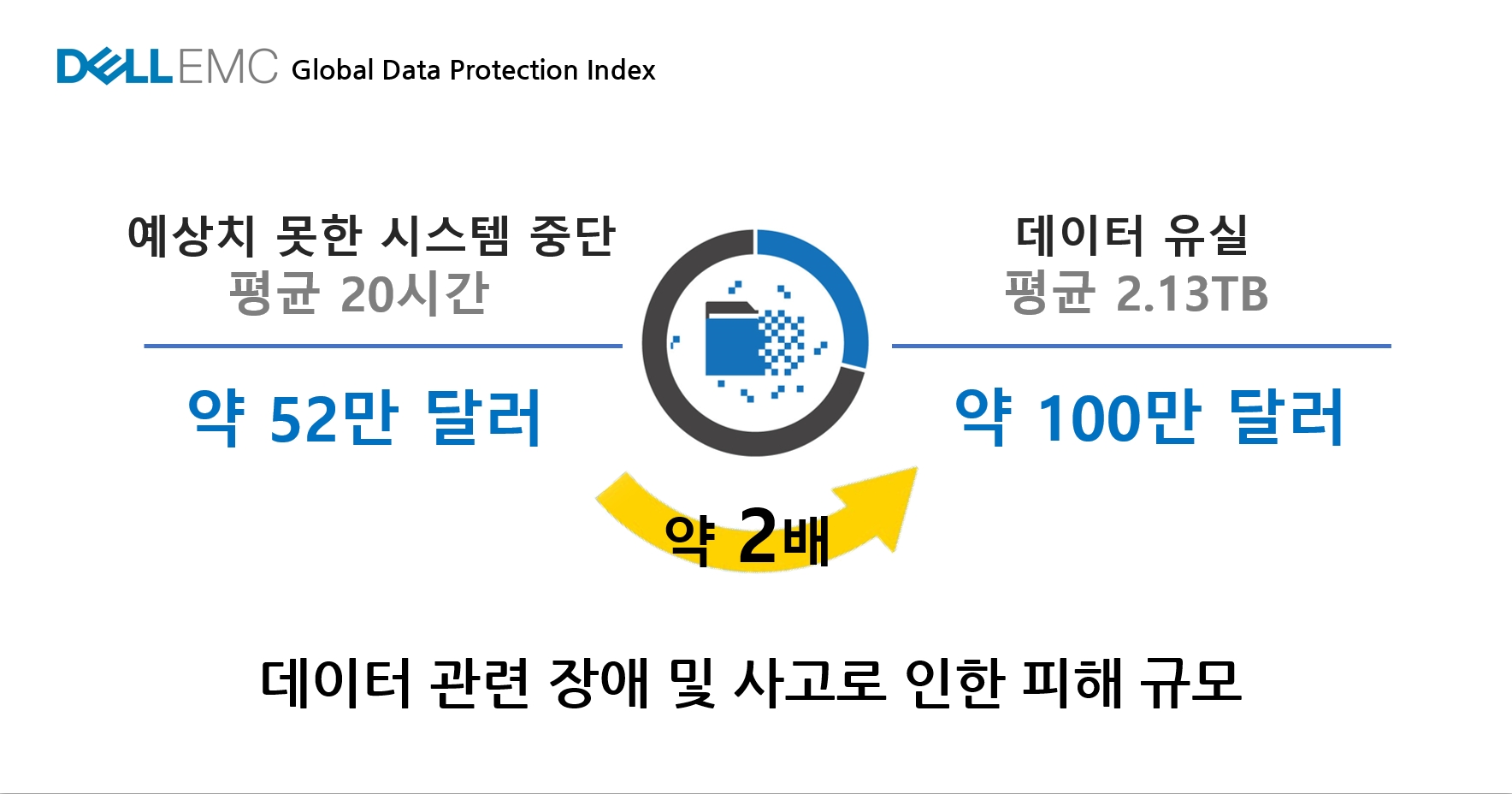
보고서에 따르면 지난 1년간 기업들은 각종 장애 및 사고로 평균 2.13테라바이트(TB)의 데이터를 유실했으며 이로 인한 피해 금액은 약 1백만 달러에 달했다. 이는 평균 20시간의 시스템 중단을 경험한 기업의 손실액인 약 52만 달러의 두 배에 가까운 금액이다.
보고서는 데이터 보호와 관련해 기업들이 직면하고 있는 난제로 ▲데이터 폭증에 따른 복잡성과 비용 증가(46%) ▲AI, 머신 러닝, 클라우드, IoT 등 신기술 관련 데이터 보호 솔루션의 부재(45%) ▲GDPR 등 정보 보호 관련 규제 및 컴플라이언스 강화(41%) 등을 꼽았다. 반면, 현재 자사가 사용 중인 데이터 보호 솔루션이 앞으로의 환경 변화에 탄력적으로 대응할 수 있을 것이라고 응답한 기업은 16%에 불과했다.
한편, 기업의 데이터를 보호하기 위한 주요 전략으로서 클라우드가 부상하고 있는 것으로 조사됐다. 본 조사에서 퍼블릭 클라우드의 도입률은 2016년 28%에서 2018년에 40%로 증가했으며, 이중 98%가 퍼블릭 클라우드를 데이터 보호에 활용하고 있다고 답했다. 활용 분야는 ▲퍼블릭 클라우드 내의 데이터를 백업(41%) ▲온프레미스의 데이터를 클라우드에 백업(41%) ▲SaaS 애플케이션을 보호(40%) ▲온프레미스에서 클라우드로 확장 가능한 데이터 보호 솔루션으로 활용(40%) 등으로 다양했다. 클라우드 환경에서 데이터 보호 솔루션 선택 시 가장 중요한 고려 요소로는 폭증하는 데이터에 대비하기 위한 ‘확장성’(64%)을 꼽았다.
국내 기업들, 평균 데이터 보유량 글로벌보다 높지만 보호 상태 취약, 기술 변화 준비도 미흡
국내 기업들의 경우, 데이터 보유량이 2016년 평균 1.59PB에서 2018년에는 평균 11.31PB로 엄청난 속도로 급증했다. 이는 글로벌 평균보다 높으나 데이터 관련 장애 및 사고에는 오히려 더 취약한 상황에 놓여있는 것으로 밝혀졌다.
지난 1년간 데이터 관련 장애 및 사고를 겪은 바 있다고 답한 한국 기업은 90%으로 글로벌 평균(76%)보다 14%p 높았다. 원상 복구가 불가능한 데이터 손실을 경험한 기업의 비율도 32%로 2016년 5%보다 6배 이상 증가해, 데이터 손실에 대한 한국 기업들의 대책 마련이 시급한 것으로 나타났다.
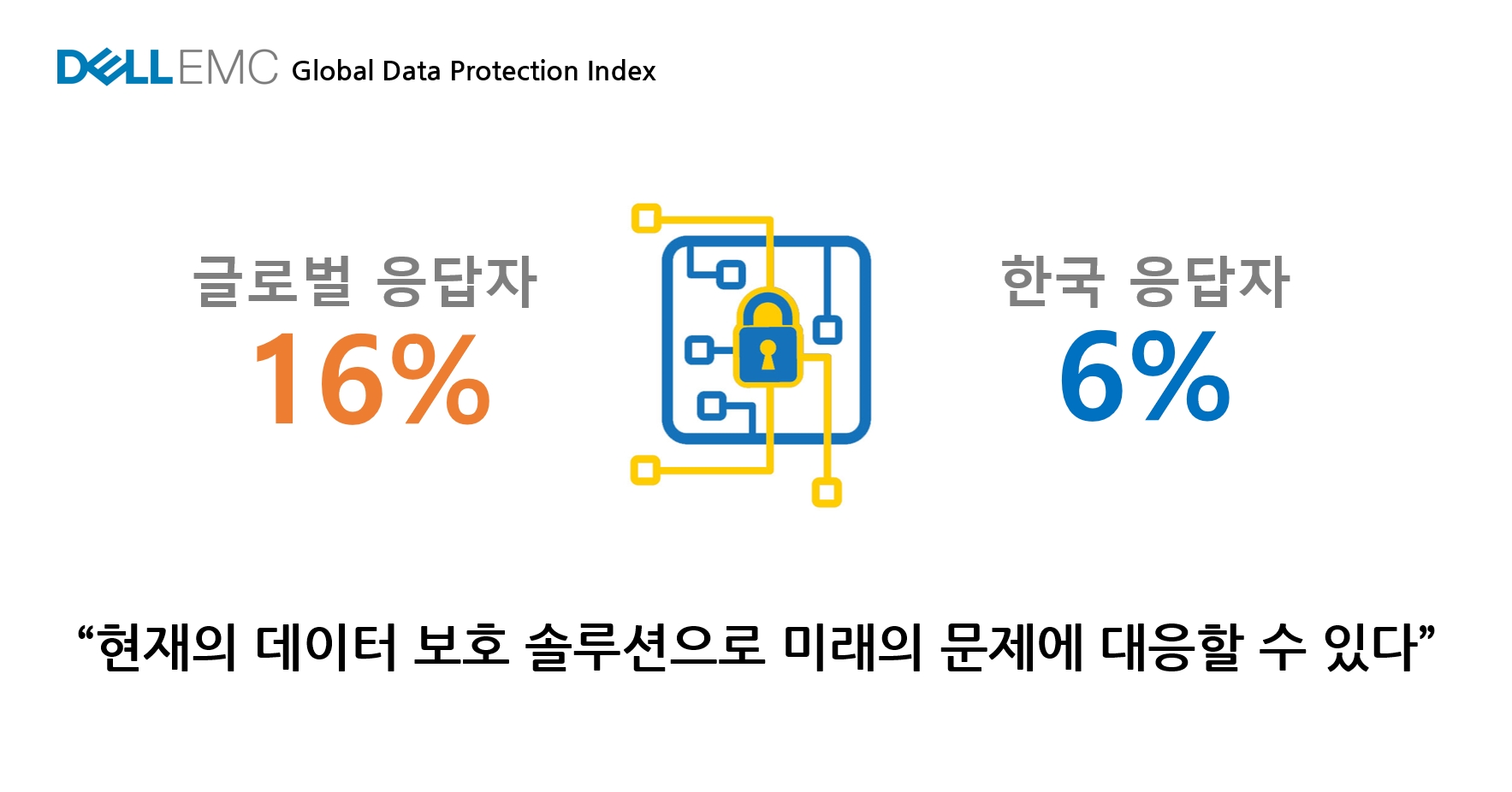
신기술이 가져올 데이터 보호 환경의 변화에 대한 자신감도 글로벌 평균보다 낮았다. 현재의 데이터 보호 솔루션이 미래의 환경 변화에 유연하게 대처할 수 있다고 확신한 한국 기업의 비중은 6%에 그쳐 글로벌 평균(16%)의 절반에도 못 미쳤다.