양자 컴퓨터는 양자의 중첩과 얽힘 등 양자역학적 현상을 이용하여 다수의 정보를 동시에 연산할 수 있도록 구현된 컴퓨터로 특정 연산에 최적화된 초고속 대용량 컴퓨팅 기술이다. 병렬 연산 처리능력을 기반으로 기존 컴퓨터 대비 비교 불가 수준으로 월등한 연산 성능을 자랑하며 이를 기반으로 기존 산업에 커다란 영향을 미칠 것으로 기대되고 있다.
인공지능, 가상현실 등의 발달로 처리할 데이터양은 늘어 가는데 집적회로의 한계는 가까워지고 있다. 그래서 트랜지스터로 만들어진 게이트 대신 양자역학의 원리를 연산법칙으로 사용하는 양자 컴퓨터가 대안으로 떠오르고 있다. 도대체 양자가 뭔지, 또 그걸로 어떻게 하여 대안이라는 걸까? 과학과 인연이 없던 기자가 양자부터 최근 화제가 되는 양자 컴퓨터까지, 배우는 마음으로 차근차근 들여다본다.
리처드 파인만은 1981년 5월, IBM과 MIT가 주관한 계산 물리학 컨퍼런스에서 이렇게 말했다.
“우리가 사는 이 세계는 고전적이지 않고 양자적이다. 따라서 이 세계를 시뮬레이션 하기 위해서는 양자역학이 필요하다.”
그 말대로다. 아이작 뉴턴이 정립한 고전역학이 원자 단위 세계를 설명하지 못하면서 양자역학이 탄생했고, 물리학자들은 양자역학을 통해 이 세계가 양자적이란 사실을 밝혀냈다. 양자 컴퓨터가 필요한 이유는 우리가 사는 이 세계가 고전적이지 않고 양자적이기 때문이다.
양자 컴퓨터의 능력
카페인이 함유된 음료를 마시면 왜 잠이 오지 않을까? 과학자들은 아직 그 이유를 밝혀내지 못했다. 카페인 분자의 분석을 못하고 있기 때문인데, 현재의 컴퓨터로 분석하려면 10
48비트가 필요하다. 반면 양자 컴퓨터는 160큐비트면 충분하다.
큐비트는 수가 늘 때마다 처리 능력이 2배로 증가한다. 큐빗의 승이 높아질수록 2배 씩 성능이 늘어난다. 50큐비트는 1큐비트의 2
50배의 성능을 낸다는 것이다.
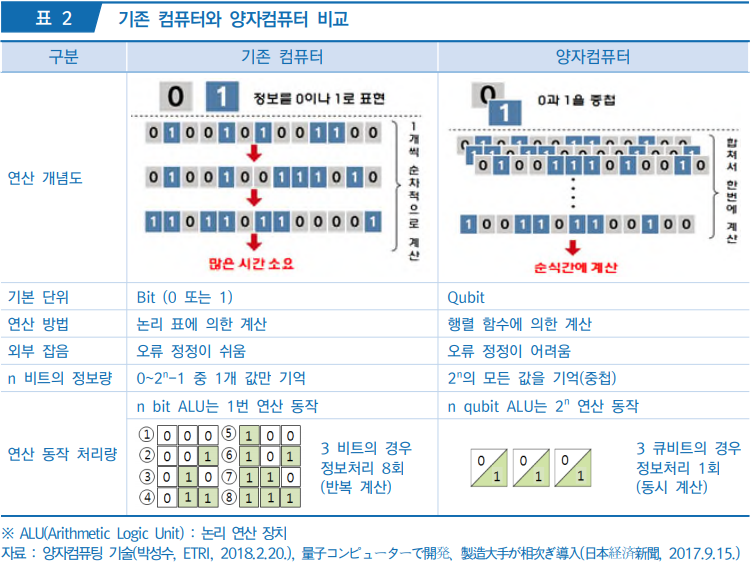
출처: ICT Spot Issue (2018-02호) 양자컴퓨터 개발 동향과 시사점, 정보통신기술진흥센터
양자 컴퓨터는 양자의 중첩(superposition)과 얽힘(entanglement) 등 양자역학적 현상을 이용하여 다수의 정보를 동시에 연산할 수 있도록 구현된 컴퓨터로 특정 연산에 최적화된 초고속 대용량 컴퓨팅 기술이다.
병렬 연산 처리능력을 기반으로 기존 컴퓨터 대비 비교 불가 수준으로 월등한 연산 성능을 자랑하며 이를 기반으로 기존 산업에 커다란 영향을 미칠 것으로 기대되고 있다.
양자 컴퓨터의 상용화는 언제
그렇다면 양자 컴퓨터는 언제 본격적으로 상용화될까?
시중에는 이미 양자 컴퓨터를 표방하는 컴퓨터가 나와 있다. 물론 그 컴퓨터, D-웨이브 2000Q의 가격은 1,500만 달러로, 한화로 166억 원에 달한다.
캐나다의 D-웨이브 시스템은 양자 컴퓨터를 최초로 만든 회사로 알려져 있다.
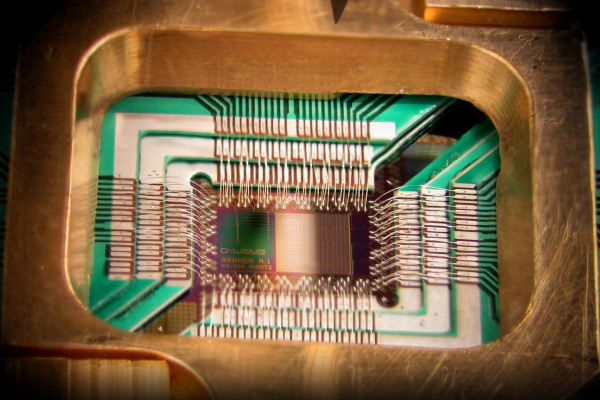
D-웨이브 1의 128큐비트 프로세서
2011년, 캐나다의 D-웨이브 시스템은 128큐비트로 만들어진 양자 컴퓨터 ‘D-웨이브 1’을 개발했다. 이듬해에 512큐비트 ‘D-웨이브 2’를 출시했으며, 2015년에는 1,152큐비트 ‘D-웨이브 2X’, 2017년에는 2,048큐비트 ‘D-웨이브 2000Q’를 출시했다.
그런데 160큐비트로 분자의 구조를 밝혀낼 수 있다면, 왜 2000큐비트가 넘는 양자 컴퓨터가 존재하는 지금까지도 커피를 마시면 잠이 오지 않는 이유를 설명할 수 없는 것일까? 그것은 D-웨이브의 컴퓨터가 일반적으로 이야기하는 양자 컴퓨터와 다르기 때문이다.
양자 어닐링을 관측하는 D-웨이브의 컴퓨터
D-웨이브는 양자 어닐링을 관측하는 방식으로 만들어진 '특수목적형 컴퓨터'로 양자 게이트를 사용하는 범용 양자 컴퓨터와는 거리가 멀다.
D-웨이브는 오직 최적화 문제만 푼다. 최적화 문제는 가장 좋은 조건을 찾는 것이다. 나쁨 정도를 ‘나쁨 지수’라 부를 때 최적화 문제는 나쁨 지수가 가장 작아지는 조건을 구하는 것이다.
면적 10km
2의 특정 장소에서 가장 낮은 지점을 찾기 위해서는 일일이 해발 고도를 측정해야한다. 그런데 가장 낮은 지점을 찾았을 때 그곳이 가장 낮은 지점이라는 것을 어떻게 증명할까? 각 지점의 해발고도를 나쁨 지수로 볼 때 이 문제는 최적화 문제가 된다.
최적화 문제는 이렇게 푼다. 먼저 빠른 속도로 여기저기 뛰어다니며 가장 낮은 위치를 찾는다. 빠른 속도는 높은 온도다. 온도는 수많은 입자들이 갖는 평균적인 운동 에너지다. 입자들이 전체적으로 빨리 움직일 때 운도가 높다. 이 운동은 무작위적이다. 모두 한 방향으로 움직이지 않는다. 무작위로 움직이면 가장 낮은 지점을 찾고도 지나갈 수 있으나 주변보다 다소 얕은 지점에 머무르지 않는다.
여기서 온도를 서서히 낮추면 얕게 파인 곳은 지나치고 많이 깊은 곳 근처에 있게 될 확률이 커진다. 이렇게 가장 낮은 지점을 찾기 위해 온도를 서서히 낮추기 때문에 이를 어닐링(annealing, 풀림)이라고 한다.
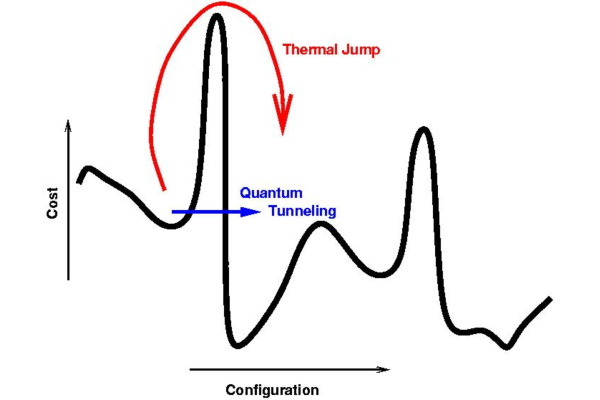
최적화 문제에 양자 터널링을 이용하면 빠른 속도로 문제를 해결할 수 있다
D-웨이브는 터널링 현상을 이용해 이 과정을 빠르게 처리한다. 양자역학에서 터널링 현상은 원자핵을 구성하는 핵자가 그것을 묶어 놓은 핵력의 퍼텐셜 우물보다 낮은 에너지 상태에서도 확률적으로 원자 밖으로 튀어 나가는 현상을 말한다.
위의 최적화 문제를 풀 때 터널링 현상을 이용하면 한 장소에서 비슷한 깊이의 다른 지점으로 한 번에 이동하는 것이 가능하다. 빠르게 문제를 해결할 수 있는 것이다.
D-웨이브의 컴퓨터는 진정한 양자 컴퓨터인가?
D-웨이브가 진정한 양자 컴퓨터인가에 대해 많은 논쟁이 있어왔다.
2014년, 스위스 취리히 연방공과대학의 마티아스 트로이어(Matthias Troyer) 등 연구팀은 D-웨이브와 일반 컴퓨터가 특정한 연산 문제를 풀게 하고 그 연산문제의 규모가 커질 때 문제풀이 시간이 각기 얼마나 늘어나는지를 측정해 비교했다.
연구팀은 논문 초록에서 양자 컴퓨터에서 나타나는 획기적인 연산 속도 향상의 증거를 발견하지 못했다고 밝혔다. 여러 차례의 연산 비교에서 어떤 문제풀이의 경우에는 D-웨이브가 몇 배 이상의 연산 속도 성능을 보여주었으나 다른 문제풀이의 경우에는 오히려 일반 컴퓨터가 훨씬 더 높은 성능을 보여주었다고 연구팀은 전했다.
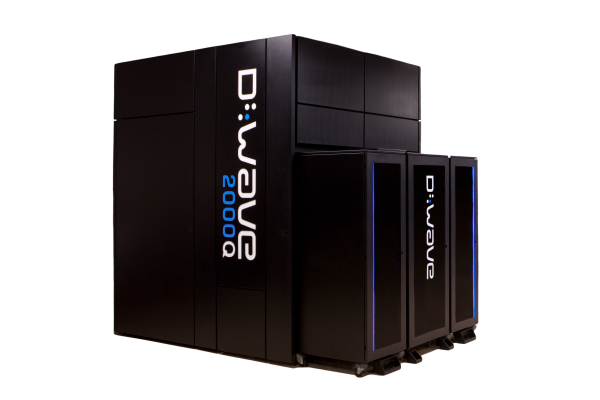
D-웨이브 2000Q
반면 2016년에 구글은 D-웨이브 2X로 같은 알고리즘을 사용하는 일반 컴퓨터 속도의 1억 배를 얻었다고 보고했으며, 2017년에는 D-웨이브에서 D-웨이브 2000Q로 가장 빠른 일반 컴퓨터 속도의 2,600배를 얻었다고 주장했다.
최근에는 D-웨이브의 컴퓨터가 양자 어닐링을 할 수 있는 컴퓨터임은 누구나 인정하고 있다. 양자 어닐링은 특정한 문제만 풀 수 있으며 일반적인 계산을 할 수 있는 것이 아니기 때문에 우리가 보통 말하는 양자 컴퓨터는 아니다. 양자적 현상을 이용한 또 다른 형태의 컴퓨터일 뿐이다. 물론 그럼에도 D-웨이브가 비범한 컴퓨터임에는 틀림없는 사실이다.
또 현재 미국, 유럽, 중국, 일본 등 주요 국가에서는 양자 컴퓨터 개발에 대한 정책적 지원이 활발하다. IBM, 구글, 마이크로소프트, 인텔 등 글로벌 기업들도 양자 컴퓨터 개발에 투자를 아끼지 않고 있다. 그리고 그 스타트를 D-웨이브가 끊었다는 것은 누구도 부정할 수 없다.
양자 컴퓨터에 쏟아지는 관심
가트너는 기업들이 주목해야 할 2019년 ICT 트렌드 10가지 중 마지막으로 양자 컴퓨터를 꼽았다.
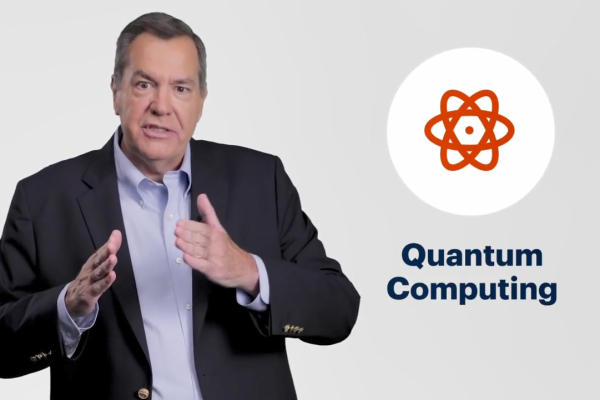
양자 컴퓨팅의 중요성을 설명하는 데이비드 설리 가트너 부사장
데이비드 설리 가트너 부사장은 "CIO들과 IT리더들은 양자 컴퓨팅의 도입을 계획해야 한다. 기술이 아직 신흥 단계에 있을 때 학습해야 한다"라며, "양자 컴퓨팅이 잠재력을 가진 실제 문제를 파악하고 보안에 미칠 수 있는 영향을 고려해야 한다"라고 말했다.
그러면서 "대부분의 조직들은 2022년까지는 양자 컴퓨팅에 대해 학습하고 모니터링해야 한다"라며, "2023년이나 2025년에 이르러야 양자 컴퓨팅을 활용할 수 있을 것이기 때문이다"라고 덧붙였다.
이렇듯 양자 컴퓨터에 대한 관심이 점차 본격화되는 가운데 양자 컴퓨터에 가장 적극적인 회사 중 하나가 바로 IBM이다. IBM은 리처드 파인만이 양자 컴퓨터를 제안했던 그 컨퍼런스, 1981년 5월 계산 물리학 컨퍼런스를 주관한 바 있다.
다음 기사에서는 IBM의 양자 컴퓨터 개발사와 양자 컴퓨터 정책에 대해 다루겠다.
참고문헌 - 김상욱의 양자 공부, 사이언스 북스, 2017.