클라우드 네이티브는 클라우드 컴퓨팅 제공 모델의 이점을 활용하는 애플리케이션 구축 및 실행 접근 방법이다. 전 세계 선도적 기업과 조직들은 소프트웨어 사업을 진행하지 않더라도 소프트웨어 기업이 되어야 한다는 인식에 따라 클라우드 네이티브 기술 적용에 서두르고 있다. CNCF는 9일, 클라우드 네이티브의 현재와 미래를 논하는 첫 쿠버네티스 포럼 서울을 서울 드래곤 시티 호텔에서 개최했다.
클라우드 네이티브 적용 사례 늘고 있어
쿠버네티스 포럼 서울, 한국에서 처음 열려
CNCF 회원사, 56개사 합류로 500개사 넘겨
IDC에 따르면 2025년에는 출시되는 앱의 90% 이상이 클라우드 네이티브로 구현될 전망이다. 클라우드 네이티브(Cloud Native)란, 클라우드 컴퓨팅 제공 모델의 이점을 활용하는 애플리케이션 구축 및 실행 접근 방법을 말한다.
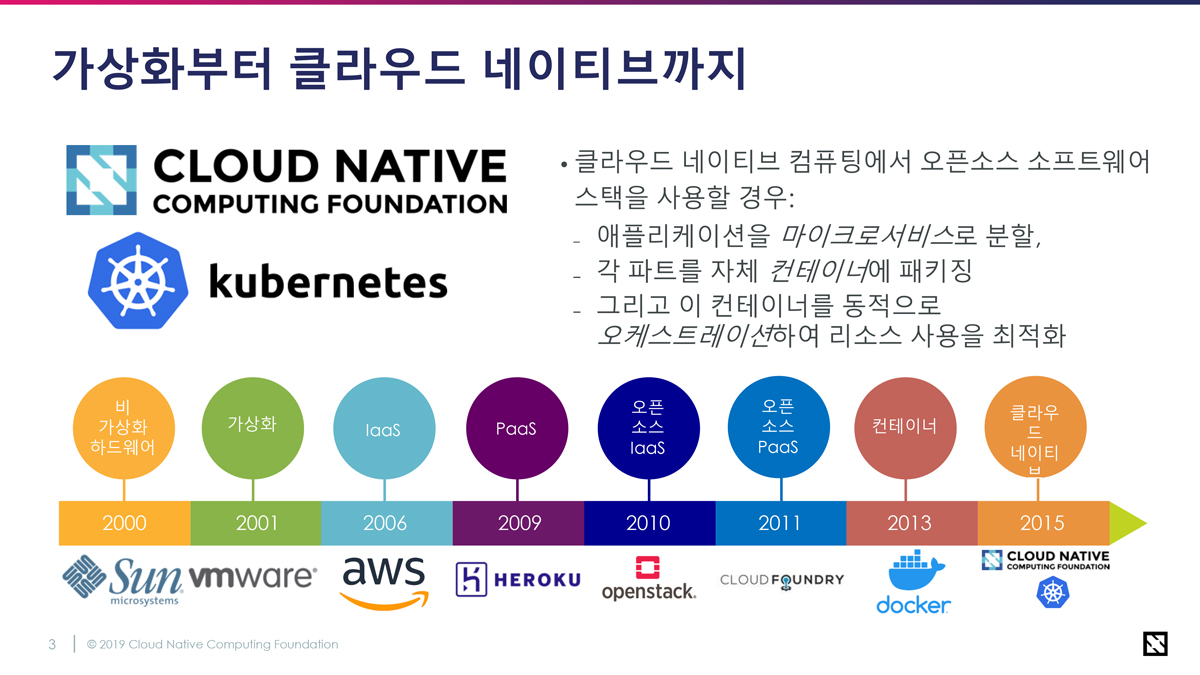
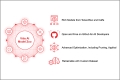
▲클라우드 네이티브의 발전사 (이미지=CNCF)
클라우드 네이티브는 애플리케이션 구조를 한 가지 업무에 특화된 독립적인 단위로 개발(마이크로서비스; Microservices)하고, 이를 경량화된 가상화 환경에서 구동할 수 있는 단위(컨테이너; Container)로 생성하고, 이와 같은 컨테이너들을 관리할 수 있는 환경으로 말할 수 있다.
현재 전 산업 분야의 기업과 조직들은 소프트웨어 사업을 진행하지 않더라도 소프트웨어 기업이 되어야 한다는 인식에 따라 클라우드 네이티브 기술 적용에 서두르고 있다.
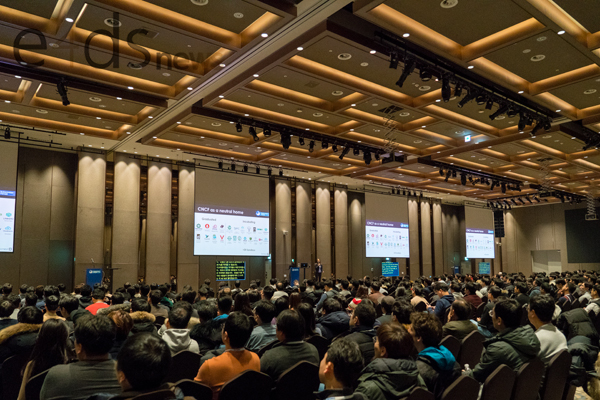
▲쿠버네티스 포럼 서울이 처음으로 개최됐다
(사진=이수민 기자)
CNCF는 9일, 국내외 개발자 및 실무자들이 모여 클라우드 네이티브 에코시스템의 현재와 미래에 대해 논하는 첫 ‘쿠버네티스 포럼 서울(Kubernetes Forum Seoul)’을 서울 드래곤 시티 호텔에서 개최했다.
‘쿠버네티스(Kubernetes)’는 컨테이너화된 워크로드와 서비스를 관리하기 위한 이식성 있고 확장 가능한 오픈소스 플랫폼으로, 구글이 2014년에 공개했다.
리눅스 재단 산하의 ‘클라우드 네이티브 컴퓨팅 재단(Cloud Native Computing Foundation; CNCF)’은 지속 가능한 클라우드 네이티브 에코시스템을 만들기 위해 결성됐다.
쿠버네티스를 비롯해 ‘프로메테우스(Prometheus)’, ‘엔보이(Envoy)’, ‘코어디엔에스(CoreDNS)’, ‘컨테이너디(Containerd)’, ‘플루언티드(Fluentd)’, ‘예거(Jaeger)’, ‘비테스(Vitess)’와 같은 글로벌 기술 인프라의 중요한 요소들을 주관하는 CNCF는 최근에 56개 회원사가 새로 합류하면서 총 회원사가 500개를 넘겼다.
지난 11월 18일부터 22일까지 미국 캘리포니아주 샌디에이고에서 열린 ‘큐브컨+클라우드네이티브컨(KubeCon+CloudNativeCon)’에는 1만 2천명 이상의 인원이 참가했다. CNCF는 2020년에 암스테르담, 상하이, 보스톤에서 규모를 더욱 늘린 큐브컨+클라우드네이티브컨을 개최할 예정이며, 벵갈루루, 델리, 도쿄에서는 쿠버네티스 포럼을 진행할 계획이다.
회원사가 늘어나면서 현재
CNCF 엔드유저 커뮤니티에는 프로젝트 로드맵에 대한 피드백과 적용 모범 사례를 공유하고, CNCF 기술 리더를 위한 미래 프로젝트를 논의하기 위해 125개 이상의 조직이 활동하고 있다.
또한, CNCF는 ‘
쿠버네티스 적합성 인증 프로그램(Certified Kubernetes Conformance Program)’을 통해 쿠버네티스 인증(Certified Kubernetes) 제품을 보유한 공급업체가 100개를 넘어섰다고 밝혔다. 인증된 공급업체들은 적합한 쿠버네티스 배포, 호스팅 플랫폼, 인스톨러를 공급할 수 있는 입증된 조직들이다.
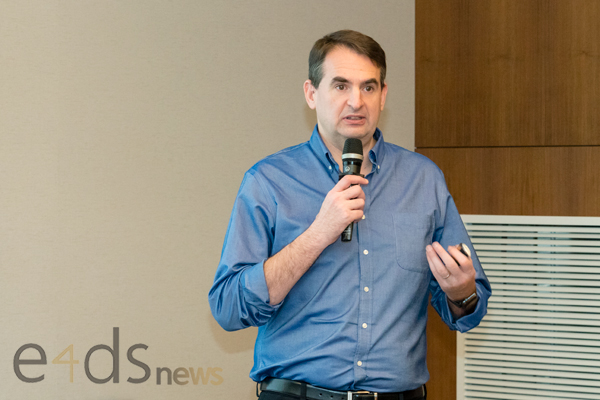
▲CNCF 댄 콘 총괄 대표 (사진=이수민 기자)
CNCF의 댄 콘(Dan Kohn) 총괄 대표는 “CNCF의 성장은 클라우드 네이티브 기술이 모든 산업 분야에 지속해서 영향을 미치고 있음을 방증하는 것”이라고 말했다.
그러면서 “회원사는 스타트업부터 정부 기관, 세계 최대 규모의 기술 기업들과 ‘포춘 50(Fortune 50)’에 속하는 최종 사용자에 이르기까지 다양하다”고 강조했다.
이어서 “많은 혁신가의 합류로 클라우드 네이티브 에코시스템은 지속해서 확장될 것”이라며, “오늘날 가장 시급한 기술 과제들을 해결할 수 있을 것”이라고 밝혔다.
한편, 이날 열린 쿠버네티스 포럼 서울은 마이크로소프트 애저, F5 네트웍스, 구글 클라우드, IBM, 레드햇, 삼성SDS 등의 후원을 받아 열렸다.