5G 전파가 인체에 미치는 영향, 어떻게 판단하고 잡아내나?
기사입력 2020.03.31 17:11
'21년에 28GHz 5G SA 서비스 국내 상용화 전망
전자파로 인한 인체 영향 평가 방법 숙지해야
5G 설비 및 장비 개발 후 신속한 발매 가능
국내에서 5G 네트워크가 상용 서비스를 시작한 지도 벌써 1년이 다 되어간다.
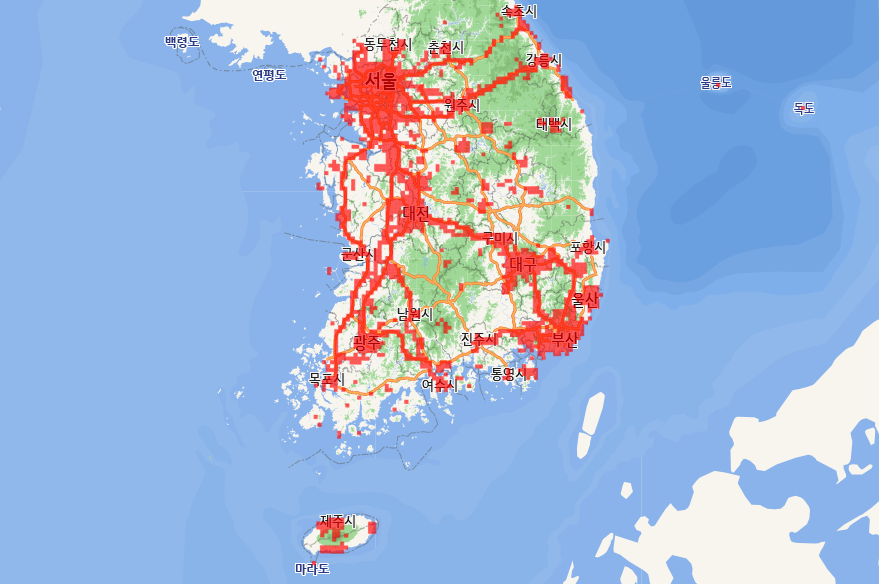
▲ 2020년 3월 기준 KT 5G 커버리지맵 (출처=KT)
5G 기술은 4차 산업혁명을 이루는 주요 기술들의 기반 기술로 꼽히고 있으나 인프라 미비로 그 잠재력을 다 발휘하지 못하고 있다. 심지어 5G가 아니라 4.5G라 불리기도 한다. 국내에 상용화된 5G 네트워크가 LTE와 함께 구동하는 5G 비단독모드(NSA)인데다 3.5GHz 대역만 사용하기 때문이다.
LTE가 그랬듯 5G 인프라 또한 전 세계 곳곳에 구축되는 중이다. 2021년이면 국내에서 28GHz 대역을 사용하는 5G 단독모드(SA) 서비스를 이용할 수 있을 전망이다. 5G 네트워크가 차세대 이동통신의 주축으로 자리할 것이 명확한 가운데 관련 제품을 개발하기 위해 신경 써야 할 요소가 있다. 바로 5G 전파의 인체 유해 유무다.
한국전자통신연구원(ETRI)의 김병찬 책임연구원은 정보통신기획평가원(ITFIND) 주간기술동향 1939호에 ‘5G 네트워크에 대한 전자파 인체노출량 평가기술 표준 동향’이란 글을 통해 ITU-T와 IEC를 중심으로 5G 네트워크를 구성하는 핵심설비인 무선국과 무선기기에 대한 전자파 인체 노출량 평가 기술 및 표준에 대해 다뤘다.
무선 네트워크에 대한 인체 영향 평가
5G 네트워크에 할당된 주파수 대역(3.5GHz 및 28GHz)에서의 전자파 인체 노출량 평가를 다루는 가장 최근의 국제 표준은 2017년에 발간된 ‘IEC62232 Ed2.0’이다. 현재 2022년을 목표로 측정 절차 및 세부 조건에 대한 수정안이 준비되고 있다.
이 표준은 110MHz~100GHz 주파수에서 하나 혹은 두 개 이상의 안테나를 갖고 의도성 전자파를 방사하는 무선국(radio-communications base stations)을 대상으로 하며, 주변에 존재하는 100kHz~300GHz 주파수를 사용하는 무선국도 포함한다.
주요 내용으로 제품 인증 및 무선국 설치와 관련된 적합성 평가 절차와 함께 운용 중인 무선국들을 대상으로 한 현장 측정(in-situ) 방법을 제시하고 있고, 각각의 경우 측정 절차와 함께 공간 평균 및 불확정도 추정에 관한 내용을 포함하고 있다.

▲ IEC62232에서 제시하는 공간 평균법 (이미지= IEC)
ITU-T의 SG5(ITU-T Study Group 5)에서도 5G 네트워크와 전자파 인체 영향평가에 관한 권고안 ‘K.Suppl.16’을 2019년 발간하여 5G 네트워크의 개념, 주파수적인 특징, LTE 네트워크와의 공유기술, 건강 영향의 문제 및 노출기준(5GEMF), 노출량 평가 등의 내용을 다뤘다.
노출량 평가의 경우 계산에 의한 전자파 노출량 평가 방법을 제시하고 있으며, 5G만의 단독 네트워크가 구성되는 시기를 반영하여 측정 방법을 추가로 만들어 갈 계획이다. 전자파로 인한 인체 영향의 문제가 5G 네트워크 인프라 확장에 영향을 미치지 않도록 하자는 의도에서다.
노출 평가에 있어 다중 입출력(MultiInput Multi-Output; MIMO) 안테나 기술 및 보다 촘촘하게 설치되는 기지국 등 LTE와는 다르거나 진보된 다양한 기술적인 특성을 반영한 평가 방안을 다루고 있고 그 외, 불확정도 추정 등의 내용도 포함하고 있다.
5G 단독 네트워크가 아닌 LTE 네트워크와 연동되는 현재는 측정 지점에서 세 개의 높이에서 구한 전자파 강도의 평균값을 구하는 공간 평균 개념이 포함된, LTE 네트워크에 적용되는 무선국 전자파 노출량 측정 방법을 적용하고 있다.
무선기기에 대한 인체 영향 평가
현재 국내에 상용화된 5G 주파수는 3.5GHz 대역이고 올해 하반기에 28GHz 대역도 서비스가 시작될 예정이다. 휴대전화에서 발생하는 전자파에 의한 인체 노출량 평가는 측정 방법 면에서는 3.5GHz 대역의 경우, LTE에서 사용하는 주파수인 2GHz 혹은 그 대역과 큰 차이가 없을 전망이다.
이 주파수 대역에서 인체에 근접해서 사용하는 기기의 경우 SAR(Specific Absorption Ratio)을 기준으로 노출량 평가를 하고 있다. SAR을 평가할 때에는 인체의 머리, 상반신 혹은 전신을 모의한 모의 인체를 제작하여, 그 내부에서 발생하는 전기장 강도 값과 인체의 유전 특성(Dielectric Characteristics) 파라미터를 활용해서 아래 식을 이용하여 계산한다.

여기서 σ와 ρ는 각각 인체의 도전율과 조직 밀도를 감안한 인자이고, Ei는 모의 인체 내부에 발생하는 전기장 강도다.
28GHz 대역은 3.5GHz와 비교했을 때 파장(wavelength)이 약 1/8 정도다. 파장이 짧을수록 같은 거리를 보내기 위해 더 큰 송신 전력을 필요로 한다. 송신 전력이 커질수록 전기장의 강도도 커지므로 SAR 측면에서 좋지 않다. SAR값이 적을수록 인체에 끼치는 영향이 적다.
따라서 5G 네트워크를 구성하는 주요 기반 설비의 하나인 무선국은 이전의 무선망 기술과 비교해서 상대적으로 더 촘촘하게 설치하여 휴대전화와의 통신에 필요한 송수신 전력을 가급적 줄여야 한다.
28GHz 대역의 전자파는 LTE에 비해 파장이 훨씬 짧고 전파의 직진성이 강해지므로 상대적으로 고 유전율을 갖는 인체 조직을 투과하기가 어렵다. 이를 표피 효과라고 한다. 인체 내부에는 전기장이 거의 형성되지 않아 에너지를 전송하기 위한 자기장이 만들어지지 못해 전자파가 전파하지 못한다. 표피 효과에 근거한 전자파의 전파 특성을 볼 때 이 주파수 대역의 전자파는 인체의 내부를 투과할 수 없으며 인체의 피부 표면에만 존재하게 된다.
내부 전기장 강도를 필요로 하는 SAR을 근거로 인체 영향 평가를 할 수는 없으며 전력 밀도에 기반한 평가를 해야 한다. 다시 말해, 28GHz 대역에서의 노출 제한의 근거 역시 열적 효과이며, 이를 근거로 인체 노출량을 가늠하기 위한 물리적인 파라미터는 전력 밀도다.
휴대전화와 같은 전자파 발생원으로부터 인체가 매우 가까이 있을 때, 즉 근역장(near-field)일 경우 전력 밀도를 평가하기 위해서는 원역장(far-field)에서처럼 전기장과 자기장 강도의 비가 특정한 값(377Ω)을 갖지 않기 때문에 전기장 강도와 자기장 강도 모두를 필요로 한다.
근역장과 원역장을 구분 짓는 기준은 전자파 발생원으로부터의 거리 곧 휴대전화의 안테나와 인체와의 거리인데 3-파장 정도 이하면 일반적으로 근역장으로 본다. 전기장 강도와 자기장 강도를 측정할 수 있는 장비는 이미 개발이 되어 있고, 전력 밀도를 측정할 수 있는 장비 및 방법은 일부 개발되어 있으나 측정값에 대한 신뢰성 문제는 해결되지 않았다.
2019년 5월 ITU-T SG5에서는 5G 이후 등장할 무선기기에 대한 전자파 노출량 평가를 다룰 권고안(K.devices: Assessment of the wireless radio-communication devices operating close to the human body)을 만들기로 합의하였으며 2020년 완료를 목표로 하고 있다.
현재까지 세계적으로도 인체에 근접하여 사용하는 5G 무선기기의 인체 노출량 평가에 관한 연구는 많이 진행되지 않은 상황이지만, 전력 밀도를 평가하는 가장 쉬운 방법은 전기장 및 자기장 강도를 각각 측정한 후 곱을 취하는 것이다. 하지만 자유 공간과 비교하여 고 유전체인 인체가 가까이 존재하는 상황에서는 전자기장의 분포가 달라지기 때문에 그 차이를 고려하는 것이 중요하다.
불확정도 평가
불확정도(uncertainty)는 측정 혹은 계산 등의 결과가 얼마나 참값에 근접하느냐를 보여주는 값으로써 측정이나 계산의 결과에 신뢰 구간과 함께 반드시 수반되어야 하는 물리량이다. 참값과 얼마나 차이가 있느냐의 의미로 볼 때 오차라고도 볼 수 있다. 하지만, 측정의 오류가 아니라 반복적인 측정에 의한 측정값의 차이로서, 같은 조건에서 수행된 다수의 측정 결과가 가질 수 있는 어떤 범위를 의미하는 것으로 받아들이는 것이 타당하다.
5G 네트워크의 경우 전보다 더 복잡한 환경에서 인체가 전자파에 노출(exposure to EMF)되는 만큼 노출량 평가는 정교하게 수행되어야 하고 노출 레벨을 보다 정확하게 표현해야 한다. IEC62232 Ed2.0에서 불확정도 추정에 관한 광범위한 기술적인 내용을 다루고 있고 다양한 불확정도 소스(source)를 고려하기를 권고하고 있으나, 실제 환경에서의 불확정도 추정에 필요한 인자는 ITU-T에서 발간한 권고안인 K.100에서 제시하고 있다.
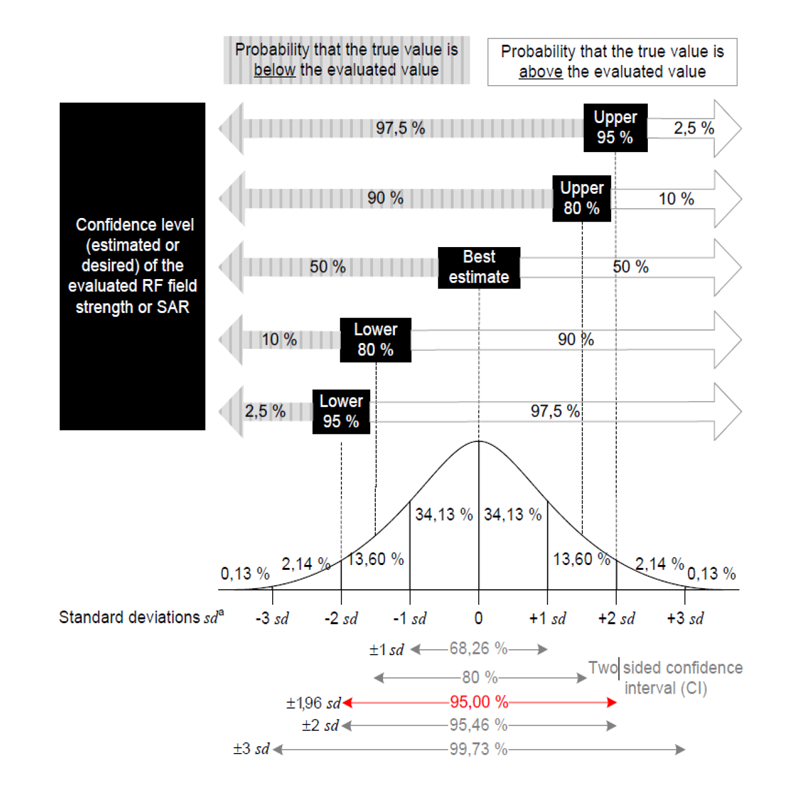
▲ 신뢰구간에 따른 참값이 측정값보다 적거나 높을 확률
(이미지= IEC)
(이미지= IEC)
불확정도 추정에 사용되는 인자는 통상 A 및 B형 인자로 분류하는데 A형 인자는 측정을 통해 획득한 데이터의 확률적 분포함수로부터 얻어지며 B형 인자는 측정 장비에 의한 것으로 보통 제조사로부터 제공된다. 무선국에서 발생하는 전자파에 의한 인체 영향을 평가할 때는 일반적으로 측정 장비, 물리적 요인, 기계적 제한 요소 등에 해당하는 요인으로 나눈다.
차세대 무선 네트워크 기술에도 필요할 전자파 측정
ITU와 IEC를 중심으로 차세대 무선 네트워크의 기반인 무선설비에 대한 전자파 인체 영향 평가 기술 표준이 개발되고 있다. 동시에 새롭게 등장하는 기술들을 접목하기 위한 지속적인 연구가 진행되고 있다. 2022년경에는 대부분 마무리가 될 것으로 김병찬 연구원은 기대했다.
향후 지금보다 우수한 차세대 무선 네트워크 기술이 도입될 것이다. 전자파 인체 노출량 평가 측면에서 볼 때 점점 더 복잡한 전자파 환경으로 인해 더욱 정밀한 측정값의 제시가 필요해지고 있어 정교한 측정 방법 또한 필요하게 된다. 이에 측정 불확정도 평가는 그 중요성이 더 커질 전망이다.
이수민 기자
관련뉴스
-

라쿠텐 모바일, 오는 6월 日 5G 서비스 상용화한다
라쿠텐 모바일과 NEC 코퍼레이션은 공동개발한 5G RU를 처음 출하했다고 발표했다. 양사는 5G RU 출하와 더불어 5G 기지국 건설에 착수할 계획이다. 출하되는 5G RU에는 3.7GHz 대역의 mMIMO 안테나가 탑재됐다.
2020-03-25 오전 8:53:12by 이수민 기자
-
올 상반기 안에 세종시에서 자율주행 셔틀 운영된다
LG유플러스와 켐트로닉스가 MOU를 맺고 세종시에서 자율주행 셔틀 서비스 실증 사업에 나선다. 협약을 통해 유플러스는 세종시 자율주행 서비스를 위한 5G 통신망, 다이나믹 정밀지도, 고정밀 측위 솔루션 등을 제공한다. 켐트로닉스는 V2X 관련 스택과 하드웨어, 애플리케이션 등의 기술 지원에 주력한다.
2020-03-26 오후 5:34:44by 이수민 기자
-

5G 상용화 1년 맞아 월 3만 원대 5G 요금제 나온다
SK텔레콤이 6개 알뜰폰 사업자에게 5G 요금제를 도매로 제공한다. 해당 사업자는 스마텔, 아이즈비전, 프리텔레콤, 에스원, SK텔링크, 큰사람 등 6개다. 6개사는 30일부터 차례대로 5G 알뜰폰 요금제를 출시하고 5G 가입자 모집에 나선다.
2020-03-30 오후 12:02:31by 이수민 기자

.png)


관련 웨비나




많이 본 뉴스

[열린보도원칙] 당 매체는 독자와 취재원 등 뉴스이용자의 권리 보장을 위해 반론이나 정정보도, 추후보도를 요청할 수 있는 창구를 열어두고 있음을 알려드립니다.
고충처리인 장은성 070-4699-5321 , news@e4ds.com