기사입력 2025.04.28 14:29
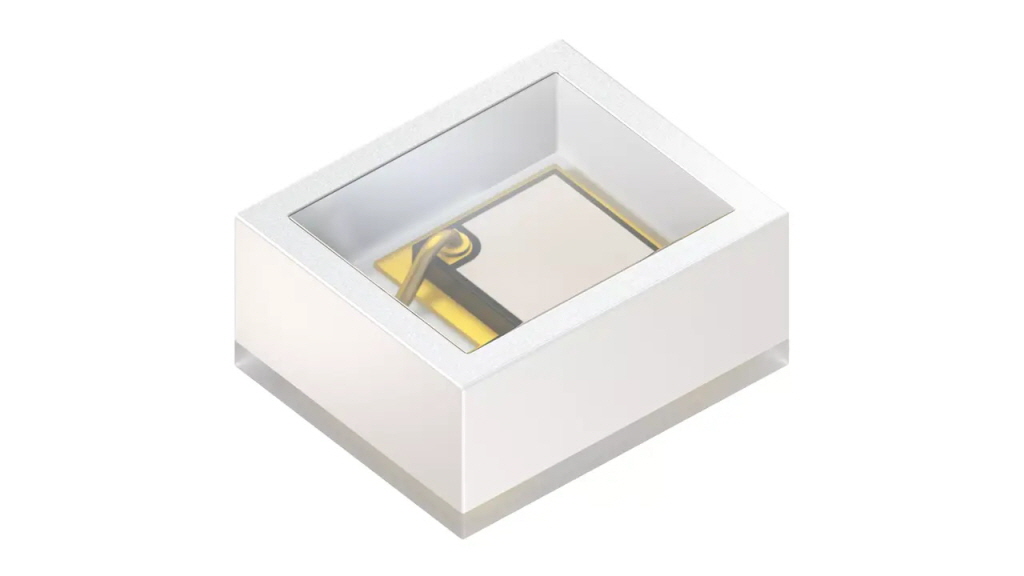

ams OSRAM이 차량용 LED 솔루션의 말레이시아 제조회사인 도미넌트 옵토 테크놀로지스(DOMINANT Opto Technologies)와 ams OSRAM의 OSP(Open System Protocol)를 도미넌트 옵토 테크놀로지스의 자동차 실내 조명 전용 차세대 지능형 RGB LED에 통합하기 위한 파트너십을 맺었다.
2024-04-24 오전 11:23:27by 배종인 기자
.jpg)
지능형 센서 및 이미터 분야의 세계적인 선도기업인 ams OSRAM(오슬람)이 Hyper Red에서 83.2%라는 전력변환효율(Wall Plug Efficiency)과 함께, 탁월한 내구성과 긴 수명으로 업계 최고의 성능을 제공하는 최첨단 칩 기술이 탑재된 고출력 LED인 OSCONIQ® P3737을 새롭게 출시했다.
2024-05-29 오후 1:39:45by 배종인 기자
지능형 센서 및 이미터 분야의 세계적인 선도기업인 ams OSRAM(한국 대표 강석원)은 SYNIOS® P 2222 LED를 새롭게 출시함으로써 높은 신뢰성, 낮은 열 저항 및 뛰어난 밝기를 자랑하는 자사의 SYNIOS® 제품군을 확장한다.
2024-08-21 오전 11:10:01by 배종인 기자
지능형 센서 및 이미터 분야의 세계적인 선도기업인 ams OSRAM(한국 대표 강석원)이 가정용 및 산업용 로봇 애플리케이션의 장애물 감지 및 충돌 방지를 위한 차세대 단일 영역 dToF(direct Time-of-Flight) 센서 모듈 TMF8806을 공개했다.
2024-09-25 오후 3:45:11by 배종인 기자

강석원 ams OSRAM Korea 대표이사는 30일 가진 기자간담회에서 “광원과 센싱을 턴키 솔루션으로 공급하는 회사는 ams OSRAM(에이엠에스 오슬람)이 전세계에서 유일하다. 이는 고객사 입장에서 편하고 빠르게 제품을 적용할 수 있고, 문제 발생시 빠르게 해결 할 수 있어 고객의 혁신을 지원할 수 있는 ams OSRAM 만의 장점이다”며 지능형 센서 및 이미터 분야의 세계적인 기업으로서의 자신감을 보였다.
2024-10-30 오후 5:09:27by 배종인 기자
지능형 센서 및 이미터 분야의 세계적인 선도기업인 ams OSRAM (한국 대표 강석원)이 무수은(mercury-free) 및 효율적인 UV-C 소독 및 처리 솔루션에 대한 수요 증가에 부응하는 획기적인 UV-C LED 신제품 OSLON® UV 3535를 출시했다.
2024-11-14 오전 10:54:38by 배종인 기자

마우저 일렉트로닉스는 고감도 근적외선 감지와 저전력 특성을 갖춘 ams OSRAM의 Mira016 글로벌 셔터 이미지 센서를 공급하며, 머신비전·로보틱스·AR/VR 등 정밀 센싱 애플리케이션 시장 공략에 나섰다.
2025-04-10 오후 1:00:37by 명세환 기자


[열린보도원칙] 당 매체는 독자와 취재원 등 뉴스이용자의 권리 보장을 위해 반론이나 정정보도, 추후보도를 요청할 수 있는 창구를 열어두고 있음을 알려드립니다.
고충처리인 장은성 070-4699-5321 , news@e4ds.com