[편집자주] 가상현실(VR)·증강현실(AR)을 구현하는 '헤드 마운티드 디스플레이(Head Mounted Display, 이하 HMD)' 산업의 성장 잠재력은 스마트폰의 세계적 보급 수준과 비교하면 아직 꽃봉우리 단계입니다. 그러나 산업과 기술의 발전 속도를 볼 때 차세대 스마트 디바이스의 왕좌는 웨어러블 디바이스가 될 것으로 전망되고 있습니다. 카메라·센서·디스플레이 등 다수의 반도체 부품이 탑재되는 HMD 제품, 즉 VR·AR 디바이스가 반도체 산업 성장을 이끌 것으로 기대되는 가운데 최근 VR 디바이스 PICO4가 출시되며 발전하고 있는 VR 산업 및 기술의 동향을 탐구해봤습니다.
가상현실 하드웨어 연평균 37% 高성장 전망
HMD, 카메라·센서·통신칩 등 반도체 탑재 多
최신 HMD PICO4 출시, 착용감·성장력 장점
[편집자주] 가상현실(VR)·증강현실(AR)을 구현하는 '헤드 마운티드 디스플레이(Head Mounted Display, 이하 HMD)' 산업의 성장 잠재력은 스마트폰의 세계적 보급 수준과 비교하면 아직 꽃봉우리 단계입니다. 그러나 산업과 기술의 발전 속도를 볼 때 차세대 스마트 디바이스의 왕좌는 웨어러블 디바이스가 될 것으로 전망되고 있습니다. 카메라·센서·디스플레이 등 다수의 반도체 부품이 탑재되는 HMD 제품, 즉 VR·AR 디바이스가 반도체 산업 성장을 이끌 것으로 기대되는 가운데 최근 VR 디바이스 PICO4가 출시되며 발전하고 있는 VR 산업 및 기술의 동향을 탐구해봤습니다.
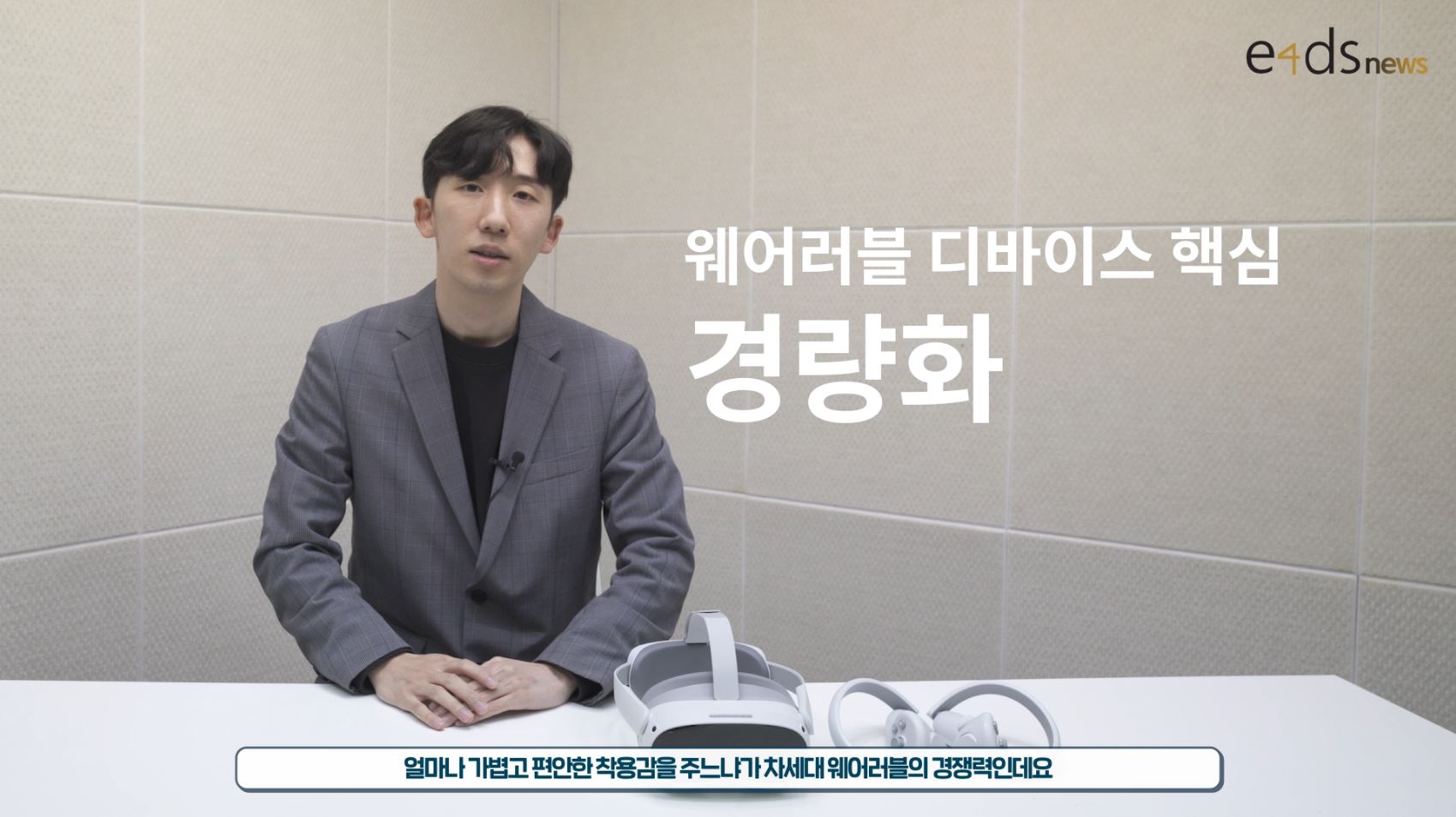 ▲혁신포커스 중 한 장면
안녕하세요. 권신혁 기자의 혁신포커스입니다.
HMD라는 용어를 한 번쯤 들어보신 적 있나요? Head Mounted Display의 약자로 쉽게 말해 VR/AR 디바이스라고 생각하시면 되는데요. 신체에 착용해 사용하는 웨어러블 디바이스가 차세대 스마트 제품으로 각광받으면서 Head Mounted Display 시장이 커지고 있습니다.
시장조사기관 마켓샌드마켓에 따르면 글로벌 가상 현실 시장 규모는 2026년 365억 달러, 우리돈으로 50조원에 이를 것으로 전망해 연평균 46%의 놀라운 성장이 기대되는 분야인데요.
세부 항목별로 보면 2025년 기준 소프트웨어에서 110억달러, 하드웨어에서 9,700만달러로 전망되며, 특히 VR 디바이스와 같은 하드웨어가 2020년 대비 5배가량 증가해 연평균 37%가량 성장할 것으로 기대하고 있습니다.
VR시장의 부품별 시장 성장에서 디스플레이 및 프로젝터가 가장 높은 비중을 차지함과 동시에 가장 높은 38.2% 연 성장율을 기록할 것으로 전망되고요. 뒤이어 카메라, 반도체 부품, 센서 등의 순서로 나타났습니다.
현재 VR 디바이스 시장에서 압도적 1위를 차지한 메이커는 페이스북으로 유명한 메타의 오큘러스 퀘스트인데요. 이처럼 메타가 70% 이상을 점유한 VR시장의 틈새를 비집고 영역을 확대하는 브랜드가 하나 있습니다.
바로 PICO입니다.
글로벌 XR 시장 점유율에서 조금씩 파이를 넓혀가고 있는 PICO는 지난 2분기 글로벌 마켓쉐어에서 11%를 달성하며 2021년 1분기 대비 4배 가까운 상승세를 기록했습니다.
최근에 차세대 VR 헤드셋 PICO4 신제품까지 출시되며 신제품에 대해 궁금해하실 분들이 있으실 것 같은데요. 이번에 출시된 PICO4를 직접 체험해보며 VR기술의 현주소를 탐구해봤습니다.
먼저 스펙을 보시면 퀄컴 스냅드래곤 XR2 프로세서를 채택했는데요. 옥타코어 프로세서에 그래픽코어는 아드레노 650을 탑재했으며 8GB 램과 128기가 저장 용량 기준으로 40만원 후반대라는 비교적 저렴한 가격을 형성하고 있습니다.
전작인 피코 네오3링크와 비교하면 램용량, 디스플레이 해상도, 시야각 등에서 향상된 것을 확인할 수 있습니다. 가장 큰 차이라고 한다면 팬케이크 렌즈를 채택해 폼펙터를 상당히 최적화하는 데 성공했다는 점입니다.
웨어러블 디바이스의 핵심 중 하나가 ‘경량화’죠. 얼마나 가볍고 편안한 착용감을 주느냐가 차세대 웨어러블의 경쟁력인데요.
경쟁사인 메타의 오큘러스 퀘스트2와 비교해보면 체감이 확 되실 겁니다. 스트랩 등을 포함한 총무게에선 퀘스트2와 큰 차이가 없지만 퀘스트2의 고질적인 단점으로 지적받던 것이 바로 앞쪽 쓸림 현상인데요. 배터리 포함 모든 무게중심이 안면부에 집중돼 있다 보니 앞쪽으로 무게가 쏠려 안면부 불편감이 컸습니다.
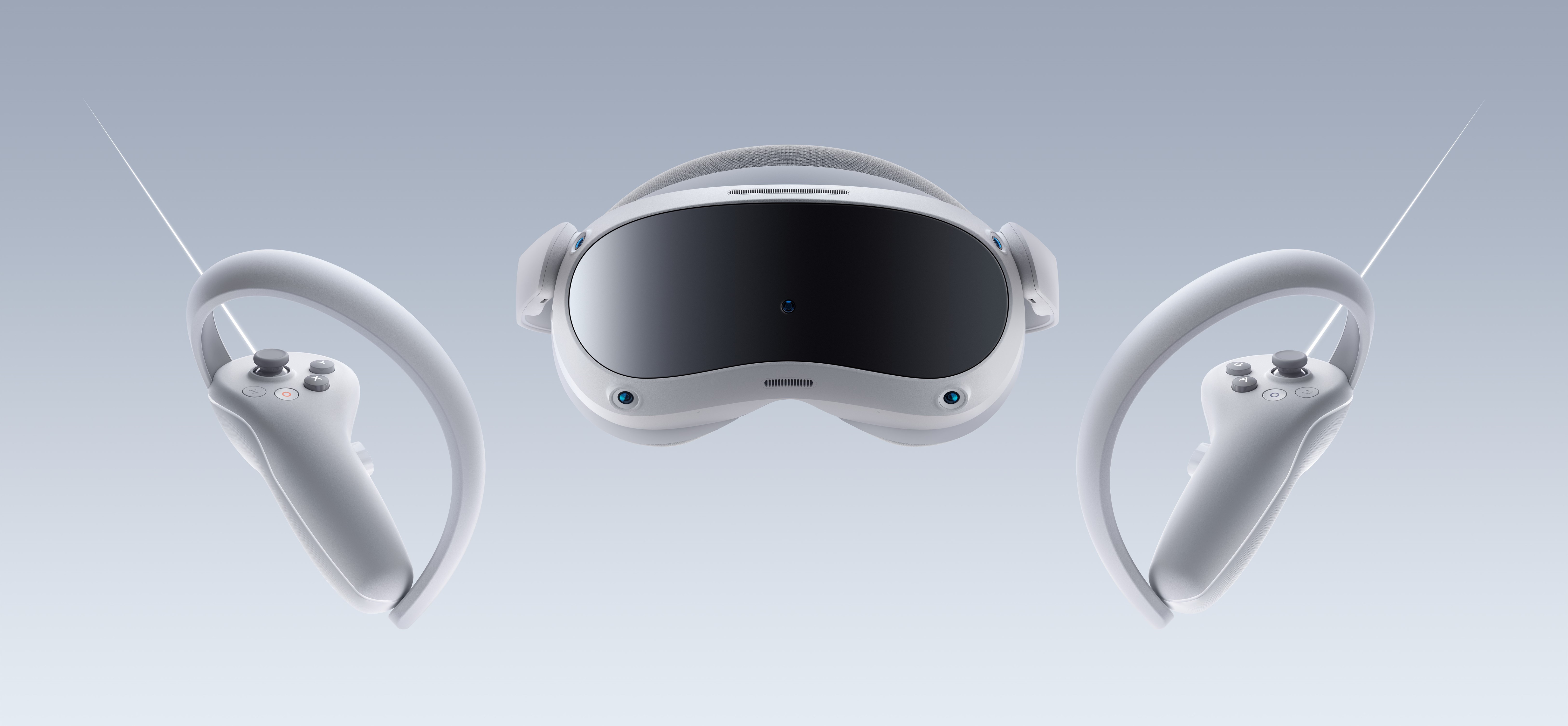 ▲ PICO4 신제품 (사진-PICO)
이에 보조배터리나 동전 등을 뒤쪽에 달아서 밸런스를 맞추는 소비자들의 웃픈 사용법도 존재했고요.
반면 피코4는 배터리를 본체에서 분리해 여기 보시는 것처럼 뒤쪽 부분에 배치했습니다. 이로써 무게중심을 분산해 좀더 편안한 착용감을 보여준다는 점이 눈여겨볼 만한 부분입니다. 활동적인 게이밍에서 상당한 장점으로 작용했습니다.
VR기기에는 참 다양한 반도체 기술이 집약돼 있는데요. PICO4의 경우에는 사이드에 4개의 슬램 카메라가 주변 환경을 매핑하며 중앙에 1600만 화소 카메라 모듈 1개가 패스스루 기능을 담당하고 있습니다.
이러한 패스스루 기능은 플레이 영역을 설정하는 가상 경계선 기능과 더불어 협소한 주거 공간에서의 플레이 안전성을 높여주는 좋은 기능이라는 생각이 듭니다. 풀컬러에 높은 해상도인 점은 장점이지만 미묘하게 불일치하는 심도와 시야 왜곡은 멀미를 유발해 이러한 부분은 개선이 필요해 보입니다.
본체 디스플레이와 컨트롤러 2개에 각각 6축 자이로 센서를 탑재해 모션을 측정하고요. WIFI6 및 블루투스 5.1 통신칩을 탑재해 외부 기기와의 무선연결 및 펌웨어 업데이트가 가능합니다.
이번 PICO4 체험을 하며 느낀 점은 VR시장이 앞으로 카메라모듈, 센서, 디스플레이 등 부품, 소재에서 혁신이 뒷받침될 때 시장 포텐셜이 상당할 것이라는 기대였습니다. VR 디바이스를 통해 즐길 만한 콘텐츠 차별성이 명확했고 특히 피트니스 앱이나 스포츠 게임, FPS 게임 등에서 몰입감이 상당했습니다.
그러기 위해선 동작 인식의 정확도를 높이는 정밀 센싱, 3D 멀미 문제, 경량화와 전력소모 이슈 등을 해결하는 기술력이 차세대 제품에 필요할 것으로 보입니다.
이밖에도 VR 디바이스 판매량에서 중요한 경쟁력은 콘텐츠 경쟁력이 되겠는데요.
PICO에서는 2023년 독점작으로 JUST DANCE 출시를 예고하는 등 독점 IP 콘텐츠를 선보이고, 또한 인기 IP를 스토어에 유치하는 등 콘텐츠 생태계 구축에 집중하는 상황입니다.
아직은 후발주자로서 콘텐츠 생태계 미완성 우려, VR 트래킹의 아쉬움, 해상도 이슈 등 몇몇 지적 사항들이 일각에서 언급되고 있으나 뛰어난 가성비와 현재 발전 속도를 봤을 때 성장 잠재력 측면에서는 PICO4가 META를 대적할 만한 적수로 등장했다는 시장 평가를 받고 있습니다.
지금까지 VR시장의 동향을 살펴보고 신제품인 PICO4를 통해 VR 기술력의 현주소를 알아보는 시간을 가졌습니다.
이상 혁신포커스의 권신혁 기자였습니다. 감사합니다.
.jpg)