전기차, 태양광 폐기물 많아지는데 "도시광산, 왜 자리 못 잡나"
기사입력 2021.05.11 16:24
팬데믹, 전자제품 호황과 함께 재료 수급난 불러
韓 도시광산 산업, 수급난에 비책이나 성장 더뎌
배터리, 태양광 패널 노후 시점 다가와 육성 시급
재택 근무와 원격 교육의 확산으로 집에 있는 시간이 늘면서 가전제품 판매량이 호조세를 이어가고 있다. 삼성전자와 LG전자의 2020년 가전 부문 매출과 영업이익은 2019년 대비 30% 이상 증가했다. 데스크톱 PC 역시 비대면 특수에 힘입어 2020년 국내 출하량이 2019년 대비 16% 많았다. 10년 만의 호황이다.
수요는 확실한데 공급이 따라가질 못하고 있다. 소니와 마이크로소프트의 9세대 콘솔 게임기 ‘플레이스테이션 5’와 ‘엑스박스 시리즈 X’는 물량 부족에 돈이 있어도 쉽사리 살 수 없다. CPU 및 GPU 공급 부족이 지속되고 있기 때문이다.
반도체 부족은 자동차 업계에서 가장 시급하다. 차량용 반도체 부족에 완성차 및 전장 업체들의 공장 가동률도 낮아졌다. TSMC, 삼성전자, 인텔 등 파운드리 업체들은 이번 공급난이 최대 2년은 갈 것으로 예측했다. 반도체 및 기판의 재료 수급 문제도 언제든지 터질 수 있는 시한폭탄 같은 상황이다.
대한민국은 자원 빈국으로, 광물자원 90% 이상을 해외 수입에 의존하고 있어 미국, 중국, 러시아, 캐나다, 호주 같은 해외 자원 부국의 영향을 받고 있다. 전 세계적으로도 소량 매장된 팔라듐 같은 희유금속(rare metal)은 사정이 더하다.
도시광산(Urban Mining)이란 산업원료인 광물자원이 제품이나 폐기물 형태로 생활 주변에 소량으로 넓게 분포되어 양적으로 광산 규모를 가진 형태를 의미한다. 도시광산 산업은 사용 후 제품이나 사업장 부산물 등을 “수집 – 분리/분류 – 선별 – 제련/정련” 과정을 통해 함유 광물자원을 산업원료로 재공급하는 산업이다.
일반적으로 광물자원은 지하에서 채취되지만, 일부는 매장량보다 이미 채굴되어 제품이나 폐기물 형태로 우리 주변에 축적된 양이 더 많다. 이미 2010년 삼성경제연구소는 도시광산 내 희유금속 잠재가치를 33조 원에 달한다고 평했다. 실제로 휴대전화 폐기물 1t에서 금 400g, 은 3㎏, 구리 100㎏가량 추출할 수 있다.
◇ 국내 도시광산 산업, 인력-기술-제도 부족에 성장 더뎌
도시광산 산업이 발전하면 폐기물로부터 자원을 추출해 무의미하게 버려지는 노후 제품들의 가치도 높이고, 국가 자원 수급 안정과 환경보호 등의 순기능을 얻을 수 있다. 그러나 국내 도시광산 산업은 좀처럼 성장하질 못하고 있다. 2014년에는 포스코마저 해당 산업에서 1,000억 원의 손실을 뒤로 하고 철수한 바 있다.
대한민국 도시광산 산업의 발전이 늦는 이유는 ▲비효율적 폐자원 수집환경 ▲분리 및 분류 인력 부족 ▲선별 기술의 부족 ▲제도적 뒷받침 미비 등을 들 수 있다. 도시광산 선진국인 일본과 비교했을 때 이러한 단점은 더욱 두드러진다.
일본은 1991년, ‘자원 유효이용 촉진법’과 2000년, ‘순환형 사회 형성을 위한 기본법’을 제정하며 자원의 재자원화를 지원하고 있다. 또한, 금속자원 업무를 맡는 JOGMEC, 이차전지 업무를 맡은 JBRC 등의 단체가 재자원화를 총괄하여 일본의 폐기물 최종 처분량은 20세기 말 7,300만t에서 2010년 2,800만t으로 감소했다.
국내에서 도시광산 관련 법률은 ‘폐기물관리법’이 고작으로, ‘쓰레기’의 처분에 초점이 맞춰져 있다. 폐가전 수거 업무도 지자체마다 각각 하다 보니 대형 스크랩(scrap) 업체가 많지 않다. 이틈을 타 일본 정부는 폐가전 수출 규제는 강화하고 수입 수속은 간소화해 아시아 전역에서 양질의 폐가전을 수입하고 있다.
또한, 한국리싸이클링자원학회에 따르면 국내 도시광산 업체 중 절반이 종업원 10명 이하의 영세업체들이다. 최근 제조되는 제품들은 효율을 높이기 위해서 소재의 순도와 재료의 결합 정도를 높이는 방향으로 가고 있다. 이는 자원의 분리와 선별의 어려움으로 이어져 영세업체들의 활동 반경을 제한하고 있다.
도시광산은 환경을 보호하는 동시에 파괴한다. 처리 전에 방치된 폐기물이 풍화하며 토양 오염을 유발할 수도 있다. 또한 불에 태워서 자원을 분리하는 낮은 수준의 기술로 선별 작업을 할 경우 유해화학물질의 배출을 막을 수 없어 재활용 공장의 입지 선정에도 지자체와 갈등을 빚는 등의 어려움이 있다.
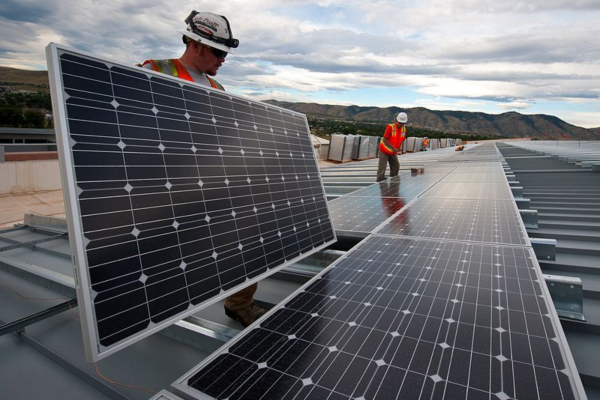
▲ 태양광 발전 자체는 친환경적이지만, 패널의 처리는
그렇지 않다 [사진=미국 에너지부]
그렇지 않다 [사진=미국 에너지부]
국내에선 2000년대 초반부터 태양광 발전을 보급하기 위해 각종 태양광 패널 보급 정책을 펼쳤다. 태양광 패널의 수명은 평균 20~30년으로 전문가들은 노후화된 태양광 패널이 대거 폐기물로 버려질 것을 우려하고 있다. 태양광 패널은 납, 구리, 알루미늄 등의 중금속이 포함되어 있으며, 이를 분리하는 데 많은 노동력과 전기가 필요하다. 또한, 분리 과정에서 유해화학물질을 배출한다.
현재 GM, 포드, 폭스바겐, 기아 등의 완성차 업체들이 전기차 시장에 뛰어들고 있으며, 이에 따라 배터리 수요 역시 폭증하고 있다. 하지만 배터리는 효율을 위해서 자주 교체해줄 필요가 있는 데다 아직까진 폐배터리 활용의 이점이 크지 않으며, 기술적 성숙도도 리튬과 코발트 등을 추출할 정도에 머물고 있다.
전자제품 수요가 는 만큼 태양광 패널, 전기차 배터리와 함께 폐가전의 배출도 향후 5~10년 내로 많이 증가할 전망이다. 따라서 자원 수급의 안정과 순환 경제의 구축을 위해 도시광산 산업에 대한 전면적인 정부 지원이 필요한 시점이다. 또한, 재자원화 과정에서 발생하는 환경오염 물질의 배출을 줄이는 기술도 시급하다.
이수민 기자
관련뉴스
-

금보다 비싼 팔라듐, 재활용 길 열렸다
금보다 비싼 팔라듐 등과 같은 고가의 촉매 소재를 재활용할 수 있는 새로운 합성 기술이 개발됐다. 고가의 소재를 여러 번 사용할 수 있어 공정비용을 절감하고, 한정된 귀금속 광물자원 소모를 줄일 기술로 주목받고 있다.
2021-04-23 오전 8:12:20by 배종인 기자
-
한화솔루션, 2024년까지 친환경 리사이클링 원천기술 확보
한화솔루션이 2024년까지 플라스틱을 화학적으로 재활용할 수 있는 기술을 개발해 ESG(환경·책임·지배구조) 경영을 강화한다. 플라스틱의 폐기물과 생산 과정에서의 탄소배출량을 획기적으로 줄여 ‘플라스틱 순환경제’ 생태계 구축에 앞장서겠다는 것이다.
2021-04-30 오전 8:50:54by 배종인 기자
-
[기획]전자업계 ESG를 위한 전자폐기물 재활용 산업 본격화
세계 전자 폐기물로 버려지는 귀금속 및 금, 은, 구리 및 백금과 같은 유용한 원료의 모든 총 가치는 미화 570억달러(한화 약 64조)로 대부분의 국가 GDP보다 큰 금액으로 파악되고 있으며, 향후 환경보호 및 자원확보, 자원순환경제 활성화를 위해 전자폐기물의 리사이클링 산업이 주목받고 있으며, 세계 각국 및 글로벌 기업들의 투자가 본격화되고 있다.
2021-05-04 오후 12:03:16by 배종인 기자

.jpg)
많이 본 뉴스

[열린보도원칙] 당 매체는 독자와 취재원 등 뉴스이용자의 권리 보장을 위해 반론이나 정정보도, 추후보도를 요청할 수 있는 창구를 열어두고 있음을 알려드립니다.
고충처리인 장은성 070-4699-5321 , news@e4ds.com