악조건 미세먼지 측정도 국내기술로 한다
기사입력 2024.05.16 15:47
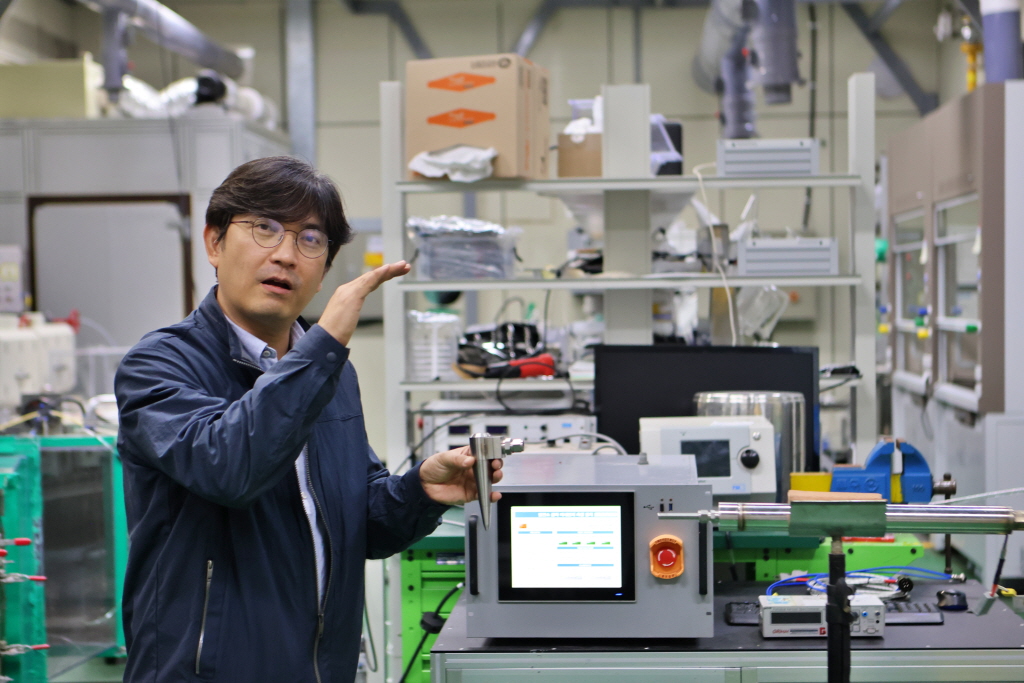
▲기계연 한방우 도시환경연구실장이 미세먼지 실시간 측정기술에 대해 설명하고 있다.
기계연, 굴뚝 발생 미세먼지·초미세먼지 실시간 측정기술 개발
국내 발전소 및 소각로 적용, 6개월 장기 모니터링 실증 완료
국내 발전소 및 소각로 적용, 6개월 장기 모니터링 실증 완료
해외 의존성이 높았던 악조건 환경에서의 미세먼지 측정을 국내 독자 기술로 선도할 수 있는 길이 열렸다. 화력발전소, 소각장 등에서 배출되는 미세먼지(PM10)와 초미세먼지(PM2.5)를 실시간으로 모니터링 할 수 있는 전처리 기술이 국내 최초로 개발됐다. 향후 신규 건설되는 사업장뿐만 아니라 기존 사업장에서 배출되는 미세먼지 관측에 널리 활용될 것으로 기대된다.
과학기술정보통신부 산하 한국기계연구원(원장 류석현, 이하 기계연) 한방우 도시환경연구실장 연구팀은 고온·고농도의 굴뚝 내부 환경을 상온·저농도의 대기환경 수준으로 전환하여 미세먼지(PM10)와 초미세먼지(PM2.5) 등을 크기별로 구분하여 실시간 측정하는 기술을 국내 최초로 개발했다.
연구팀은 △가변 유속과 압력 대응 등속 흡입 기술 △정량 흡입 희석 기술 △액적 분리 기술 △벽면 손실 억제 기술 등 독자 개발한 총 4가지 핵심기술을 활용해 굴뚝에서 배출되는 미세먼지(PM10)와 초미세먼지(PM2.5)를 총 부유먼지(TSP)가 아닌 미세먼지 크기별로 관리할 수 있게 했다.
이 미세먼지 실시간 모니터링 기술은 국내 화력발전소와 소각로에서 지난 6개월간 장기 실증을 통해 성능을 검증받았다.
기존에는 고온, 고농도 등 굴뚝 내부의 환경 조건이 열악하여 실시간으로 정확한 미세먼지 측정 데이터를 얻기가 어려웠다.
현재 측정 방식인 광투과 측정법은 굴뚝에서 발생하는 모든 먼지에 빛을 통과시킨 뒤 줄어든 빛의 양을 간접적으로 측정하는 방식이었기에 미세먼지의 정확한 모니터링이 어려웠다.
또한 기존 중량 측정법은 일정 시간 미세먼지를 흡입 후 필터 내 중량을 측정하는 방식으로, 농도 데이터를 얻기까지 장시간이 소요되어 실시간 관리에는 한계가 있었다.
연구팀이 개발한 등속 흡입 기술을 통해 측정 장치에 들어오는 배출 가스의 속도를 느리게 만들어 굴뚝 유속 변화로 발생하는 측정 오차를 줄였다. 미세먼지의 정확한 측정이 가능한 이유다.
연구팀은 또 굴뚝 내부 압력, 온도 등 다양한 환경 변화에도 배출 가스의 일정한 양을 추출하기 위해 공기 주입량을 자동으로 제어할 수 있도록 했으며, 일정한 고온의 온도 유지를 통해 응축에 의한 물방울 형태의 액적 생성을 최대한 억제하였다. 많은 구멍이 뚫려있는 튜브에 공기를 주입하여 미세먼지의 벽면 부착도 최소화했다.
기계연 한방우 도시환경연구실장은 “사업장 굴뚝에서 배출되는 미세먼지의 정확한 농도와 크기 분포 정보를 실시간으로 얻을 수 있는 최초의 기술”이라며 “실측된 미세먼지 배출량 정보를 토대로 배출원 관리 체계 구축을 위해 노력하겠다”고 말했다.
이번 연구는 환경부 ‘다단 희석 샘플링 기술을 이용한 고정오염원 배출시설의 미세먼지 연속측정 기술 실증화’ 과제의 지원을 받아 수행됐다.
이 기술은 환경부에서 선정하는 ‘2023년 환경 R&D 우수성과 20선’에 선정된 바 있다.

관련뉴스
-
.JPG)
기계연, 기계설계 40여 년 노하우로 기업 경쟁력 강화 기여
과학기술정보통신부 산하 한국기계연구원(원장 류석현)이 40여 년의 기계설계 노하우를 담은 자체 온라인 기계설계 플랫폼인 ‘스마트DP (Smart Design Platform)’를 활용해 기업들의 경쟁력 강화에 적극 발 벗고 나섰다.
2024-01-17 오전 11:12:47by 배종인 기자
-
기계연, 국가전략기술 확보 위한 조직개편 단행
과학기술정보통신부 산하 한국기계연구원(원장 류석현)이 국가전략기술의 선제적 확보와 함께 2030년까지 Digital-KIMM 달성을 위한 기반 구축에 중점을 둔 조직개편을 단행하고, K-Machine을 선도하는 세계적인 종합연구기관으로의 성장 기반을 마련한다.
2024-02-01 오후 12:12:33by 배종인 기자
-
노후된 건물·항공기 균열 등 구조물 결함, 한 번에 찾는다
한국기계연구원(원장 류석현) 나노융합장비연구부 나노디스플레이연구실 권민우 선임연구원 연구팀과 서울대학교 기계공학부 김윤영 석좌교수 연구팀은 노후된 건축물이나 항공기 균열 등 구조물의 결함을 한 번에 발견할 수 있는 원형 편광 초음파를 생성하는 메타물질을 개발하고, 관련 연구성과를 유수의 저널인 네이처 커뮤니케이션(Nature Communications)(IF:16.6)에 발표했다.
2024-02-15 오후 3:34:28by 배종인 기자
-
기계연, 제로 GWP 냉매 실 운전 입증
과학기술정보통신부 산하 한국기계연구원(원장 류석현) 고준석 에너지저장연구실장 연구팀이 Zero GWP 냉매를 이용한 터보-브레이튼 냉각시스템을 개발하고, 영하 100℃에서 10kW 이상의 냉각용량을 확인하는 운전시험에 성공했다.
2024-02-20 오후 2:16:34by 배종인 기자
-
기계연, SIMTOS 2024 참가 CNC 시스템 대거 선
과학기술정보통신부 산하 한국기계연구원(원장 류석현, 이하 기계연)이 일산 킨텍스에서 개최되는 생산제조기술전시회 ‘SIMTOS 2024(심토스)’에 역대 최대 규모로 참가해 국내에서 개발한 공작기계용 CNC 시스템을 대거 선보인다.
2024-04-01 오후 3:20:53by 배종인 기자
-
.jpg)
흙길 자율주행 문제 없다…기계연, 오프로드 자율주행 핵심 기술 개발
건설·농기계, 국방 무인차량(UGV) 등 오프로드 자율주행 시 먼지나 진흙, 눈, 비 등과 같은 이물질을 인식하고, 이를 실시간으로 제거할 수 있는 오프로드 환경인식 기술이 국내 최초로 개발됐다.
2024-04-17 오전 9:08:54by 성유창 기자
-

기계연, 몽공 대기환경 개선 박차
과학기술정보통신부 산하 한국기계연구원 류석현 원장과 연구진은 4월29일부터 30일까지 연구소 기업인 ㈜에이브람스(대표 손창호)와 몽골 경제개발부, 도로교통개발부, 재무부, 울란바타르시청 산하 개발공사와 정책분석연구소를 방문해 △도심 노후차량 적용 매연저감 사업 후속 조치 △대기오염 개선 및 악취 문제 해결 기술 협력 확대 방안 등을 협의했다.
2024-04-30 오전 10:41:33by 배종인 기자


많이 본 뉴스

[열린보도원칙] 당 매체는 독자와 취재원 등 뉴스이용자의 권리 보장을 위해 반론이나 정정보도, 추후보도를 요청할 수 있는 창구를 열어두고 있음을 알려드립니다.
고충처리인 장은성 070-4699-5321 , news@e4ds.com