

Autonomous Mobile Water Quality Measurement Robot Platform
LIDAR, Water Quality Probe, Water Quality Measurement Robot Platform Utilizing Robot Arm
주요 기능
콘테스트 프로젝트 진행 상황
각 Quest를 단계적으로 완성하는 프로젝트입니다.
Quest 1: 플랫폼 제작
2026.05.06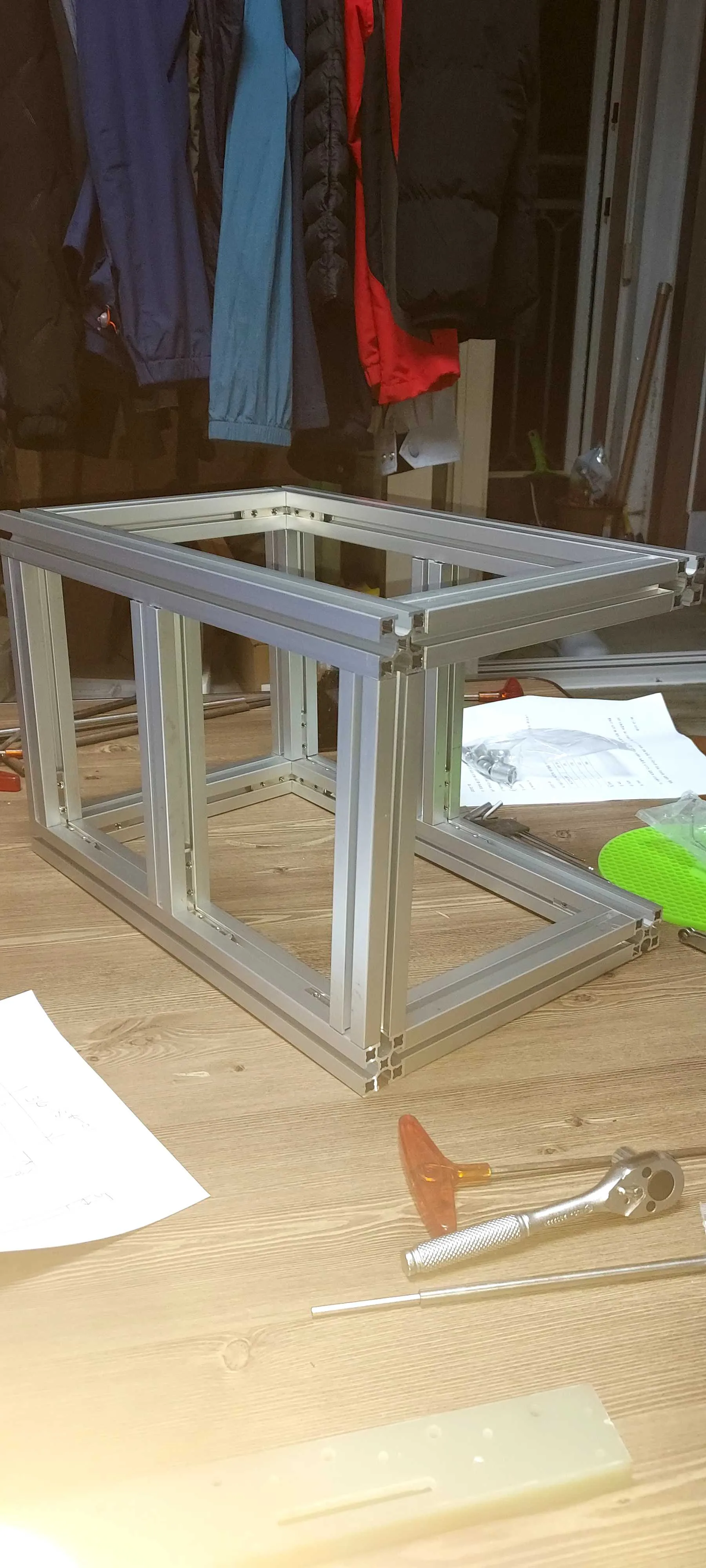
수질 측정 로봇 플랫폼의 첫번 째 단계를 시작했다. 구하기 도 쉽고 단단하며 그렇게 까지 무겁지 않은 알루미늄 프로파일을 통해 직사각형 외경 400mm 내경 340mm 세로 외경 260 내경 200mm높이 외경 260mm 내경 200m지면부터 프로파일 위치까지 160mm 2층 판 200m 200m 의 뼈대를 만들었다
Quest 2: 오드라이브, 모터 설치 및 아크릴 증착
2026.05.20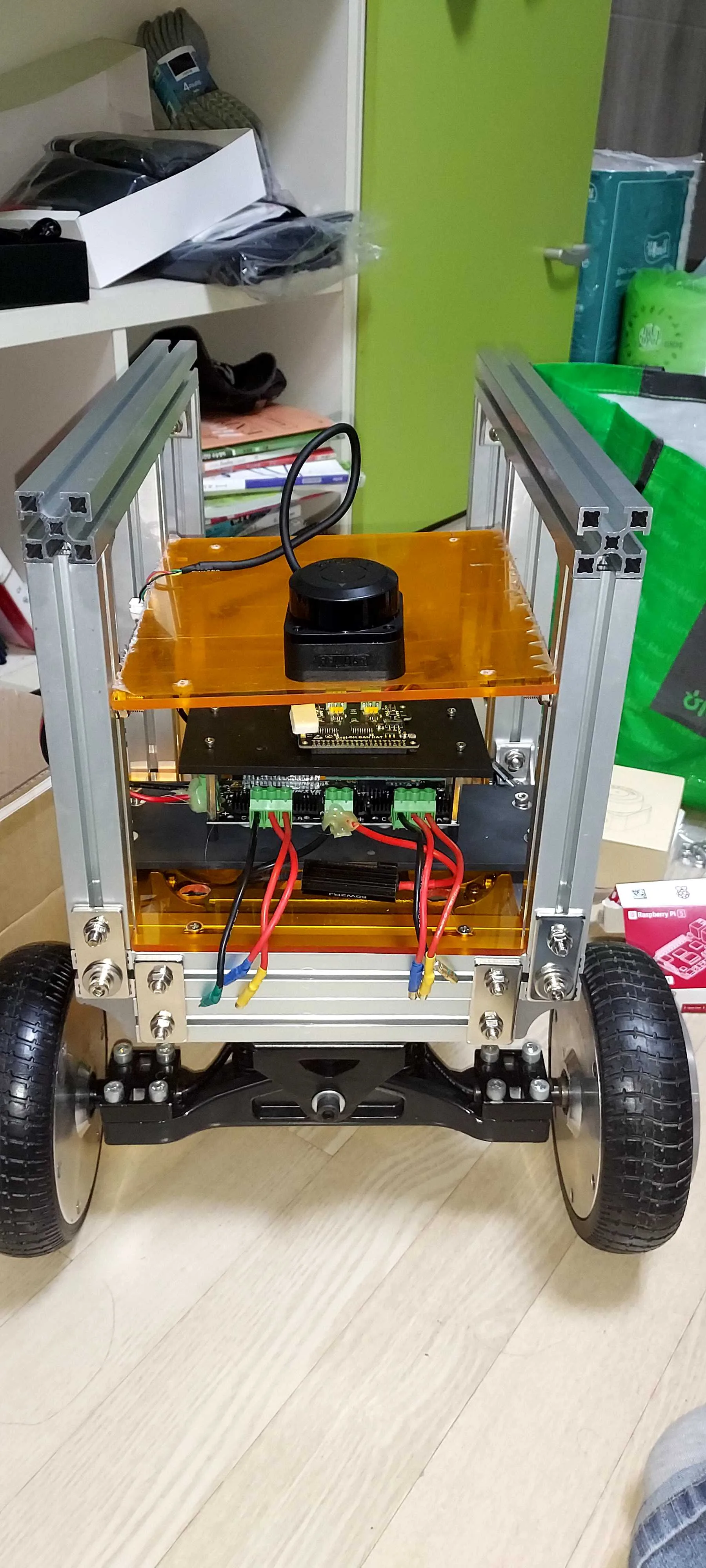
이어서 수질 로봇의 이동을 위하여 36V bldc 모터와 후방 보조바퀴를 장착하고 아크릴 판을 덧대어 제작했다.
Quest 3: 40v 배터리 시스템 구축
2026.05.30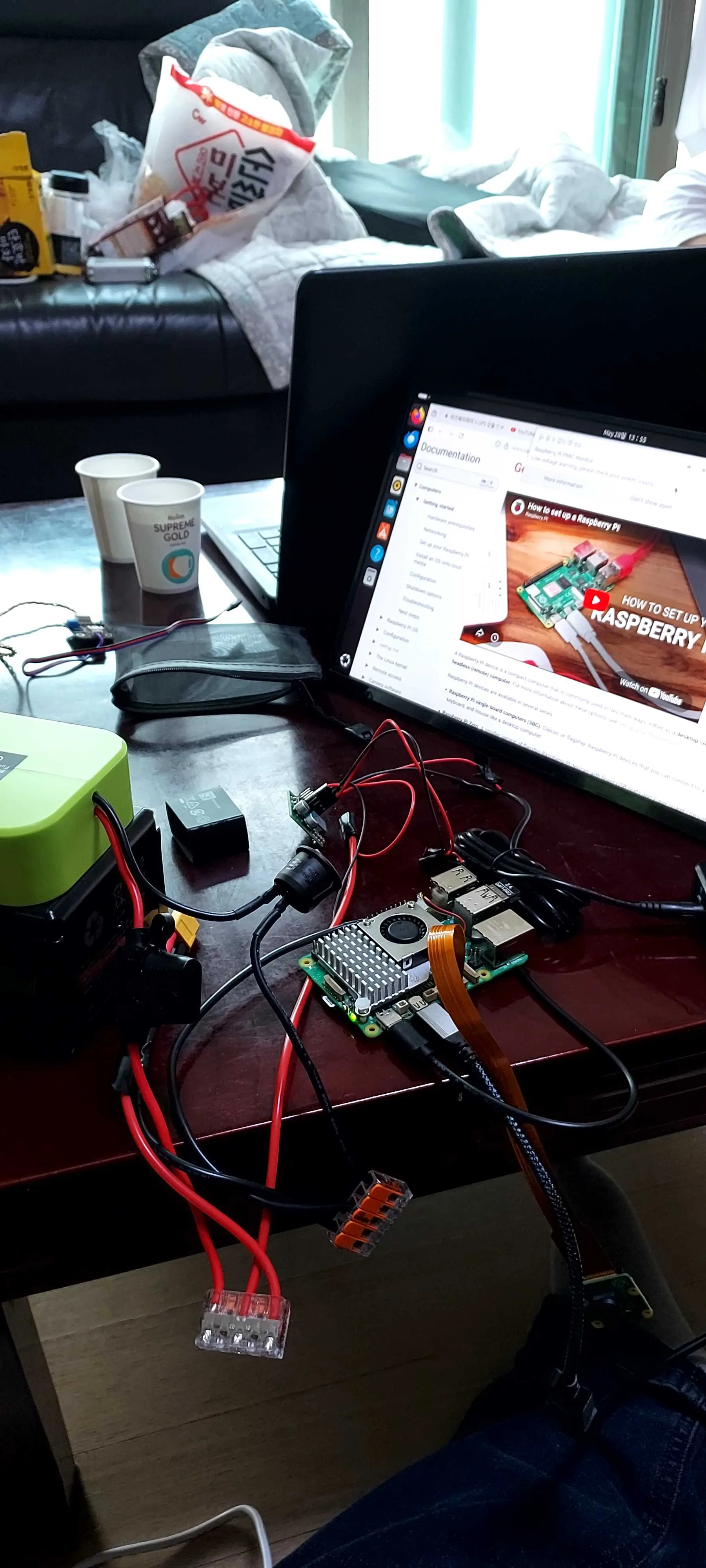
40v 배터리에서 5v 5a를 만들려면 납땜과 어댑터를 사용하여 pololu ragulator에 접속해야 한다. 여기서 접지와 전원의 연결에 주의 해야하며 절연이 부족하여 사람 피부에 닿으면 감전 될 수 있으니 주의가 필요하다. 최종적으로는 인정되지 않은 전원 이라는 경고문이 뜨지만 이후 해결 할 수 있다.
Quest 4: 종합 수질 데이터 측정
2026.06.05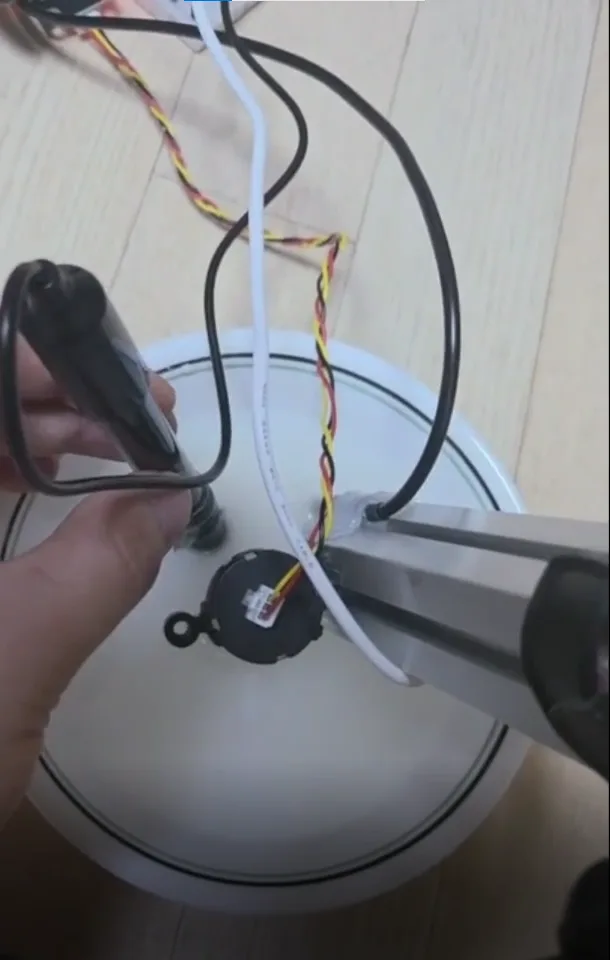
esp32를 통해4가지의 수질데이터를 측정하여 분석한 후 이를 ros 토픽으로 변환 하여 라즈베리파이에 전송할 수 있도록 하였다. 각각의 변화에 따라 수질 위험도를 평가하는 아두이노 코드를 저장하였다. 다음에 이를 한눈에 볼 수 있도록 ui를 사용해 볼 생각이다.
Quest 5: 폭스글로브 ui 활용
2026.06.11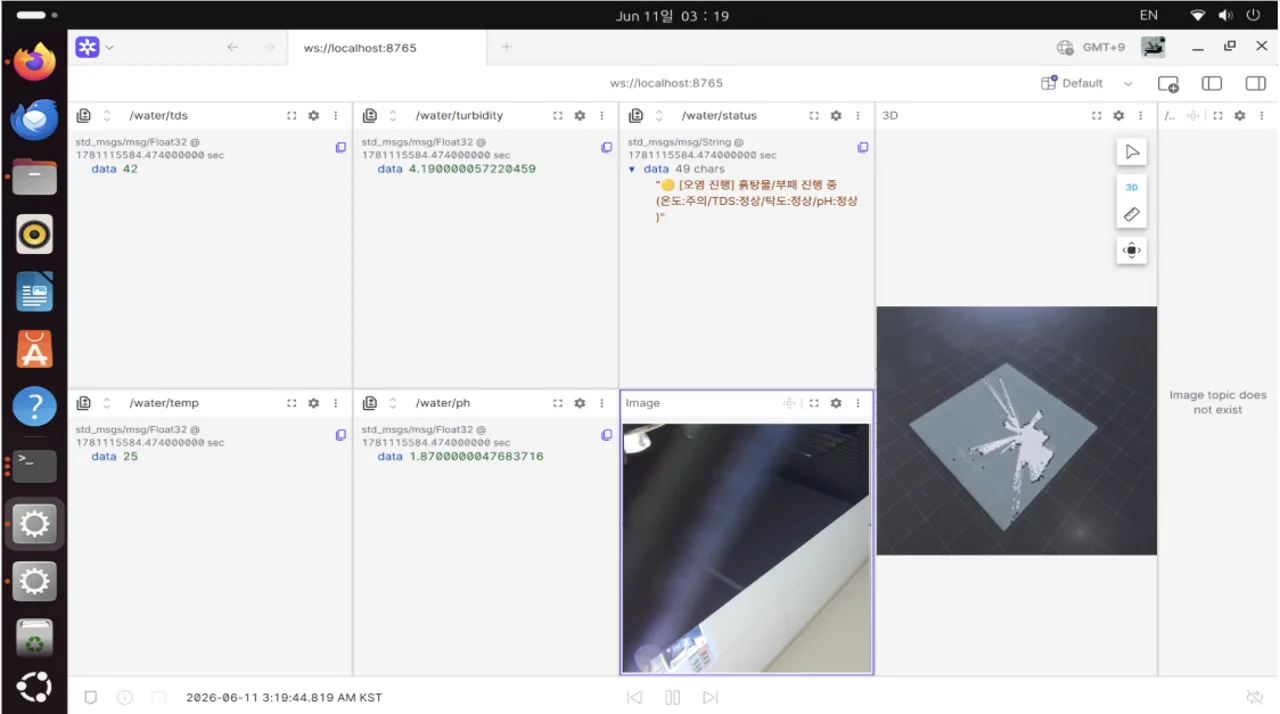
수질 센서의 데이터를 확보 했지만 RIDAR와 라즈베리 카메라, 수질 정보를 다 한번에 볼려면 ui가 필요하다. 그래서 폭스글로브 라는 ros2 오픈소스 ui를 발견했고 여기에 다양한 데이터를 넣어 한눈에 볼 수 있도록 하였다.
Quest 6: 모터 제어 실패 및 can 오류
2026.06.23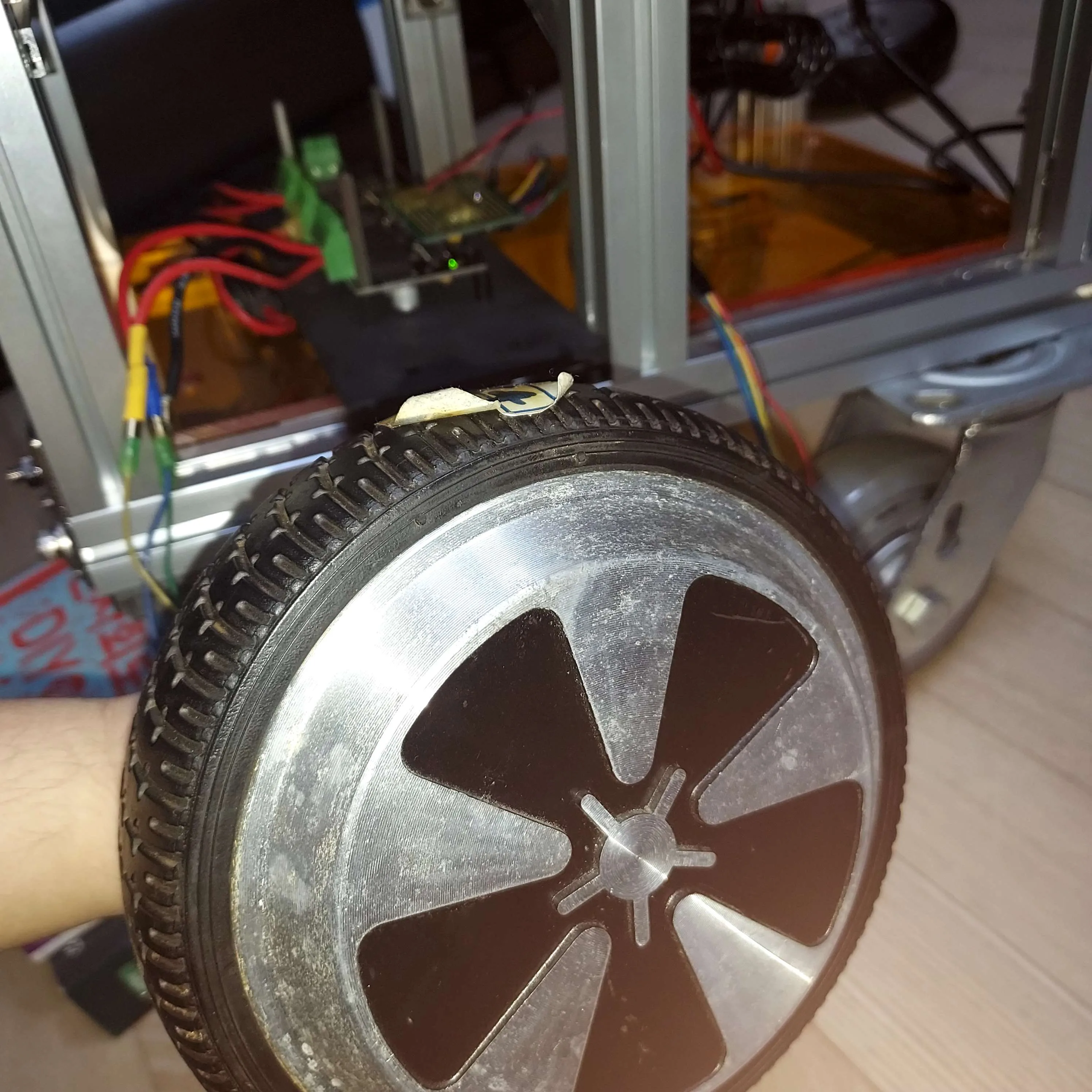
오드라이브는 bldc 모터를 제어하기 최적화된 모터 드라이버다. 그러나 이러한 과정은 전선만 꽂는다고 되는 것이 아닌 집적 최적화 과정을 거쳐야한다. 그러나 ph코드를 통한 최적화 과정도 순탄치 못하였다. 모터 최적화 과정 중 왼쪽 모터가 되면 오른쪽 모터가 안되는 현상도 발견하였다. 이를 발견하여 간신히 수정 하였지만 이번에는 라즈베리파이 can 모듈이 문제였다. 분명 제대로 설치했지만 can 버퍼가 쌓여 라즈베리파이 조차 느려지는 현상이 발견됬다. 모터 제어를 하고 싶었지마 빠른 대책을 강구해야 한다. can 통신이 되지 않으면 라즈베리파이가 모터를 제어할 방법이 없기 때문이다.
Quest 7: can 모듈 hat 설정
2026.07.02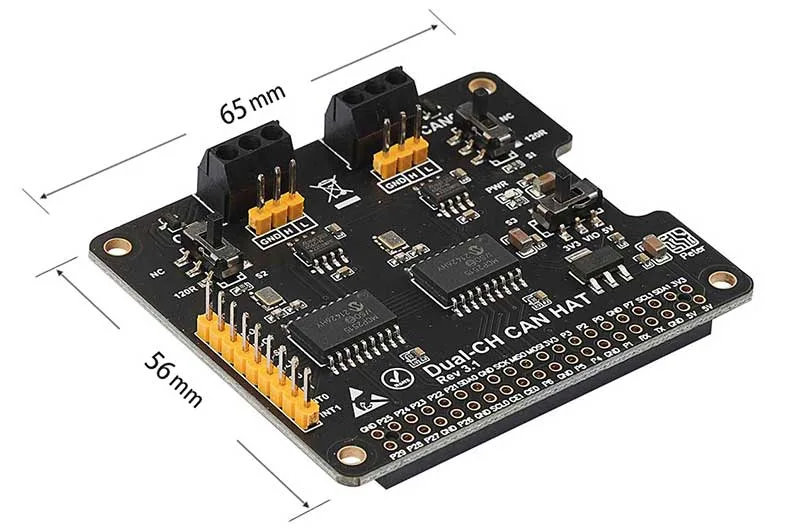
Dual-CH CAN HAT(SeenGreat)의 공식 사이트에 들어가서 라즈베리파이와 연결하여 쓰는 법을 처음 부터 끝까지 다시 해봤다. 그 중에서는 라즈베리파이5와 연결하여 쓰는 공식 라이브러리가 나와있지만 우리의 상황은 라즈베리파이에 우분투 24.04ls를 설치하여 쓰는 것 때문에 상황이 조금 다르며 우분투 노트북이나 라즈비안 에서는 발생하지 않을 버그나 오류가 쉽게 발견된다. dtparam=spi=on dtoverlay=mcp2515-can0,oscillator=16000000,interrupt=25 dtoverlay=mcp2515-can1,oscillator=16000000,interrupt=24를 통해 spi의 진동 통신 속도를 설정 해주고 sudo ip link set can0 type can bitrate 250000 sudo ifconfig can0 up 으로 오드라이브 공식 통신 속도를 다시 맞춰주며 can통신을 해결하였다.
Quest 8: 오드라이브 모터 키보드 제어
2026.07.14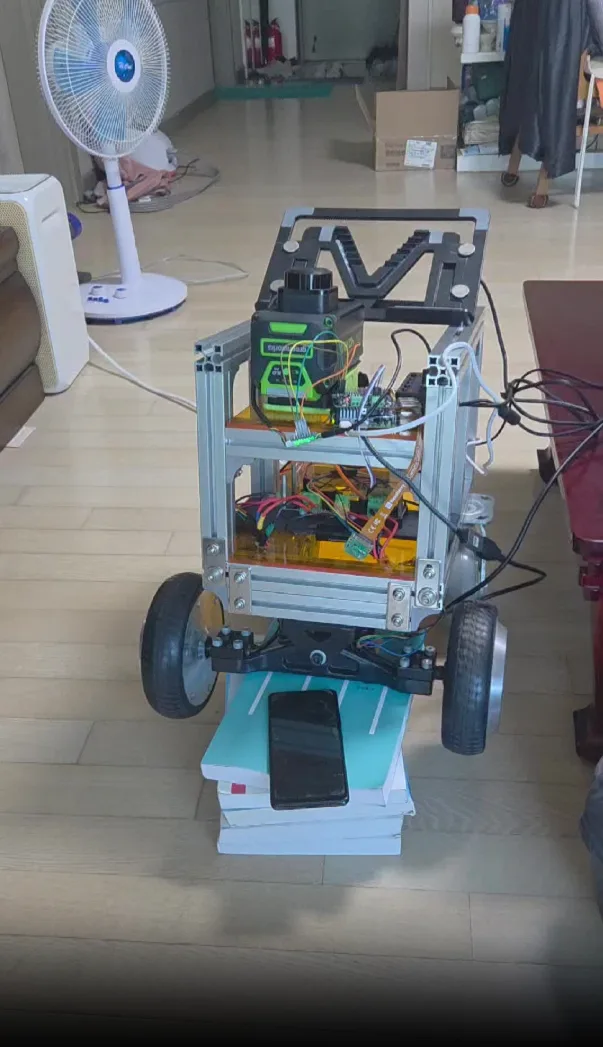
저번에 오류 해결한 can통신을 통해 ros2의 ws를 복사하여 터미널에 복사 할 수 있는 사실을 알았다. 많은 오류는 워크 스페이스가 아닌 다른 저장공간에서 작동하여 발생한 오류가 많아 이를 해결하기 위해 ws 코드를 수정 하여 키보드로 제어 할 수 있도록 하였다. 그러나 키보드나 마우스를 언제까지 유선으로 달고 작동 할 수 없고 라이다에 사람이 걸리기 때문에 원격 통신 방안을 마련해야 한다.
Quest 9: slam 초기 작업
2026.08.05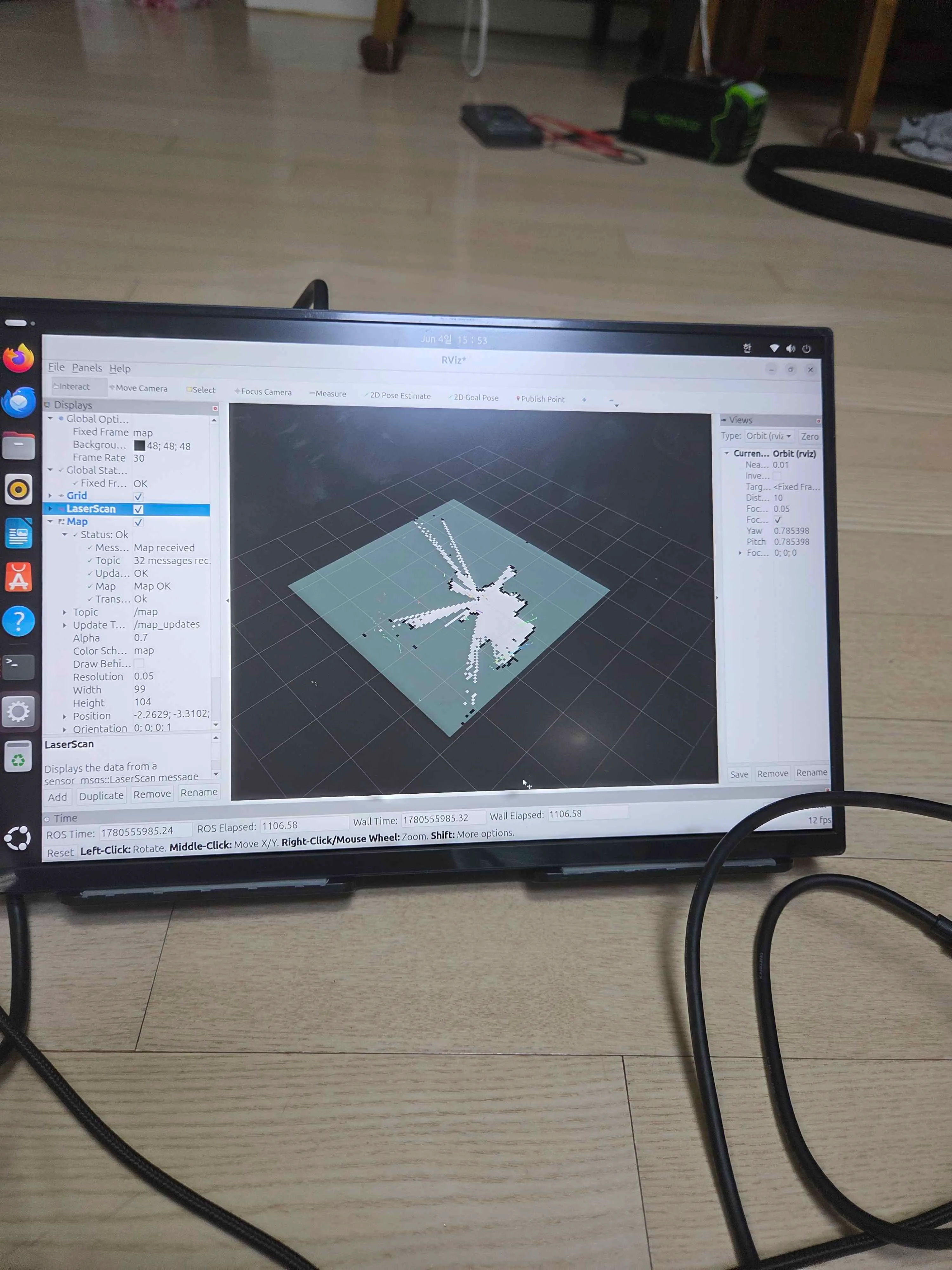
저번 작업에서 조작제어에는 성공했으니 이번에는 slam을 해봐야 할 차례이다. slam은 라이다와 imu센서를 사용한다. 먼저 ros 공식 배포 패키지에는 slam이 제공된다. 우리는 그것을 사용하여 slam을 사용할 것 이다. 그러나 slam 중 imu 센서와 연동이 불안정 하여 map 상 사라지는 현상이 발견 되었다. 최대한 빨리 이 오류를 해결해야 한다. 그러나 1차적인 테스트는 성공적 이라고 생각한다.
Quest 10: nav2 오류 발견
2026.08.19slam은 잘 작동한다. 사람의 손으로 끌어도 매끄럽게 저장이 잘된다. 단 한가지 아쉬운 점이면 제작 초기에는 몰랐지만 자율 주행같은 미세 운전에는 사람들이 보통 생각하는 자동차의 궤적이 아니라 뒷바퀴가 360도 회전한다는 점 이다. 따라서 운전에는 약간의 차질이 생긴다. 그러나 이는 주의 할 점으로 생각한다. 그러나 nav2를 실행하는 과정에서 시작점과 도착점을 지정해도 모터가 움직이지 않는다. 이는 큰 문제점이다 최대한 빨리 이 문제를 수정해야 한다.
Quest 11: nav2 오류 수정
2026.09.08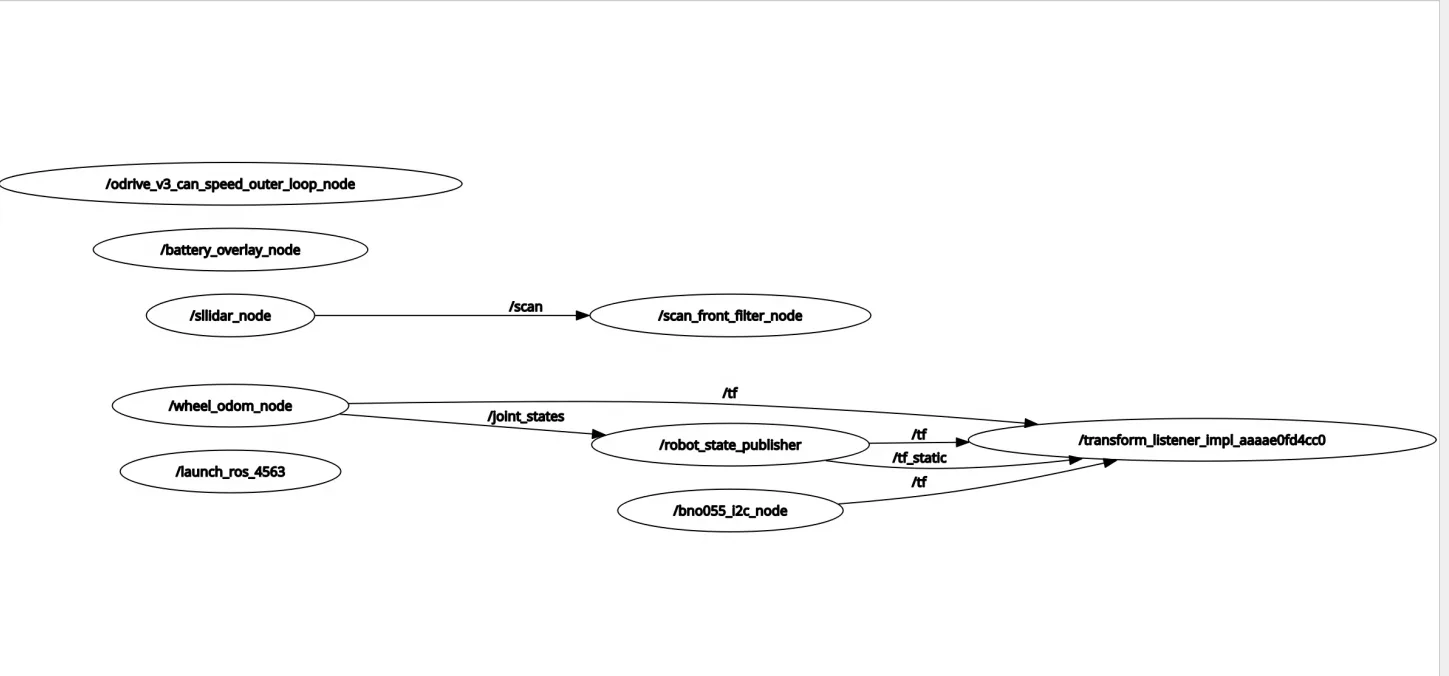
계속 문제점을 찾다 rgp_graph 명령으로 토픽의 내용을 확인 해 봤다. 결과는 ros2 토픽이 단절된 현상을 발견했다. 코드를 수정하며 확인 하니 ros2 run topic이 cmd_vel_smoothed 를 읽지 못하는 것으로 확인 하여 ros2 run topic_tools relay /cmd_vel_smoothed /cmd_vel을 사용하여 응급처치하였다. 이는 ws에서 전체적인 수정을 하여 빌드업 해야하기 떄문에 급하게 처리하였다.
Quest 12: 우분투 노트북 원격 제어
2026.09.24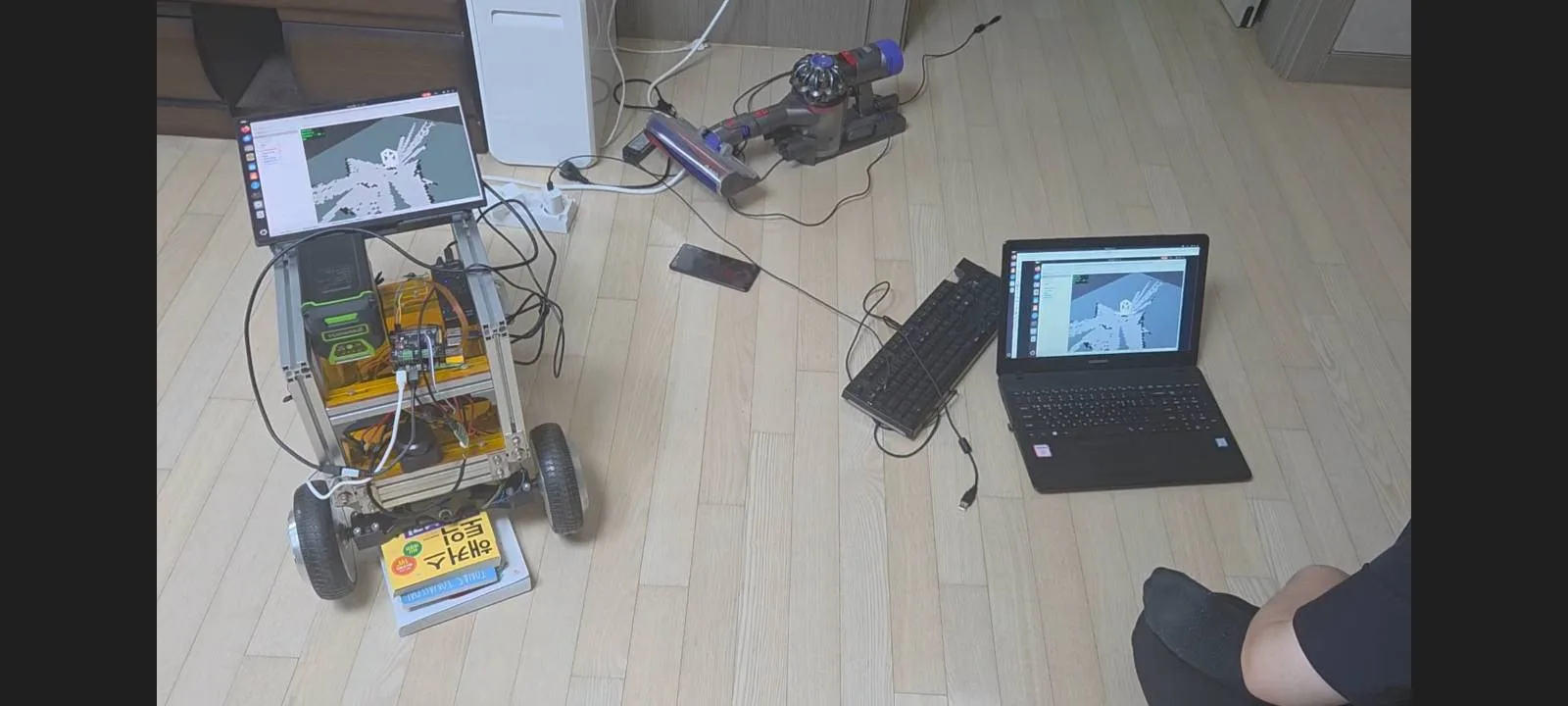
수질 로봇 플랫폼에 마우스. 키보드를 연결하여 다니면 로봇의 의미가 없다고 생각한다. 해결방법을 찾아본 결과 삼성 노트북에 우분투 24.04ls를 설치하고 이를 같은 ip주소에 묶어놓으면 레미나 원격 데스크톱으로 조작할 수 있다. 따라서 노트북을 사용하면서 원격조작으로 사용할 수 있도록 레미나 클라이언트를 터미널을 통해 다운로드 했다.
Quest 13: omx 로봇팔 제어
2026.10.01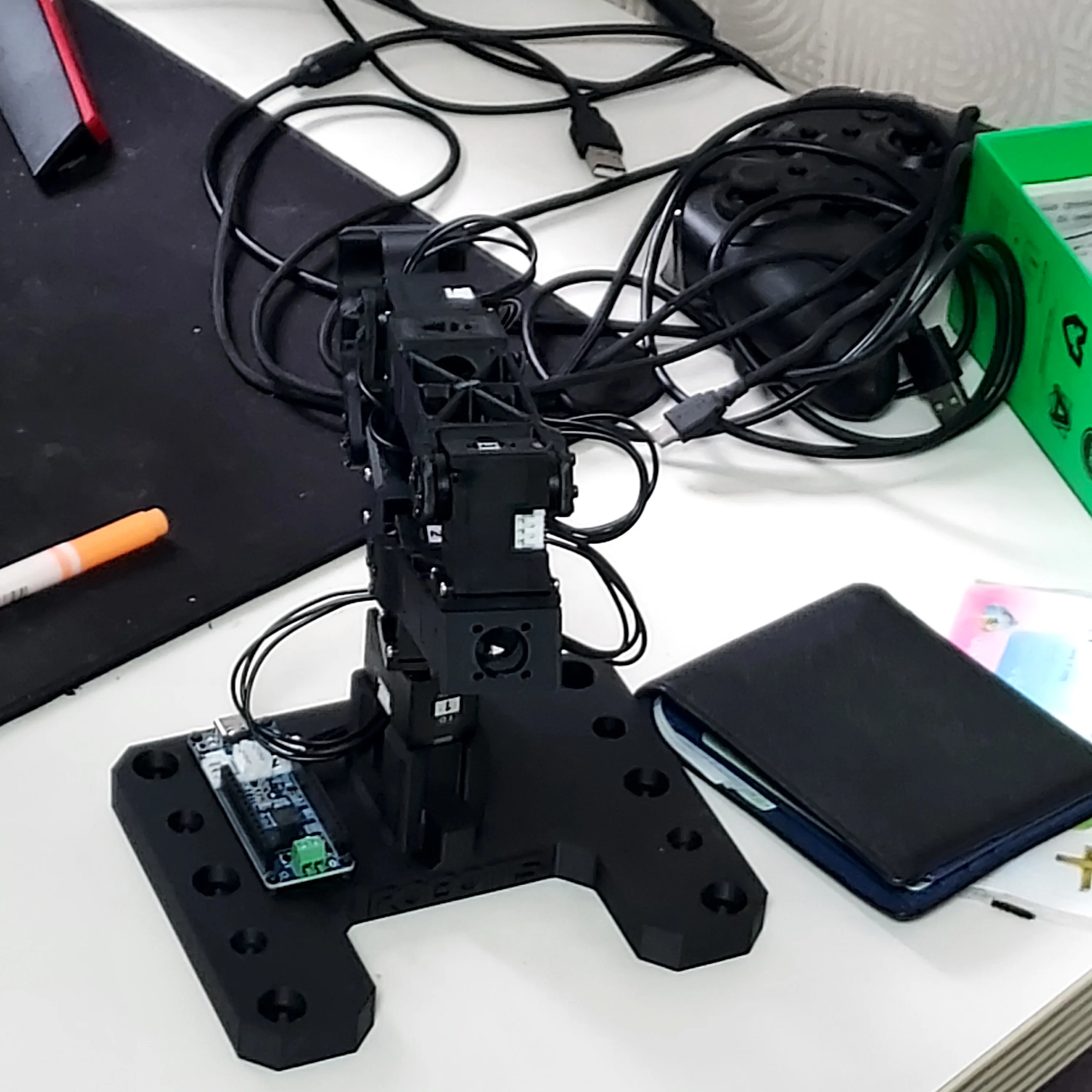
로보티즈 회사의 omx 로봇팔을 구입 및 장착한 후 테스트를 진행 하였다. omx-ai는 제노 데몬이라는 통신 수단을 사용하고 독커를 통해 설치한다. 리더를 움직이면 팔로워를 따라가게 만들어야 한다. 특히 로봇에서 교류 전원을 사용할 수 없기 때문에 40v 배터리에서 12v 5a로 변환 할 수 있는 어댑터와 dc변환 RT케이블도 구매 하였다.
Quest 14: 마지막 제출
2026.10.05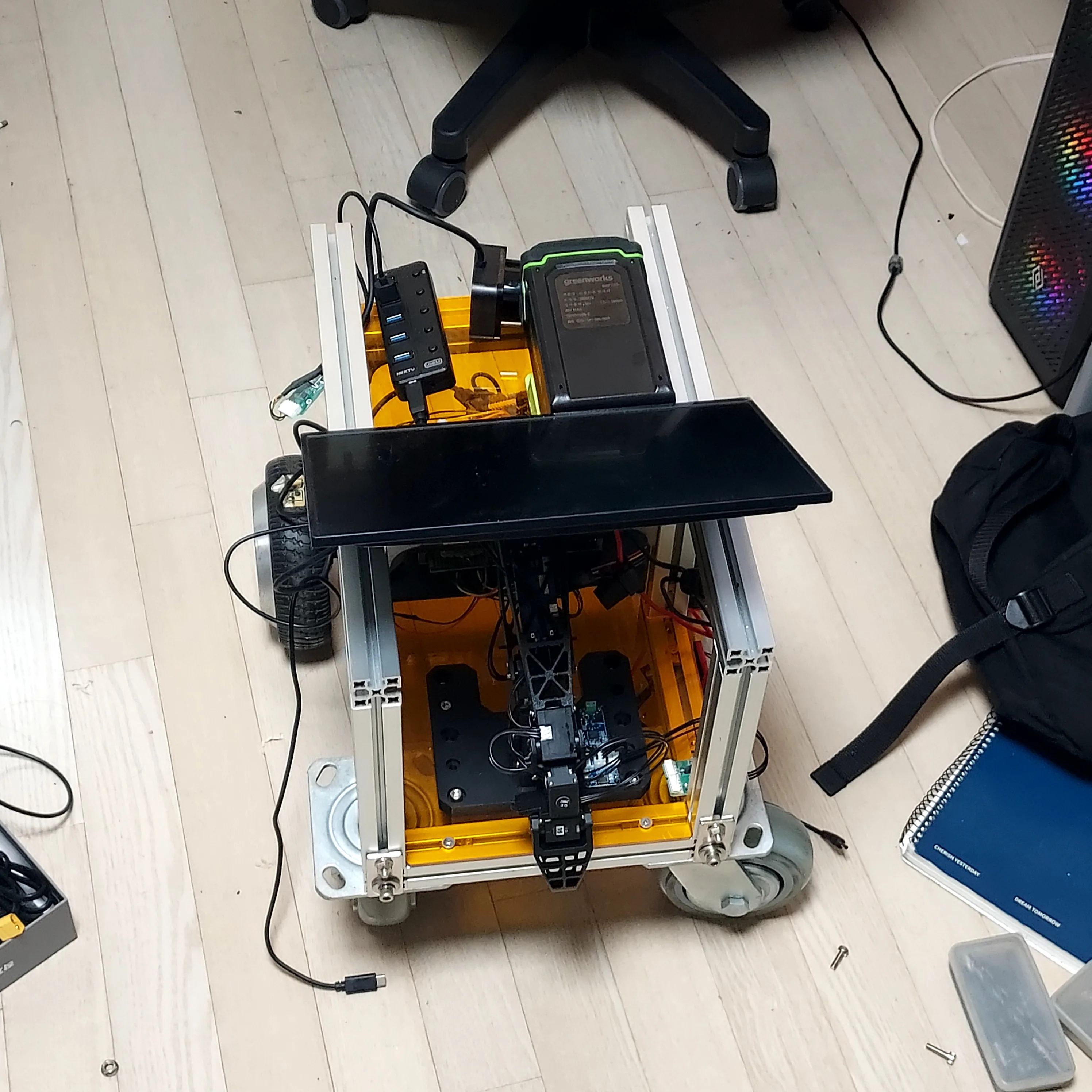
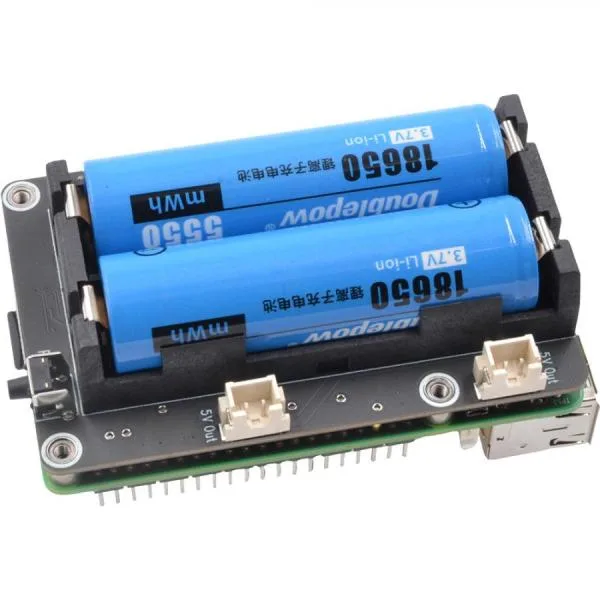
omx ai 로봇팔을 설치하고 자율주행을 하며 로봇팔을 작동하여 수질 프로브를 운용할 수 있도록 해보았다. 로봇 플랫폼의 이동 과 로봇팔 운용에는 문제가 없었지만 같이 활용할려면 라즈베리파이의 저전력으로 재부팅 되는 오류가 있다. 따라서 해결방법은 라즈베리파이5 배터리 ups를 장착하여 전원을 분리하는 것 이다. 또한 생각보다 프로브가 무거워 부하가 걸리기 때문에 좀더 가볍게 개선할 필요가 있다고 생각한다.
최종 정리
최종 요약
■ Project Overview
Multi-purpose robot platform integrating water quality sensors and LIDAR autonomous driving
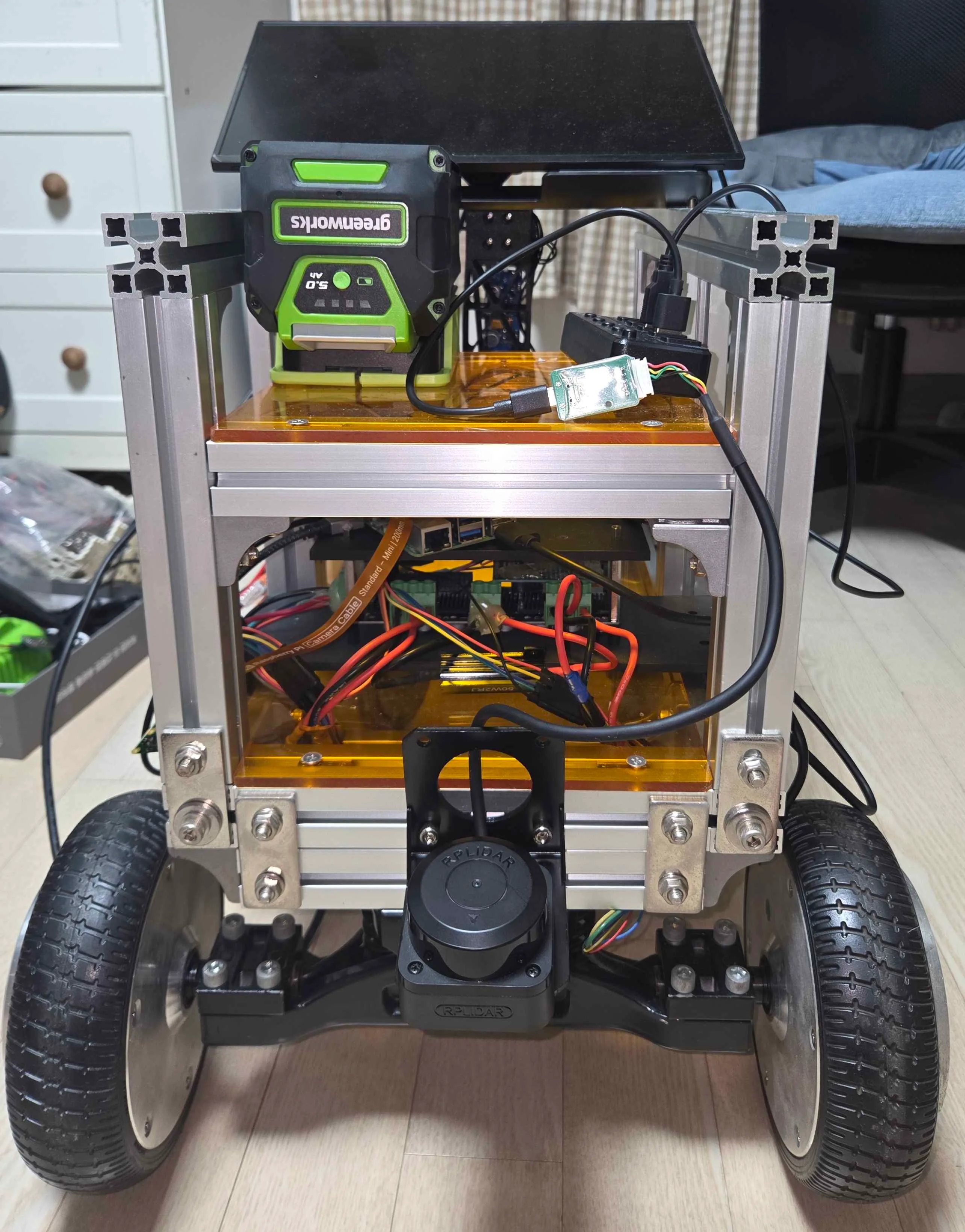
■ Key Achievements and Features
Through distributed control using embedded computers, Raspberry Pi 5, and ESP32, the architecture allows Raspberry Pi to focus on motor control while water quality data analysis is handled through ESP32 topics. With motor control capability, manual operation enables high-speed maneuvering, and by creating maps through ROS2 SLAM and integrating ROS2 NAV2, the robot moves toward target waypoints where it can perform missions via water quality sensor probes attached to the rear and an OMX robot arm. The built-in camera can identify surrounding environments, and the measured data values are processed and transmitted to an Ubuntu notebook.
■ Future Improvement Plans
Although manufactured for outdoor use, we believe SLAM and NAV2 find it difficult to control the numerous variables present in outdoor environments. The system is closer to a manned auxiliary robot rather than a fully autonomous robot. To address this, we recognize the need for better autonomous driving algorithms, vision cameras, and AI implementation. Currently, when operating the water quality sensor, the robot arm must be mounted together, so if the water quality probe is installed, independent missions of the robot arm cannot be performed. However, we are developing a method to install the water quality probe on the outer perimeter of the robot platform with springs so that the probe can be operated and stored simultaneously, allowing the robot arm to operate independently. Finally, the initial plan included water quality disinfection as well. While this is important, it has lower priority and requires more time, so it was not implemented in this phase. However, since the water quality robot platform was designed with external form to perform multi-purpose missions, we believe it can be designed to expand power supply capacity further, and smaller modular components can be mounted on acrylic and aluminum profiles. We also recognize the need for an independent power system, so we plan to add a UPS battery module immediately.
프로젝트 갤러리
프로젝트 제작 과정과 최종 결과물을 담은 이미지 갤러리입니다.
프로젝트 소개
목표 및 제작 동기
In recent years, due to global warming and climate change, irregular localized heavy rainfall has been increasing, leading to rapid formation of closed water puddles, subsurface road areas, and zones around aging sewage pipelines throughout urban infrastructure. These water bodies serve as major breeding grounds for mosquito larvae and act as key sources of waterborne viruses and pathogenic microorganisms, posing threats to surrounding environments and public health systems. Additionally, in regions or countries lacking basic water and sewerage infrastructure rather than advanced facilities, environmental and health risks manifest with higher mortality rates in remote areas and developing countries. However, due to practical constraints in operating real-time measurement equipment to determine water resource contamination and large-scale purification facilities, there is a need for independent mobile equipment not bound to large-scale facilities that can prevent the initial spread of waterborne infectious diseases.
To remove environmental hazards in urban blind spots and facility-deficient areas, manual pest control methods have primarily been performed, with pest control personnel directly accessing sites for visual measurement and chemical spraying. However, spatio-temporal blind spots exist in areas physically inaccessible by personnel, such as overgrown streams, undersides of bridges, wetlands, or valleys, limiting intensive surveys. As an alternative, aerial pest control methods using unmanned aircraft have been attempted, but face practical limitations such as Korean aviation law regulations and high costs compared to equipment of equivalent weight. Additionally, in remote areas where infrastructure is not fully established, such as GPS-blocked areas under large bridges, shadow zones of structures, heavily forested areas, and regions with insufficient communication networks, there are practical constraints preventing drone control and operation.
The method proposed in this research involves manufacturing an autonomous mobile robot platform with mobility, and additionally equipping it with sensors and end-effectors capable of performing specialized tasks on the robot body, enabling repeated installation and expansion to perform missions according to objectives. The research aims to demonstrate the effectiveness of water quality measurement and pest control systems through autonomous mobile robots capable of independent operation via edge computing even in areas with poor infrastructure.
[Expected Effects]
Eliminating blind spots through technology
1. By having robots continuously manage riparian environments in underdeveloped areas where regular maintenance is difficult, odors, insects, and algal blooms are suppressed and prevented, providing pleasant environments.
2. Direct contact with stagnant dangerous water or entry into hazardous zones is prevented, allowing robots to perform purification work instead.
3. By providing water quality status through intuitive apps or voice guidance, personnel with low information accessibility can verify in real-time the safety of water sources and necessary work in their surroundings.
Technical aspects
1. Existing environmental management facilities and robots show high accuracy in infrastructure-dense areas, but face challenges in deep mountain puddles, countries with insufficient electrical infrastructure, and harsh terrain where environmental management personnel are difficult to deploy.
2. Through intelligent autonomous patrols and water quality measurement data processing, extensive riparian areas can be monitored 24 hours without personnel deployment.
Economic and environmental aspects
1. By detecting and purifying algal blooms, pollutants, and harmful insects at an early stage, large-scale water contamination is prevented and substantial future restoration costs are reduced.
2. Collected data is provided to local governments to establish environmental management policies based on data and facilitate budget execution.
3. Small robots perform risky and repetitive riparian purification tasks instead, eliminating the need for personnel to directly perform or deploy additional workforce.
4. For riparian areas where large corporations' water purification systems are difficult to manage, water quality measurement and purification robots made with low budgets can be deployed in large quantities to handle extensive natural environments cost-effectively and reliably obtain water quality data over wide areas.
프로젝트 컨셉
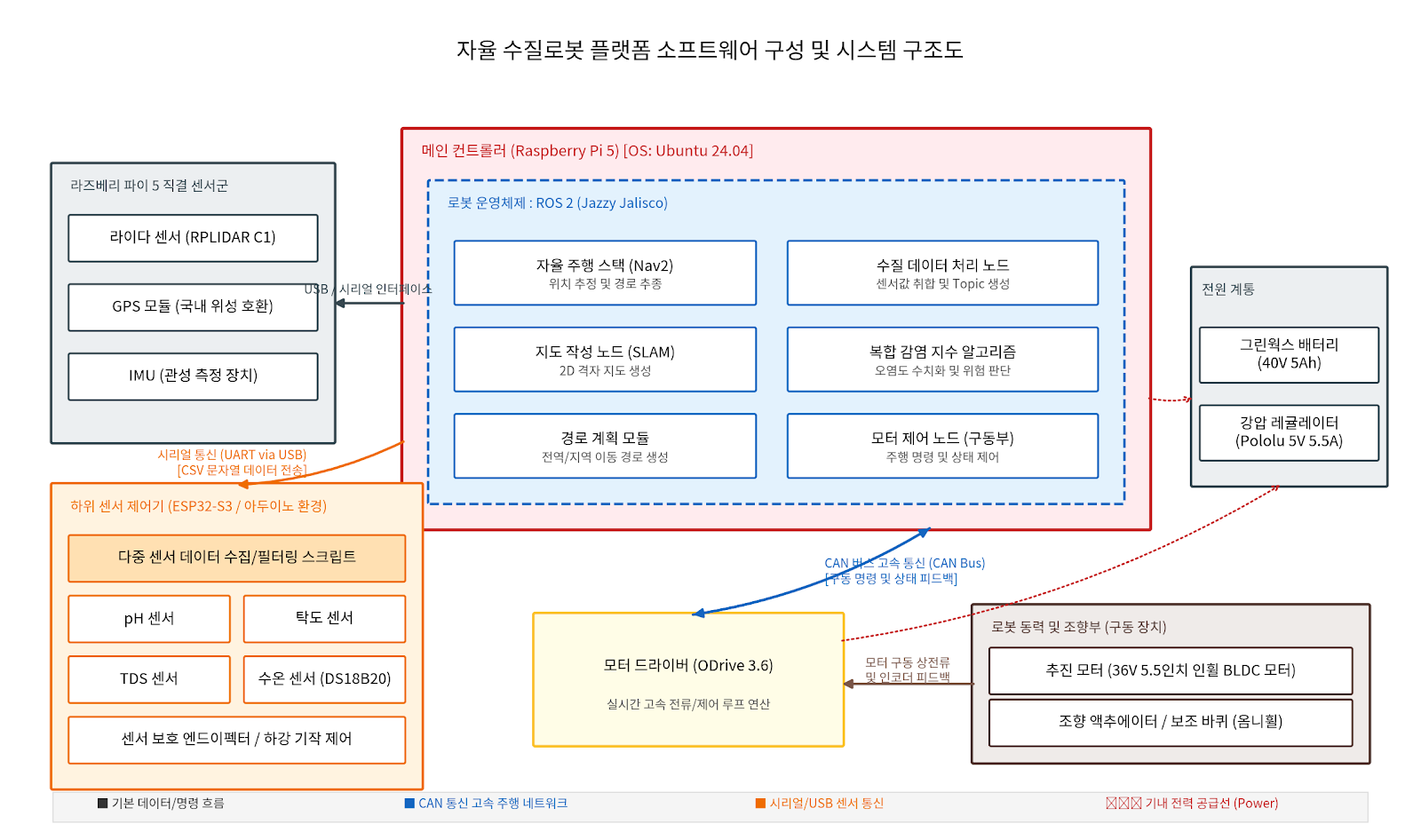
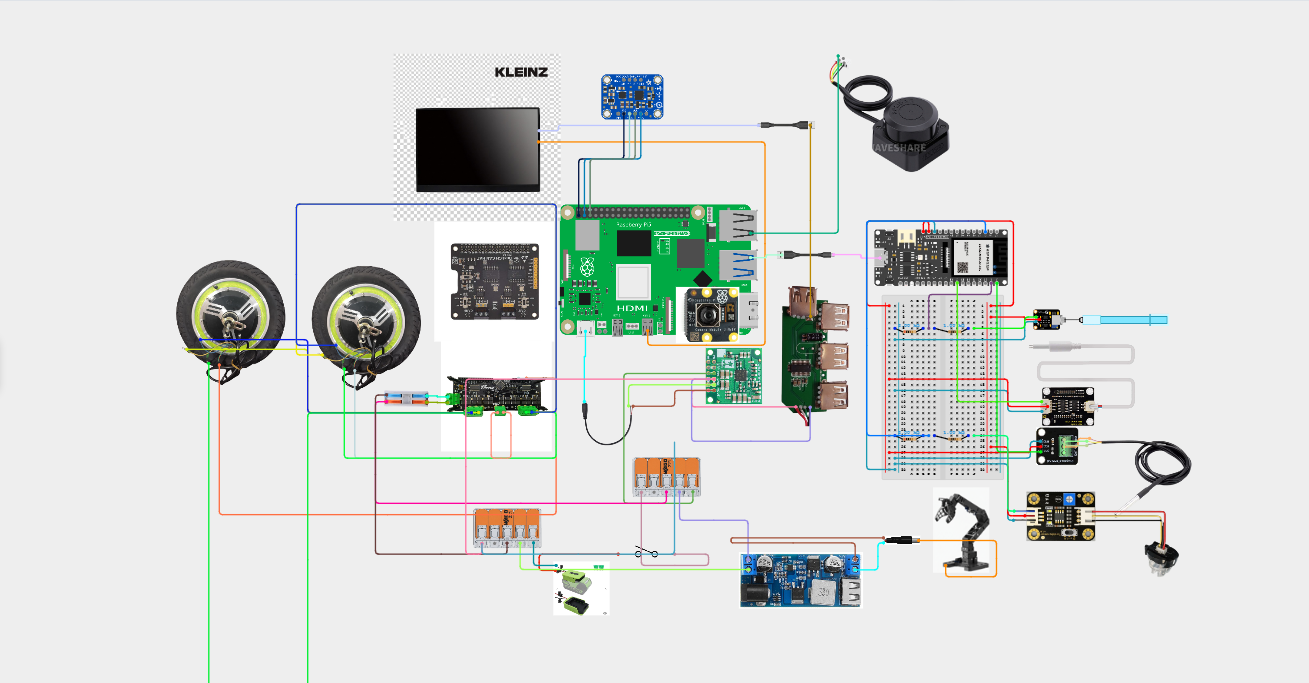
ROS2 Jazzy 기반의 레이더 맵핑 및 전역 경로 계획을 전담하는 상위 제어기인 Raspberry Pi5와 다중 센서 데이터 수집 및 액추에이터 제어를 수행하는 하위 제어기인 ESP32-S3 기반의 이중 제어 구조를 구축하였다. 로봇의 기동 프레임은 하중 지지와 강성 확보에 유리하고 확장성과 가격이 상대적으로 좋은 3030 기반의 알루미늄 프로파일을 기반으로 제작하였으며 아크릴 판을 덧대어 회로기판과 전력계통을 설치할 수 있도록 설계하였다. 동력계는 ODrive 3.6 드라이버로 제어되는 36V 5.5인치 인휠 모터와 주행 안정성이 검증된 6인치 보조바퀴를 조합하여 최적의 주행 안정성을 확보하고 LIDAR C1 센서를 활용한 주변 환경의 SLAM 레이더 맵핑 및 NAVI2를 통한 자율주행 알고리즘을 설치하여 이를 활용해 4종 복합 수질 센서로부터 취합된 센서 데이터를 ROS2로 토픽을 통해 가공하고. 여기서 더 나아가 센서 프로브를 안전하게 운용하기 위한 엔드이펙터 구조를 설계하고 있으며, 초동 방역 목적의 UV-C 소독 모듈 외에도 오염 영역의 정화를 위한 소독약 투하 매커니즘, 산소 공급을 위한 공기 공급 장치 등 다각적인 방면에서 정화기법의 연동 및 추가 장착 등 상황에 맞는 모듈을 장착할 수 있도록 개발한다.
[개발 역량]
3D프린터 모델링, 하드웨어 제작 및 가공, 설계 및 제작, ROS2 Jazzy 활용능력, 라즈베리 파이 프로그래밍, C/C/파이썬, LIDAR 활용능력
[지원 동기]
리눅스, ROS2 등 처음부터 배워야 할 것이 많지만 프로젝트를 개발하고 완수하면서 많이 배우고 완성 시키겠습니다.
주요 기능
- 로봇 플랫폼 — 견고한 알루미늄 프로파일 과 아크릴을 사용하여 몸체를 제작하여 실내뿐 만 아니라 야외 에서도 사용할 수 있도록 제작함 과 동시에 여러 추가 모듈을 장착 할 수 있도록 후면 공간을 예비로 마련했다.
- 임베디드 컴퓨터 — 라즈베리파이5 16gb에 우분투 24.04 LS ros2 jazzy를 설치하여 로봇 프로그래밍 기초를 설립하고 많은 부하를 분산하기 위해 수질센서를 전담하는ESP32-S3와 ROS 토픽으로 통신, 모터를 제어하는 Odrive v3와 can통신 모듈을 설치하며 이 모든 것을 외부 우분투 노트북에서 원격 통신 및 토픽을 전송받을 수 있다.
- Odrive 모터 수동 제어 — Odrive 모터를 수동으로 제어 할 수 있다. 리니어 속도 와 앵글 속도를 설정 할수 있고 원격 제어가 가능하다.
- RIDAR SLAM — 슬렘텍 회사의 라이다 c1를 사용하여 RVIZ와 연동하여 SlAM을 사용할 수 있다. 슬램은 라이다를 통해 로봇이 이동할 수 있는 맵을 만드는 것이며 이를 저장하여 활용 할 수 있다
- RIDAR NAV2 — 슬램을 통한 맵을 활용하여 RVIZ 화면 내에서 로봇의 이동과 도착방향을 설정할 수 있다. 이는 RIDAR와 연동하여 가로막는 장애물을 회피할 수 있다
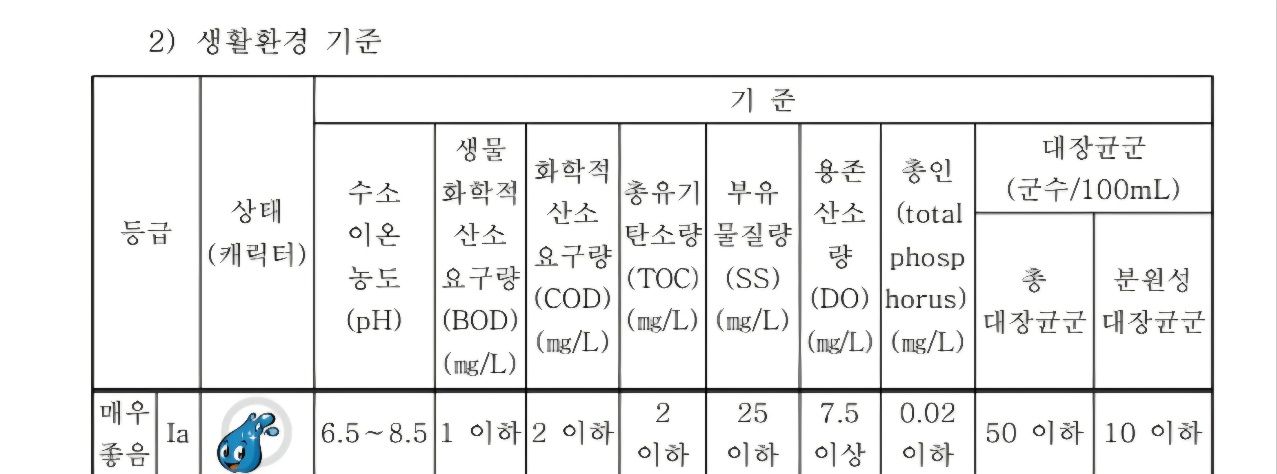
- 수질 센서 프로브 — 수온, 탁도, tds(수질 전해도), ph 등 4가지의 수질 정보 를 동시에 취득하고 이를 데이터 분석하여 esp32에 토 픽으로 전송하여 라즈베리파이5에서 분석 할 수 있다.
- omx 로봇팔 — 로보티즈 회사의 omx 로봇팔을 사용하여 3d 프린팅 출 력 후 준수한 성능의 로봇팔을 후면에 부착하여 사용할 수 있다. 리더 를 통해 팔로워를 원격 조작 할 수 있으며 프로브의 이동을 돕거나 로봇팔의 임무를 할당하여 사 용가능 하다.
댓글 0개
아직 댓글이 없습니다. 첫 댓글을 남겨보세요!