전기차 리튬이온배터리 성능 저하 원인 밝혀져
기사입력 2019.12.17 09:45
KIST, 배터리 급속 충·방전 인한 성능 저하 규명
전극 소재 성능 저하 메커니즘 분석 플랫폼 구축
전기차용 차세대 배터리 소재 설계 발판도 마련
전기차 보급이 확산하면서 동력원인 리튬이온배터리의 성능 및 수명 유지에 관심이 쏠리고 있다. 전기차 리튬이온배터리는 기존 소형 리튬이온배터리와 달리 급가속 등 고출력이 필요한 상황에서도 문제없이 사용 가능해야 한다.
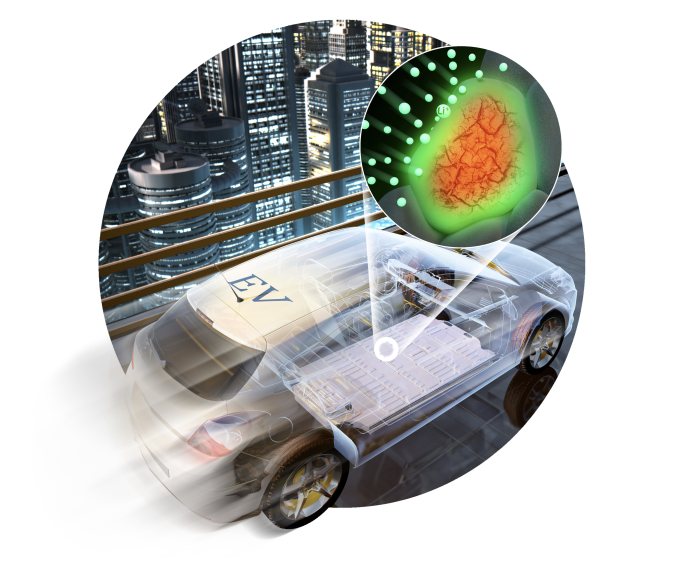
▲전기차 리튬이온배터리 성능 저하 원인 밝혀져 (이미지=KIST)
한국과학기술연구원(KIST) 에너지저장연구단 장원영 박사, 전북분원 탄소융합소재연구센터 김승민 박사 공동연구팀은 전기차용 리튬이온배터리의 급속한 사용 시 전극 소재의 변형과 전기화학 성능 저하 정도를 규명할 수 있는 플랫폼을 구축했다고 지난 3일 밝혔다.
리튬이온배터리를 고출력으로 사용하면 배터리가 급속도로 방전된다. 이렇게 급속하게 충·방전되는 조건에서는 완속 충·방전 시에 얻을 수 있는 전지의 용량보다 훨씬 줄어드는 문제점이 발생한다.
이러한 고출력 충·방전의 반복은 결국 리튬이온배터리의 수명을 감소시켜 전기차 시장 확대를 어렵게 하는 원인이었다.
KIST 장원영 박사 연구팀은 이전 연구에서 3원계(Ni, Co, Mn) 양극(+) 물질 소재를 분석하여 리튬이온배터리를 급속으로 충전할 때 일어나는 전지의 성능 저하를 분석할 수 있는 플랫폼을 구축한 바 있다.
이번에는 다른 양극 물질인 ‘하이-니켈계 소재(NCA)’를 분석하여 배터리의 과도한 사용으로 인해 빠르게 방전될 때 일어나는 성능 저하를 규명했다.
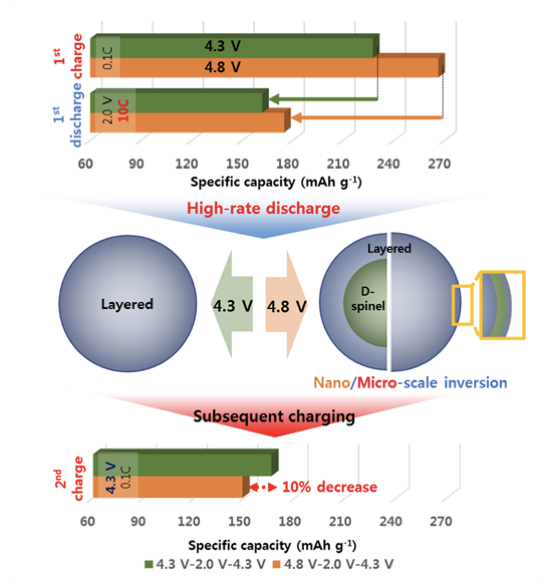
▲전기차 전극 소재인 니켈계 양극재(NCA)의 고율 방전 시
전압 조건에 따른 전지 용량 감소 변화와
표면 및 벌크 내부구조 변화와의 상관관계 (이미지=KIST)
전압 조건에 따른 전지 용량 감소 변화와
표면 및 벌크 내부구조 변화와의 상관관계 (이미지=KIST)
연구팀은 리튬이온배터리의 급속 충·방전 등 전기차의 다양한 주행환경에서 작동 오류 및 안전사고를 초래할 수 있는 전극 소재의 변형을 분석했다.
이를 통해 급가속 등의 빠른 속도의 방전 현상은 양극으로 전달되는 리튬이온의 양을 제한하며, 이 결과로 불완전하게 회복된 전극 물질의 내부 변형이 결국 전지 용량 감소와 수명 단축의 요인임을 밝혔다.
고용량 사용을 위해 고전압으로 충·방전을 하게 되면 이러한 전극 구조의 불안정성이 더욱 높아지는 것도 확인됐다.
연구팀은 성능 저하로 이어지는 전극 내부구조에서 일어나는 미세한 초기변화를 다양한 범위에서 한눈에 확인할 수 있는 전지 소재의 성능 저하 분석 플랫폼을 확립하였고, 전지 소재의 성능 저하 메커니즘을 규명하였다.
장원영 박사는 “이번 연구를 통해 전기차의 급가속 시 불규칙한 전지 소재 내부 변형으로 인한 배터리 성능 저하 메커니즘을 밝혀냈다”라며, “이를 바탕으로 향후 급가속 시 배터리 성능에 문제가 없는 안정된 배터리 소재를 개발할 것”이라고 밝혔다.
한편, 이번 연구는 과학기술정보통신부 지원으로 KIST 주요사업과 한국연구재단 중견연구자지원사업으로 수행되었으며, 연구결과는 화학 분야 국제학술지 ‘Angewandte Chemi’ 최신호에 표지 논문으로 게재될 예정이다.
이수민 기자
관련뉴스
-
슈나이더 일렉트릭, 내장 스마트 배터리 모듈 갖춘 '갤럭시 VS 3상 UPS' 첫 버전 발표
슈나이더 일렉트릭이 내장 스마트 배터리 모듈을 갖춘 갤럭시 VS 3상 무정전 전원 공급장치의 첫 번째 버전을 발표했다. 갤럭시 VS는 설치가 간편한 모듈식 3상 UPS로 IT 시설, 상업 및 산업 시설의 중요 전력 요구사항에 부합하도록 설계되었으며 최대 99%의 에너지 효율성을 제공하여 지속 가능한 비즈니스 성과를 보장한다.
2019-12-03 오후 2:18:25by 이수민 기자
-
ADI 배터리 관리 IC, 리막 슈퍼카에 탑재된다
전기 슈퍼카로 유명한 리막 오토모빌리의 배터리 관리 시스템에 ADI의 배터리 관리 시스템 IC가 장착될 예정이다. BMS는 자동차가 동작하는 동안 출력과 충전 및 방전을 관리할 뿐 아니라 정밀 측정 기능을 제공함으로써 마치 배터리 팩에 대한 두뇌처럼 행동한다. 또한, 배터리를 각종 위험요인으로부터 보호하는 안전 기능도 제공한다.
2019-12-03 오후 5:52:46by 이수민 기자
-
LG화학, GM과 전기차 배터리셀 합작법인 설립한다
미국 전기차 시장은 올해 52만대에서 2021년 91만대, 2023년 132만대 등 연평균 26% 성장이 예상된다. LG화학과 GM은 현지시각으로 5일, 합작법인 계약을 체결했다고 밝혔다. 양사는 단계적으로 총 2조 7천억 원을 투자해 30GWh 이상의 배터리셀 생산력을 확보할 계획이다.
2019-12-06 오후 12:31:49by 이수민 기자

.png)

관련 웨비나



많이 본 뉴스

[열린보도원칙] 당 매체는 독자와 취재원 등 뉴스이용자의 권리 보장을 위해 반론이나 정정보도, 추후보도를 요청할 수 있는 창구를 열어두고 있음을 알려드립니다.
고충처리인 장은성 070-4699-5321 , news@e4ds.com