산업 현장에서 에지 인텔리전스 실현하는 mmWave 센서 <2> 자율 로봇이 진화한다
기사입력 2019.12.04 09:31
mmWave, 30m 거리 3D 물체 검출 가능
유리, 플라스틱 등 투명한 물체 감지 구현
딥 러닝과 결합한 mmWave 센서, 자율 결정
앞선 기사에서 TI의 밀리미터파(mmWave) 센서가 공장의 로봇 팔을 위해 에지에 제공하는 인텔리전스를 다루었다면, 이번에는 mmWave 기술이 어떻게 자율 로봇을 위해 인텔리전스를 에지에 제공하는지 살펴보자.
인텔리전스를 통해 센서는 로봇의 동작 속도를 느리게 하거나 멈추는 등 실시간 결정을 내리고, 산업용 로봇 애플리케이션에서 로봇의 안정적인 작동을 가능케 한다.
TI mmWave 센서는 산업용 로봇의 충돌 회피를 위해 설계된 시스템에 사용하여 사람은 물론 다른 물체와 상호작용하는 로봇을 사용할 때 이와 관련된 주요 문제를 해결해준다.
추가적인 머신 러닝 프로세싱이 에지에 필요한 경우, mmWave 센서는 시타라(Sitara) 프로세서와 같은 산업용 등급 프로세서와 원활하게 작동하여 추가적인 인텔리전스를 제공할 수 있다.
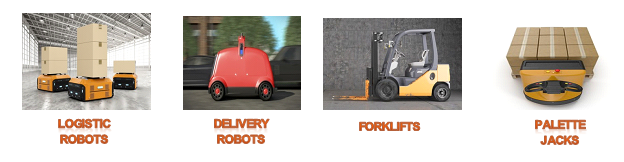
▲그림 1: 다양한 무인 운반차
자동차 첨단 운전자 보조 시스템(ADAS)은 mmWave를 사용하여 서라운드 뷰 모니터링과 장애물 감지를 수행한다. 마찬가지로 mmWave 센서는 그림 1에서 보는 것과 같은 물류 로봇, 배달 차량, 지게차, 팔레트 잭과 같은 무인 운반용 차량(Autonomous Guided Vehicle; AGV)에서도 유사한 문제를 해결한다.
3D 포인트 클라우드 검출
mmWave 센서는 3개의 송신기와 4개의 수신기 안테나 구성을 갖춰 최대 30m까지 3D 물체 검출이 가능하고, 높은 높이에서 물체를 검출할 수 있도록 방위각과 양각면의 각도 정보를 모두 제공한다. 이는 센서가 지면보다 높은 곳에 위치하는 지게차와 같은 차량에 유용하다.
하나의 센서로 120도 시야각에 걸쳐 물체를 검출할 수 있어 서라운드 모니터링 시스템에 필요한 센서 수를 최소화할 수 있다.
고해상도로 정확한 탐지 가능
mmWave 센서는 4GHz 대역폭에서 동작하므로 4cm까지 가까이 있는 개별 물체를 식별하고, 어둠과 먼지 또는 물리적 장벽에 의해 가려질 수 있는 공간에서도 작동할 수 있다.
고해상도 기능은 센서가 물체나 사람을 정확히 세고 식별하며, 충돌 전 로봇을 멈추는 등 적절한 동작을 실시간으로 발생시키는 데 필요하다.
실시간 물체 감지 및 충돌 회피 외에도 mmWave 센서는 산업용 로봇을 더 스마트하게 해주는 추가적인 기능을 제공한다.
지상 속도 및 경계 검출
TI mmWave 기술은 도플러 시프트를 통한 정밀한 지상 속도 감지를 위해 밀리미터 이하의 정확도와 높은 수준의 해상도를 제공하므로 센서 시스템이 차량의 지상 속도를 계산하고, 바퀴가 미끄러질 수 있는 선창과 같은 곳에서 지상 경계를 검출할 수 있어 돌이킬 수 없는 상황을 방지할 수 있다.
투명 물체 감지
TI mmWave 센서는 일부 광 기반 기술이 감지하기 어려운 어두운 물체뿐 아니라 유리와 플라스틱과 같은 투명한 물체를 감지할 수 있다. 감지 정확도를 높이면 유리 장애물이나 물체에 부딪치는 사고를 예방할 수 있다.
SIL-2 준수
TI의 60GHz mmWave 센서는 시스템이 긴밀한 인간-기계 상호작용에서 사고 관리를 위한 IEC SIL-2 표준을 준수하도록 도와준다. SIL-2 인증 시스템을 설계할 경우 TI mmWave 센서를 사용하여 이러한 기능을 제공하면, 인증을 획득하기 위해 추가적인 안전 프로세서 시스템이나 중복 센서 시스템을 구현할 필요가 없다.
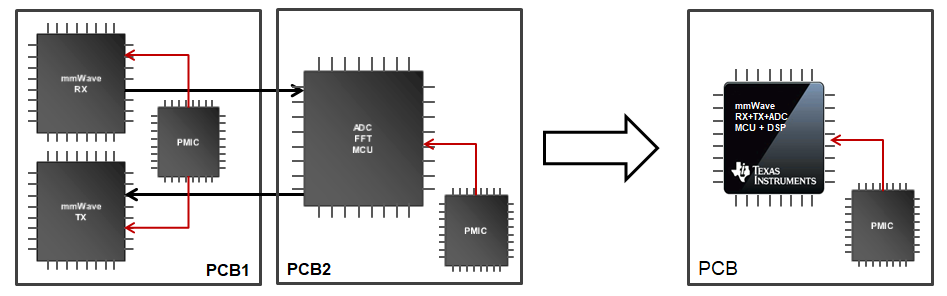
▲그림 2: 일반적인 프런트엔드 센서 솔루션과
에지에서 지능적인 기능을 수행할 수 있는
통합 TI mmWave 센서 비교
에지에서 지능적인 기능을 수행할 수 있는
통합 TI mmWave 센서 비교
TI mmWave 센서는 비, 먼지, 연기와 같은 환경과 조명 조건의 영향을 받지 않으며 플라스틱과 같은 물질을 관통하여 감지할 수 있어 로봇의 경로에 있는 물체를 효과적으로 탐지하기 위한 외부 렌즈, 조리개 또는 센서 표면을 필요로 하지 않는다.
에지에 더 많은 인텔리전스를 부여하려면
머신 러닝을 구성하는 딥 러닝은 산업 부문에서 점점 더 많이 채용되고 있다. TI는 로봇을 포함한 다양한 애플리케이션을 위해 딥 러닝 추론을 에지에 보다 쉽게 적용할 수 있도록 하드웨어 및 소프트웨어 지원을 제공한다.
스마트 감지로는 충분하지 않은 애플리케이션을 위해 시타라 AM57x 프로세서 제품군은 최대 1.5GHz에서 동작하는 Arm Cortex-A15 코어 및 듀얼 코어 C66x 프로세서를 탑재했다.
딥 러닝 추론은 물론 전통적인 머신 비전 알고리즘을 수행해서 유지보수에 대해 예측을 하고 잔존 사용 기간을 계산하는 등의 애플리케이션을 위한 머신 러닝 요구를 해결하거나 기존 기능을 넘어 센서 입력을 바탕으로 결정을 내릴 수 있다.
시타라 AM57x 프로세서는 산업용 통신(EtherCAT, PROFINET, TSN, PROFIBUS, EtherNet/IP)을 위한 전용 하드웨어를 제공하고 로봇 컨트롤러의 중앙 처리 장치 역할을 할 수 있다.
요약하면, 탁월한 물체 감지를 제공하는 통합 mmWave 감지 솔루션은 향상된 머신 러닝을 위한 시타라 프로세서와 함께 로봇 팔 주변의 영역 감지 또는 자율 로봇의 충돌 회피를 위한 인텔리전트 솔루션을 제공한다.
개발을 시작하려면 TI의 리소스를 참조할 수 있다.
이 기사는 텍스트 인스트루먼트의 프라작타 데사이(Prajakta Desai) mmWave 센서 제품 마케팅 매니저와 랄리 자야틸레케(Lali Jayatilleke) 애플리케이션 엔지니어의 글을 정리한 것입니다.
이수민 기자
관련뉴스
-
내쇼날인스트루먼트, 미국 테솔브, 존스테크와 쿼드 사이트 mmWave 5G 패키지 테스트 솔루션 공동 개발
내쇼날인스트루먼트 테솔브, 존스테크와 공동으로 개발한 쿼드 사이트 mmWave 5G 패키지 테스트 솔루션을 공개했다. mmWave 5G 패키지 테스트 솔루션의 핵심 구성품 중 하나는 NI의 반도체 테스트 시스템이다. NI는 최근 5G 전력 증폭기, 빔 형성기, 송수신기에 대한 멀티사이트 mmWave 테스트 기능을 추가했다. 모듈형 mmWave 라디오헤드가 있는 소프트웨어와 베이스 밴드/IF 계측을 재사용할 수 있는 모듈성이 특징이자 강점으로 향후 mmWave 주파수 대역도 처리 가능하다.
2019-06-13 오전 9:08:02by 이수민 기자
-
KT, 에릭슨·노키아와 5G 장비개발협력
KT가 에릭슨, 노키아와 5G 장비 개발과 28㎓ mmWave 주파수 대역 활용 분야에서 상호 협력을 강화하기로 했다. KT는 13일, 스웨덴 시스타 에릭슨 연구소에서 에릭슨과 함께 개발한 5G TDD(Time Division Duplex) 4T4R RU(Remote Unit) 장비의 기술 시연을 진행하고, 4T4R 기지국을 KT 5G 상용망에 적용하는데 성공했다고 밝혔다. 그리고 KT는 12일, 핀란드 에스푸 노키아 본사에서 미팅을 열고, 28㎓ mmWave 대역에서의 5G 상용화 장비 검증과 mmWave와 연관된 기술적 난제 극복을 위해 협력하기로 했다. 이를 위해 양사는 공동 태스크포스를 발족하고 본격적인 기술적 협력을 추진할 예정이다.
2019-06-15 오전 7:01:14by 이수민 기자
-

산업 현장에서 에지 인텔리전스 실현하는 mmWave 센서 자율 공장을 구동하다
모든 종류의 로봇은 다량의 광범위한 데이터를 생성하고 처리하는 센서에 의존한다. 이러한 데이터는 자율 로봇이 실시간 결정을 하는 데 사용되며, 그 결과 동적인 실제 환경에서 생산성을 유지하면서 사고 관리를 더 스마트하게 수행할 수 있도록 한다.
2019-12-04 오전 9:01:58by 이수민 기자

.png)
관련 웨비나


많이 본 뉴스

[열린보도원칙] 당 매체는 독자와 취재원 등 뉴스이용자의 권리 보장을 위해 반론이나 정정보도, 추후보도를 요청할 수 있는 창구를 열어두고 있음을 알려드립니다.
고충처리인 장은성 070-4699-5321 , news@e4ds.com