드론 비행거리 확장, 수소전지 PDN 최적화에 달려
기사입력 2021.01.12 15:45
DMI DS30 수소 연료전지 드론, 2시간 비행
장시간 비행 드론, 파워팩 PDN 최적화 필요
바이코, 모듈식 레귤레이터로 PDN 설계 지원
수소 연료전지 탑재로 드론의 활용성이 더욱 높아지고 있다.
두산모빌리티이노베이션(DMI)은 2020년, 2시간 비행이 가능한 수소 연료전지 드론 ‘DS30’의 실증을 미국령 버진아일랜드, 제주도 등에서 진행했다. DMI의 수소 연료전지 기술은 확장된 비행거리와 부하 용량을 통해 모바일 로봇 개발을 가속하는 기반을 마련했다.
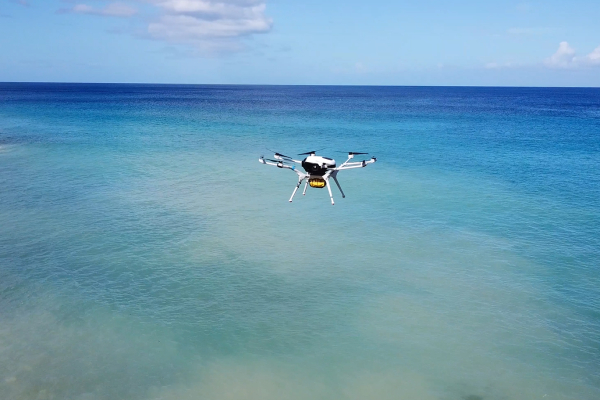
▲ 미국령 버진아일랜드에서 응급의료물 배송을
시연하는 DMI DS30 수소 연료전지 드론 [사진=DMI]
시연하는 DMI DS30 수소 연료전지 드론 [사진=DMI]
이외에도 국내 최대 규모 태양광 발전소, 해남 솔라시도에서 방대한 태양광 패널 검사를 완수하며 상업용 애플리케이션의 가능성도 확인했다. 동일 조건의 임무를 기존 배터리가 탑재된 드론으로 수행하려면 6번 이상의 배터리 교체가 필요하다.
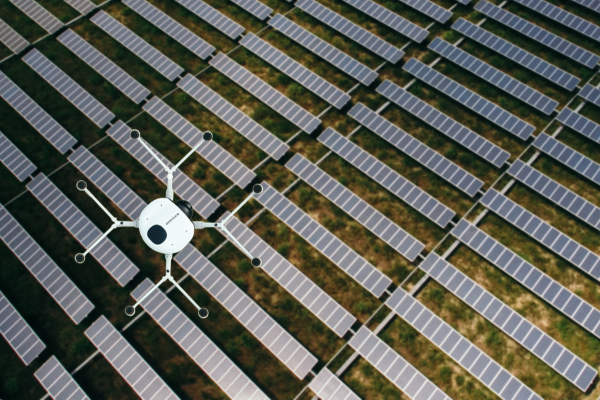
▲ 태양광 패널 검사에 활용되는 DS30 [사진=DMI]
모빌리티용 수소 연료전지를 개발하기 위해서는 소재 과학에서 시스템 레벨의 설계 최적화에 이르기까지 전반적인 기술 혁신이 필요하다. 모빌리티의 핵심은 소형화, 경량화, 그리고 효율화다. 또한, 안정적인 장시간 비행을 보장하는 높은 에너지 출력과 내구성이 요구된다.
이를 위해서는 스택 자체의 경량화는 물론, 높은 전력 밀도의 파워트레인을 구성하고, 주변 부품을 포함한 파워팩 전반의 설계를 단순화하여 시스템을 최적화해야 한다. 이러한 설계의 핵심은 시스템의 PDN(Power Delivery Network) 구현 및 아키텍처에 있다.
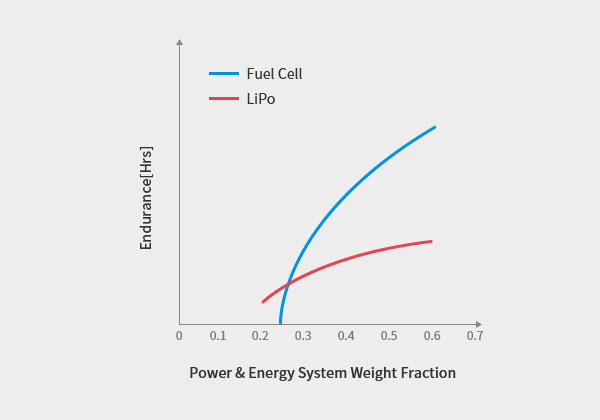
▲ 수소 연료전지와 리튬폴리머 배터리의
에너지 밀도 비교 [그래프=DMI]
에너지 밀도 비교 [그래프=DMI]
DS30 드론에 탑재되는 ‘DP30’ 파워팩은 드론의 로터와 스택 컨트롤러 보드 및 팬에 전원을 공급하는 2개의 메인 파워트레인 구조로 되어 있다. 40V에서 74V에 이르는 넓은 범위의 가변 출력전압을 기반으로 DP30 파워팩은 드론의 로터 측에 레귤레이션이 된 48V, 12A 출력을 보장하며, 스택 컨트롤러 보드와 팬으로 12V, 8A 출력이 일관되게 공급한다.
DMI는 PDN에서 고효율 및 높은 전력 밀도를 달성하기 위해 바이코의 PRM(Pre-Regulation Module) 벅부스트 레귤레이터와 ZVS(Zero-Voltage Switching) 벅 레귤레이터를 선택했다. PRM은 최대 74V까지 상승하는 수소 연료전지 스택의 OCV(Open Circuit Voltage)를 지원할 수 있으며, 48V까지 안정적인 전압 레귤레이션을 수행한다.
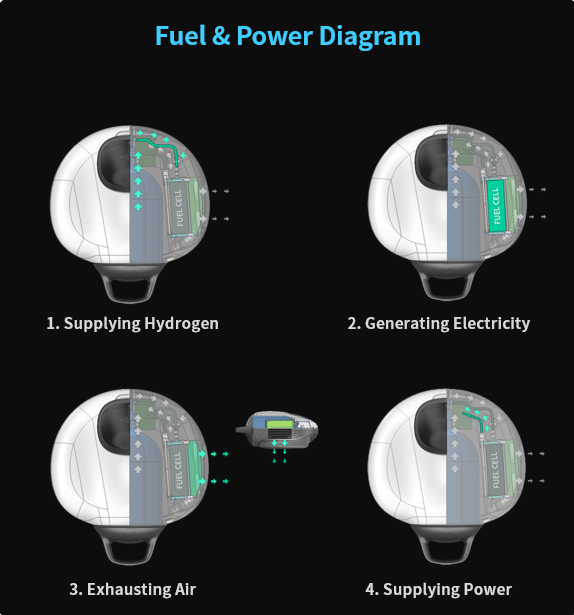
▲ 수소 연료전지 파워팩 구조 [사진=DMI]
드론의 로터 측 PDN에는 바이코의 ‘PRM 벅부스트 레귤레이터(PRM48AF480T400A00)’ 2개를 병렬로 구성하여 로터에서 필요로 하는 12A를 공급한다. 스택 컨트롤러 보드 측 PDN에는 ‘PRM 벅부스트 레귤레이터(PRM48AH480T200A00)’와 ‘PI3546 ZVS 벅 레귤레이터(PI3546-00-LGIZ)’를 사용했다.
현재 생산 중인 2.6kW급 DP30 파워팩 외에도 DMI는 전력 용량별 제품라인을 다각화하고 있다. 올해 출시 예정인 1.5kW급 수소 연료전지 파워팩을 비롯해 10kW급에 이르는 다양한 용량의 제품을 개발하고, 각 파워팩에 적합한 새로운 구조의 드론 또한 출시할 예정이다.
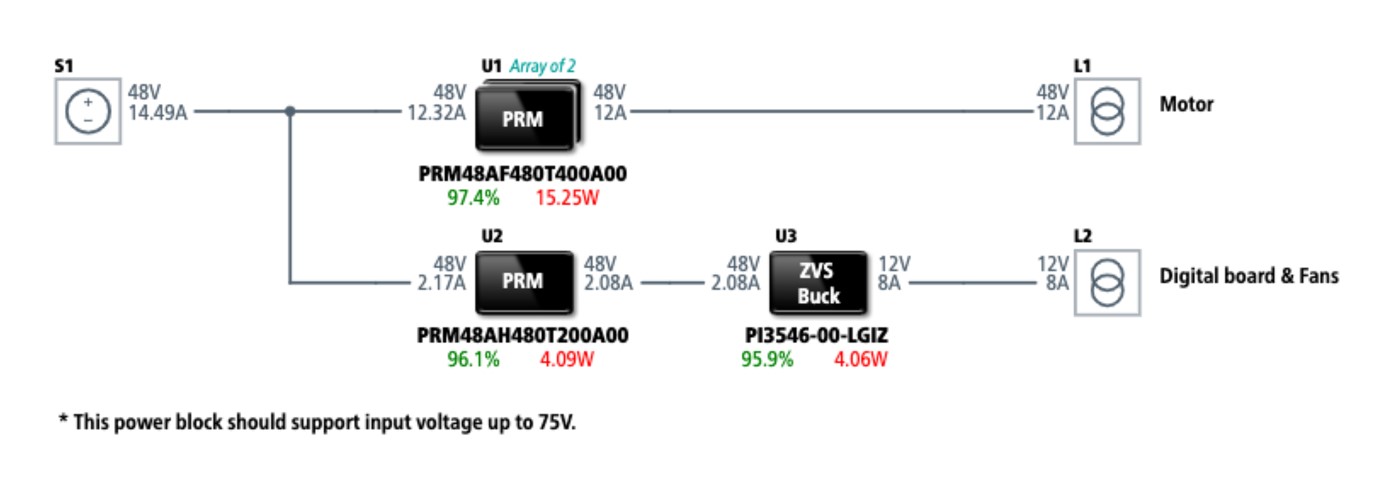
▲ DMI DS30 드론에 채택된 바이코 레귤레이터 [그림=바이코]
DMI는 전력에 대한 바이코의 모듈식 접근방식을 활용하여 다양한 제품라인을 지원하는 확장성을 확보하고, 전력 용량 확대에 따른 스택 구조 변경이나 파워트레인 및 주변 구성부품, 방열 방식 등에 대한 엔지니어링 문제를 해결하는 데 주력할 방침이다.
이수민 기자
관련뉴스
-
맥심, MCU 1개로 차량 USB PD 허브 구현하는 IC 출시
차량에 내장된 USB PD 충전기 개수가 늘어나며 뒷좌석의 엔터테인먼트 모듈과 헤드 유닛 등 차량용 멀티미디어 허브 기능이 더욱 확대되고 있다. 그만큼 크기와 비용, 전력에 대한 관련 설계자들의 부담이 늘어나고 있다. 이에 맥심 인터그레이티드 코리아가 100W USB PD 벅부스트 컨트롤러 및 보호기 ‘MAX25430’를 출시했다고 밝혔다.
2020-10-14 오전 11:40:05by 명세환 기자
-
ST, 외부 부품 필요없는 '소형 고전압 컨버터 IC' 선봬
ST마이크로일렉트로닉스가 소형 고전압 컨버터 IC, VIPer31을 공개했다. VIPer31은 절연 및 비 절연 플라이백, 벅, 벅부스트 컨버터를 비롯해 일반적으로 사용되는 오프라인 AC/DC 컨버터 토폴로지에 최적화됐다. 외부 부품이 거의 필요하지 않아 비용 효율적인 소형 PCB 설계에 기여한다.
2020-12-09 오전 11:40:53by 강정규 기자
-
ADI, 80V 벅부스트 I2C 배터리 충전 컨트롤러 발표
ADI가 텔레메트리 및 제어 애플리케이션을 위해 MPPT 온도 보상, I2C 인터페이스 기능을 지원하는 LT8491 벅부스트 배터리 충전 컨트롤러를 출시했다. 입력 전압이 조절된 배터리 부동 충전 전압보다 높거나, 낮거나, 같거나 상관없이 동작한다. 세 가지 선택 가능한 정전류 정전압 충전 프로파일을 제공하여 다양한 종류의 화학 전지를 충전하는 데 적합하다.
2020-12-15 오후 2:10:03by 강정규 기자



많이 본 뉴스

[열린보도원칙] 당 매체는 독자와 취재원 등 뉴스이용자의 권리 보장을 위해 반론이나 정정보도, 추후보도를 요청할 수 있는 창구를 열어두고 있음을 알려드립니다.
고충처리인 장은성 070-4699-5321 , news@e4ds.com