사물인터넷(IoT, Internet of Things)의 실질적인 구현을 위해서는 물리적 동작을 가능하게 하는 액추에이터(actuator)가 반드시 필요하다. 액추에이터는 일반적으로 유압식, 공압식, 전기식, 기계식의 4가지로 분류되며, 유압식은 물이나 기름과 같은 액체의 힘으로 실린더나 유체 모터를 구동해 기계를 작동시킨다. 공압식은 액체 대신 압축가스를 사용하며, 전기식은 전기에너지를 기계적인 토크로 변환하는 모터로 구동한다. 기계식은 회전 움직임을 선형 움직임으로 변환한다.
연재순서
(1) 5월17일 센서
(2) 5월20일 커넥티비티
(3) 5월24일 액추에이터
(4) 5월26일 마이크로 컨트롤러
(5) 5월28일 보안
[편집자 주]집안에서 연기가 감지되자 화재 감지기가 울리며, 감지기 근처 소방장비가 작동하고, 집 주인과 소방서에 긴급 연락이 전송된다. 소방이외의 분야에서도 이렇게 사람이 없어도 작동하는 이런 시스템의 구현은 우리 일상생활에서 쉽게 가능해졌고, 보편화됐으며, 향후 우리 일상생활에서 더욱 많은 발전을 거듭할 것으로 보인다. 사람의 개입이 없어도 사물 간 인터넷을 통해 연결되고 작동하는 시스템을
사물인터넷(Internet of Things)이라고 한다. 건강관리, 전원, 가스, 주차장, 가전 등 사물인터넷은 알게 모르게 우리 삶에 많이 적용되고 있다. 이에 본지는 5회에 걸쳐 사물인터넷을 가능하게 하는 첨단 기술에 대해 살펴보는 자리를 마련했다.
MCU 제어신호를 동작·빛·열 형태로 실행
모터·EMS 등 전력반도체 최적 솔루션 必
■ 살아있는 세계를 제어하는 액추에이터
사물인터넷(IoT, Internet of Things)의 실질적인 구현을 위해서는 물리적 동작을 가능하게 하는
액추에이터(actuator)가 반드시 필요하다.
예를 들어 집안에서 가스 배관에서 가스가 누출된 상황을 가정하면 센서가 가스 누출을 감지했을 경우 감지 신호를 보내는 것만으로는 가스 누출을 막을 수 없다. 신호를 보냄과 동시에 가스 밸브를 잠글 수 있는 액추에이터가 필요한 것이다.
이에 IoT 구현을 위해서는 액추에이터의 설치가 필요하며, 이런 액추에이터의 정확하고, 효율적인 제어를 위한 기술이 절대적으로 요구되고 있다.
액추에이터는 센서로 부터 수집된 정보를 마이크로컨트롤러를 통해 만들어진 전기 신호를 동작, 빛, 열 등 물리적 움직임으로 변환 시킨다.
액추에이터는 일반적으로 유압식, 공압식, 전기식, 기계식의 4가지로 분류되며, 유압식은 물이나 기름과 같은 액체의 힘으로 실린더나 유체 모터를 구동해 기계를 작동시킨다. 공압식은 액체 대신 압축가스를 사용하며, 전기식은 전기에너지를 기계적인 토크로 변환하는 모터로 구동한다. 기계식은 회전 움직임을 선형 움직임으로 변환한다.
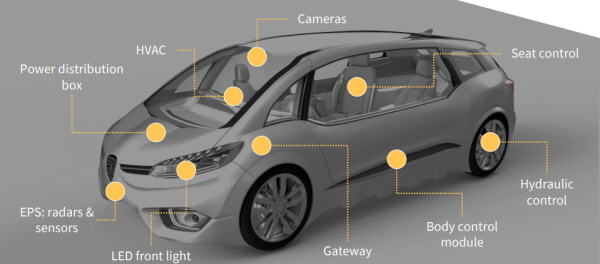
이런 기본적인 4가지 액추에이터를 바탕으로 세부적인 몇 가지 액추에이터 솔루션을 살펴보면 선형 전압 조정기(LDO)는 사용이 간편한 전원 공급 장치 솔루션으로 낮은 대기 전류, 넓은 입력 전압, 저잡음 및 소형 패키지로 안정적인 출력 전압을 생성한다. EPS, 변속기, 차체 제어 모듈, HVAC, 대시 보드, ADAS, 텔레매틱스, CAV 및 산업용 애플리케이션과 같은 애플리케이션에 사용된다. 이에 초저 대기 전류, 넓은 입력 전압 범위, 저잡음, 통합 전류 감지 및 보호 기능을 포함한 다양한 기능이 필요하다.
통합 전력 스테이지, 다상 디지털 컨트롤러 및 통합 POL 컨버터를 포함한 고밀도 엔드-투-엔드 전력 관리 솔루션으로는 DC-DC 컨버터가 필요하다. DC-DC컨버터에는 △전력 관리 IC(PMIC) △스위칭 레귤레이터 △통합 POL 전압 조정기 △디지털 다상 컨트롤러 △저전압 게이트 드라이버 △디지털 전력 컨트롤러 등이 있다.
스마트 조명 및 전력 변환을 위한 고성능 조명 IC 솔루션이 필요하다. AC-DC LED 드라이버 IC는 교체용 램프, 조명기구 및 LED 드라이버에 이상적이다. 실내조명의 경우 광 출력을 1%까지 낮추는 것이 주류가 됐는데, LED 드라이버 IC는 LED 조명 애플리케이션에 고효율, 고 역률 및 낮은 고조파 제공을 필요로 한다. DC-DC 스위치 모드 드라이버 IC는 고전력 및 초고전력 LED에 이상적이다. 다양한 작동 조건에서 효율성이 98%까지 높아질 수 있으며, 높은 전류 정밀도로 인해 높은 조명 품질로 빠르고 안정적이며 효율적인 조절을 제공한다.
모든 스위치에는 드라이버 IC가 필요하다. 드라이버 IC가 실리콘 및 광대역 갭 전력 장치 모두에 적합하기 위해서는 0.1A에서 최대 10A까지 다양한 일반 출력 전류 옵션과 고속 단락 보호(DESAT), 액티브 밀러 클램프, 슛 스루 보호, 오류, 셧다운 및 과전류 보호와 같은 강력한 게이트 드라이브 보호 기능 등이 필요하다.
입력에서 출력까지 완전한 갈바닉 절연이 있는 원격 제어 스위치인 SSR(솔리드 스테이트 릴레이)도 있다. SSR은 출력에 전원 공급이 필요하지 않으며, 고전력 신호에 대한 저전력 제어가 가능하다. 또한 회로의 논리 부분과 고전력 신호 사이에 갈바닉 절연이 있어 사용자를 감전으로부터 보호하고 전자 장치를 고전압 스파크로 인한 손상으로부터 보호한다.
■ 액추에이터를 구현하는 최적의 전력반도체 필요
산업현장이라던지, 발전소, 운행 중인 차량 등에서 액추에이터의 오작동은 치명적인 사고를 불러올 수 있다.
이에 액추에이터의 작동은 신뢰성과 정확성 또한 오랜 수명 등이 요구되고 있다.
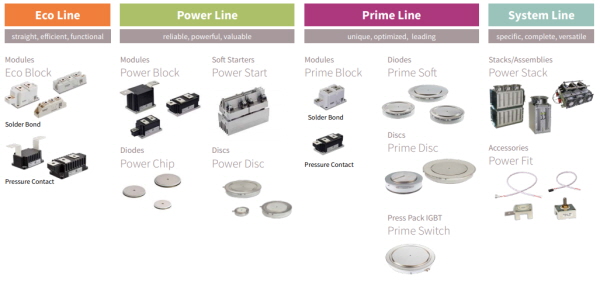
IoT를 구현하는 개발자들에게는 모터 드라이브나 에너지 관리 시스템에 적합한 솔루션을 구성하기 위해 최적의 전력반도체가 필요하다.
마이크로암페어에서 메가와트 대에 이르기까지 에너지 효율과 신뢰성이 높은 다양한 구성의 제품이 필요하며, 시뮬레이션 툴을 통해 전력 반도체 솔루션이 어떤 것들을 가능하게 하는지 쉽게 평가할 수 있어야 한다.
주요 기업으로
인피니언(Infineon)은
실리콘(Si),
실리콘 카바이드(SiC),
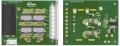
갈륨 나이트라이드(GaN) 기술을 모두 제공하는 기업으로 액추에이터에 관한 적합한 솔루션을 제공하고 있다.

.PNG)