[권신혁의 혁신포커스] TSMC 3나노, 인텔은 멈칫 애플은 큰손
기사입력 2023.02.22 15:36
인텔, 3나노 제품 출하 계획 지연
애플, 2023년 전체 N3 독식 예상
TSMC N3E, 가성비↑·업계 관심↑
애플, 2023년 전체 N3 독식 예상
TSMC N3E, 가성비↑·업계 관심↑
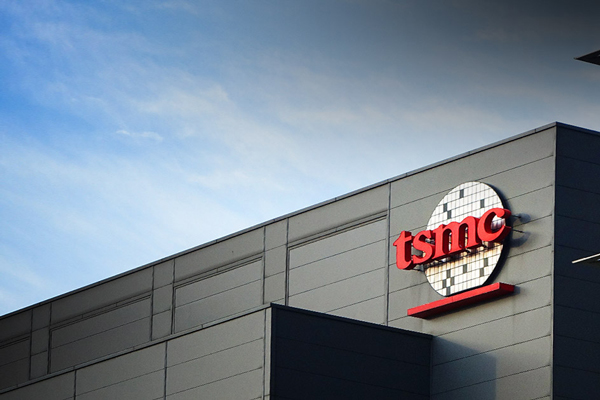
▲TSMC 3나노 양산(사진:TSMC)
TSMC 3나노 공정에 주요 팹리스와 칩메이커들이 줄을 선 가운데 양산 로드맵이 지연되며 주춤하는 인텔과 2023년 3나노 공정 대부분을 차지하는 애플이 대비되며 3나노를 둘러싼 반도체 업계 경쟁이 심화되고 있다.
디지타임즈(Digitimes) 등 외신 보도에 따르면 인텔의 15세대 애로우 레이크(Arrow Lake) CPU 로드맵이 지연되며 TSMC의 3나노(nm) 공정 주문도 연기될 것으로 보인다고 전했다.
미국 IT전문매체 톰스하드웨어에 따르면 인텔 15세대 애로우 레이크 프로세서가 이전에는 2024년 3분기에 나올 것에서 전해지던 반면, 최근 디지타임즈 보도에서 관련 소식통을 인용하면서 1분기가량 지연된 2024년 4분기에나 제품이 출하될 것으로 보여, 2025년 1분기부터 제품 공급이 충분할 것으로 예상했다.
인텔 로드맵에서 애로우 레이크는 TSMC 3나노 기반 iGPU 타일 탑재가 예상됐으나 이번 지연으로 인해 애플, AMD, 퀄컴 등에 3나노 리더십을 잃을 수 있다는 우려도 제기되고 있다.
이미 애플은 TSMC 3나노 공정의 첫 고객으로서 M2 Pro와 M2 Max를 TSMC의 최첨단 3나노 아키텍처를 기반으로 양산된 칩을 신형 맥북 프로에 탑재해 지난 1월 공개한 바 있다. 애플은 인텔 기반 맥북 프로 및 이전 세대 제품 대비 최대 80%까지 작업 성능이 빨라졌다고 밝혔다.
인텔이 지속된 로드맵 지연으로 주춤거리는 반면 애플은 곧 출시될 A17Bionic과 M3 SoC를 위해 TSMC의 전체 N3를 확보했다는 이야기도 들려오고 있다.
미국 IT매체 wccftech는 따르면 “TSMC는 새로운 Fab18 시설에서 3나노 칩 대량 생산을 발표했으며, 이 시설에서 A17 Bionic 및 M3 대량 생산이 예상된다”고 보도했다. 앞서 디지타임즈도 공급망 소식을 인용해 애플이 N3 공급량을 100% 차지했으며 수율도 높다고 보도했다.
3나노 비용은 기존 5나노 공정 대비 매우 높은 2만달러 이상인 것으로 알려지며 최신 3나노 공정을 감당할 수 있는 고객 가운데 애플이 가장 도입에 적극적이며, 높은 비용에도 불구하고 프리미엄 제품 출시에 활용할 예정이기에 이는 애플에 큰 영향을 미치지 않을 것으로 보인다.
반면 높은 가격으로 인해 퀄컴, 미디어택 등은 2023년 3나노 칩 생산을 확신하지 못하고 있으나 최신 제품군 경쟁을 위해서라면 다른 선택지가 없다고 외신들은 전했다.
삼성 파운드리가 6개월 빠르게 GAA 기반 3나노 공정을 공개했으나 시장의 판단은 수율을 잡지 못한 것으로 보고 있다. TSMC 3나노 수율이 50%대를 웃돈다고 시장 플레이어들은 판단하고 있기에 대형 팹리스 및 칩메이커들이 TSMC 3나노 공정으로 몰리고 있는 것이다.
TSMC가 높은 가격을 의식한 건지는 확실하지 않으나 차기 공정에서 생산 비용은 다소 낮아질 것으로 전망된다. 톰스하드웨어에 따르면 비용 부담을 느끼는 글로벌 팹리스들을 위해 TSMC가 3나노 생산 견적을 낮출 준비를 하고 있다는 소문도 돌고 있다며, “이 시점에 N3 가격은 루머로 간주돼야 하나 차기 N3E 공정 생산 비용은 초기 N3 대비 낮을 가능성이 높다”고 주장했다.
이는 TSMC의 N3E 공정이 EUV를 최대 19단까지만 사용해 로직 밀도는 N3 대비 조금 떨어지지만 제조 복잡도를 다소 낮췄으며, 이로 인해 사용 비용이 저렴해지는 특징을 갖추게 됐다는 설명이다. N3E는 N3P, N3S 등이 서비스되기 전 TSMC의 주요 최첨단 파운드리 서비스가 될 것으로 보인다.
또한, AMD도 젠5 아키텍처를 2024년 양산할 것으로 로드맵을 지속 밝히고 있는 가운데 3나노 공정이 도입될 것으로 전망된다. 인텔과 AMD, 두 프로세서 라이벌 간 경쟁에서 지연된 로드맵이 어떤 영향을 미칠지 귀추가 주목된다.
한편, TSMC는 3나노 공정을 통해 5년 간 1조5,000억달러(한화로 약 2,000조원)의 가치를 창출해낼 것으로 추정했다.


.jpg)
많이 본 뉴스

[열린보도원칙] 당 매체는 독자와 취재원 등 뉴스이용자의 권리 보장을 위해 반론이나 정정보도, 추후보도를 요청할 수 있는 창구를 열어두고 있음을 알려드립니다.
고충처리인 장은성 070-4699-5321 , news@e4ds.com