최근 인공 지능(AI) 학습, 머신 러닝(ML) 및 고성능 컴퓨팅(HPC) 애플리케이션을 처리할 수 있도록 설계된 데이터센터용 제품군 출시가 활발하다.
AI·ML·HPC 애플리케이션에 적합
혼합 워크로드 성능·에너지 효율↑
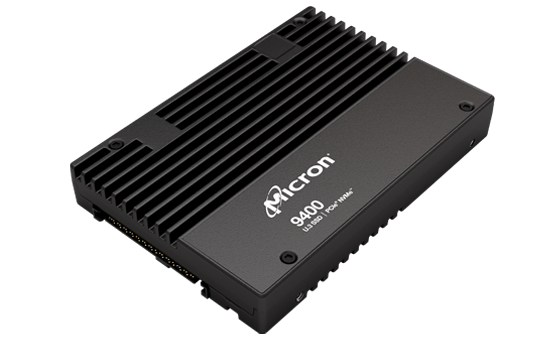
▲마이크론 9400 NVMe SSD(사진:마이크론)
최근 인공 지능(AI) 학습, 머신 러닝(ML) 및 고성능 컴퓨팅(HPC) 애플리케이션을 처리할 수 있도록 설계된 데이터센터용 제품군 출시가 활발하다.
반도체 기업 마이크론 테크놀로지(Micron Technology, 이하 마이크론)가 고성능 데이터센터용 SSD인 ‘마이크론 9400 NVMe SSD’가 대량 생산에 들어갔다고 9일 밝혔다.
마이크론 9400은 가장 까다로운 데이터센터 워크로드(작업부하), 특히 인공 지능(AI) 학습, 머신 러닝(ML) 및 고성능 컴퓨팅(HPC) 애플리케이션을 처리할 수 있도록 설계됐다. 이 드라이브는 30.72 테라바이트(TB)의 스토리지 용량, 높은 워크로드 성능, 그리고 77% 개선된 IOPS(초당 입출력 횟수)를 제공한다고 강조했다.
마이크론의 알바로 톨레도(Alvaro Toledo) 데이터센터 스토리지 제너럴 매니저 겸 부사장은 “높은 성능과 용량, 낮은 레이턴시는 AI/ML 및 슈퍼 컴퓨팅 시스템에 대한 투자를 극대화하려는 기업에 중요한 특성이다”이라고 설명했다.
그는 “업계를 선도하는30TB의 용량과 혼합 워크로드에서 1백만 IOPS로 처리하는 놀라운 성능을 제공하는 마이크론 9400 SSD로 각 서버에 더 많은 데이터세트를 올릴 수 있고 머신러닝 학습을 가속화해서 사용자가 GPU 활용을 극대화할 수 있다”고 말했다.
데이터 집약적인 산업의 증가로 스토리지 밀도 극대화에 대한 시장 요구가 큰 상황이다. 이에 마이크론 9400 SSD는 30TB의 용량을 통해 이전 세대 NVMe SSD의 최대 용량 대비 2배에 달하는 스토리를 제공한다.
표준 2U 24 드라이브 서버에 30.72TB 마이크론 9400 SSD를 장착하면 총 스토리지는 서버당 737TB가 된다. 마이크론은 SSD당 용량을 2배로 늘려 동일한 양의 데이터를 절반의 서버에 저장할 수 있다.
따라서 값비싼 랙 공간을 추가로 확보하고 하드웨어 관리에 소요되는 유지보수 비용과 시간을 줄여 IT 인력과 예산의 효용을 극대화해서 IT 팀이 혁신할 수 있는 여력을 확보할 수 있다. 이런 탁월한 용량은 현대의 데이터 집약적인 워크로드를 처리하는 동시에 필요한 만큼 확장할 수 있도록 설계됐다.
AI에서 클라우드까지 다양한 환경에서 스토리지 성능 발휘하는 것도 중요한 요소이다. 마이크론 9400 SSD는 160만 IOPS로 100% 4K 랜덤 읽기를 처리, PCIe 4세대 스토리지의 새로운 성능 기준을 제시한다.
마이크론 9400의 용량과 성능은 더 큰 데이터세트를 가능하게 하고 머신러닝 모델을 학습시킬 때 한 사이클에서 데이터를 반복시키는 총 횟수를 가속화해 GPU를 보다 효율적으로 활용할 수 있다.
많은 SSD가 읽기 또는 쓰기만 하도록 설계된 데 반해 마이크론 9400은 실질적인 용도를 고려해서 설계됐다. △캐싱 △온라인 △트랜잭션 처리 △고빈도 거래(high-frequency trading) △인공 지능 △극단의 성능을 요구하는 성능 중심 데이터베이스 등 많은 데이터 애플리케이션에서 혼합 워크로드가 널리 쓰이고 있다.
마이크론 9400은 경쟁사 대비 90% 읽기 및 10% 쓰기 워크로드에 대해 71% 높은 IOPS로 1백만 IOPS4 능가하며, 70% 읽기 및 30% 쓰기 워크로드에 대해 69% 높은 IOPS로 940,000 IOPS4 능가한다.
또한 테스트 시나리오에서도 마이크론 9400 SSD는 경쟁사의 고성능 NVMe SSD와 비교했을 때 혼합 워크로드 처리에서 높은 성능을 보였다고 주장했다.
스팸 감지나 뷰어 이력을 저장하는 등 레이턴시나 유저에 민감한 애플리에이션에 사용되면서 고성능 스토리지 데이터베이스로 알려진 락스DB(RocksDB)의 경우, 9400이 최대 23% 더 높은 성능과 34% 더 높은 워크로드 반응성5을 보였다.
플래시 스토리지에 최적화된 오픈소스 NoSQL 데이터베이스인 에어로스파이크 데이터베이스(Aerospike Database)의 경우, 마이크론 9400이 최대 2.1배 높은 피크 성능과 탁월한 반응성을 보였다. 에어로스파이크 데이터베이스는 △사기 감지 △추천 엔진 △실시간 결제 처리 △주식 거래 등과 같은 시간에 민감한 웹 애플리케이션의 기반이 된다.
리란 즈비벨(Liran Zvibel) 웨카 공동창업자 겸 CEO는 “세계에서 가장 혁신적인 기업들이 계속 클라우드 및 디지털 우선 전략을 도입하면서 웨카(WEKA)와 파트너들은 데이터 주도형 혁신의 장애물을 제거하는데 집중하고 있다”며 “마이크론 9400 SSD와 같은 고성능, 고용량 스토리지는 데이터 액세스를 가속화해서 빠르게 인사이트를 확보할 수 있는 기반 기술을 제공함으로써 엄청난 비즈니스 가치를 제고한다”고 밝혔다.
또한 데이터센터 운영자의 중요한 고려 사항은 워크로드 성능과 에너지 사용량이다. 에너지 효율이 높다는 뜻은 작업을 완료하기 위해 사용된 에너지에 대해 처리량이 많다는 것이다. 마이크론 9400은 와트당 77% 더 높은 IOPS로 전력 소모를 줄이고 따라서 운영비, 탄소 발자국, 환경에 미치는 영향을 줄일 수 있다.
월리 리아우(Wally Liaw) 슈퍼마이크로 공동창업자겸 비즈니스 개발 부문 수석부사장은 “슈퍼마이크로(Supermicro)는 최대의 성능과 구성, 전력 효율을 제공하는 혁신적 서버를 설계해서 더 큰 용량과 효율을 요구하는 고객의 수요에 부응한다”며 “마이크론 9400 SSD는 30TB가 넘는 어마어마한 스토리지 볼륨을 모든 드라이브에 제공하는 동시에 최적화된 워크로드와 빨라진 시스템 처리량으로 고급 애플리케이션을 지원한다”고 전했다.