반도체 AI 보안 인더스트리 4.0 SDV 스마트 IoT 컴퓨터 통신 특수 가스 소재 및 장비 유통 e4ds plus

Trump 2nd term, electric car and battery blue

기사입력2024.11.07 13:59

Semiconductor Mass Regulation Expands, Lower Risk Than IRA
Trump's domestic automobile and battery regulations pose high risks

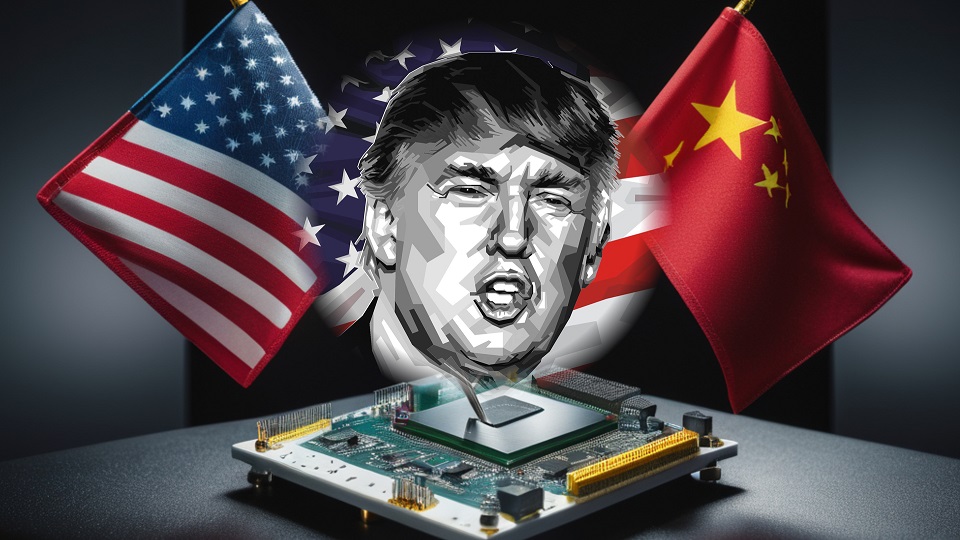
America First's vanguard, Donald Trump, has won the 47th US presidential election in 2024, making a 'Trump 2nd term' era likely. As of 10 am on the 7th (Korean time) in the US Senate and House of Representatives elections, the Republican Party has succeeded in securing a majority of seats in the Senate and is expected to secure a majority in the House of Representatives as well. With the Trump administration taking control of both Congress and the executive branch, a major transformation in trade relations in the semiconductor, automobile, and energy industries is expected.

On the 7th, Gwangjang Law Firm released a 'US Presidential Election Special Issue Brief' predicting the possibility of US strengthening of regulations and trade pressure on major domestic industries after Trump's election.

According to the report, the semiconductor industry is expected to aggressively pursue reshoring policies to build supply chains within the U.S., and it is expected that there will be expansion of semiconductor export controls and strengthening of regulations on Foreign Entities of Concern (FEOC).

Trump has repeatedly said during his candidacy that he would respond to the subsidies provided to semiconductor companies under the US CHIPS Act with tariffs rather than support. However, experts say that given the importance of the semiconductor industry and its impact on employment, the risk will not be as great as that of an IRA.

The electric vehicle and battery industries are expected to be in turmoil. The report analyzed that there are concerns that the tax credit benefits for domestically invested secondary battery, electric vehicle, and solar panel production facilities in the U.S. will be eliminated as Trump has announced the Biden administration's green policies and may reduce or eliminate IRA subsidies.

The report predicted that given the massive investment in IRA facilities and the resulting employment impact in the United States, it is unlikely that the IRA will be scrapped, and that this could result in increased disadvantages for batteries based on Chinese key minerals and components.

Currently, the tariff rate for finished vehicles between the US and Korea is 0% due to the Korea-US FTA, and the export value of domestic finished vehicles last year was 70.9 billion dollars, of which exports to North America amounted to 37 billion dollars, accounting for more than half.

If a 10% tariff on finished vehicles is applied as a universal tariff in Trump’s second term, it is predicted that the export performance of domestic finished vehicle manufacturers will inevitably be affected. The report predicted that since the US points out Korean automobiles as the cause of the trade deficit with Korea, there will be pressure to scrap the FTA on duty-free imports, and there will be pressure to impose high tariffs or take voluntary export restrictions.

Accordingly, as the export performance of finished vehicles produced at domestic production facilities declines and changes in the battery supply chain are anticipated, confusion and uncertainty in the electric vehicle market are expected to increase.