에어리퀴드가 중국내 최대 산소 생산기지 증설을 통해 중국내 철강 산업을 지원하고, 최근 전자 산업에서 수요가 높아지고 있는 크립톤 및 제논의 중국내 핵심 생산지를 구축한다.
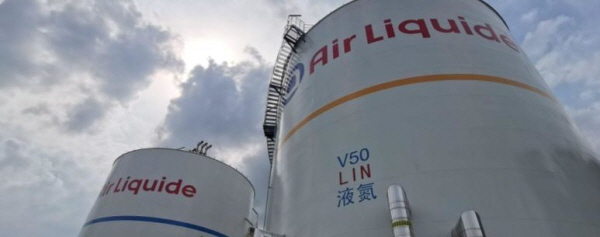
▲중국내 에어리퀴드 산소 생산기지(사진 : 에어리퀴드)
中 장자강 산소 ASU 일일 3,800톤 증설, 총 8,000톤 이상
에어리퀴드가 중국내 최대 산소 생산기지 증설을 통해 중국내 철강 산업을 지원하고, 최근 전자 산업에서 수요가 높아지고 있는 크립톤 및 제논의 중국내 핵심 생산지를 구축한다.
에어리퀴드는 최근 중국 철강 기업인 Jiangsu Shagang Group과 산업용 가스 장기 계약을 체결하고, 중국 강소성 장자강에 중국내 최대 규모의 ASU(공기분리장치) 건설을 위해 약 1억 유로를 투자한다고 밝혔다.
장자강에는 에어리퀴드 ASU가 현재 2기 운영되고 있다.
이번에 신규로 건설되는 ASU의 용량은 일일 3,800톤의 산소를 처리할 수 있는 규모로 알려졌으며, 2023년 건설이 완료되면, 하루 8,000톤 이상의 산소를 처리할 수 있는 것으로 전해졌다.
특히 이번 ASU는 최근 수요가 증가하고 있는 제논(Xenon) 및 크립톤(Krypton)의 주요 생산지가 될 것으로 알려졌다.
에어리퀴드는 대규모 산소 ASU가 모여있는 남아프리카 공화국 사솔에서 거의 대부분의 제논과 크립톤을 생산하고 있으며, 이를 프랑스 파리에서 정제해 주요 수요국에 판매하고 있다.
특히 한국을 비롯해 중국, 일본 등에서 메모리 반도체용 소재로 희귀가스 수요가 급증하고 있으며, 최근에는 제논 및 크립톤 가격이 기록적인 상승을 지속하고 있는 중이다.
제논 및 크립톤은 반도체 3D 낸드에서 에칭 공정에 사용된다. 3D낸드는 2D낸드의 회로를 수십 개의 단으로 쌓아올린 것으로 각 층을 하나로 잇는 채널을 만들기 위해 구멍을 뚫는 에칭 공정이 필요하며, 이때 에칭가스를 깊은 구멍에 넣기 위한 추진가스로 제논 및 크립톤이 사용된다.
전세계 크립톤의 76% 이상은 반도체용으로 사용되는 것으로 알려지고 있으며, 이에 따라 크립톤의 수요가 급증하고, 가격 또한 지속상승하고 있다.
제논 및 크립톤의 생산을 위해서는 대형 ASU가 필수인데, 최근 몇 년간 철강산업 및 조선 산업의 불황으로 경제성을 이유로 대형 ASU가 감소하고, 새로운 증설도 없었다.
이에 제논 및 크립톤의 생산은 그대로 인데, 수요가 급증해 지속적인 가격 상승이 이뤄지고 있었다.
여기에 제논의 경우 우주 추진체의 핵심 연료로 사용되는데 최근 스페이스X 및 블루오리진 등 민간 상업용 우주 프로젝트가 급증하고 있어 제논의 가격도 급등할 것으로 업계는 보고 있다.
.png)