60년 만에 현실된 자율주행, 5G 기반 C-ITS로 완성될까?
기사입력 2019.12.10 19:06
차세대 지능형 교통 시스템 C-ITS 이동통신 기반 실시간 데이터 송수신 추진
위급상황 발생 시 LTE보다 50배 빠른 5G가 필수·데이터 기반 의사소통 실현2004년 5월 계명대 에베레스트 원정대 박무택 대장과 장민 대원은 에베레스트 정상 등정에 성공한다. 하지만 이내 탈진한 장민 대원을 부축하며 하산하던 박무택 대장이 설맹으로 인해 해발 8,750m 부근에서 발이 묶이게 된다. 설맹과 동상으로 몸을 움직일 수 없다는 교신을 마지막으로 그의 목소리는 들을 수 없었다.
다음날 새벽 백준호 대장이 그를 구하기 위해 나섰지만 그 역시 박무택 대원의 상태와 자신의 상태를 전하는 목소리를 마지막으로 무전이 영원이 두절됐다.
2015년 개봉한 영화 히말라야의 장면들이다. 빙벽등반은 서로의 몸에 묶인 로프에 의지해 등정이 이뤄진다.
9회말 2아웃 만루. 2스트라이크 3볼. 타자와 주자, 투수와 감독, 그리고 코치와 감독은 연신 수신호를 보내며 치열한 신경전을 벌이고 있다. 이들이 주고받는 신호에는 약속된 작전은 물론 상대를 교란시키는 거짓 사인을 포함하고 있다.
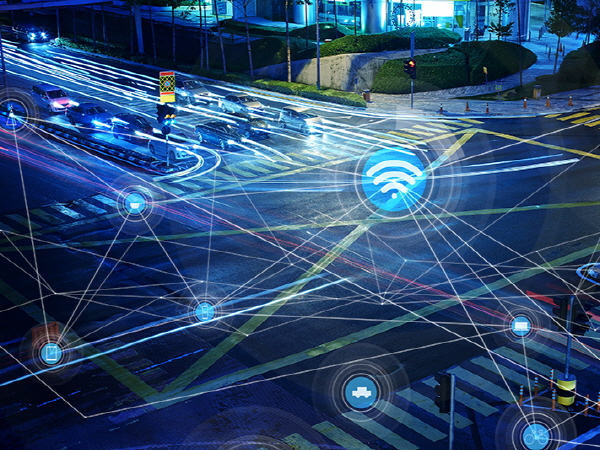
▲ 차세대 지능형 인공지능 시스템과 자율주행 자동차는 5G를 만나 성장할 것이다 <이미지=현대모터그룹>
차량과 차량(V2V), 차량과 인프라(V2I), 차량과 사람(V2P), 차량과 네트워크(V2N) 등 V2X기술과 이를 뒷받침하는 라이다(Lidar), 레이다(Rader), 디지털카메라, 소나, GPS, IMU 등의 기계적 요소를 비롯한 CAN버스, 3D Mapping 등의 보완기술들로 구성된 차세대 지능형 교통 시스템(C-ITS)과 완전 자율주행 자동차는 유기적 네트워킹은 물론 실시간 데이터 송수신 및 딥러닝을 토대로 한 인공지능 기술을 기반으로 하고 있다.
C-ITS의 실시간 데이터 송수신 ‘5G’로 해결
C-ITS는 10~15년 전 등장한 용어지만 최근 이동통신을 기반으로 이를 구현하기 위한 움직임이 활발하다. C-ITS의 경우 실시간 데이터 송수신을 위해 많은 양의 데이터를 필요로 하고 있어 초고속, 초연결, 초저지연을 특성으로 하는 5G가 솔루션으로 주목받고 있다.
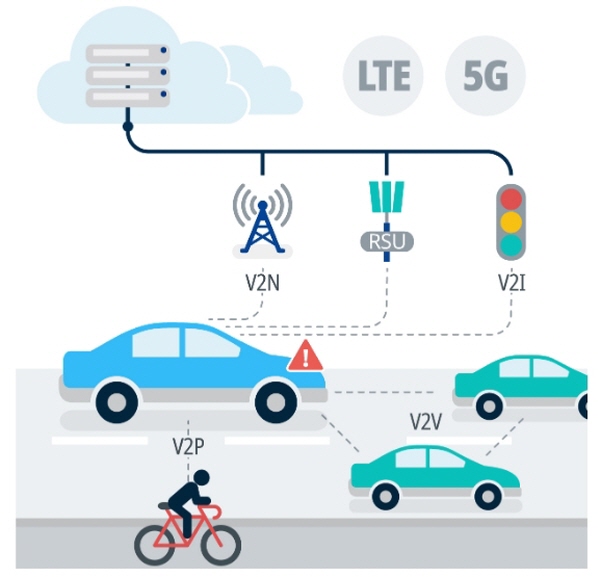
▲ 차세대 지능형 교통 시스템(C-ITS)은 실시간 데이터 전송을 위해 5G를 기반으로 한 네트워크 구축이 필요하다 <이미지=TTA>
인텔의 분석에 따르면 자율주행 차량이 발생시킬 데이터양은 하루 동안 4,000GB가 될 것으로 예상되는데 전자파로 거리를 인식하는 레이더와 초음파로 주변사물을 보는 소나만 해도 매초 10~100KB의 데이터를, 차량의 위치를 알려주는 GPS는 초당 50KB, 안개 등 시야가 확보되지 않은 장소에서 유용하게 쓰이는 레이저빔인 라이더가 초당 10~70MB의 데이터를 발생시키고 있다.
전문가들 역시 완전 자율주행차가 방출하는 데이터가 시간당 4TB에 이를 것으로 예상하고 있으며 5G의 이론적 최고 속도는 20Gbps로 초당 약 2GB, 시간당 약 8,300GB의 데이터를 내려 받을 수 있어 3~4TB의 데이터 중 클라우드로 꼭 보내야하는 정보를 잘 선별한다면 5G 통신만으로도 클라우드 내에서 완전한 분석과 안전조치를 취할 수 있을 것으로 판단하고 있다.
골리앗에 도전장 내민 IT기업
2014년 세계 자동차 산업의 중심지로 불리는 디트로이트에서는 구글이 출시한 자율주행 자동차 웨이모가 등장해 관객의 이목을 집중시켰다. 이 차량에는 운전대도 브레이크도 없었다.
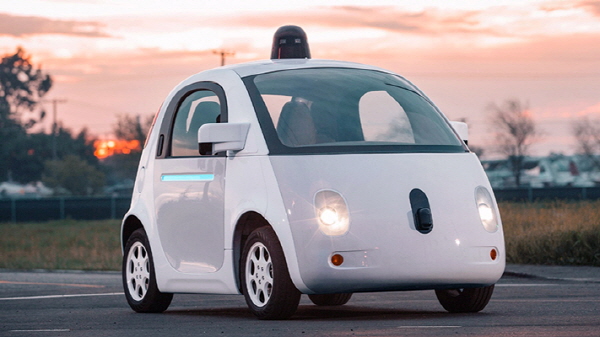
▲ 구글이 선보인 자율주행 자동차
그동안 자동차 산업은 높은 진입장벽과 공급 업체들 간의 배타적인 경쟁 관계로 인해 독과점 시장을 형성해 왔지만 구글, 애플과 같은 IT기업들이 도전장을 내밀며 GM, 도요타, 르노 닛산, 미쓰비시, 현대기아차 등 완성차 제조업체를 위협하고 나섰다.
자율주행 자동차 도입에 대한 시각은 전통적인 자동차 기업과 IT기업 간 차이를 보이지만 한 가지 분명한 사실은 미래의 자동차는 기계적 차체보다 소프트웨어적 요소가 소비자들로 하여금 더 중요한 가치로 자리매김할 것이라는 전망이다.
이는 과거 컴퓨터 시장의 모습에 비유해 볼 수 있다. 컴퓨터가 처음 출시될 당시 사람들은 하드웨어적 요소에 우선순위를 부여했다. 그러나 마이크로소프트가 개인용 컴퓨터 하드웨어 시장의 패러다임을 완벽히 변화시켰다. 바로 DOS와 윈도우로 불리는 운영체제를 출시했기 때문이다. 게다가 윈도우 운영시스템은 하드웨어를 가리지 않고 적용하도록 설계됨에 따라 소비자들은 더 이상 컴퓨터 구입 시 하드웨어적 요소에 집착하지 않게 되었다.
지난 1886년 독일인 카를 벤츠가 세계 최초로 가솔린 자동차를 세상에 선보이고 1908년 미국의 포드사가 컨베이어 벨트를 이용한 대량생산방식을 도입한 이후 새로운 경쟁자들의 도전을 철저히 막아온 전통적인 글로벌 자동차 제조업체들이 최근 구글과 애플, 테슬라 등의 반격으로 인해 막대한 비용을 소프트웨어 개발에 투자하고 있다.
실제로 메르세데스 벤츠는 실리콘밸리 사업부를 통해 300명(2016년 기준)에 달하는 연구원들을 첨단 기술 프로젝트와 사용자 경험 설계 업무에 투입했고 폭스바겐은 140명에 달하는 엔지니어와 사회과학자, 제품 설계자들에게 구글어스 지도를 아우디 내비게이션 시스템과 통합한 후 새로운 인포테인먼트(Infortainment) 시스템을 개발하도록 명령했다.
최근 일반적인 자동차 내부에는 100여 개의 마이크로프로세서가 장착되어 있는데 이를 통해 브레이크, 크루즈컨트롤, 변속기 조작 등을 할 수 있다. 새롭게 출시된 차량의 소프트웨어 시스템은 500만~1,000만 개에 이르는 명령행(LOC)으로 이뤄져 있다.
사실 무인 자동차라는 개념은 지난 1939년 혁신과 창조를 추구해오던 GM의 무인 콘셉트카를 통해 세계 최초로 등장했다. 뉴욕 퀸스에서 열린 만국박람회에 처음 등장한 무인 콘셉트카 '퓨처라마(Futurama)'는 60여 년의 시간이 흘러서야 구글을 통해 무인 자동차로 현실화된 것이다.
GM의 퓨처라마는 손과 발이 자유로운 운전이 표준으로 자리 잡게 될 1960년대의 자동화 고속도로를 보여줬다. 축소된 도시, 농장, 시골, 공항 등을 퓨처라마가 자유롭게 돌아다녔고 이를 자동화 고속도로라는 개념의 띠가 부드럽게 연결해 줬다. 오늘날 C-ITS의 선조인 셈이다.
5G 기반 C-ITS 시장에서 각광받는 Critical IoT
전기차, 유비쿼터스, 무선환경, 차량공유 등으로 표현되는 무인 자동차 기술은 최근 성숙 단계로 접어들면서 자율성이라는 개념으로 재정립되고 있다.

▲ 긴급상황 발생 시 LTE보다 50배 빠른 5G 네트워크를 활용한 데이터 전송은 C-ITS 실현에 필수요소다
5G에서 가장 각광 받는 분야인 Critical IoT 시장은 원격주행에서 99.999%의 연결성과 1ms의 저지연성을 만족시키기 위해 네트워크 단계에서 에지 컴퓨팅 기술을 적용하는 기술을 개발 중이다.
국내에서도 세계적으로 가장 앞선 이동통신 및 5G 기술을 토대로 자동차 센싱기술을 보완하며 경쟁력을 확보해 나가고 있다. 5G 환경에서는 상대적으로 저렴한 기술과 Critical 기술이 동시에 하나의 네트워크에서 구현될 수 있도록 개발 중이다.
완전자율주행 자동차에서 승객은 이제 영화나 음악 감상 등 인포테인먼트 기능을 통신서비스를 통해 즐길 수 있게 될 것이다.
브라운관 및 자동화 기술의 개척자로 불리는 블라디미르 즈보리킨(Vladimir Zworykin)은 이미 60여년 전 자동화 개발 프로젝트에 참여하며 다음과 같이 언급했다.
“모든 자동차 제어 시스템은 고속도로 상에 있는 모든 차량의 위치를 알아야 합니다. 이는 차량 추적 시스템이 필요하다는 의미죠. 모든 차량은 자신의 위치를 직접 관련된 다른 차에 알려야 합니다. 즉 뒤이어 오는 차량 또는 차량과 차량, 차량과 고속도로 사이에 의사소통이 필요하다는 뜻입니다. 자동화 제어를 활용해 수집된 정보를 바탕으로 차량이 움직이도록 만드는 것이 궁극적 지향점입니다”
완전 자율주행 자동차는 이제 5G 네트워크 등을 활용해 도로변 교통관리 서버들과 실시간으로 데이터를 기반으로 한 의사소통을 하게 될 것이다.
퀄컴의 닐 자블론(Neil Jablon) 시니어 디렉터는 ‘스마트 클라우드쇼 2019’에서 기조강연을 통해 “자율주행 시 차량과 차량, 차량과 인프라 간 실시간으로 소통하고 정보를 전달하기 위해서는 5G가 필수적”이라며 “자율주행은 사람의 목숨이 걸린 매우 중요한 기술 분야로 긴급상황 발생 시 그 데이터가 클라우드까지 왔다가 다시 차량으로 되돌아가 명령을 내리게 되면 이미 늦기 때문에 초저지연을 특성으로 하는 5G 통신이 중요하다”고 말했다.
국제전기통신연합(ITU)의 정의에 따르면 5G는 초당 20Gbps 이상의 전송 속도를 보이는데 이는 LTE 대비 20~40배 빠른 속도다. 5G 주파수 대역은 LTE보다 최대 100배 넓기 때문에 LTE가 1차선 도로라면 5G는 100차선 고속도로로 볼 수 있는 개념으로 5G망에서는 통신기지국 반경 1km 안에서 100만개의 기기들이 접속해 데이터를 주고받게 된다.
이를 자율주행 자동차에 적용해 보면 LTE의 경우 데이터 지연시간이 0.04~0.05초인 반면 5G는 0.001초 이하로 위험요소를 인지한 차량이 급제동 시 LTE 환경에서는 0.8~1.35m를 아무런 제어 없이 이동하게 되지만 5G 환경에서는 0.027m가 밀리게 된다. 5G 네트워크를 통해 데이터를 주고받는 자율주행 자동차의 반응속도가 LTE보다 50배 빠르다는 의미다.
시속 100km로 주행 시 LTE의 지연속도(50ms)에서는 차량이 1.4m 이동 후 제동명령이 시작되지만 5G에서는 초연속도인 1ms의 경우 2.8cm 이동 후 제동이 시작된다. 사람의 제동 지연 속도가 약 200~300ms인 점을 감안하면 5G는 충분히 안전한 데이터 송수신 환경을 구현할 수 있다는 뜻이다.
프라이버시 침해·차량 간 추돌사고 등 과제해결 필요
지난 1957년 무인 자동차가 등장한 미국의 한 전력회사의 TV광고에서는 다음과 같은 메시지를 전달했다.
“언젠가 자동차는 전기 슈퍼 하이웨이를 달릴 것이며 도로에 설치된 전자 장비들이 자동차의 속도와 방향을 자동으로 조종할 것입니다. 여행은 더 즐거워지고 고속도로는 전자 장비 덕분에 보다 안전해질 것입니다. 교통체증도 사고도 운전자의 피로도 모두 사라질 것입니다”
이듬해인 1958년 디즈니는 TV프로그램 ‘디즈니랜드’를 통해 ‘Magic Highway USA’라는 제목의 에피소드를 방영했다. 애니메이션에는 한 가족과 이들이 소유한 하나의 차량이 등장하는데 자동차는 자동 세차를 하고 전기로 충전을 한다. 이후 가족 모두가 차에 올라탄 후 아버지는 레버를 몇 개 잡아 당겨 목적지를 설정한다. 자동차는 곧 스스로 운행을 시작하고 이동시간 동안 아버지는 회의를, 아내와 아이들은 뒷좌석에 앉아 휴식과 대화를 진행한다.
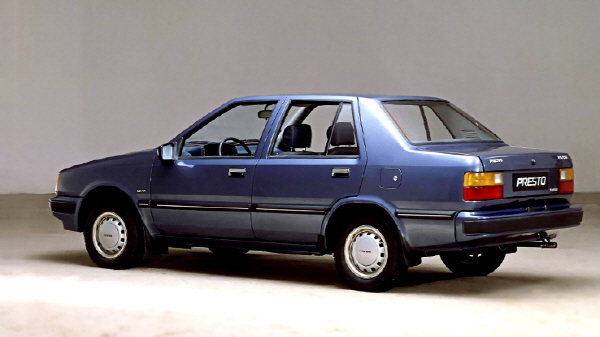
▲ 88올림픽 공식 자동차였던 프레스토 <사진=현대모터그룹>
미래 세대 박물관에는 오늘날 우리가 운전하는 Level 0단계의 차량이 전시되어 있을지도 모른다. 미래 세대는 이 차량에 탑승해 브레이크, 변속기, 핸들을 직접 제어해보며 과거 선조들이 몰았던 피곤한 또는 신기한 차량을 경험해 볼 것이다.
완전 자율주행 차량 구현을 위해 아직 풀어야 할 숙제가 많다. 긍정적 요인뿐만 아니라 프라이버시 침해, 자율주행 차량 간 사고 발생 시의 법·윤리적 분쟁 등에 관한 기준 정립은 물론 인간 소외 등 부정적 요인도 함께 고려되어야 한다.
2018년 5월 기준 구글웨이모, 제너럴모터스, 메르세데스 벤츠, 앱티브, 죽스, 르노 닛산, 폭스바겐아우디, BMW, 도요타, 포드, 볼보, 현대, 피아트크라이슬러, 테슬라, 바이두 등 15개 업체가 자율주행 기술 개발에 투자하고 있다.
연간 73조원 규모의 사회경제적 가치를 창출할 5G와 자율주행 자동차 산업은 이제 차량에 대한 패러다임을 이동수단에서 생활공간으로 변모시키고 있다. 빅데이터, IoT, AI, 로봇, 5G 등을 아우르는 자율주행 자동차의 소프트웨어 운영 시스템은 현재 일어난 상황에 대한 명확한 인지는 물론 다음 상황에 대한 대응까지 절대적으로 신뢰성 있고 안전하게 설계되어야 할 것이다.
최인영 기자
관련뉴스
-
모빌리티 시장에 전자업계의 주목이 쏠리는 이유!
자동차는 이제 연결되어(Connected) 자율주행(Autonomous)하며 공유(Shared)되는 전기차(Electric)로 변화하고 있다. 이런 변화는 미래가 아니라 현실이다. 10월 8일부터 11일까지 나흘간 개최됐던 제50회 한국전자전 2019는 발전한 한국의 전자산업의 현황을 목도하고 조망할 수 있는 기회의 장이었다. 올해 한국전자전 첫 기조연설 연사로 나선 LG전자 이상용 센터장은 ‘모빌리티의 변화에 따른 산업 동향과 진화 방향’을 주제로 변화하는 자동차 산업 현황과 한국이 나아가야 할 방향에 대해 논의했다.
2019-10-14 오후 5:02:55by 이수민 기자
-

자율주행차량 시장, 2025년부터 폭발적 성장할 것
최근의 AI 기술 발전은 딥 러닝 기술에 힘입은 바가 크다. 이에 따라 양질의 데이터를 기반으로 한 빅 데이터도 중요한 요소로 등장하고 있으며, 주요 선진국은 AI 기술 발전 전략에 빅 데이터 분야를 포함하여 정책적 지원을 강화하고 있다. IRS글로벌은 29일, 자동차·로봇 분야 인공지능(AI)의 국내외 핵심기술 개발동향과 비즈니스 분석 보고서를 발간했다. 보고서에 따르면, AI 기술은 산업뿐만 아니라 인간의 삶 자체를 바꿔버릴 핵심 기술로 성장하고 있으며, AI 기술의 확보와 활용 능력은 이제 기업과 국가, 개인의 경쟁력을 좌우하게 될 것이다.
2019-10-30 오후 6:03:23by 이수민 기자
-
통신사가 뛰어든 C-ITS 시장, 5G 기반 C-V2X가 기술체계 정립하나?
올 12월 국토부 주관의 C-ITS 시범사업 완료와 함께, 본격적인 전국 차세대 교통망 확대 구축이 예고되어 있다. 그간 DSRC 방식과 셀룰러 기반의 V2X 방식을 놓고 혼선을 거듭하던 C-ITS 통신기술 체계가, 5G를 기반으로 하는 통신사의 적극적인 참여로 C-V2X 통신으로 기우는 모양새다. 이는 유럽 교통위원회의 DSRC방식에서 C-V2X방식으로의 법안 재수립도 영향을 미친것으로 보인다. 무엇보다 기존의 셀룰러 방식과 큰 통신패킷 용량의 차이를 보이는 5G기반 셀룰러 방식이 도입됨으로써 안정성을 기반으로 탄력을 받는것으로 보인다.
2019-10-30 오후 7:28:16by 명세환 기자
-
5G, AI 경쟁 속 반도체 산업의 미래는?
5G, AI, IoT, 로봇, 자율주행차량 등의 영역에서 반도체 수요가 급증하고 있다. 화웨이를 위시한 중국이 빠르게 성장하고 있다. 미국이 중국을 전방위적으로 압박하고 있으나 중국의 반도체 산업은 성장을 지속하고 있다. 삼성전자는 2030년까지 비메모리 반도체 1위 기업 도약을 위해 파운드리와 시스템 LSI 시장점유율 확대에 나서고 있다.
2019-11-19 오후 1:47:16by 최인영 기자

.png)
관련 웨비나



많이 본 뉴스

[열린보도원칙] 당 매체는 독자와 취재원 등 뉴스이용자의 권리 보장을 위해 반론이나 정정보도, 추후보도를 요청할 수 있는 창구를 열어두고 있음을 알려드립니다.
고충처리인 장은성 070-4699-5321 , news@e4ds.com