제4이통사 5G 28GHz 할당 공고 최종…최저경쟁가격 742억원
기사입력 2023.07.20 15:24

전국·권역 단위 할당…앵커주파수 700MHz 결정
6,000대 망 구축 의무…11월 20일-12월 19일 신청
과기부가 제4이통사 주파수 할당계획을 확정했다.
과학기술정보통신부는 20일 신규사업자에게 28GHz 대역을 할당하는 주파수 할당계획을 확정하고, 할당 계획을 공고했다.
이는 지난 1월 ‘5G 28GHz 신규사업자 진입 지원방안’ 및 7월 6일 ‘통신시장 경쟁촉진 방안’의 정책 기반에서 추진됐다. 또한 과기부는 지난 7월 11일에는 공개 토론회를 개최하여 할당계획(안)에 대한 이해관계자의 토론 내용을 반영했다고 밝혔다.
할당 대상 주파수는 28GHz 대역 800MHz 폭(26.5〜27.3GHz)과 앵커주파수 700MHz 대역 20MHz 폭(738〜748/793〜803MHz)으로 확정됐다.
앵커주파수는 700MHz 대역과 1.8GHz 대역 등이 고려됐으나, 산학연 전문가 및 소비자단체 등이 참여한 공개 토론회에서 신호제어 등에 이용되는 앵커주파수의 특성과 투자효율을 고려할 때 700MHz 대역이 적정하다는 의견을 반영했다고 전했다.
이번 공고에는 망 구축 의무 미이행으로 할당이 취소된 통신 3사 등의 참여는 제한될 것으로 결정이 났다. 이번에 할당 공고된 주파수 대역을 앞으로 3년간 신규사업자 전용대역으로 공급한다. 주파수 이용기간은 6G 상용화 일정(’28~30년 예상) 등을 고려해 할당일로부터 5년으로 결정됐다.

할당 방법은 전파법에 따라 경매를 원칙으로 하되, 1개 사업자가 단독 입찰하는 등 경쟁적 수요가 없는 경우에는 전파법 제11조제1항 단서에 따라 심사를 통한 정부산정 대가 할당으로 전환된다.
전국 단위 할당신청과 권역 단위 할당신청 모두 각각 또는 동시에 가능하다. 전국 단위 할당절차를 우선 추진하되 전국 단위 사업자가 선정되지 않는 경우 권역 단위 할당절차를 추진한다.
전파법에 따라 현 시점 28GHz 대역 주파수의 경제적 가치를 고려해 전국 단위 기준 경매 시 최저경쟁가격은 742억원으로 산정됐다. 권역 단위 최저경쟁가격은 각 권역별 인구, 면적 등 요소를 반영해 수도권 337억원, 동남권 105억원 등이다.
신규사업자의 체감 진입장벽을 높일 수 있는 현 할당대가 납부방식에 대해 할당대가 분할납부 비율을 후기 중심으로 조정하겠다는 기조를 이어 나간다. 신규사업자가 할당대가를 조기 납부하기를 희망한다면, 관련 고시에 따라 과기정통부와 협의해 조기 납부하는 것도 허용할 계획이다.
할당 조건에 해당하는 망 구축 의무는 할당일로부터 3년차까지, 할당받는 사업자는 전국 단위 기준 6,000대의 28GHz 기지국 장비를 구축해야 한다. 권역 단위는 수도권 2,726대, 동남권 852대 등이다.
한편 과기부는 오는 2023년 11월 20일부터 12월 19일까지 약 1개월 간 주파수 할당을 신청 받는다. 잠재적인 신규사업자 후보 기업이 시장 진입여부를 검토할 수 있도록 충분한 시간을 부여하겠다는 취지다.
과기부 이종호 장관은 “정부는 지난 2월 비상경제민생회의 이후 통신시장의 경쟁을 촉진하여 국민의 편익을 증진시킬 수 있는 방안을 마련하였고, 이번 할당 공고로 신규사업자가 진입하여 통신시장의 경쟁구조를 개선할 수 있을 것으로 기대한다”며, “28GHz 대역을 통해 차별화된 서비스를 제공하는 경쟁력 있는 신규사업자를 지속 발굴하겠다”고 밝혔다.

관련뉴스
-

SKT, 5G 28GHz 최종 할당취소…지하철 와이파이 예외
과학기술정보통신부가 SKT에 사전 통지한 5세대(5G) 28㎓ 주파수 할당취소 처분에 대해 행정절차법 상 의견청취 절차가 완료됨에 따라 처분 내용을 최종 확정했다.
2023-05-31 오후 3:50:38by 김예지 기자
-
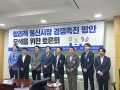
“통신시장 경쟁촉진, 알뜰폰 키워야…5G 도매대가 인하 必”
7일 국회의원회관 제5간담회의실에서 박찬대 의원 주최 공공미디어연구소 주관 ‘합리적 통신시장 경쟁촉진 방안 모색을 위한 토론회’가 열려 각계 전문가들은 국내 이통 3사가 독점하고 있는 통신시장 경쟁촉진 방안을 모색했다. 공공미디어연구소 박상호 연구실장은 “알뜰폰은 가계 통신비 부담 경감과 통신시장 경쟁 활성화를 목적으로 출발했으나, 아직 공급자 중심 정책 틀을 벗어나지 못하고 있다”며, “제4이통사업자 도입보다 알뜰폰 사업자가 경쟁력을 확보할 수 있도록 방안을 마련하고, 장기적으로 Full MVNO 육성을 통한 소비자 선택 중심의 제도 개선이 촉구된다”고 주장했다.
2023-06-08 오후 12:09:55by 김예지 기자
-
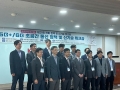
6G 新주파수 어퍼 미드(Upper-mid) 대역 떠오른다
지난 8일 한국전자파학회는 여의도 중소기업중앙회관에서 전파 정책 및 신기술 워크숍을 열고 ‘5G+/6G 초공간 통신 정책 및 신기술’을 주제로 발표했다. 정부가 차세대 네트워크 모범 국가 실현의 비전을 세우고 6G 선도에 출력을 가하고 있다. 6G의 새로운 주파수 대안으로 어퍼 미드(Upper-mid) 대역이 가시화되고 있다.
2023-06-14 오후 2:21:24by 김예지 기자
-
.jpg)
[인터뷰]6G포럼 장경희 집행위원장-“2030년 6G 全산업 확산…글로벌 리더십 선도”
2028~2030년 상용화될 것으로 예상되는 6G는 초연결 시대 핵심기술로 자율주행·UAM·스마트시티·의료·VR 등 新사업 시장 창출을 가속화할 것으로 기대된다. 6G포럼은 그간 이동통신 산업 활성화 지원 성과를 기반으로, 향후 5G 이종산업 융합 및 B5G/6G 글로벌 경쟁력 확보를 목표하고 있다. 본지는 6G포럼 장경희 집행위원장을 만나 우리나라 통신 정책 및 R&D 전략과 6G포럼의 비전 및 목표에 대해 들어보는 자리를 마련했다.
2023-07-03 오후 4:34:10by 김예지 기자
-
“5G 28GHz 제4이통사, 스스로 먹거리 찾아야”
과기부는 11일 양재 엘타워에서 5G 28Ghz 신규사업자 주파수 할당계획에 대한 토론회를 개최했다. 정부가 5G 28GHz 주파수 대역 기반 신규 사업자 발굴을 위한 유인책을 내놓은 가운데, 제4이통사업자로 기존의 경쟁력 있는 사업자가 적합하다는 전문가의 의견이 제시됐다.
2023-07-12 오전 9:56:00by 김예지 기자
-
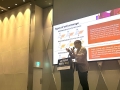
6G 위성통신, 지상-위성 망 통합 강조
12일 용산 드래곤시티에서 위성통신 포럼, ETRI, 한국통신학회, 한국전자파학회, 위성정보통신학회가 6G 위성통신 컨퍼런스를 공동 개최했다. 이날 발표에는 산학연관 전문가들이 6G 위성통신 정책 및 동향, 6G 위성통신 표준활동에 대해 다뤘다. ITU는 전기통신분야의 기술 표준제정을 진행하는 표준화 기구다. 사실 표준화 기구인 3GPP에서 제안한 세부 기술 표준안을 평가해 최종 국제 표준을 채택한다. 위성 IMT-2020 비전의 주요 골자는 지상과 위성 통신 링크를 사용해 끊김 없는 서비스 제공이다. 5G 위성통신을 위한 3GPP NTN 표준화 작업은 6G NTN으로 진화하고 있다.
2023-07-13 오후 5:00:52by 김예지 기자
-

오픈랜, 5G 특화망과 찰떡궁합인 이유
오픈랜은 무선 통신장비의 HW와 SW를 분리하고, 프런트홀 인터페이스와 기지국의 OS를 개방형 표준화함으로써 서로 다른 제조사의 장비의 상호 연동을 가능케 하는 기술이다. 최근 업계에서는 오픈랜 기술의 장점이 5G 특화망 구축에 적합하다는 의견이 제시됐다. 특정 산업 및 기업의 요구에 따라 통신장비를 특정 환경에 맞게 구성하는 데 용이하고, 중소기업이 장비 가격에서 경제성을 확보해 5G 특화망 도입이 쉬워진다는 이유에서다.
2023-07-19 오후 4:20:05by 김예지 기자


많이 본 뉴스

[열린보도원칙] 당 매체는 독자와 취재원 등 뉴스이용자의 권리 보장을 위해 반론이나 정정보도, 추후보도를 요청할 수 있는 창구를 열어두고 있음을 알려드립니다.
고충처리인 장은성 070-4699-5321 , news@e4ds.com