[편집자주] 지구온난화를 넘어 열대화에 이르렀다고 사람들은 입을 모은다. 뜨겁게 달아오른 지구와 함께 IT업계도 뜨겁게 달아오르게 한 화두, 챗GPT와 다양한 인공지능 서비스 열풍은 데이터센터의 서버도 함께 뜨겁게 달구고 있다. 이미 증가하고 있던 데이터 수요는 AI 서비스붐으로 수요 전망치를 힘껏 밀어 올렸으며, 서버 시장은 ESG 측면에서나 장기적인 운영비 측면에서 전력사용효율성(PUE)에 대한 강한 요구를 촉발시켰다.
“거대해지는 AI 규모, 서버 전력·냉각 요구↑”
“인공지능, 서비스화·수익화 무궁무진한 잠재력”
수냉식 엔비디아 H100, 냉각비 80%·전력 30%↓
韓 학·연, 폐쇄 루프 수냉식 워크스테이션 수요↑
 [편집자주]
 지구온난화를 넘어 열대화에 이르렀다고 사람들은 입을 모은다. 뜨겁게 달아오른 지구와 함께 IT업계도 뜨겁게 달아오르게 한 화두, 챗GPT와 다양한 인공지능 서비스 열풍은 데이터센터의 서버도 함께 뜨겁게 달구고 있다. 이미 증가하고 있던 데이터 수요는 AI 서비스붐으로 수요 전망치를 힘껏 밀어 올렸으며, 서버 시장은 ESG 측면에서나 장기적인 운영비 측면에서 전력사용효율성(PUE)에 대한 강한 요구를 촉발시켰다.
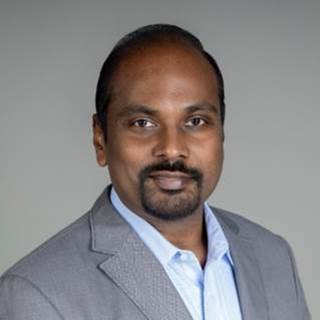
이에 서버 솔루션의 글로벌 리더 슈퍼마이크로의 빅 말얄라 비즈니스 개발 부문 수석 부사장과의 인터뷰를 통해 슈퍼마이크로의 서버 시장 동향과 증가하는 AI 니즈에 대한 서버 구축 해법을 들어봤다. 더불어 김성민 슈퍼마이크로 한국지사 비즈니스 개발 부문 이사가 함께 답변해 국내 소식도 전했다.
■ 본인 소개 부탁드린다
빅 말얄라 : 슈퍼마이크로 FAE(Field Applications Engineer) 겸 비즈니스 개발 부문 수석 부사장으로 월드와이드 필드 엔지니어링 팀을 이끌고 있다. 우리 팀은 대기업, 서비스 제공업체 등 고객사의 요구사항 및 비즈니스 니즈를 파악하고 최적화된 솔루션 구축을 지원한다.
김성민 : 슈퍼마이크로 FAE 겸 비즈니스 개발 부문 이사로 한국 FAE 팀을 관리하고 있다. 빅과 마찬가지로 고객사 요구사항과 니즈를 파악하며, 한국 시장에서 요구하는 고유 애플리케이션에 최적화된 솔루션 구축을 지원하고 있다.
■ 통신사도 클라우드 인프라를 구축하며, 많은 엔터프라이즈들이 자체적인 클라우드와 데이터센터 배포에 힘을 싣고 있다. 이처럼 높아진 데이터센터 구축 배경은 무엇인가?
빅 말얄라 : 많은 사람들이 경험했듯이 인공지능(AI)은 지능과 유용성 면에서 나날이 고도화되고 있다. 편의성과 생산성, 도움과 재미를 제공하며 나날이 강력해지고 발전하는 인공지능은 △알고리즘 △반도체 △소프트웨어 플랫폼 △애플리케이션 등에서 서비스화 및 수익화에 무궁무진한 잠재력과 기회를 지니고 있다.
점차 규모가 커지는 AI로 인해 데이터센터는 더 많은 작업을 할당 받고 있으며, 이는 하루가 다르게 증가하는 추세이다. AI 학습을 위해서는 전력 및 냉각 요구사항을 고려해 최신 CPU와 GPU가 탑재된 최첨단 서버를 배치하는 것이 가장 이상적이다. 엣지에서 AI를 사용하더라도 데이터센터가 AI 기술에 밀접하게 관여할 필요는 변함없이 존재한다.
슈퍼마이크로는 최적화된 하드웨어를 탑재해 에너지 소비를 최소화하는 AI 하드웨어 플랫폼인 그린 컴퓨팅을 제공함에 큰 보람을 느낀다. 슈퍼마이크로의 시스템 솔루션은 △자율주행 △챗 GPT △의료 앱 △과학 연구 △일기예보 △레벨4 공장 등에서 다양한 AI 솔루션을 가속화하는 데 최적화돼 있다.
■ 데이터센터의 과도한 전력 소비 문제가 사회적·환경적 이슈로 부각되고 있다. 슈퍼마이크로는 이에 대한 해답으로 새로운 냉각 솔루션을 강조하는데 이에 대해 소개 바란다
빅 말얄라 : 슈퍼마이크로는 최근 업계 최초로 엔비디아 HGX H100(Delta-Next) GPU와 엔비디아 HGX 4-H100(Redstone-Next)를 탑재한 수냉식 서버를 공개했다. 해당 제품은 랙 플러그 앤 플레이 수냉식 솔루션으로 구축해 성능 향상 및 운영 비용 절감 효과를 가져옴과 동시에 환경에 미치는 영향을 최소화한다.
새로운 수냉식 엔비디아 H100 시스템은 서버 냉각 비용을 최대 80%까지 줄이고 전체 데이터센터 전력 소비를 최대 30%까지 절감한다. 엔비디아는 우리의 중요한 파트너 중 하나이며, 조만간 이 분야에 대한 추가 소식을 공유할 예정이다.
슈퍼마이크로 수냉식 솔루션은 고객이 직접 슈퍼마이크로로부터 최신 수냉식 기술을 얻을 수 있다는 의미이기도 하다. 이중 펌프와 전원 공급장치를 갖춘 냉각 분배 장치(CDU)는 콜드 플레이트 및 냉각 분배 매니폴드(CDM)를 통해 전체 랙을 최대 80kW까지 효율적으로 냉각할 수 있다.
김성민 : 슈퍼마이크로는 현재 한국 파트너사들과도 협력해 증가하는 수냉식 솔루션에 대한 수요를 충족시키고, 해당 시장을 개척하는 성장 기회를 모색하고 있다.
■ 총소유비용(TCO) 면에서 공랭식 대비 어느 정도의 효과를 볼 수 있나? 더불어 냉각수 누수로 인한 시스템 손상 우려는 없는지 궁금하다
빅 : 수냉식 데이터센터의 가장 큰 장점은 데이터센터의 전력 사용량을 줄여준다는 것이다. 고객들에 의하면 데이터센터의 PUE(전력사용효율성)를 업계 표준 수치인 1.6에서 약 1.06까지 줄일 수 있다고 한다.
일례로, 액체 순환을 위해 CDU 펌프를 구동할 때 필요한 전력은 냉방 비용 절감으로 쉽게 상쇄 가능할 정도로 적다. 단일 랙에 더 높은 밀도로 컴퓨팅을 배치할 수 있으므로, 데이터센터의 물리적 공간도 줄일 수 있다.
최신 커넥터는 냉각수 누출 우려를 해소할 수 있다. 수년동안 CPU와 GPU 모두 다이텍트 투 칩(Direct-to-Chip) 수냉식 서버를 테스트한 결과 단 한 번의 냉각수 누출도 발생하지 않았다.
■ 사무실 및 홈오피스 환경에 적합한 랙형 수냉식 AI 개발 시스템에 대해 언급한 적이 있다. 현재 로컬에서 슈퍼마이크로의 AI 개발 시스템 도입 현황과 향후 시장 전망이 궁금하다
빅 : 슈퍼마이크로는 수냉식 AI 개발 시스템에 큰 관심을 갖고 있다. 워크스테이션 폼 펙터의 경우 듀얼 4세대 인텔 제온 스케일러블 CPU와 4개의 엔비디아 A100 GPU 모두 수냉식으로 장착했다. 그 결과 시스템 소음도 사무실과 가정에서 허용 가능한 수준으로 감소했다.
김성민 : 이와 같은 폐쇄 루프 수냉식 워크스테이션으로 연구자와 개발자는 하드웨어 성능 저하 없이 책상에서 바로 AI 프로토타입을 보다 빠르고 편리하게 개발할 수 있다. 조용한 작업 환경을 위해 성능을 양보할 필요가 없으며, 국내 학계 및 연구소의 폐쇄 루프 수냉식 워크스테이션 폼 펙터에 대한 수요 또한 증가하고 있는 추세이다.
한국은 하드웨어와 소프트웨어 분야를 가리지 않고 가장 빠르게 성장하는 AI 시장 중 하나로, 슈퍼마이크로는 시장의 수요에 대응하기 위해 2021년 한국에 사무소를 개설했다. 가장 개방적인 하드웨어 플랫폼 제공업체로서 기존 한국 고객과 협력할 뿐 아니라, 한국 AI 스타트업과의 새로운 기회도 기대한다.