젠슨 황, “전력망, 에너지 앱 스토어 갖춘 스마트 네트워크로 변모”
기사입력 2024.06.20 10:23
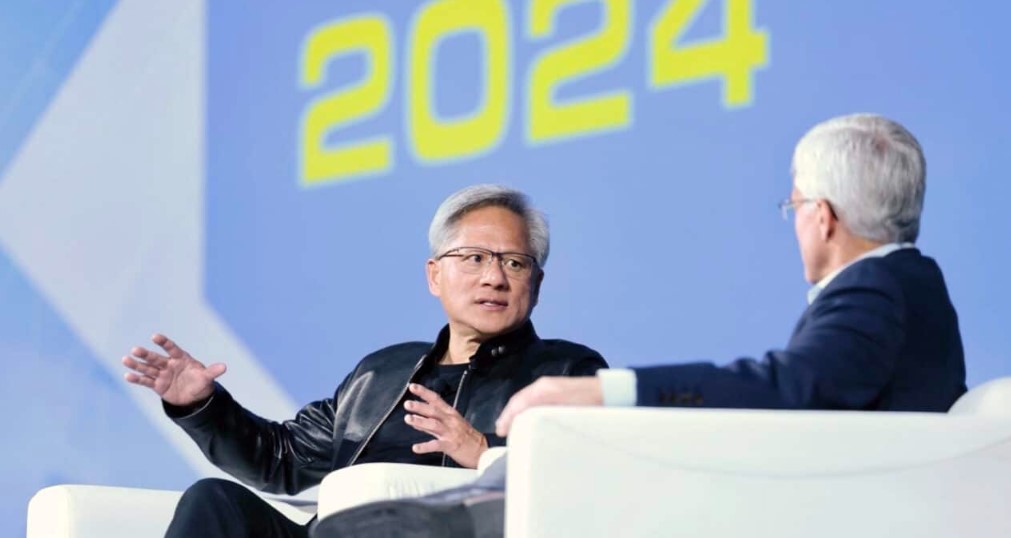
▲엔비디아 젠슨 황, AI 기반 전력망에 대한 긍정적 전망 제시
전력망과 AI, 효율·생산성 향상 도모
AI 기술의 확산으로 변화하는 전력망에서의 활용 사례가 증가하고 있다. 젠슨 황 엔비디아 CEO는 전력망에 AI 비전을 제시하며 에너지 효율과 생산성 향상을 강조했다.
젠슨 황 엔비디아 창립자 겸 CEO가 지난 18일 화요일 미국 및 국제 유틸리티 협회인 에디슨 전기협회(Edison Electric Institute, EEI)의 연례 회의에 참석했다고 20일 밝혔다.
젠슨 황이 에디슨 전기협회 연례회의에서 전력망과 이를 관리하는 유틸리티는 AI·가속 컴퓨팅이 주도하는 차세대 산업 혁명에서 중요한 역할을 담당하고 있다고 전했다.
젠슨 황은 “디지털 인텔리전스의 미래는 매우 밝으며, 그만큼 에너지 분야의 미래도 밝다”고 언급하며, “가장 큰 영향력과 수익은 전력망을 통한 에너지 공급에 AI를 적용하는 데 있다”고 말했다.
젠슨 황은 전력망이 AI 기반 스마트 계량기를 사용해 고객들이 여분의 전력을 이웃에게 판매할 수 있도록 하는 방법을 하나의 예시로 설명했다.
그는 “구글(Google)처럼 자원과 사용자들을 연결함으로써 전력망이 에너지 앱 스토어와 같은 디지털 레이어를 갖춘 스마트 네트워크가 될 것이다”라며 “AI는 이전 산업혁명과 마찬가지로 우리가 경험하지 못한 수준으로 생산성을 끌어올릴 것”이라고 덧붙였다.
■ 전력망 밝혀줄 AI
오늘날의 전력망은 주로 몇몇 대형 발전소와 많은 사용자를 연결하는 단방향 시스템이다. 그러나 앞으로는 태양광 패널, 배터리, 전기 자동차 충전기를 갖춘 가정과 건물을 연결하는 태양광과 풍력 발전소를 통해 양방향의 유연하고 분산된 네트워크가 될 것으로 예상된다.
이는 방대한 양의 데이터를 실시간으로 처리하고 분석하는 자율 제어 시스템이 필요하다. AI와 가속 컴퓨팅에 적합한 대규모 작업인 것이다. 엔비디아의 기술을 사용하는 광범위한 기업 생태계 덕분에 AI는 전력망 전반의 사용 사례에 적용되고 있다.
최근 GTC 세션에서 유틸리티 공급업체 허벨(Hubbell)과 엔비디아 인셉션(Inception) 프로그램 회원인 스타트업 유틸리데이터(Utilidata)는 엔비디아 젯슨(Jetson) 플랫폼을 사용하는 차세대 스마트 미터에 대해 설명했다.
엔비디아 젯슨은 유틸리티가 엣지에서 AI 모델을 사용해 실시간 전력망 데이터를 처리하고 분석하기 위해 배포하는 플랫폼이다. 최근 딜로이트(Deloitte)는 이러한 계획을 지원한다고 발표했다.
최근 GTC 세션에서 지멘스 에너지(Siemens Energy)는 변전소 변압기의 디지털 트윈을 구축해 예측 유지보수를 개선하고 전력망 복원력을 강화하기 위해 AI와 엔비디아 옴니버스(Omniverse)를 사용한 활용 사례를 소개했으며, 지멘스 가메사(Gamesa)가 옴니버스와 가속 컴퓨팅을 통해 대규모 풍력 발전 단지의 터빈 배치를 최적화한 방법을 영상으로 소개한 바 있다.
포틀랜드 제너럴 일렉트릭(Portland General Electric)의 CEO인 마리아 포프(Maria Pope)는 “엔비디아가 개발한 AI와 고급 컴퓨팅 기술을 배포함으로써 더 빠르고 뛰어난 전력망 현대화가 가능해졌으며, 이를 통해 우리는 고객에게 더 나은 서비스를 제공할 수 있게 됐다”고 말했다.
■ 45,000배 에너지 효율 제공하는 엔비디아
젠슨 황은 최근 컴퓨텍스(COMPUTEX) 기조연설에서 지난 8년 동안 엔비디아는 최첨단 거대 언어 모델(large language models, LLM)에서 AI 추론 실행의 에너지 효율성을 무려 45,000배 향상시켰다고 말했다.
엔비디아 블랙웰(Blackwell) 아키텍처 GPU는 AI와 고성능 컴퓨팅을 위해 CPU보다 약 20배 더 높은 에너지 효율성을 제공한다. 이러한 작업을 위한 모든 CPU 서버를 GPU로 전환하면 사용자는 연간 37테라와트시(TWh)를 절약할 수 있다. 이는 이산화탄소 2,500만 메트릭 톤과 500만 가구의 전기 사용량에 해당하는 양이다.
이러한 이유로 세계에서 가장 에너지 효율적인 슈퍼컴퓨터를 선발하는 그린500(Green500)의 최신 순위에서 엔비디아 기반 시스템이 상위 10위 중 무려 7자리를 차지할 수 있었다. 이중 1위에서 6위는 모두 엔비디아 기반 시스템이다.
최근 한 보고서는 각국 정부가 여러 산업 분야에서 에너지 효율을 높이기 위한 중요한 도구로써 AI 도입을 가속화할 것을 촉구하고 있다. 유틸리티 기업들이 AI와 가속 컴퓨팅을 도입해 운영을 개선하고 비용과 에너지를 절감하는 방안에 대해 탐색이 필요한 시점인 것이다.

관련뉴스
-
.jpg)
엔비디아, 컴퓨팅 인플레이션 당면...新반도체 로드맵으로 돌파 예고
컴퓨팅에서 처리해야 할 데이터가 기하급수적으로 빠르게 증가하는 반면 이를 처리해야 하는 프로세서의 연산은 데이터의 증가 속도를 따라잡기 못하고 있다. 이에 젠슨 황 CEO는 컴퓨테이션 인플레이션이 발생하고 있다면서 데이터센터의 비용과 전력량이 증가하고 있다고 설명했다.
2024-06-04 오전 9:40:00by 권신혁 기자
-

스노우플레이크, 엔비디아와 맞춤형 AI 앱 맞손
스노우플레이크와 엔비디아가 AI 기반 애플리케이션, 모델 및 하드웨어를 통합, 고객이 비즈니스 전반에 걸쳐 쉽고 효율적이며 안전하게 엔터프라이즈 AI를 도입할 수 있도록 지원한다.
2024-06-05 오전 11:11:02by 배종인 기자
-
SAP, 구글·메타·MS·엔비디아와 손잡고 기업용 AI 확대
SAP가 4일(현지시간) 미국 플로리다 올랜도에서 SAP의 연례 컨퍼런스 ‘SAP 사파이어(SAP Sapphire) ‘행사를 개최했다. 이번 행사에서 SAP는 세계에서 가장 미션 크리티컬한 프로세스를 지원하는 엔터프라이즈 클라우드 포트폴리오에 비즈니스 AI(Business AI)를 도입하겠다고 밝혔다.
2024-06-05 오전 11:36:18by 김예지 기자
-
슈퍼마이크로, 컴퓨텍스서 액체 냉각 보너스 제공 발표
슈퍼마이크로가 컴퓨텍스 2024에서 엔비디아 AI 엔터프라이즈 플랫폼에 최적화된 수냉식 슈퍼클러스터 라인업을 공개했다.
2024-06-05 오전 11:36:40by 권신혁 기자
-
.jpg)
인텔 ‘모든 곳의 AI‘, AI 전선에서 反엔비디아 결집
“AI는 강력한 개방형 생태계가 필요하다. 네이버와의 전략적 파트너십도 같은 비전을 가지고 목표한 바를 이루고자 하는 것이다” 인텔 저스틴 호타드(Justin Hotard) 수석 부사장이 지난 5일 인텔 AI 서밋(Intel AI Summit)에서 AI에 대한 개방형 생태계 구축을 강조하며 인텔 중심의 AI 파트너십 확대 의지를 공고히 했다.
2024-06-07 오전 9:52:34by 권신혁 기자


많이 본 뉴스

[열린보도원칙] 당 매체는 독자와 취재원 등 뉴스이용자의 권리 보장을 위해 반론이나 정정보도, 추후보도를 요청할 수 있는 창구를 열어두고 있음을 알려드립니다.
고충처리인 장은성 070-4699-5321 , news@e4ds.com