인텔·OSC, HPC 클러스터로 AI 처리 2배 향상
기사입력 2024.02.23 15:57
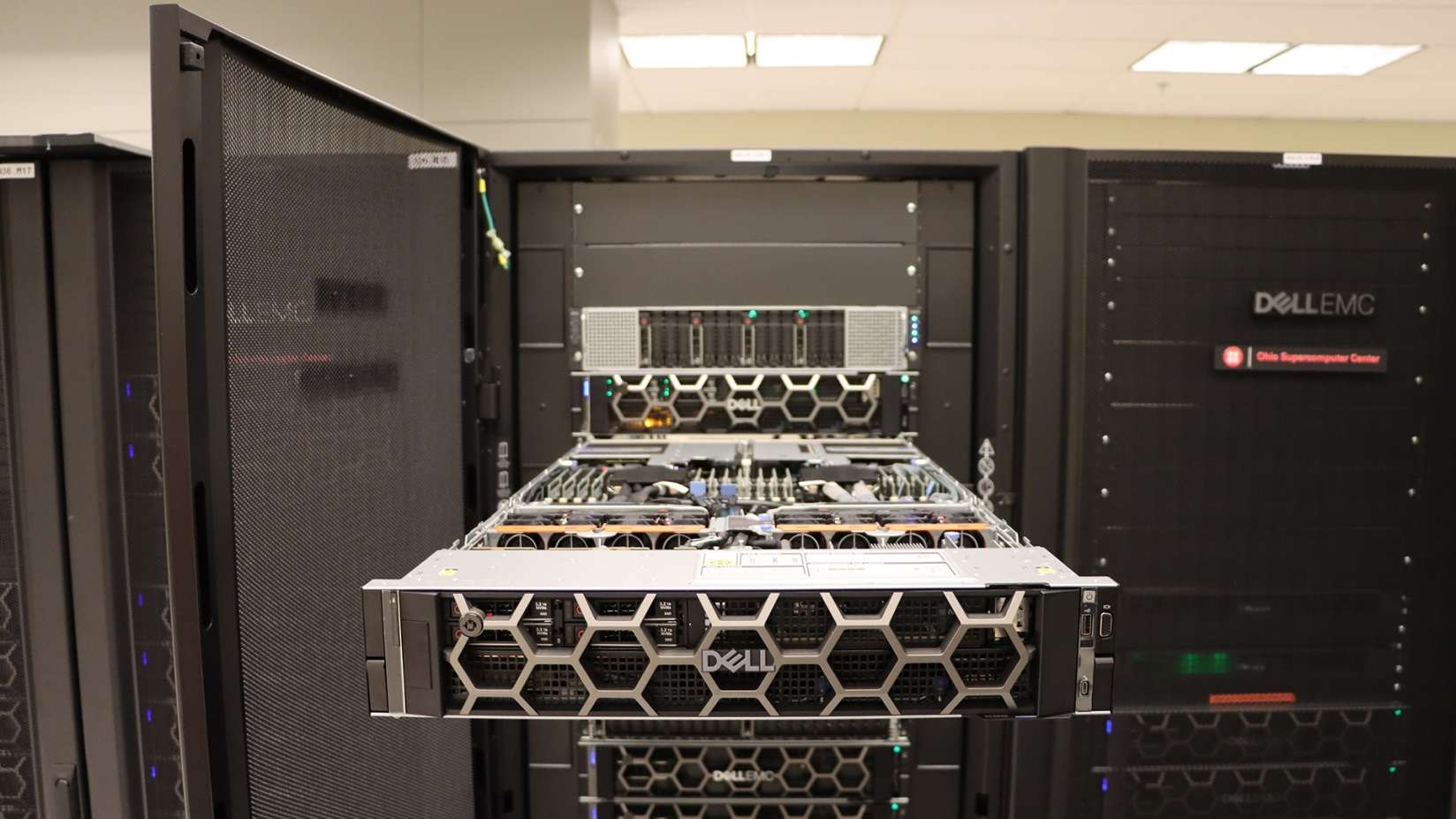
▲인텔-오하이오 슈퍼컴퓨터 센터 새로운 HPC 클러스터(사진:인텔)
인텔·델·엔비디아·OSC, 차세대 HPC 클러스터 계획 공개
AI와 머신 러닝은 과학, 공학, 바이오 의학 분야에서 복잡한 연구 문제를 해결하기 위해 필수적으로 활용되고 있다. 이러한 기술의 효능이 지속적으로 입증되면서 농업 과학, 건축학, 사회학과 같은 학문 분야에서도 활용도 늘어나고 있다.
인텔이 델 테크놀로지스, 엔비디아, 오하이오 슈퍼컴퓨터 센터(OSC)와 협업해 최첨단 고성능 컴퓨팅(HPC) 클러스터인 카디널(Cardinal)을 공개했다고 23일 밝혔다.
카디널은 연구, 교육 및 산업 혁신과 더불어 특히 인공지능(AI) 분야에서 증가하는 지역 내 HPC 리소스 수요를 충족하기 위해 특별히 설계됐다.
카디널 클러스터는 증가하는 AI 워크로드의 수요를 충족할 수 있는 하드웨어를 갖추고 있다. 기능과 용량 모든 면에서 이번 새로운 클러스터는 2016년에 출시된 오웬스 클러스터(Owens Cluster)를 대체할 시스템보다 더 대규모의 업그레이드가 될 것으로 기대했다.
카디널 클러스터는 메모리 사용량이 많은 HPC 및 AI 워크로드를 효율적으로 관리하는 동시에 프로그래밍 기능, 이식성(portability) 및 에코시스템 채택을 촉진하는 기반이 되는 델 파워엣지(Dell PowerEdge) 서버와 고대역폭 메모리(HBM)를 갖춘 인텔 제온 CPU 맥스 시리즈(Intel® Xeon® CPU Max Series)를 활용한 이기종 시스템이다.
△총 39,312 CPU 코어를 제공하는 756개 맥스 시리즈(Max Series) CPU 9470 프로세서 △128 기가바이트(GB) HBM2e 및 노드 당 512 GB의 DDR5 메모리 △단일 소프트웨어 스택과 x86 기반 기존 프로그래밍 모델을 갖춘 이 클러스터는 광범위한 사용 케이스를 처리하고 쉽게 도입 및 배포할 수 있도록 지원해 OSC의 처리 능력을 두 배 이상 향상시킬 수 있다.
기타 주요 스펙으로는 △32개의 노드로 104개의 코어 △1테라바이트(TB)의 메모리 △4개의 NV링크(NVLink) 연결로 상호 연결된 94GB HBM2e 메모리를 갖춘 엔비디아 호퍼 아키텍처 기반 H100 텐서 코어(H100 Tensor Core) GPU 4개 탑재 △초당 400기가비트(Gbps)의 네트워킹 성능과 짧은 지연 시간을 제공하는 엔비디아 퀀텀-2(Nvidia Quantum-2) 인피니밴드(InfiniBand)로 대규모 AI 기반 과학 애플리케이션을 위한 500페타플롭(petaflop)의 최고 AI 성능(희소성 포함 FP8 텐서 코어) △16개의 노드에 104개의 코어 △128GB HBM2e 및 2TB DDR5 메모리를 탑재해 대규모 대칭형 멀티프로세싱(SMP) 스타일 작업 처리 가능 등을 포함한다.
인텔 데이터 센터 AI 솔루션 제품군 총괄 오기 브르기치(Ogi Brkic) 부사장은 “인텔 제온 CPU 맥스 시리즈는 가장 널리 채택된 AI 프레임워크와 라이브러리를 활용해 HPC 및 AI 워크로드를 개발하고 구현하는 데 최적의 선택지”라며 “이 시스템의 고유한 이기종성을 통해 OSC의 엔지니어, 연구원 및 과학자들이 이 시스템이 제공하는 2배 이상 메모리 대역폭 성능을 최대한 활용할 수 있도록 지원할 것”이라고 말했다.

관련뉴스
-
마우저, 어드밴텍 VEGA-P110 PCIe 인텔 아크 A370M 임베디드 GPU 카드 공급
최신 전자부품 및 산업 자동화 제품을 공급하는 글로벌 공인 유통기업인 마우저 일렉트로닉스(Mouser Electronics)가 어드밴텍(Advantech)의 VEGA-P110 PCIe 인텔 아크(Intel® Arc) A370M 임베디드 GPU 카드를 공급한다.
2024-02-08 오전 11:00:25by 배종인 기자
-

헥사곤, 실물로 검증하기 어려운 대형 선박·해양 환경 디지털 구현
센서, 소프트웨어, 자율 기술을 결합한 디지털 리얼리티 솔루션 분야의 글로벌 리더 헥사곤 매뉴팩처링 인텔리전스(Hexagon Manufacturing Intelligence)가 영남대학교의 박지혁 교수 연구팀이 해양수산과학기술진흥원의 재정지원을 받아 수행한 ‘6,000톤급 자율운항선박을 위한 자동계류장치 설계 및 구조 최적화에 대한 연구’에 자사 동역학 시뮬레이션 솔루션 ‘아담스(Adams)’를 지원했다.
2024-02-08 오전 11:54:26by 배종인 기자
-
.jpg)
스카이칩스, 전자가격표시기 IC에 Ceva 블루투스 IP 탑재
글로벌 기술 인텔리전스 기업 ABI 리서치는 ESL 시장의 연간 출하량이 2022년 약 1억8,500만개에서 2027년까지 약 5억6,000만개로 성장할 것 예측했다. 이에 블루투스를 지원하는 전자가격표시기(ESL)가 시장 전반에 걸쳐 더 많은 비중을 차지할 것으로 전망했다.
2024-02-14 오전 11:15:33by 권신혁 기자
-
인텔, “AI 가속화 AI PC 공급이 우선·내년까지 1억대”
인텔(Intel)이 AI는 PC 산업의 새로운 기회로 AI의 발전을 위해서는 디바이스가 우선적으로 많이 공급돼야 한다며, 내년까지 약 1억대의 디바이스를 공급할 수 있도록 제품 수급에 만전을 다하겠다고 밝혔다.
2024-02-19 오후 3:42:45by 배종인 기자
-
인텔, 시스템즈 파운드리 출범...1나노 출하 2025년 코앞
첨단 반도체 파운드리 시장 2파전이 3파전 양상으로 확전될 준비를 마쳤다. 인텔이 본격적인 시스템즈 파운드리를 출범하며 미세화 공정과 첨단 패키징 등을 앞세워 생태계 리더십을 가져오려는 야심을 드러냈다.
2024-02-22 오후 2:51:35by 권신혁 기자


많이 본 뉴스

[열린보도원칙] 당 매체는 독자와 취재원 등 뉴스이용자의 권리 보장을 위해 반론이나 정정보도, 추후보도를 요청할 수 있는 창구를 열어두고 있음을 알려드립니다.
고충처리인 장은성 070-4699-5321 , news@e4ds.com