기사입력 2024.07.18 09:33
.jpg)

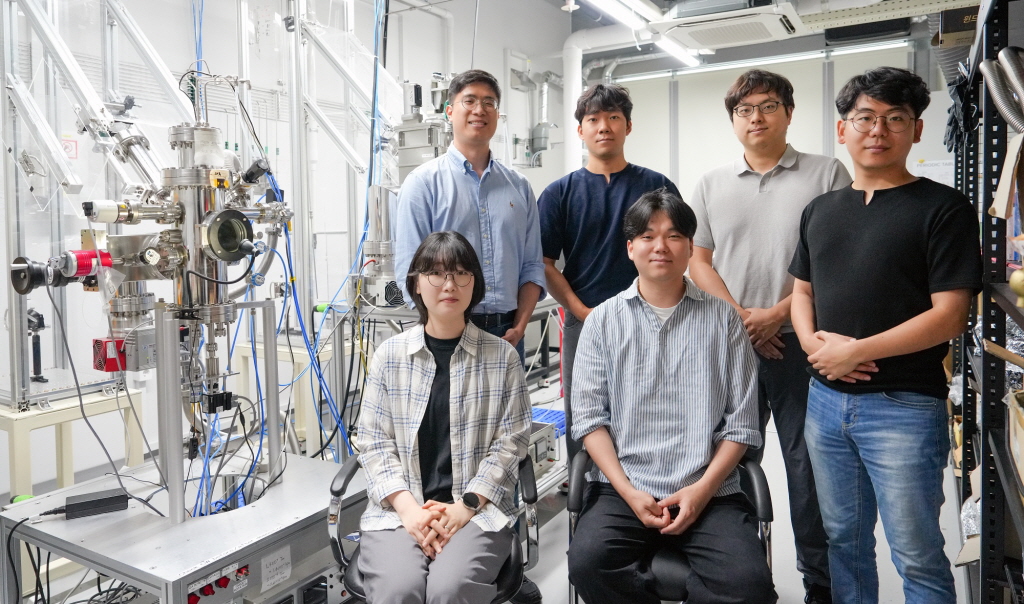
UNIST(총장 이용훈) 반도체 소재·부품 대학원 및 신소재공학과 서준기 교수팀이 중국과학원 선전선진기술연구원 Feng Ding 교수, 세종대학교 김성규 교수, UNIST 정창욱 교수팀과 함께 유기금속화학기상증착법(Metal-organic chemical vapor deposition, MOCVD)을 활용해 200도의 저온에서 주석 셀라나이드계 소재별 맞춤형 공정법으로 얇은 막을 웨이퍼 단위의 대면적에 증착시킬 수 있는 박막 증착 공정법을 개발했다.
2024-05-02 오후 3:07:34by 배종인 기자

UNIST(총장 이용훈) 전기전자공학과 변영재 교수 연구팀이 전자기파 기반의 센서를 이용한 복부 부착형 수면무호흡증 진단 시스템을 스마트폰 앱으로 개발했다.
2024-06-13 오후 4:38:05by 배종인 기자

UNIST(총장 이용훈) 인공지능대학원의 백승렬 교수팀이 프롬프트 입력 창에 텍스트를 넣으면 손과 물체의 상호작용 동작을 생성하는 기술(Text2HOI)을 개발했다.
2024-06-19 오후 4:56:49by 배종인 기자
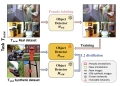
UNIST(총장 이용훈) 인공지능대학원 백승렬 교수팀이 AI가 기존 지식을 유지하면서도 새로운 정보를 학습할 수 있는 ‘SDDGR(Stability Diffusion-based Deep Generative Replay)’ 기술을 개발했다.
2024-06-20 오전 8:38:04by 배종인 기자
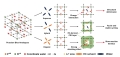
UNIST(총장 이용훈) 에너지화학공학과 이현욱 교수팀이 프러시안 블루를 양극재로 활용해 배터리 성능을 크게 높이면서도 값싼 리튬 이차전지 시스템을 개발했다.
2024-06-24 오후 12:04:37by 배종인 기자
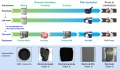
UNIST(울산과학기술원) 에너지화학공학과 정경민 교수팀은 리튬 이온 배터리의 건식 전극 단위 공정과 반제품 평가 방법을 새롭게 개발했다고 25일 밝혔다. 유해한 용매를 사용하지 않는 이 건식 공정은 배터리 성능을 높이면서 환경 보호에도 도움이 된다.
2024-06-25 오후 3:13:48by 배종인 기자
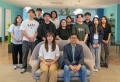
UNIST 연구팀이 유해물질 탄화수소를 분해하는 자연 모방 촉매를 개발했다. 탄소-수소 결합을 산화시켜 에너지 소모를 줄이고, 환경오염 방지에 기여할 것으로 기대된다.
2024-07-10 오후 4:19:05by 배종인 기자
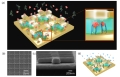
UNIST(총장 박종래) 전기전자공학과 이종원 교수와 한국기계연구원(원장 류석현) 나노리소그래피 연구센터 정주연 박사 공동연구팀이 단백질 검출 민감도를 획기적으로 높인 새로운 바이오센서를 개발했다.
2024-07-11 오전 11:44:33by 배종인 기자


[열린보도원칙] 당 매체는 독자와 취재원 등 뉴스이용자의 권리 보장을 위해 반론이나 정정보도, 추후보도를 요청할 수 있는 창구를 열어두고 있음을 알려드립니다.
고충처리인 장은성 070-4699-5321 , news@e4ds.com