Microchip _ Nov 25
반도체 AI 보안 인더스트리 4.0 SDV 스마트 IoT 컴퓨터 통신 특수 가스 소재 및 장비 유통 e4ds plus

[모빌리티 그랑프리] Carbon neutrality for electric vehicles depends on renewable energy.

기사입력2024.02.16 12:03


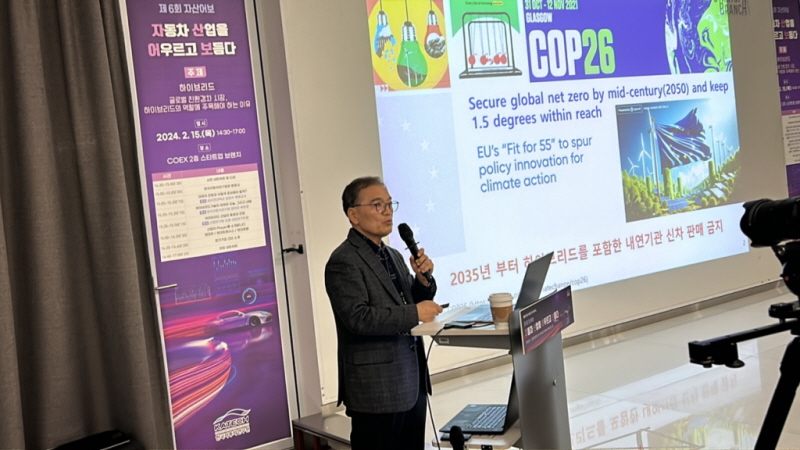
▲Kim Hyun-soo, Professor Emeritus of Sungkyunkwan University

Electric vehicle operation, including energy source production, accounts for more than 50% of electric vehicle carbon emissions.
Replacing renewable energy in electricity generation can reduce carbon emissions by up to 65% compared to internal combustion engines.

Experts have argued that for electric vehicles to become a true solution to carbon neutrality, they must be followed by a power infrastructure and grid environment powered by renewable energy.
Kim Hyun-soo, professor emeritus of Sungkyunkwan University, emphasized the use of renewable energy in the electric vehicle industry at the 6th Jasan Eobo event held by the Korea Automotive Research Institute (hereinafter referred to as Hanjayeon) at the COEX Startup Branch on the 15th, which focused on the latest trends and prospects, including hybrid technology.
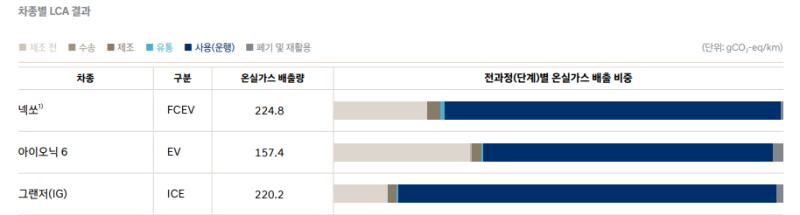
Professor Emeritus Kim Hyeon-su said that for an 80kW electric vehicle, carbon emissions are only reduced by 25% compared to internal combustion engine vehicles when electricity is produced using fossil fuels, and that it is important to use renewable energy in the operation phase (including energy source production and distribution processes), which accounts for more than 50% of greenhouse gas emissions in the life cycle assessment (LCA) of electric vehicles.

▲LCA results by vehicle type (Image source: 2023 Hyundai Motor Company Sustainability Report)
He added that replacing electricity generation with renewable energy sources like solar could reduce carbon emissions by 65%, down from just 25%.
He also expressed his regret over the unfortunate state of our country's power transmission and distribution system that makes the above possible.
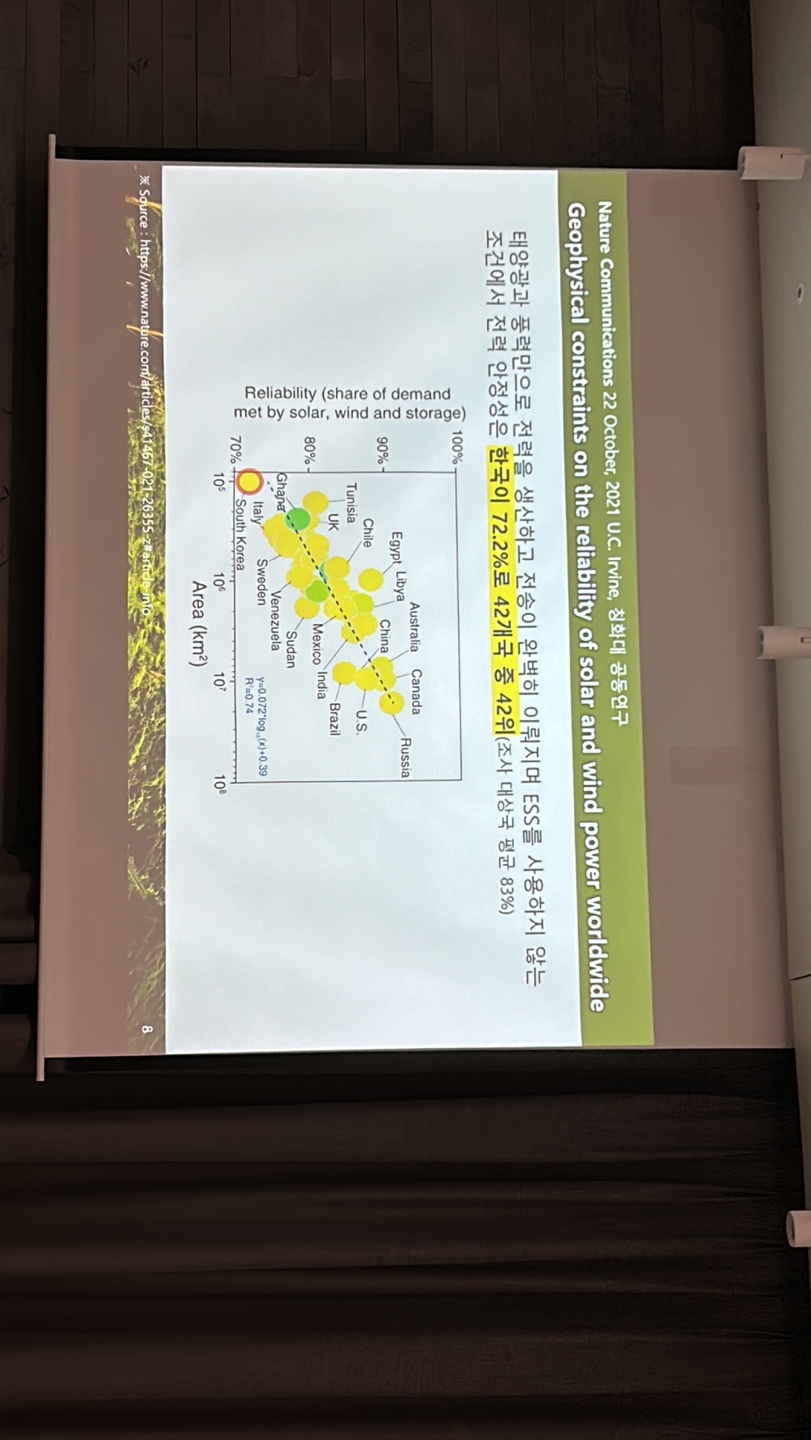
Professor Kim shared the results of an analysis in Nature, which showed that under conditions where electricity is produced solely from solar and wind power, transmission is perfectly performed, and ESS is not used, Korea ranked last among the 42 countries surveyed in terms of power security at 72.2% (the average for the countries surveyed was 83%).
According to data released by the Korea Energy Economics Institute in October last year, renewable energy power generation in the first half of 2023 was 27,925 MW, accounting for 9.7% of total power generation (286,534 MW).
Professor Emeritus Kim Hyun-soo said, “Renewable energy generation is steadily increasing, but KEPCO’s massive deficit means it will not have the luxury of focusing on transmission and distribution.” He added, “Even if we achieve our goal of 4.2 million electric vehicles by 2030, we will need to consider whether this will truly contribute to carbon neutrality.”