SiC 기술에 대한 수요가 지속 증가하고 있다. 그러나 SiC 제품은 Si 제품의 대체품이 아니며, 모든 제품이 같지도 않다. SiC 기술의 잠재력을 실현하려면 품질, 공급, 지원을 기준으로 제품과 공급업체 옵션을 신중하게 평가하고, 혁신적인 SiC 전력 부품과 종단 시스템의 통합을 최적화하는 방법을 숙지해야 한다.
SiC 제품 신뢰성 평가·
공급업체 지원책 자세히 검토해야
전력 시스템의 효율을 극대화하는 동시에 크기, 무게, 비용을 절감하는 실리콘카바이드(SiC) 기술에 대한 수요가 지속해서 증가하고 있다. 그러나 SiC 제품은 실리콘(Si)의 드롭인(drop-in) 대체품이 아니며 모든 제품이 같지도 않다.
SiC 기술의 잠재력을 실현하기 위해서는 품질, 공급, 지원을 기준으로 제품과 공급업체 옵션을 신중하게 평가하고, 혁신적인 SiC 전력 부품과 종단 시스템의 통합을 최적화하는 방법에 대한 이해가 선행되어야 한다.
◇ 증가하는 SiC 기술 채택
최근 SiC 기술의 채택이 증가하고 있다. 여러 공급업체가 다양한 제품을 내놓으면서 제품 가용성 또한 높아졌다. 지난 3년간 SiC 시장은 두 배로 성장했고, 그 규모는 향후 10년간 20배 더 성장해 100억 달러에 이를 전망이다.
SiC 기술은 온보드 하이브리드 및 전기차(H/EV) 애플리케이션은 물론 기차, 대형 차량, 산업 장비, 전기차 충전 인프라 등 비자동차 전력 및 모터 제어 시스템에서도 채택되고 있다. 항공우주 및 방위 공급업체 역시 엄격하기로 유명한 이들 업계의 부품 견고성 요건을 충족하기 위해 SiC 품질 및 신뢰성 강화에 힘쓰고 있다.
SiC 기술 활용의 핵심은 SiC 제품의 신뢰성 및 견고성 검증이다. 그 수준은 공급업체마다 다르다. 토털 시스템에 중점을 두는 추세에 따라 개발자는 공급업체의 SiC 제품군 범위도 평가해야 한다. 글로벌 배포, 종합적인 디자인 시뮬레이션 및 개발 도구, 다양한 다이/개별/모듈 옵션을 제공하는 곳을 선택하면 좋다.
간편하게 시스템 성능을 튜닝할 수 있으면서 기존 구현 관련 문제를 해결하는 디지털 프로그래머블 게이트 드라이버 같은 최신 기술도 고려할 필요가 있다.
◇ SiC 제품의 신뢰성 평가 기준 3가지
SiC 제품의 신뢰성은 ▲애벌런치 내구성(avalanche capabilities) ▲단락 회로 내구성 ▲SiC MOSFET 바디 다이오드 순방향 전압 안정도로 파악할 수 있다.
3가지 기준 중에 애벌런치 내구성 평가가 특히 중요하다. 수동 소자의 오작동으로 정격 항복 전압이 초과되면, 순간적인 전압 스파이크가 발생해 SiC 제품을 고장 낼 수 있다. 이는 전체 시스템 고장으로 이어질 수 있다.
충분한 애벌런치 내구성을 갖춘 SiC MOSFET은 스너버(snubber) 회로의 필요성을 낮추고 애플리케이션 수명을 연장한다. 최고 등급의 디바이스는 UIS 수준이 최대 25J/cm2로 상당히 높은 편이다. 이들 디바이스는 반복 UIS 테스트를 10만 회 수행한 후에도 파라미터 상 성능 저하가 거의 나타나지 않는다.
두 번째 기준인 단락 회로 내구성은 단락 회로 강도 시간(SCWT)이나 레일투레일(rail-to-rail) 단락 상황에서 제품 고장이 발생하기까지의 최대 시간을 측정하면 알 수 있다. 측정 결과는 전력 변환 애플리케이션에 사용되는 IGBT의 수치에 근접해야 한다. IGBT의 SCWT는 대부분 5~10마이크로초(μs)다. 충분한 SCWT를 확보하면 시스템에 피해를 주지 않고 고장 상태를 정비할 수 있다.
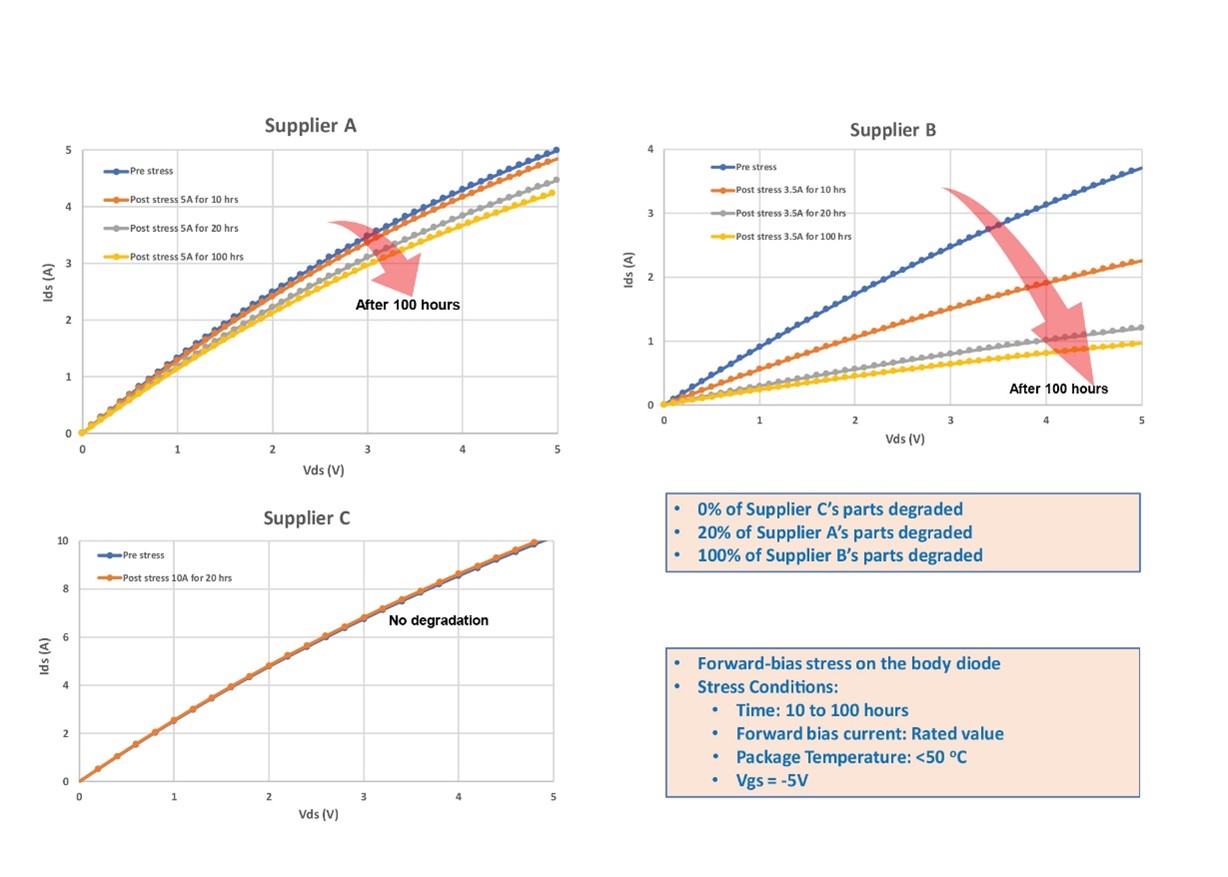
세 번째 지표인 SiC MOSFET 진성(intrinsic) 바디 다이오드의 순방향 전압 안정도는 공급업체마다 상당한 차이가 있을 수 있다. 제품의 설계, 가공, 소재 선택 등이 잘못되면 동작하는 동안 다이오드의 전도성이 저하돼 온저항이 높아진다.
▲ SiC MOSFET의 순방향 특성 – 공급업체별
바디 다이오드 성능 저하 차이 [출처=오하이오주립대
아난트 아가왈(Anant Agarwal) & 강민석 박사]
오하이오주립대에선 공급업체 세 곳의 MOSFET을 평가하는 연구를 진행했다. 결과 그래프 오른편을 보면, B 업체의 제품은 모두 순방향 전류에서 성능 저하를 보였지만, C 업체의 제품은 MOSFET에서 어떠한 저하도 관측되지 않았다.
제품 신뢰성을 검증하고 나면 다음 단계로 이들 제품을 둘러싼 생태계를 평가해야 한다. 여기에는 폭넓은 제품 옵션, 탄탄한 공급망 및 설계 지원이 포함된다.
◇ 공급, 지원 및 시스템 레벨 설계
SiC 제품 공급업체가 늘며 자동차, 항공우주, 방위 등의 SiC 시장에서 제품 공급 및 지원 경험과 인프라, 디바이스 옵션 측면에서 기업 간 차이가 커지고 있다.
전력 시스템 설계는 시간이 지나며 여러 세대로 진화한다. SiC 애플리케이션도 그렇다. 초창기 제품은 표준 삽입 실장형(through-hole) 및 표면 실장형(surface mount) 패키지 옵션 중 널리 시판되는 표준 디스크리트 전력 제품이 사용된다.
애플리케이션 수가 늘어나고 크기, 무게 및 비용 절감에 주력하게 되면서 개발자는 디자인을 통합 전력 모듈로 옮겨가거나 외부 파트너십 체결을 선택하기도 한다. 이러한 외부 파트너십 대상에는 최종 제품 설계팀, 모듈 제조사, SiC 다이 공급업체 등이 있다. 이들은 각각 전체 디자인 목표 달성에 중대한 역할을 한다.
공급망 문제는 급성장하는 SiC 시장에서 주된 관심사이자 우려되는 부분이다. SiC 기판 소재는 SiC 다이 제조 단계에서 가장 고가인 소재다. 또한 SiC 제조에는 실리콘 기반 제품이나 IC 개발에는 필요 없는 고온 조립 장비도 필요하다.
개발자는 자연재해나 큰 수율 문제가 발생할 때를 대비해 SiC 공급업체가 복수의 제조 장소를 보유하고 있는지와 수요를 항상 충족할 수 있는 강력한 공급망 모델이 있는지 확인해야 한다. 또한, 많은 공급업체가 구세대 제품을 단종시키면서, 개발자는 최종 제품의 비용을 줄이고 수익을 늘릴 수 있는 신규 디자인 개발 대신, 기존 애플리케이션 재설계에 시간과 자원을 투자할 수밖에 없을 때도 있다.
개발 기간을 줄여주는 시뮬레이션 툴과 레퍼런스 디자인 등 설계 지원도 중요하다. SiC 제품 제어/구동 솔루션에 토털 시스템 접근 방식의 모든 가치를 실현할 수 있는 증강 스위칭(augmented switching) 등의 기능도 적용해 볼 수 있다.
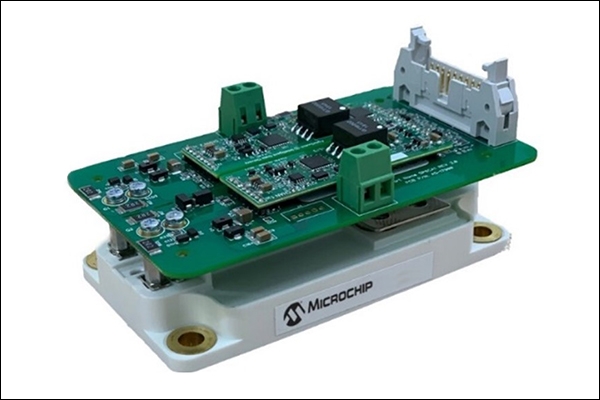
▲게이트 드라이버 코어와 결합한 모듈 어댑터 보드는
증강 스위칭을 통해 SiC 전력 제품을 신속하게 평가하고
최적화하는 플랫폼을 제공한다 [사진=마이크로칩]
위는 새로운 설계 최적화 방식 창출과, 생산 기간을 단축하는 통합 프로그래머블 디지털 게이트 드라이버가 장착된 SiC 기반 시스템 레퍼런스다.
◇ 설계 최적화를 위해 고려할 수 있는 새로운 옵션
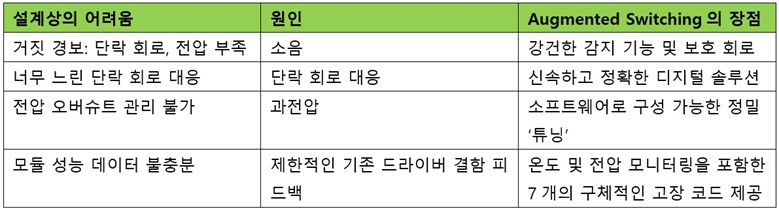
디지털 프로그래머블 게이트 드라이버 옵션은 증강 스위칭으로 SiC 효과를 극대화한다. SiC MOSFET의 온/오프 횟수와 전압 레벨을 쉽게 구성할 수 있어 스위칭 속도를 높이고 시스템 효율을 높이는 한편, 게이트 드라이버 개발 시간 및 복잡도를 낮출 수 있다. 개발자는 PCB를 손수 일일이 변경하지 않고 구성 소프트웨어(configuration software)로 간편히 SiC 기반 설계를 최적화할 수 있다.
▲최신 증강 스위칭 기법을 적용하면 SiC 노이즈와
단락 회로 대응 속도 개선, 전압 오버슈트 관리,
과열 최소화가 쉬워진다 [표=마이크로칩]
SiC를 채택하는 애플리케이션이 늘어나면서 일찍이 SiC를 채택한 기업은 이미 자동차, 산업, 항공우주 및 방위 분야에서 이점을 누리고 있다. SiC 채택의 성공 여부는 SiC 디바이스 신뢰성 및 견고성 검증 역량에 달려있다.
개발자들은 토털 솔루션 전략을 채택함에 따라 완전하고 안정적인 글로벌 공급망과 필요한 모든 시뮬레이션 및 개발 도구가 지원되는 광범위한 포트폴리오에 대한 접근이 필요하다. 새로운 기능인 소프트웨어로 구성 가능한 디자인 최적화를 사용하면 미래 시장 환경에 대비할 새로운 기회도 포착할 수 있을 것이다.
이 기사는 마이크로칩테크놀로지의 올랜도 에스파르자(Orlando Esparza) 전략 마케팅 매니저가 저술한 ‘디바이스 신뢰성, 게이트 드라이버 혁신 및 토탈 시스템 솔루션을 중심으로 수요가 증가하는 SiC(Silicon Carbide Adoption Enters Next Phase with Focus on Device Reliability, Gate Drive Innovation, and Total System Solutions)’라는 제목의 글을 정리한 것입니다.

.jpg)