최근 제품 개발자 및 엔지니어들의 고민은 작아지는 제품 폼펙터에 더해 보드 면적까지 줄어드는데다가 구현해야 할 기능들은 많아지면서 매년 신모델 개발에 골머리를 앓고 있다. 이에 TI가 전세계에서 가장 작은 초소형 MCU 칩을 선보이며 사이즈 문제를 고민하는 개발자들에게 해결책을 제시했다. 텍사스 인스트루먼트(TI)가 세계에서 가장 작은 MCU를 출시하며 자사의 Arm® Cortex®-M0+ 기반MSPM0 MCU 포트폴리오를 확장했다. 이 제품은 '후추가루 분말 수준'인 1.38㎟로 의료용 웨어러블 및 개인용 전자기기와 같은 애플리케이션 설계 시에 보드 공간을 최적화하면서도 성능을 유지할 수 있도록 지원한다.
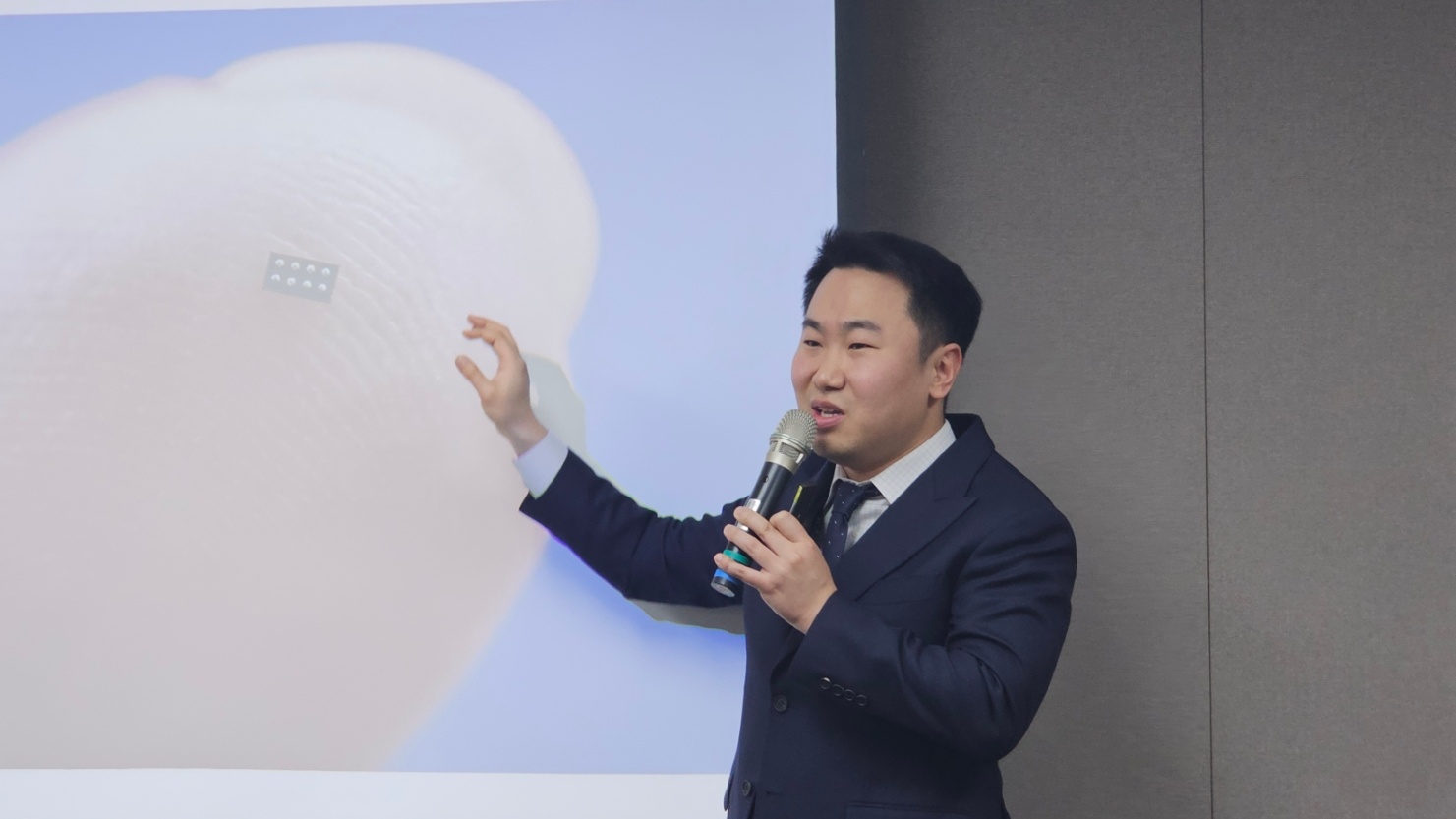
▲허정혁 TI 이사
TI, Arm Cortex-M0+ 기반 MSPM0C1104 MCU 新 출시
WCSP 패키지 기반 8핀 '1.38㎟ 불과', "후추 분말 수준"
16센트 칩, 스타일러스 펜·이어버드·전동칫솔 활용 기대
최근 제품 개발자 및 엔지니어들의 고민은 작아지는 제품 폼펙터에 더해 보드 면적까지 줄어드는데다가 구현해야 할 기능들은 많아지면서 매년 신모델 개발에 골머리를 앓고 있다. 이에 TI가 전세계에서 가장 작은 초소형 MCU 칩을 선보이며 사이즈 문제를 고민하는 개발자들에게 해결책을 제시했다.
텍사스 인스트루먼트(TI)가 13일 세계에서 가장 작은 MCU를 출시하며 자사의 Arm® Cortex®-M0+ 기반MSPM0 MCU 포트폴리오를 확장한다고 밝혔다.
서울 삼성동 무역센터 TI코리아 오피스에서 진행된 신제품 출시 기자간담회에서 TI는 '후추가루 분말 수준'인 1.38㎟의 초소형 MSPM0C1104 MCU를 공개했다. 웨이퍼 칩 스케일 패키지(WCSP) 기술을 적용해서 의료용 웨어러블 및 개인용 전자기기와 같은 애플리케이션 설계 시에 보드 공간을 최적화하면서도 성능을 유지할 수 있도록 지원한다.
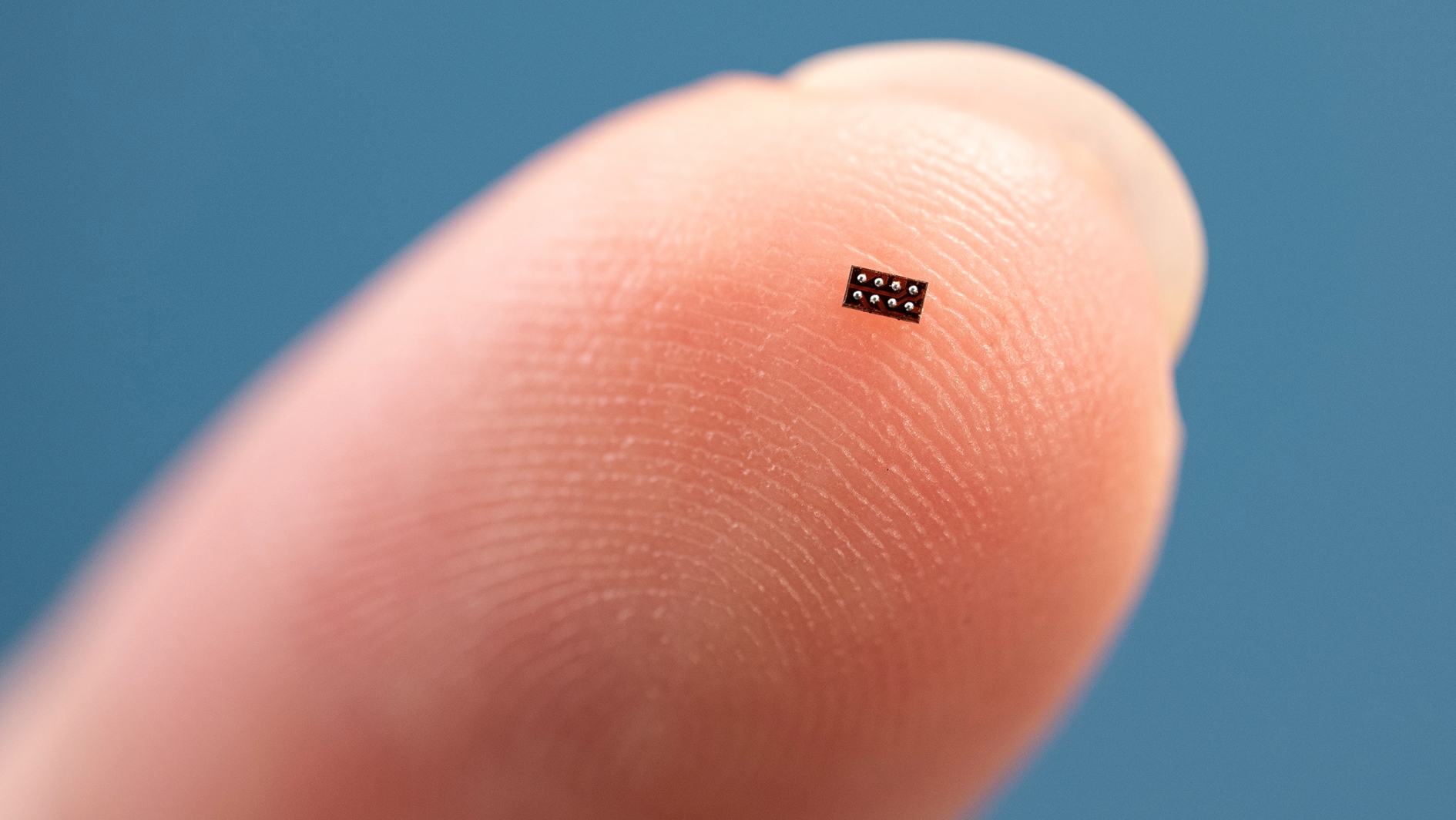
▲'후추가루 분말 수준'인 1.38㎟의 초소형 MSPM0C1104 MCU / (사진:TI)
허정혁 이사는 이날 간담회에서 "핀투핀(Pin-to-Pin) 특성에 기반해 개발 초기 하이스펙으로 개발해 제품에 탑재되는 기능들이 정의되면 최종 양산에서 단가 및 스펙이 더 낮은 하위 MCU로도 교체가 용이하다"면서, "개발 툴 호환, 핀투핀 특성 등에서 피드백이 상당히 좋은 편"이라고 말했다.
TI의 새로운 MCU는 16KB 메모리, 3개 채널을 갖춘 12비트 아날로그-디지털 컨버터, 6개의 범용 입출력 핀(GPIO)을 사양으로 갖추고 있으며 범용 비동기화 송수신기(UART), 직렬 주변 기기 인터페이스(SPI) 및 집적 회로(I2C) 와 같은 표준 통신 인터페이스와의 호환성을 지원한다.
허 이사는 "TI가 아날로그 페리페럴로 유서 깊은 회사이다 보니 ADC 퍼포먼스가 타사 대비 상당하다"고 강조하기도 했다. 소형 MCU는 노이즈 취약해 강건성 문제가 큰 이슈로 TI는 다양한 MCU를 자체 생산하며 작은 MCU 설계에 노하우를 다량 축적했다. 패키징, 칩 내부 회로 설계, 테스트 기술 등 공정 전반을 종합하는 기술 역량을 허 이사는 강조한 것이다.
특히 비용 면에서 저렴한 1,000개 기준 개당 단가 16센트(0.16달러)를 책정하며 보드 공간 크기와 부품 비용을 줄일 수 있는 다양한 소형 패키지도 포함되어 있다.
이러한 칩 사이즈 감소는 배터리 사이즈 향상 등을 통해 제품 가동 시간 이점을 획득할 수 있으며, △스타일러스 펜 △이어버드 △전동칫솔 등 다양한 소형 애플리케이션에서 활용될 것으로 기대된다.
TI는 일반적인 패키지에서도 작은 칩 출시해 WSON 8핀 4㎟, SQFN 20핀 9㎟, SOT-23-THN(DDF) 8핀 8.12㎟, SOT-23-TNH(DYY) 16핀 8.40㎟ 등으로 제공해 생산 환경에 따라 다양한 소형 패키징 옵션을 제공하고 있다고 전했다.
허 이사는 "제로코드스튜디오를 활용해 펌웨어 관련 개발 역량이 부족한 기업들에도 센싱 데이터를 메인 MCU로 넘기는 정도의 간단한 기능구현은 제로코드 베이스로 개발할 수 있다"고 밝혔다.

.jpg)