“ST 6상 모터 폴트 톨러런트 제어 솔루션, 고장 나도 안정적 운영”
기사입력 2025.04.29 10:30
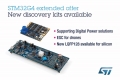
ST는 X-CUBE-MCSDK v5.4.1 모터 제어 SDK에서 지원되며, 최대 6S LiPo 배터리 팩으로 구동되는 무선 제어 차량 및 소형 전기 자동차와 드론을 대상에 최적화된 STM32CubeG4 소프트웨어 패키지의 새로운 펌웨어를 추가하였다. 또한 디지털 전원 및 모터 제어 디스커버리 키트를 제공함으로써 STM32G4 MCU에 대한 지원을 확장 했다.
2019-10-03 오후 1:07:50by 최인영 기자
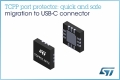
ST마이크로일렉트로닉스가 TCPP01-M12 USB-C 포트보호 IC를 출시했다. TCPP01-M12을 사용하면 기존 USB Micro-A나 Micro-B 인터커넥션에서 소형 전자기기를 USB-C로 마이그레이션 할 수 있다. 또한, MCU 컴패니언 칩으로 ST의 STM32G0 및 STM32G4 MCU에 통합된 20V/100W USB-C PD 컨트롤러와 함께 동작한다. TCPP01-M12는 현재 양산 중이며, QFN-12 디바이스로 구매가 가능하다. 가격은 1,000개 구매 시 0.379달러다.
2019-11-11 오후 12:01:56by 이수민 기자
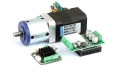
같은 전기모터라고 하더라도 전기자동차, 산업 설비, 전력 발전 등에 사용되는 모터는 상당히 고가이면서 고장으로 인한 중단 시 비용 손실과 파급력 면에서 더욱 심대한 리스크를 가져올 수 있다. 최근 업계 전반에서는 산업용 모터에 대한 센싱으로 데이터 수집과 모니터링를 수행하고, 이를 AI 모델이 실시간으로 데이터를 분석해 이상 징후를 판단할 수 있는 안전 시스템 개발이 각광 받고 있다.
2025-03-31 오후 4:57:39by 권신혁 기자
.jpg)
ST마이크로일렉트로닉스(STMicroelectronics, 이하 ST)가 컴팩트한 크기와 우수한 성능을 갖춘 4채널 지능형 전력 스위치 IPS4140HQ 및 IPS4140HQ-1을 출시했다.
2025-04-04 오전 10:29:50by 배종인 기자

ST마이크로일렉트로닉스(STMicroelectronics, 이하 ST)가 고도로 통합된 로우 사이드 전류 측정 증폭기 TSC1801을 출시했다.
2025-04-04 오전 10:38:22by 배종인 기자

ST마이크로일렉트로닉스(STMicroelectronics)가 산업 자동화, 로보틱스, 헬스케어 기기, 스마트 보호 장비 등 다양한 분야에서 유지보수가 필요없는 스마트 센싱을 지원하는 MEMS 가속도 센서 IIS2DULPX를 출시하며, 산업 전반의 생산성 향상과 안전 개선을 실현한다.
2025-04-15 오전 10:05:43by 배종인 기자
세계적인 반도체 기업 ST마이크로일렉트로닉스(STMicroelectronics, 이하 ST)가 최대 125°C의 혹독한 환경에서도 안정적인 성능을 유지하는 마이크로프로세서(MPU) STM32MP23을 출시하며, 차세대 산업 및 IoT 솔루션을 더욱 강화했다.
2025-04-17 오전 11:40:34by 배종인 기자
.jpg)
최근 모터 구동 시스템 분야에서는 효율성, 신뢰성, 소형화가 중요한 트렌드로 자리 잡고 있는 가운데 SiC(실리콘 카바이드) MOSFET이 기존의 Si(실리콘) 기반 MOSFET을 점차 대체하며 핵심 기술로 부상하고 있다.
2025-04-17 오후 1:57:33by 배종인 기자
.jpg)
모션 제어 시스템을 설계할 때 모터의 위치, 속도, 방향 등 핵심 매개변수를 정확하게 파악하기 위해서는 인코더(Encoder)가 필요하다. 다만 인코더는 다양한 종류가 있고, 명확한 장단점 및 특성이 있는 만큼 최적의 선택을 위해서는 애플리케이션의 세부 요구 사항을 면밀히 분석해 균형 잡힌 결정이 필요하다.
2025-04-21 오후 4:32:57by 배종인 기자

최근 전기차 및 하이브리드 자동차 시스템에서도 모터의 사용이 늘어나며, 차량의 효율성과 안전을 극대화하는 핵심 기술로 모터 제어 기술이 주목받고 있는 가운데 ‘스마트 액추에이터’가 전기차의 핵심적인 모터 제어 기술로 주목받고 있다.
2025-04-22 오전 8:34:40by 배종인 기자


[열린보도원칙] 당 매체는 독자와 취재원 등 뉴스이용자의 권리 보장을 위해 반론이나 정정보도, 추후보도를 요청할 수 있는 창구를 열어두고 있음을 알려드립니다.
고충처리인 장은성 070-4699-5321 , news@e4ds.com