최근 AI 서비스의 확장자 사용자 트래픽의 증가로 AI 데이터센터의 트래픽과 연산량이 증가하는 가운데 네트워크와 인터커넥트 단계에서 GPU 지연으로 인한 효율 저하와 학습 실패 등이 업계 화두로 떠올랐다. 이런 가운데 키사이트테크놀로지스(이하 키사이트)가 2일 서울 양재 엘타워에서 기자간담회를 열어 키사이트 AI(KAI) 데이터센터 빌더의 공식 출시를 국내에 발표했다.
키사이트, AI 데이터센터 지원 신제품 출시
에뮬레이션 검증...AI 데이터센터 확장성↑
DCA-M, 1.6T 트랜시버 광 테스트 요구 충족
최근 AI 서비스의 확장자 사용자 트래픽의 증가로 AI 데이터센터의 트래픽과 연산량이 증가하는 가운데 네트워크와 인터커넥트 단계에서 GPU 지연으로 인한 효율 저하와 학습 실패 등이 업계 화두로 떠올랐다.
키사이트테크놀로지스(이하 키사이트)가 2일 서울 양재 엘타워에서 기자간담회를 열어 키사이트 AI(KAI) 데이터센터 빌더의 공식 출시를 국내에 발표했다.
AI 클러스터 구성 요소를 실제 워크로드로 에뮬레이션해 검증함으로써 고객이 데이터센터 내 AI 처리 역량을 확장할 수 있는 엔드투엔드 솔루션을 새롭게 출시했다.
KAI 데이터센터 빌더는 최대 800G 속도의 고밀도·고성능 이더넷 테스트 솔루션인 AresONE 하드웨어를 포함해 AI 모델 학습 워크로드를 에뮬레이션해 설계 및 검증에 통합할 수 있는 소프트웨어 솔루션이 함께 제공된다.
AI 데이터센터에서 특히 네트워크 부문이 큰 이슈로 떠올랐다는 김도호 차장은 “추론과 학습에서 GPU의 연산 대기시간 보다 서버 간, 서버랙 간, 데이터센터 간 통신을 위한 네트워크 대기시간이 너무 길어 GPU 효율 저하에 영향을 크게 준다”고 지적했다.
업계에선 GPU의 대기시간이 연산에 의한 것보다 커뮤니케이션 요소로 인해 발생하는 비율이 62%에 달해 화두로 떠오른 상황이다. 또한 학습 실패가 발생하는 43% 가운데 21%가 네트워크 이슈에 의해 발생해 해당 이슈에 해결책이 필요한 실정이었다.
이에 키사이트는 KAI 데이터센터 빌더를 선보이며 특히 네트워크와 인터커넥트 부문을 지원하며 피지컬 레이어에서부터 프로토콜 레이어, 애플리케이션 레이어 전 영역을 커버하는 솔루션으로 AI 업계 과제 해결에 초점을 맞췄다.
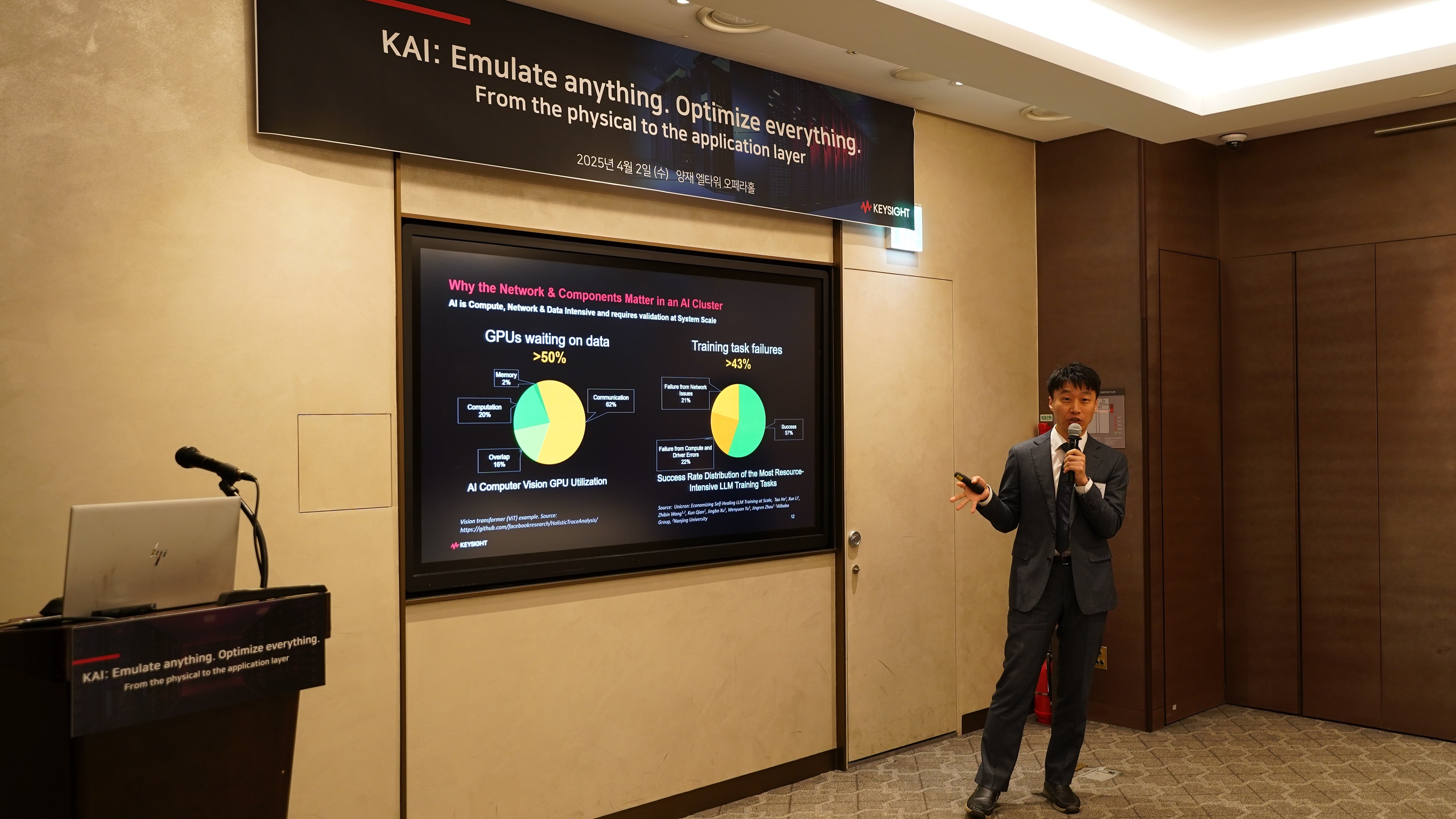
▲김도호 키사이트코리아 차장
KAI 아키텍처는 AI 공급업체와 네트워크 장비 제조사 등이 설계단에서 최첨단 고속 디지털 설계를 디버깅하고, 최신 △PCIe △DDR △CXL 표준 충족을 지원한다. 개발단에서 고속 인터커넥트, 케이블, 칩셋 등 구성 요소 규격을 검증하고 시스템 수준에서 워크로드 성능을 검증할 수 있도록 솔루션을 제공하고 있다.
배포 및 운영단에서는 데이터센터 전체 시스템 성능을 검증하고 조율함으로써, 실제 운영 전에 성능 문제를 사전에 파악하고 실패 위험을 줄일 수 있도록 지원한다고 설명했다.
또한 오늘날의 데이터센터는 AI 서버 성능의 최적화와 발열 이슈를 해결하기 위해 빅테크를 중심으로 옵티컬 신호 변환 장치를 내장해 스위치를 개발하려는 동향이 관측된다. 옵티컬 트랜시버 개발자를 비롯해 관련 스위치 개발자들은 서버 랙 간 공간 확보와 열 순환 문제를 해결하기 위해 칩 안에 옵티컬 모듈레이션을 탑재하는 연구를 진행하고 있다.
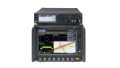
이들을 위해 키사이트는 DCA-M 샘플링 오실로스코프와 INPT-1600GE 인터커넥트 및 네트워크 성능 테스터를 공급하며 AI 데이터센터의 빠른 구축과 신호 무결성 요건 달성, 인터커넥트 검증 등에서 지원을 강화했다.
DCA-M 샘플링 오실로스코프는 최대 240Gbps 레인 광 신호 분석을 지원하며, 최대 120Gbaud의 통합 클럭 복구 기능과 함께 높은 광측정 감도를 제공한다. 1.6T 트랜시버 광 테스트 요구를 충족하도록 설계됐다.
.JPG) ▲이선우 키사이트코리아 대표
▲이선우 키사이트코리아 대표
이선우 키사이트코리아 대표는 “오늘날의 챌린지는 AI 데이터센터에서 결과물을 디바이스로 보내는 데 문제가 일어날 수 있으며 어디서 그것이 발생할 지 모른다는 점이다”라면서, “디바이스서부터 네트워크로 이어지는 밸류체인에서 연결이 너무 많아 점검해야 할 포인트가 너무 많다”며 특히 스케일 아웃과 스케일 업에서 이러한 문제점들이 두드러진다고 강조했다.
이어 이 대표는 “KAI 데이터센터 빌더는 전반적인 네트워크, 인터커넥트, 컴퓨트, 파워를 아우르는 4가지 분야에서 데이터센터 솔루션을 제공하고 있으며 앞으로 이를 강화할 계획을 갖고 있다”고 덧붙였다.