


Webinars
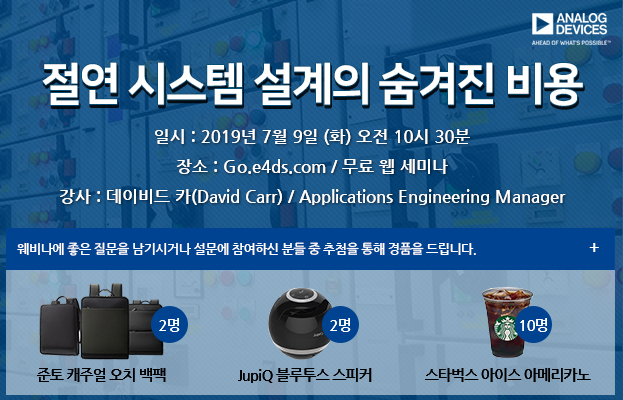
Hidden Costs in Insulation System Design
This webinar will introduce the importance of isolation design aimed at efficient system design and recent technology trends.
We will also present cost reduction and development schedule acceleration methods, as well as the advantages that Analog Devices' solutions can provide compared to existing isolation approaches.
David Carr, the presenter of this webinar, serves as an application manager for Analog Devices' isolation interface product line and is an expert in the high-speed analog and mixed-signal fields.
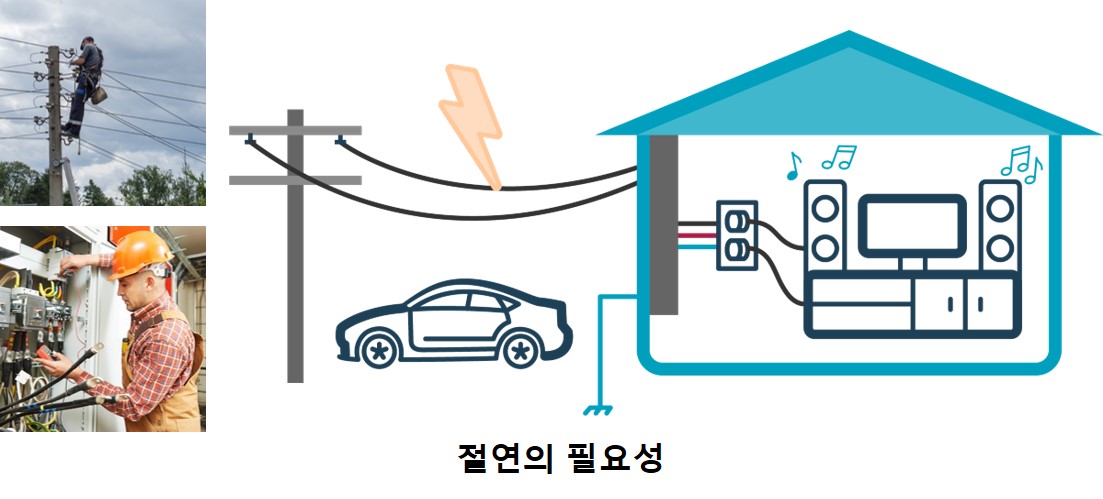
Looking at the main agenda, we will first review a brief introduction to isolation systems and the reasons for their use, and then discuss the isolation requirements necessary in system design requirements and market trends.
We will also examine factors that can impact time-to-market and risk in isolation system design, as well as several hidden costs.
Additionally, we will review several possible solutions and their drawbacks, and explore new solutions for isolated power supply.
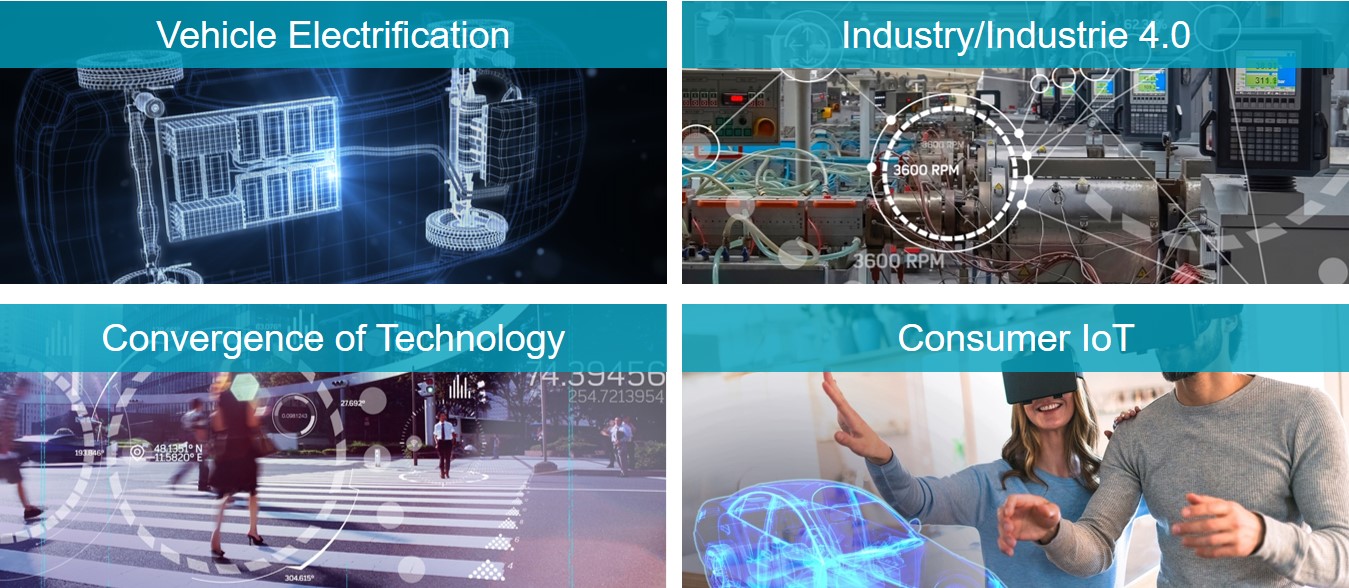
Isolation systems are used in many applications. The most common reason for adding isolation to system design is the presence of hazardous voltages.
In many systems, voltages ranging from hundreds to thousands of volts are used, so isolation is formalized as a standard requirement to protect users, personnel, and equipment from high voltage.
Transient overvoltage conditions or faults can also create hazardous situations. Therefore, regional or international regulations exist to maintain safety in such circumstances.
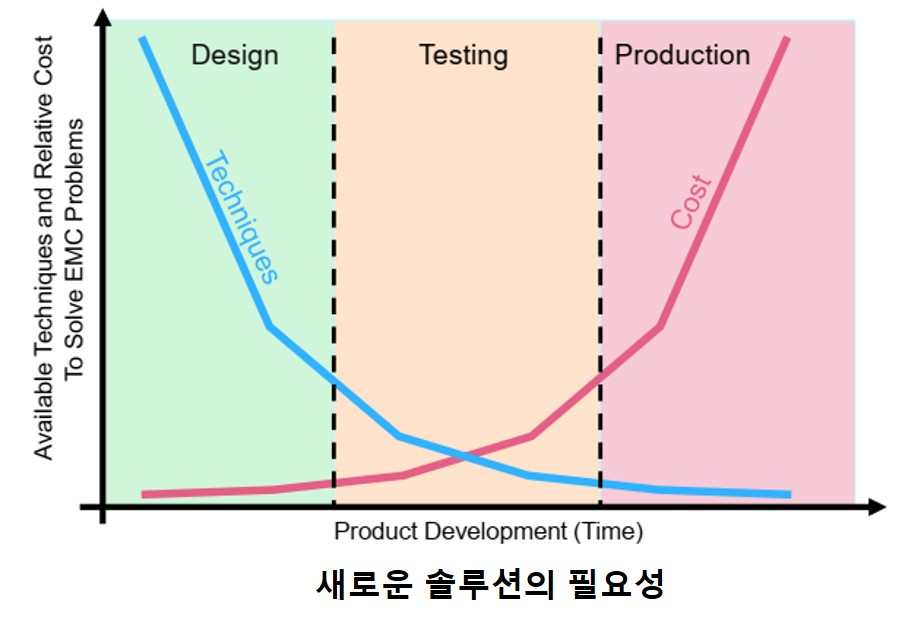
In some cases, isolation is added for performance advantages.
Methods include eliminating ground loops, adding fault tolerance to the system, and isolating noise so that sensitive circuits are not subject to interference from other noisy portions of the circuit.
The primary objective is to maintain a very high level of isolation and safety for the isolation system while providing excellent performance by limiting current flow to zero or a very small amount.
That is, to withstand these voltage ratings, dissipate minimal power, and provide very good timing characteristics and very high reliability.
This webinar will address the specific necessity and characteristics of these isolation systems, as well as the latest solutions.
We welcome the participation of developers who are interested in isolation systems, those working with high-voltage systems, and those in the fields of miniaturization and integrated systems, as well as sensors and instrumentation equipment. Thank you.
Webinar Key Topics
- Introduction to Isolation Systems
- Necessity of Isolation Systems
- Cost Reduction Methods for Isolation Systems
- Development Schedule Acceleration Approaches
- Recent Isolation Technology and Market Trends
We will also present cost reduction and development schedule acceleration methods, as well as the advantages that Analog Devices' solutions can provide compared to existing isolation approaches.
David Carr, the presenter of this webinar, serves as an application manager for Analog Devices' isolation interface product line and is an expert in the high-speed analog and mixed-signal fields.
Looking at the main agenda, we will first review a brief introduction to isolation systems and the reasons for their use, and then discuss the isolation requirements necessary in system design requirements and market trends.
We will also examine factors that can impact time-to-market and risk in isolation system design, as well as several hidden costs.
Additionally, we will review several possible solutions and their drawbacks, and explore new solutions for isolated power supply.
Isolation systems are used in many applications. The most common reason for adding isolation to system design is the presence of hazardous voltages.
In many systems, voltages ranging from hundreds to thousands of volts are used, so isolation is formalized as a standard requirement to protect users, personnel, and equipment from high voltage.
Transient overvoltage conditions or faults can also create hazardous situations. Therefore, regional or international regulations exist to maintain safety in such circumstances.
In some cases, isolation is added for performance advantages.
Methods include eliminating ground loops, adding fault tolerance to the system, and isolating noise so that sensitive circuits are not subject to interference from other noisy portions of the circuit.
The primary objective is to maintain a very high level of isolation and safety for the isolation system while providing excellent performance by limiting current flow to zero or a very small amount.
That is, to withstand these voltage ratings, dissipate minimal power, and provide very good timing characteristics and very high reliability.
This webinar will address the specific necessity and characteristics of these isolation systems, as well as the latest solutions.
We welcome the participation of developers who are interested in isolation systems, those working with high-voltage systems, and those in the fields of miniaturization and integrated systems, as well as sensors and instrumentation equipment. Thank you.
Webinar Key Topics
- Introduction to Isolation Systems
- Necessity of Isolation Systems
- Cost Reduction Methods for Isolation Systems
- Development Schedule Acceleration Approaches
- Recent Isolation Technology and Market Trends

Comments
- 38 Comments
- 최*휴 (2019-07-26 오후 1:24:48)
- 기대합니다.
- 임*현 (2019-07-09 오전 11:27:09)
- 아주 기대됩니다~!
- 김*태 (2019-07-09 오전 10:28:34)
- 유익한 세미나 기대합니다
- 이*광 (2019-07-09 오전 10:20:18)
- 기대합니다
- 천*문 (2019-07-09 오전 10:04:22)
- 기대합니다.
- 이*태 (2019-07-09 오전 9:06:17)
- 유익한 세미나 기대합니다.
- 지*훈 (2019-07-03 오후 1:25:58)
- 기대 합니다.
- 최*휴 (2019-07-03 오전 11:34:35)
- 기대합니다.
- 김*진 (2019-07-03 오전 9:41:39)
- 기대합니다
- 강*우 (2019-07-02 오전 10:37:31)
- 절연은 너무나도 중요합니다.