


[Weekly IT Asia] Moxa Participates in OPC Initiative / Faraday Mass-Produces RISC-V AI SoC
 Published2019.04.11 14:36
모싸, OPC 이니셔티브 참여 "OPC UA 필드 차원으로 확장"
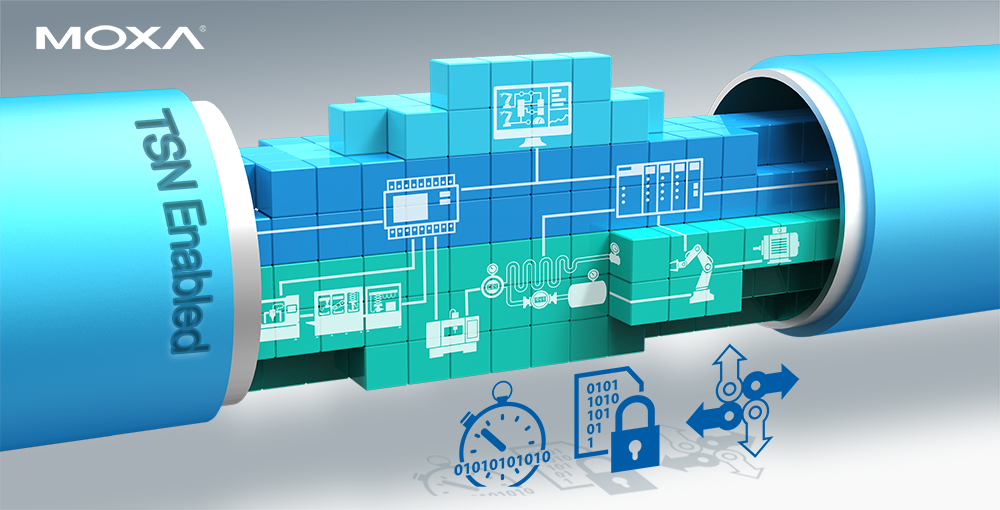
모싸가 시간 민감형 네트워킹(Time-Sensitive Networking, TSN) 기술 개발을 위해 OPC 재단의 FLC(Field Level Communication) 이니셔티브에 참여한다고 11일 밝혔다.
그와 함께 FLC 운영 위원회에도 가입했다. 위원회에는 ABB, 보쉬 렉스로스, B&R, 시스코, 힐셔, 화웨이, 인텔, 로크웰 오토메이션, 슈나이더 일렉트릭, 지멘스 등 주요 산업 자동화 회사들이 참여하고 있다.
OPC UA FLC 이니셔티브의 취지는 OPC UA를 필드 센서부터 IT 시스템 및 클라우드까지로 확장함으로써 IIoT용으로 공개식의 단일화된 표준 기반 통신 솔루션을 제공하는 것이다. 그럼으로써 업체에 상관없이 센서, 엑추에이터, 컨트롤러 같은 필드 차원 디바이스와 클라우드 어드레스를 상호 운용할 수 있다.
모싸의 전략 사업부 사장인 앤디 챙은 “OPC 재단의 새로운 이니셔티브에 참여하게 되어서 기쁘게 생각한다”라며, “기술 혁신, 산업 표준, 콘셉트 검증, 테스트베드, 첨단 기술 도입 등을 위해 업계 주요 기업 및 고객들과 협력하겠다”고 밝혔다.
패러데이, RISC-V 기반 AI SoC 양산

대만의 ASIC 설계서비스 및 IP 공급 업체 패러데이 테크놀로지 코퍼레이션이 자사의 RISC-V 기반 ASIC 플랫폼 솔루션이 차세대 에지 AI 및 IoT SoC를 양산했다고 9일 밝혔다.
패러데이의 솔루션은 RISC-V 코어 IP 통합, SoC 디자인 검증 등의 시스템급 디자인 서비스는 물론 RTOS 및 주변 드라이버로 구성된 전기능 레퍼런스 디자인 키트를 망라한다.
패러데이는 IoT 에지 디바이스용 SoC의 배터리 구동 성능을 높이는 UMC의 55ULP 공정을 통해 RISC-V 기반 AI SoC를 양산했다.
플래시 린(Flash Lin) 패러데이 최고운영책임자는 “패러데이는 차세대 혁신을 통해 고객과 시장에 더 많은 혜택을 제공할 수 있기를 고대한다”고 말했다.
CES 아시아 2019, 오토모티브 격전장 된다

전미소비자기술협회(Consumer Technology Association, CTA)가 CES 아시아 2019(CES Asia 2019)의 오토모티브 전시장 면적을 두 배로 확장한다고 8일 발표했다.
CES 아시아는 2019년 6월 11일부터 13일 중국 상하이 신국제 엑스포센터(Shanghai New International Expo Centre Center, SNIEC)에서 열릴 예정이다.
전 세계 60여개의 자동차 브랜드가 참여하는 역대 최대 규모의 이 행사에서 참가자들은 최신 자율주행차량부터 순수 전기자동차에 이르기까지 교통을 더욱 안전하고 청정하게 만드는 콘셉트 카와 커넥티드 차량을 경험할 수 있다.
존 켈리(John Kelley) CES 아시아 전시담당 이사는 이번 조치에 대해 “CES 아시아는 세계 최대 자동차 시장인 중국을 겨냥해 기존 자동차 행사에 특별한 도전장을 내민 것”이라고 설명했다.
하이얼, 5G 지원하는 COSMOPlat 업그레이드 버전 선봬
.jpg)
중국의 하이얼이 현지시간으로 1일부터 5일까지 열리는 ‘독일 하노버 산업 전시회(Hannover Messe) 2019’에서 ‘COSMOPlat’의 업그레이드 버전을 선보였다고 8일 밝혔다.
2016년에 하이얼이 독자적으로 개발한 COSMOPlat는 상호작용, R&D 및 조달을 포함해 전체 공정과 공급망을 디지털로 통합하고, 이를 통해 개별 고객에게 더 나은 서비스를 제공한다. 올해 개선된 사항은 대량 맞춤을 지원할 다양한 첨단 지능형 제조 기술과 5G의 결합이다.
지금까지 COSMOPlat은 중국 동부, 북부를 포함해 6개 지역에서 12개 시범 기지를 구축하고, 여러 산업을 위한 15개 하위 플랫폼을 개발했다. 그 외 20개국에서도 시행된 이 모델은 의류, 식품, 주택, 여행, 건강, 교육 및 기타 산업을 변혁시켜 전 세계 사용자들이 대량 맞춤을 통해 더욱 향상된 라이프스타일 경험을 즐길 수 있도록 지원하고 있다.
화웨이-아너, 3가지 전략적 목표 발표
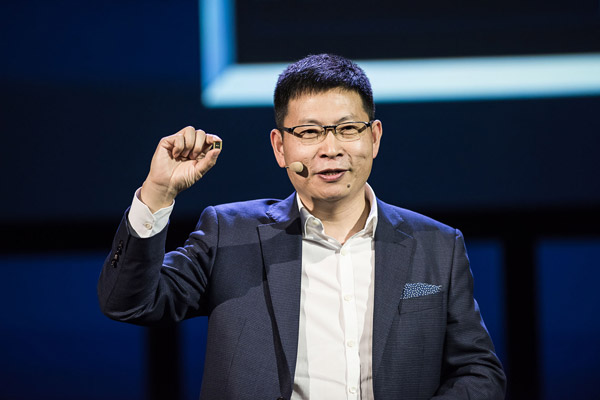
화웨이 컨슈머 비즈니스 그룹의 CEO 리처드 위(Richard Yu)가 자신의 공식 웨이보 계정에서 자사의 새로운 전략적 목표를 6일 발표했다.
첫 번째, 화웨이는 세계 최대의 스마트폰 제조업체가 된다. 두 번째, 아너는 규모 측면에서 중국 2위, 세계 4위의 스마트폰 제조업체가 된다. 세 번째, 화웨이와 아너의 이중 브랜드 전략을 유지하면서 기술 혁신, 채널 유통 및 소매 전략에 대한 투자를 이어간다. 두 브랜드는 진보적인 사고방식을 유지하고, 지능적이며 완전히 연결된 세계를 만드는 데 일조한다.
화웨이 소비자 부문은 48.4%의 매출 증가를 기록하며 화웨이 전체의 수익을 견인했다. 심지어 화웨이 통신망 사업보다 높은 수익을 올리고 있다. 작년 화웨이 소비자 부문은 3,489억 위안에 달하는 매출을 올렸다. 이는 전년 대비 45.1% 증가한 수치다.
아너는 세계적인 스마트폰 산업 침체에도 불구하고 성장세를 기록하면서 입지를 다졌다. IDC에 따르면, 2018년 1~3분기 세계 스마트폰 시장의 출하량은 전년 대비 3.1% 감소한데 반해 아너는 27.1%의 증가세를 기록했다.
Comments
Related news
[CES 2019 Wrap-Up] AI is Now Basic, 5G Will Drive the Future
CES 2019 concluded after a four-day run with over 4,500 participating companies and approximately 180,000 visitors. The key themes at this CES, where the world's most technologically advanced companies converge, can be said to be AI and 5G. AI has now become a technology that is no longer novel. Google and Amazon displayed their AI services, Assistant and Alexa, throughout the exhibition hall to enable visitor interaction. The 5G network, which first began commercial service domestically, is assisting and complementing AI while simultaneously creating new business areas.
2019.01.14by 이수민 기자
Mossa Launches Protocol Gateway Product Family for Power Grid System Upgrades
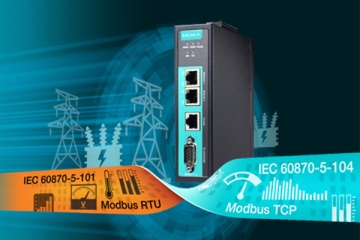
Moxa is launching the MGate 5114 series, a protocol gateway product line. The new product supports Modbus RTU/ASCII, Modbus TCP, IEC 60870-5-101, IEC 60870-5-104 protocols, as well as all major protocols used in power grid applications. The MGate 5114 series protocol gateway provides a convenient wizard tool with a user-friendly interface, enabling engineers to complete configuration tasks easily and quickly in just 5 steps.
2019.03.07by 이수민 기자
[Weekly IT Asia] AMD CEO Lisa Su to Deliver Keynote Speech at Computex 2019… etc.
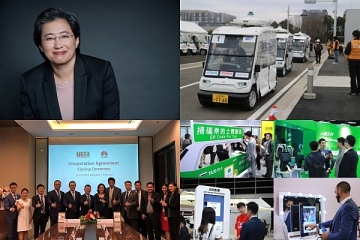
Taitra, the organizer of Computex, announced that Dr. Lisa Su, Chair and CEO of AMD, will deliver the keynote speech at the Computex 2019 International Press Conference to be held in Taiwan on May 27th. Toshiba merged its subsidiaries Toshiba Microelectronics Corporation (TOSMEC) and Toshiba Discrete Semiconductor Technology Corporation (TDIT) to establish a new company, Toshiba Electronic Devices Solutions Corporation (TEDS). Velodyne Lidar participated as a gold sponsor in the Japan Automotive AI Competition held at the University of Tokyo on March 23rd and 24th. TSE, a renewable energy company in Thailand, and Huawei jointly announced that they signed a cooperation agreement in Bangkok, Thailand on March 26th. WeChat Pay disclosed its latest strategy regarding international payment business at the '2019 WeChat Pay Overseas Partner Conference' on March 21st.
2019.04.04by 이수민 기자
[Technical Contribution] Caltera: "Evolution of Precision Sensing, UWB Infrastructure Enhances Parking Safety"
Discussing new possibilities in parking assistance and precision sensing with UWB, Lee Sang-min, Korea Branch Manager at Caltera.
2026.10.23by 편집부
[Technical Contribution] Mouser: "AI Agents Help Accelerate and Standardize Industrial Field Maintenance Operations"
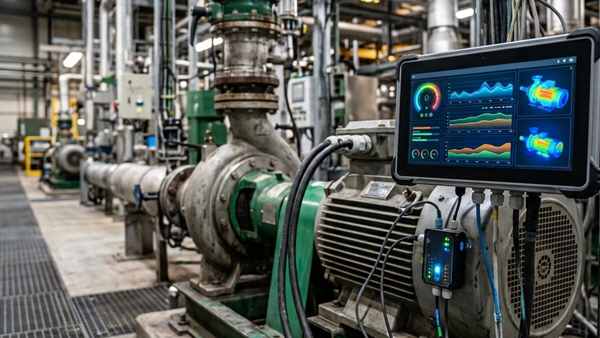
Abhishek Jadhav from Mouser Electronics discusses how to leverage agentic AI for predictive maintenance in industrial automation.
2026.10.23by 편집부











