


2019 Semiconductor Market Kneels to Global Economic Downturn but Gains Momentum from IoT
 Published2019.01.28 09:06
IoT의 폭발적 성장, 반도체 사장 성장 견인
AI, 인간의 모든 의사결정 과정에 영향
2019년 반도체 시장의 상황이 그리 어둡지 않을 것이란 전망이 나왔다.

세미코 리서치 그룹 회장 짐 펠드한
세미코 리서치 그룹의 회장 짐 펠드한(Jim Feldhan)은 지난 23일, ‘세미콘 코리아 2019’ 기자 간담회에서 “2019년 반도체 시장은 전 세계적인 경제 침체에 다소 영향을 받을 것”이라면서도, “IoT, 5G, AI 등의 성장 동력으로 말미암아 비관적이진 않다”라고 말했다.
美中, 글로벌 경제 침체 불러올 것
펠드한 회장은 미국과 중국의 다소 불확실한 경제 상황이 글로벌 경제에 영향을 미칠 것으로 내다봤으며, 반도체 시장 역시 영향을 받을 것이라고 말했다.
현재 미국의 장단기 국채 금리 차가 2007년 이후로 가장 좁혀지면서 역전 가능성마저 점쳐지고 있다. 대표적 안전자산인 10년물 국채 금리가 오르지 않는 것은 투자자들이 미국 경제의 장기적 성장세에 대해 의문을 가지고 있다는 신호로 해석된다. 시장의 불확실성이 크다고 판단하여 장기 국채를 꾸준히 사들이고 있다는 뜻이기 때문이다.
장단기 국채 금리 차의 역전은 흔히 경기침체의 신호라 불린다. 가장 최근의 역전은 2007년이었는데, 2008년 금융 위기 직전이었다.
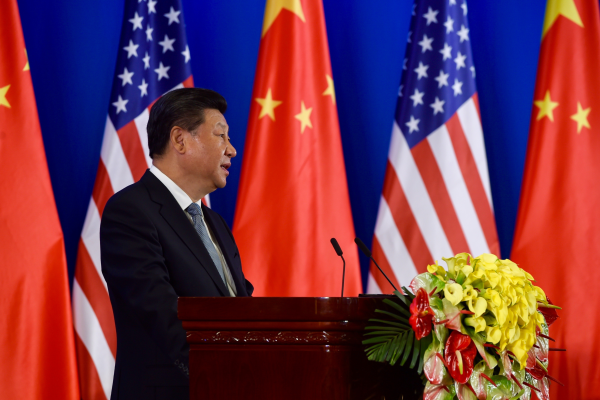
미중 무역 분쟁은 계속될 전망이다
중국은 그런 미국과의 무역 분쟁으로 어려움을 겪고 있으며, 경제 성장률이 지속적으로 하락하고 있다. 더 이상 전과 같은 경제 성장은 기대하기 어려운 실정이다.
반도체 시장의 새로운 동력, IoT와 비전 시스템
펠드한 회장은 그럼에도 역사상 전례가 없던 2가지 시장 견인 동력이 있어 2018년만큼은 아니지만 2019년에도 반도체 시장의 성장은 계속될 것으로 전망했다.
첫 번째 동력은 바로 IoT다. 막 상용화가 시작된 5G 네트워크의 대역폭이 이를 지원한다. 에지 단에서 데이터를 분석하는 시대가 막을 올렸다. 따라서 에지 단에 탑재될 반도체의 수요가 증가할 것이다.
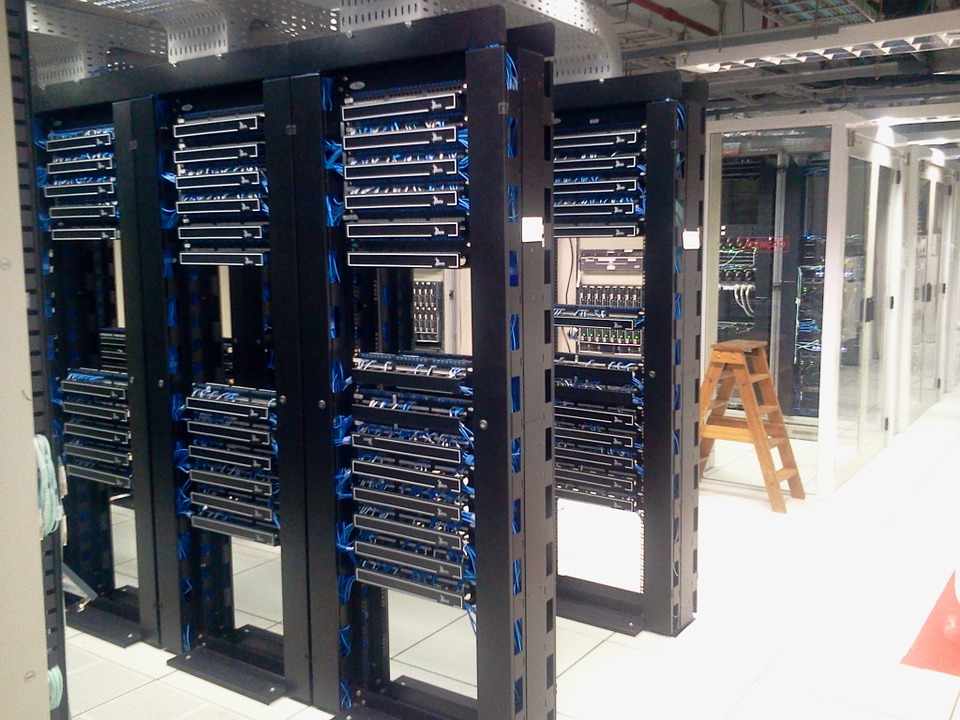
데이터 센터의 규모와 수는 점점 더 증가할 것이다
또한, 가장 중요한 정보는 데이터 센터와 클라우드 서버에서 처리될 것이다. 이 역시 반도체 수요 증가 요인이다.
두 번째 동력은 이미지를 데이터화하는 비전 시스템이다. 자동차와 산업 분야에서 많이 사용되는 비전 시스템은 최근엔 의학 분야에서도 활용되고 있다.
반도체 응용 분야별 성장치 전망
데스크톱 시장은 7.7% 역성장이 예상되며 모바일은 하이엔드 스마트폰의 부진으로 1% 역성장이 예상된다. 반면 그동안 꾸준히 작아지던 노트북 시장은 1% 성장할 것으로 예상된다. 앞에서 언급했던 서버 시장은 20.3%의 성장이 예상된다. 2018년에 기록적인 성장세를 기록했던 스마트 스피커 시장은 2019년에도 45%의 성장이 예상된다.
자동차 시장의 경우 1% 성장이 그칠 것으로 예상되나 반도체 수요는 줄지 않고 더욱 늘어날 전망이다. 특히 급성장하는 전기자동차에 더 많은 반도체가 채택될 것이다. 전기자동차 시장은 미국에서 빠르게 성장하고 있으며, 중국은 그 2배의 속도로 성장하고 있다.

자동차에 이제 더 많은 반도체가 탑재될 것이다
이제 자동차는 움직이는 전자제품이다. 자동차에 들어가는 수많은 시스템을 AI가 보조하고 있다. 자율주행차량이 이러한 추세를 지원하고 있다. 미국 애리조나에서 2018년 3월, 우버의 자율주행차량이 보행자를 숨지게 한 사고 이후로 미국의 자율주행 수용률이 하락했지만, 트렌드는 계속될 전망이다.
반도체 분야별 성장치 전망
ASIC 분야에서 가장 높은 수익을 내던 게이트 어레이가 주춤하고, 표준셀과 FPGA의 수익이 늘어날 전망이다. 표준셀은 IoT와 산업, FPGA는 통신과 AI 분야에서 판매량이 증가할 것으로 예상된다.
올해 D램의 평균 판매 단가 성장률은 -11.78%를 기록할 것으로 보이나 비트 성장률은 36.3%에 달할 것으로 전망된다. 낸드 플래시 메모리의 평균 판매 단가 성장률은 -6.8%를 기록할 것이며, 비트 성장률은 58.3%에 달할 전망이다. 스마트폰의 고용량화가 이 추세을 견인할 것이다.
디스크리트, 옵토, 센서 반도체의 경우 IoT, 자동차, 산업, 통신, 광원 등에서 꾸준히 수요가 있어 다소 주춤할지언정 역성장하진 않을 전망이다.
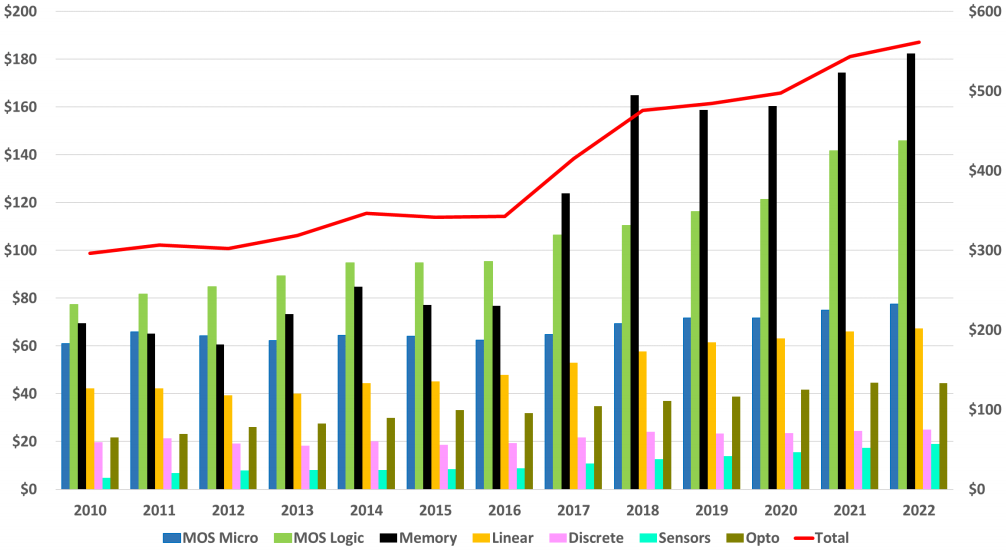
반도체 시장 규모 전망 (출처: SEMI)
펠드한 회장은 “반도체 시장의 패러다임이 컴퓨팅에서 모바일로, 이제는 AI로 변환되고 있다”라며, “글로벌 경제 침체에도 불구하고 반도체 시장의 미래가 어둡지 않은 이유”라고 밝혔다.
Comments
Related news
Implementation of the 'ICT Convergence and Industrial Convergence Regulatory Sandbox System' to indiscriminately block regulations on new technologies and services
The Ministry of Science and ICT and the Ministry of Trade, Industry and Energy will formally implement the ICT convergence and industrial convergence regulatory sandbox system as the Information and Communications Convergence Act and the Industrial Convergence Promotion Act take effect. The regulatory sandbox is a system that supports the demonstration or market launch of rapidly emerging new technologies and services without being subject to existing laws and regulations, provided that they do not harm the lives and safety of the public. The two relevant ministries announced that they received a total of 19 applications from companies on the first day of implementing the regulatory sandbox system.
2019.01.21by 이수민 기자
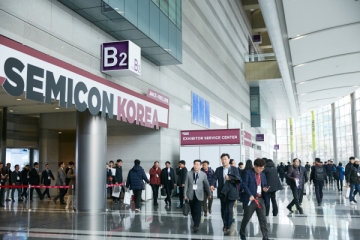
"The Future of Semiconductors Drawn by AI" Semicon Korea 2019 Held at Record-Breaking Scale
As AI becomes the foundation of all industries, and diverse issues such as smart manufacturing, machine learning, and autonomous driving emerge, winds of change are blowing through the semiconductor market. Semicon Korea 2019, where the present and future of the semiconductor industry can be glimpsed, will be held at COEX in Samsung-dong, Seoul from the 23rd to the 25th. At this event, 120 semiconductor industry experts—26 more than last year—will share vast knowledge and outlooks, with 469 companies participating with 2,037 booths. In addition to that, over 2,000 diverse events will take place including the AI Summit, MEMS & Sensor Summit, Smart Manufacturing Forum, MI (Metrology and Inspection) Forum, Test Forum, SEMI Technical Symposium (STS), Market Seminars, Procurement Consultation Sessions, University Student Exclusive Programs, and International Standards Meetings.
2019.01.23by 이수민 기자
Korean Companies Leading Global Public Cloud Adoption Trends: What Key Points to Consider?
Nutanix shared insights into the Korean enterprise cloud market through its Enterprise Cloud Index report. According to the Nutanix ECI report findings, Korean enterprises are utilizing public cloud at a rate approximately twice as high as the global average. This represents twice the global average and 60% ahead of the Asia-Pacific regional average. In the single public cloud adoption and deployment sector, Korean companies also showed a high response rate of 20%. The global average and Asia-Pacific regional average were 14% and 15%, respectively.
2019.01.25by 이수민 기자
[Technical Contribution] Caltera: "Evolution of Precision Sensing, UWB Infrastructure Enhances Parking Safety"
Discussing new possibilities in parking assistance and precision sensing with UWB, Lee Sang-min, Korea Branch Manager at Caltera.
2026.10.23by 편집부

[Technical Contribution] Mouser: "AI Agents Help Accelerate and Standardize Industrial Field Maintenance Operations"
Abhishek Jadhav from Mouser Electronics discusses how to leverage agentic AI for predictive maintenance in industrial automation.
2026.10.23by 편집부











