


DigiKey, “Expanding Extreme Environment Automotive Technology-Based Connectors and Cables to Industry and Industrial Equipment”
 Published2026.06.01 14:36
Molex·DigiKey, 극한 온도·진동·습도 안정적 작동 부품 공급
현대의 전기 시스템은 거의 모든 산업에서 더 큰 역할을 수행해 왔습니다. 차량에서는 카메라와 같은 안전 기능을 관리하며, 실시간으로 데이터를 처리할 수 있습니다. 상업용 주방에서는 열과 습기, 지속적인 사용에도 불구하고 장비가 계속 작동하도록 합니다. 이러한 응용 분야는 실패가 용납되지 않으며 부품이 열악한 환경에서도 안정적으로 견딜 수 있어야 한다는 공통점이 있습니다.
이러한 모든 시스템의 중심에는 전력과 데이터를 운반하는 케이블과 커넥터가 있습니다. 이러한 부품이 없다면 센서는 꺼지고 제어 장치는 통신 기능을 상실하며, 전체 시스템의 작동이 중지될 수 있습니다. 이 케이블과 커넥터는 크기도 작고 그리 중요하지 않게 보일 수 있습니다. 무언가 잘못되기 전까지는 말이죠. 케이블과 커넥터는 안전을 유지하고 기계가 정상적으로 작동하는 데 필수적인 역할을 수행합니다. 또한 적절하고 일관적인 기능 수행을 보장하기 위해, 상상할 수 있는 가장 까다로운 조건에서 테스트되어야 합니다.
차량에 대한 동일한 요구 사항이 여러 다른 환경에서도 존재하며 자동차 분야에서 학습한 교훈을 다른 용도에도 적용할 수 있습니다. 이는 Molex의 ‘Beyond the Garage’ 시리즈를 뒷받침하는 아이디어입니다. 이 시리즈는 자동차 산업 외에도, 시스템이 가혹한 환경에 지속적으로 노출되는 산업에 종사하는 엔지니어를 위해 기획되었습니다.
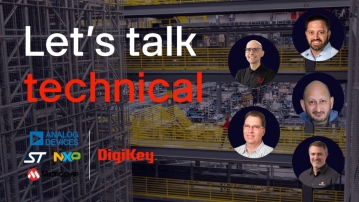
최근 저는 Molex의 유통 산업 개발 매니저이자 업계 전문가인 Kirk Ulery와의 Let’s Talk Technical 영상 인터뷰를 통해 자동차 분야에서 구현된 혁신이 다른 산업에 어떻게 적용되고 있는지에 대해 얘기를 나누었습니다.

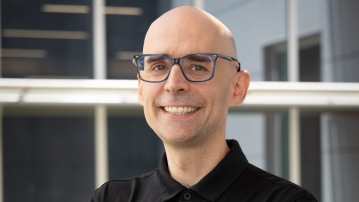
▲Molex의 Kirk Ulery
전자 부품의 선도적 유통업체인 DigiKey는 다양한 업계의 엔지니어들이 올바른 솔루션을 식별하고 사용할 수 있도록 지원하는 데 중요한 역할을 수행하며 차량용 커넥터부터 산업, 농업, 상업 환경을 견딜 수 있도록 설계된 부품에 이르기까지 모든 것을 제공합니다. 이러한 부품은 거의 모든 전자 시스템의 기반을 구성합니다.
■ 테스트 무대로서의 자동차
전자 시스템에 대한 기대는 차량에서 특히 높습니다. 이것이 바로 새로운 기술이 대개 자동차 분야에서 테스트되는 이유입니다. 차량은 통제된 환경에서 작동하지 않습니다. 온도가 극한으로 높거나 낮을 수 있고, 종종 습기가 존재하며, 주행 중 발생하는 진동은 부품에 계속적인 스트레스를 가합니다.
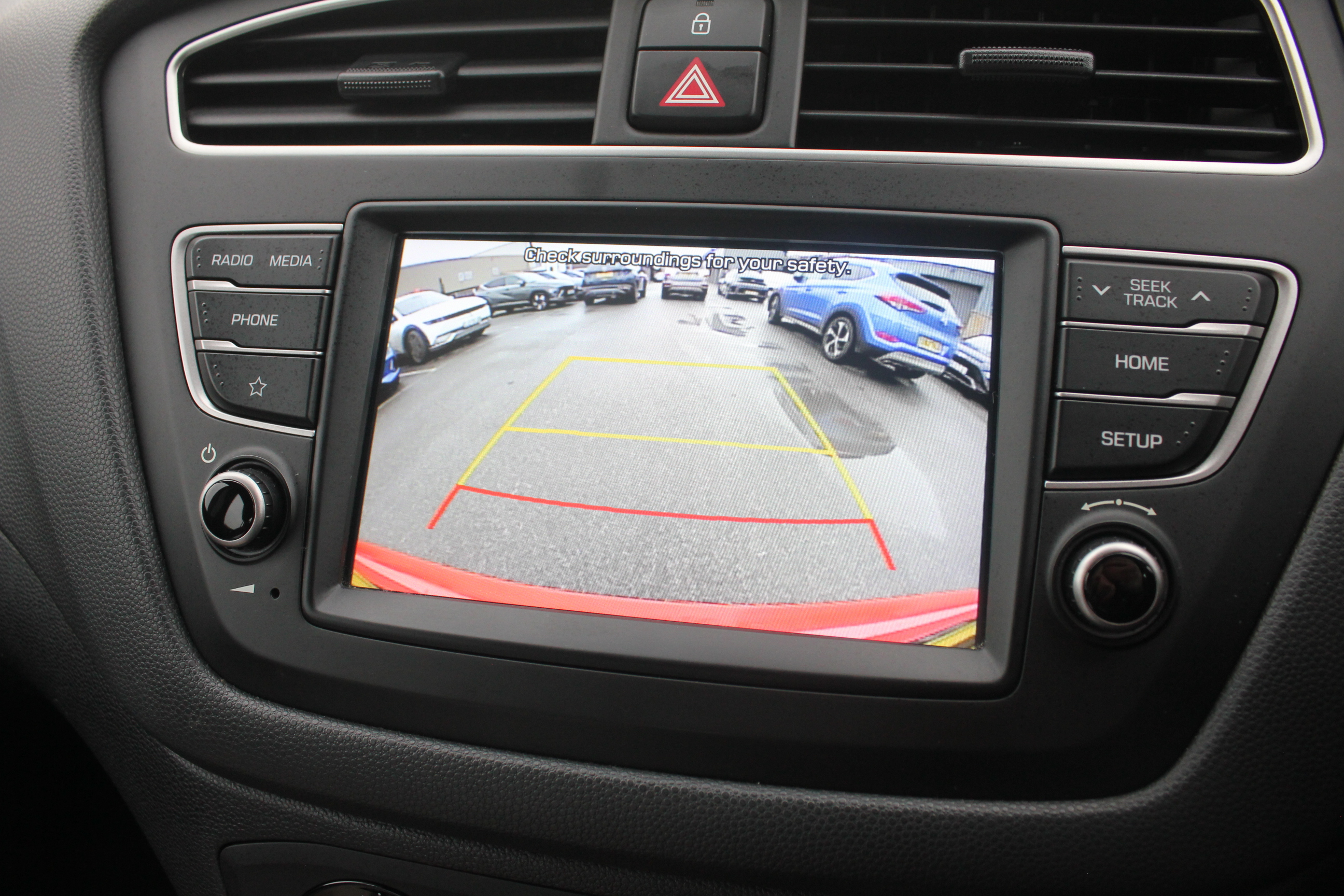
▲차량의 전자 시스템은 실패가 용납되지 않는 중요한 기능을 담당한다.
차량의 전자 시스템은 실패가 용납되지 않는 중요한 기능을 담당합니다. “컴퓨터 엔지니어와 자동차 엔지니어 사이에는 오랜 농담이 하나 있습니다”라고 Ulery는 말했습니다. “컴퓨터 엔지니어는 더 빠르게 혁신을 구현할 수 있다고 말하지만, 자동차 엔지니어는 시속 80마일에서 ‘죽음의 블루 스크린’이 뜬다면 그대로 죽은 목숨이라고 반박할 수 있죠”
이러한 시스템은 너무 중요하기 때문에 자동차 산업은 전자 시스템의 설계와 테스트를 위한 완벽한 검증돼가 되어 왔습니다.
■ 차량 이외의 분야로 기술 활용 확대
엔지니어가 반드시 예측해야 하는 특정 과제는 산업마다 다르지만, 부품에 인가되는 압력과 열악한 조건을 견뎌야 하는 필요성은 유사하므로 엔지니어는 사용 환경을 설계의 시작점으로 고려해야 합니다. 부품이 무엇을 견뎌야 하는지, 그것이 열인지 습기인지 진동인지 또는 이 모두인지 이해해야 해당 응용 분야에 적합한 제품을 식별할 수 있습니다.
Ulery에 따르면 이러한 사례의 대표적인 예로 Molex MX150 커넥터를 들 수 있습니다. 이 부품은 DigiKey 웹 사이트에서 판매되는 Molex의 최대 제품 라인에 속합니다. 이 커넥터는 내연 기관 연료 주입기 모듈과 차량의 바퀴에 직접 실장되는 안티록 브레이크 시스템을 포함한 자동차 응용 분야에서 사용되는 중전류, 중전압 시스템입니다. 이 부품은 진동, 극한의 온도, 습도 및 전체적인 마모와 손상을 비롯한 열악한 환경에 정기적으로 노출됩니다.
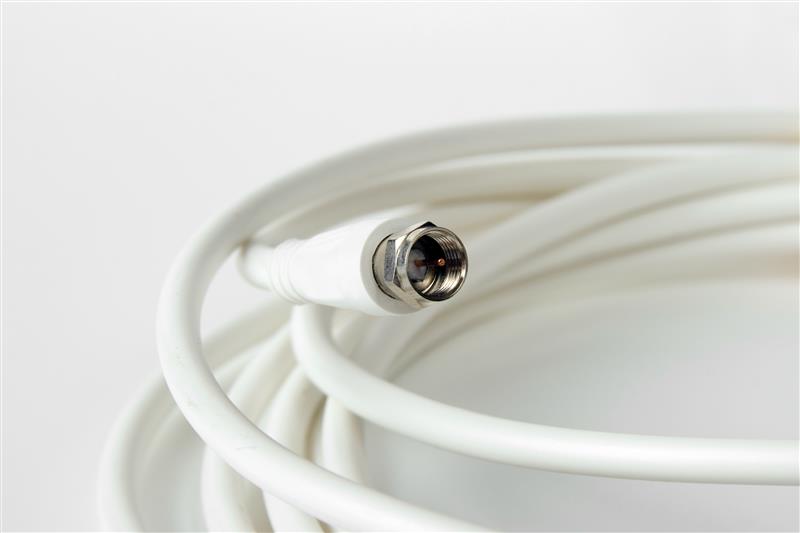
▲Molex의 MX150 커넥터
MX150 커넥터는 전통적으로 자동차 분야에서 사용되었지만, 한 제조업체가 기계의 제어 기판을 밀봉하기 위해 상업용 식기 세척기에 이 커넥터를 사용하는 것과 관련해 Molex에 문의했습니다. 이 식기 세척기는 고온, 고습 환경에서 일주일 내내 작동하며, 이전에는 누수로 인해 회로 기판이 보호되지 않은 채로 노출되어 수리로 많은 비용이 들거나 기계 고장이 발생했습니다. 상업용 식기 세척기가 사용되는 열악한 환경을 위해 특별히 설계된 밀폐 커넥터를 사용하면 시스템을 보호할 수 있습니다. 과거에는 회로 기판이 젖으면 부품이 손상되고 많은 돈을 들여 수리해야 했습니다. 하지만 지금은 기계의 외부만 젖을 뿐 큰 문제가 되지 않습니다. 이는 제조업체에게 큰 가치를 제공합니다.
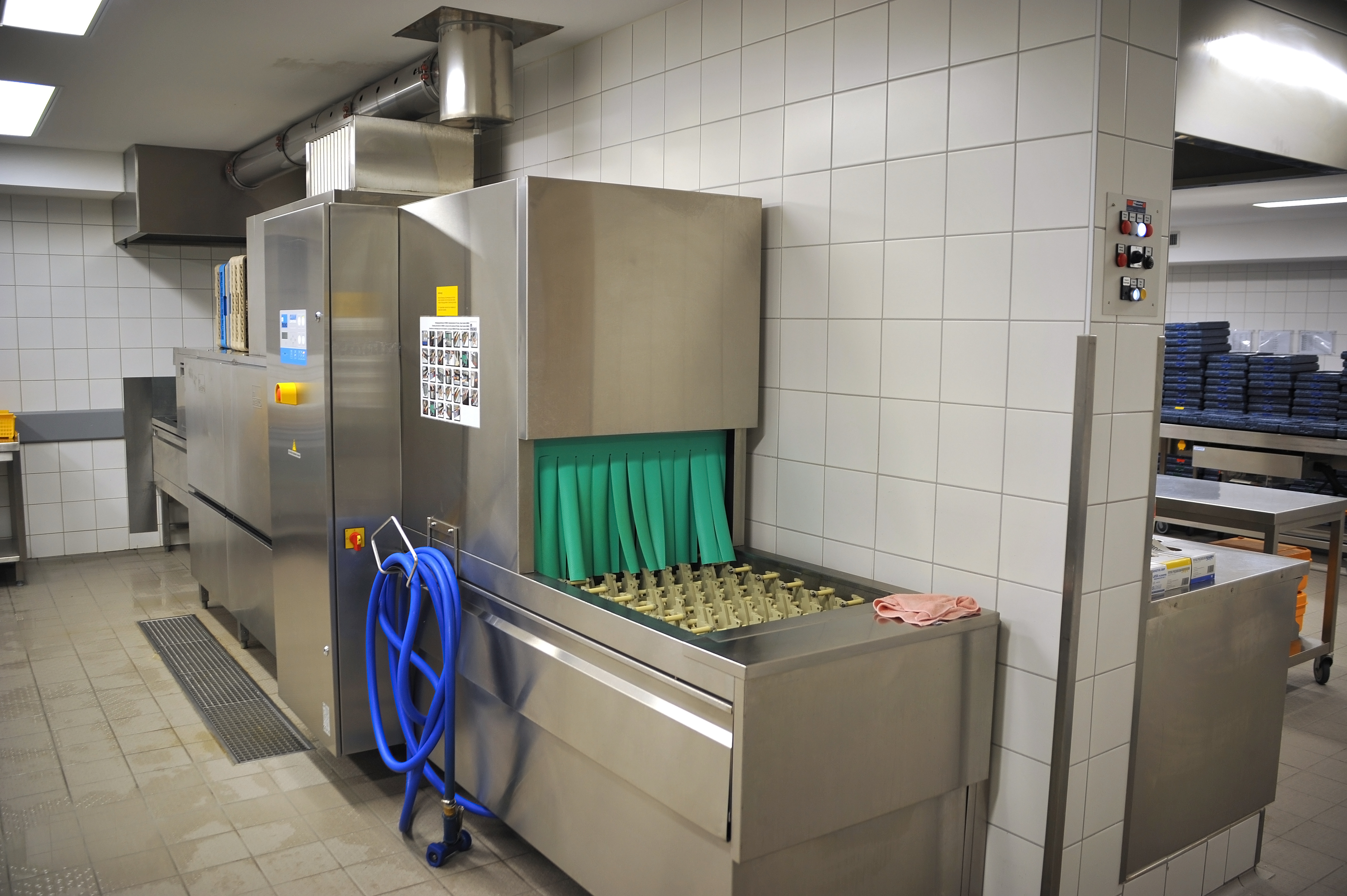
▲Molex의 MX150 커넥터가 적용된 상업용 식기 세척기
■ 이동식 최신 데이터 센터
오늘날의 차량은 카메라, 센서, 안전 시스템이 통합되어 있으며 모두 한 번에 통신이 가능해야 합니다. 이로 인해 모든 것을 함께 제공해야 하는 커넥터와 배선에 많은 부담이 가해집니다. 많은 기술이 이 혁신을 주도하며 다른 산업으로 이동하고 있습니다.
- 48V 시스템: 오늘날 대부분의 차량은 12볼트로 구동됩니다. 48볼트로 전환하면 전류 요구 사항이 감소하며, 이는 전선 크기 감소, 부품 무게 감소, 간편한 라우팅, 비용 감소를 의미합니다. 전압이 높아지면 전기 안전과 관련하여 새로운 설계 요구 사항이 발생하지만, 이점이 크기 때문에 다른 산업에서도 동일한 전환이 테스트되고 있습니다. 상업용 HVAC부터 산업 장비에 이르기까지 전기화가 시스템 전압을 증가시키는 곳은 어디든 이 동일한 원칙이 적용됩니다.
- 동축 및 HFM을 통한 전력 공급: 초기의 아날로그 차량 카메라에는 각각 5개 또는 6개 핀이 필요했습니다. 동축을 통한 전력 공급은 전력과 데이터를 단일 동축을 통해 디지털 카메라에 전송함으로써 이를 변화시켰습니다. 현재는 차량에 일반적으로 전방위 카메라와 첨단 안전 시스템이 장착되어 있습니다. Molex 고속 FAKRA-Mini(HFM) 커넥터는 콤팩트한 고속 패키지에서 이를 처리할 수 있도록 제작되었습니다. 이 동일한 솔루션은 여러 고분해능 피드가 단일 케이블에서 효율적으로 작동해야 하는 모든 곳에서 유용합니다.
- 단일 쌍 이더넷(SPE): 표준 이더넷은 두 쌍의 전선을 사용합니다. 단일 쌍 버전은 하나의 쌍으로 양방향을 모두 처리하며, 자동차 분야를 넘어 특히 유용한 이유는 상호 운영성 덕분입니다. 이 방식은 지속적인 통신을 위해 한쪽 끝에는 자동차 등급 커넥터를 사용하고 다른 쪽 끝은 SPE 커넥터를 사용합니다. 이를 통해, 산업용 시스템을 차량 등급 하드웨어에 연결할 때 실용적인 브리지 역할을 수행할 수 있습니다.
- 영역 아키텍처: 모든 센서를 단일의 중앙 컨트롤러에 라우팅하는 대신, 영역 아키텍처는 시스템을 로컬에서 관리되는 여러 영역으로 나누고 고속 백본을 통해 이러한 영역을 연결합니다. 이로써 배선 길이가 단축되고, 이중화를 구축하며, 전체 시스템을 손쉽게 업데이트 및 확장할 수 있습니다. 이러한 동일한 개념이 중앙 집중식 제어를 벗어나야 하는 복잡한 시스템 전반으로 확산되고 있습니다.
이러한 기술은 함께 현대 차량의 중요한 구성 요소입니다. 또한 동일하게 엄격한 표준을 충족해야 하는 다른 산업용 및 상업용 제품에도 점점 더 많이 사용되고 있습니다. 자동차 산업에서는 시간이 지나도 계속적으로 견디는 시스템을 구축할 수 있음이 증명되었습니다. 응용 분야는 달라질 수 있지만, 분야와 상관없이 성능에 대한 기대 수준은 변하지 않습니다.
자세한 내용과 전체 Let’s Talk Technical 내용을 확인하려면 DigiKey.com을 방문하세요.
※ 글쓴이
 Shawn Luke는 DigiKey의 기술 마케팅 엔지니어입니다. DigiKey는 전 세계 전자 부품 및 자동화 제품의 최첨단 상거래 유통 분야의 글로벌 리더이자 지속적인 혁신 기업으로 인정받고 있으며, 3,000개 이상의 우수 유명 브랜드 제조업체가 제공하는 1,750만 개 이상의 부품을 공급하고 있습니다.
Comments
Related news
DigiKey Announces Artificial Intelligence Exploration Video Series
DigiKey, the world's leading commercial distributor with the largest range of technical components and automation products available for immediate shipment, has launched "AI in a Smart World," Season 4 of the City Digital video series, under the sponsorship of Molex and STMicroelectronics.
2024.06.28by 배종인 기자
Kobo Signs Global Distribution Agreement with Digi-Key
Qorvo, a global leader in connectivity and power solutions, has entered into a worldwide distribution agreement with DigiKey, which enables immediate shipment of a diverse range of technology components and automation products.
2025.02.26by 배종인 기자
Digi-Key Adds 10,000 New Products and 104 Suppliers in Q1
DigiKey, a global distributor of electronic components and automation products, is accelerating industry growth by adding 98,320 new products (NPI) and 104 new suppliers during the first quarter of 2025, providing engineers with the components and solutions they demand.
2025.04.29by 명세환 기자
DigiKey: "'QSPICE' Innovatively Overcomes High-Frequency Parasitic Effects and Design Challenges"
I heard from Shawn Luke, a technical marketing engineer at DigiKey, about the advances in RF circuit simulation at Qorvo.
2025.12.05by 명세환 기자
Digi-Key: "In the hyper-connected era, embedded development requires built-in security across all aspects of law, technology, and operations."
Shawn Luke, Technical Marketing Engineer at DigiKey, discusses building embedded systems with outstanding cyber resilience.
2026.02.06by 명세환 기자











