


[IFA 2026 Settlement ①] IFA 2026 Opens the Era of 'Smart Living'…The Future of Smart Living and 7 Major Trends Showcased at IFA 2026
 Published2026.09.22 10:04
AI Embedded in All Devices·Homes Make Their Own Decisions, Ecosystem Competition Rather Than Product Competition
Future Testing Ground for Smart Home and Consumer Electronics Industry at a New Turning Point
[Editor's Note] The world's largest consumer electronics trade show, IFA 2026, held in Berlin, Germany, closed its doors after achieving record-breaking scale. This year's event transcended being a mere new product launch platform and served as a massive future laboratory showcasing how AI, robotics, smart home, and next-generation computing technologies will transform everyday life. Accordingly, this publication plans to conduct a nine-part series through the eyes of Kim Hak-yong, a contributing reporter (CEO of WhatsMatter) who covered IFA 2026 on-site, providing in-depth analysis of the core trends of IFA 2026 one by one, and subsequently examining the strategies of global companies and the tasks the domestic industry must prepare for.
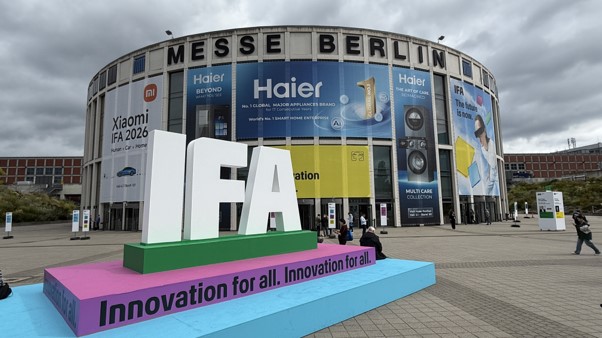
Over five days from September 4 to 8 at Messe Berlin in Germany, the exhibition attracted approximately 240,000 visitors from 155 countries worldwide, with over 2,000 companies participating.
In particular, global companies such as Xiaomi, SpaceX, NVIDIA, AMD, Unitree, and AgiBot participated for the first time, elevating the scale and impact of the event to new heights.
Compared to last year, both the number of participating countries and visitors increased, recording a scale that significantly exceeded visitor numbers at this year's CES.
It reconfirmed that IFA, which began as a radio exhibition in 1924, remains the central stage of the global consumer electronics industry even after more than a century of history.
The organizers characterized this year's event as "the trade show with more AI and robots than ever before."
In fact, throughout the exhibition hall, next-generation AI technologies that go beyond generative AI to recognize and directly act upon the real world were unveiled, and smart homes were also evolving into a new stage with autonomy and intelligence beyond simple connectivity.
■ AI Transforms Daily Life, and Homes Think for Themselves
① AI Everywhere
The first keyword permeating IFA 2026 was undoubtedly the 'ubiquity of AI.' AI is no longer a differentiating factor applied only to premium products. It is becoming a new standard, built into virtually every home appliance—TVs, refrigerators, ovens, dishwashers, air conditioners, PCs—as a basic function.
Miele's dishwashers independently recognize the loading state of dishes and determine the optimal washing method, while Siemens ovens recognize cooking targets and automatically adjust the cooking process. Refrigerators and TVs are also evolving to understand user patterns and content, providing personalized experiences. Industry focus is now shifting from 'does it have AI?' to 'what tasks does AI perform for the user?'
② Generative AI
Another significant change is that AI is expanding beyond screens into physical spaces. AI that generated text and images is now evolving into 'Physical AI' that recognizes surrounding environments through cameras and sensors and takes direct action. While humanoid robots attracted considerable attention, the market is rapidly seeing the proliferation of purpose-built robots that complete specific tasks, such as robot vacuums, window-cleaning robots, and lawn-mowing robots. The organizers also evaluated robotics as one of the most important future technologies alongside AI.
③ Connected Home → Intelligent Home
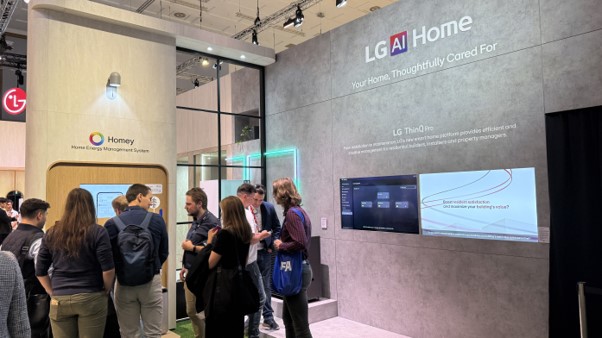
The evolution of smart homes was also notable. While smart homes in the past focused on device connectivity and remote control, they are now evolving into 'Intelligent Homes' that comprehensively analyze occupancy status, temperature, illumination, and energy states to make independent decisions and execute them. Major companies including Samsung Electronics, LG Electronics, Miele, and Aqara all emphasized services aimed at minimizing direct user intervention.
④ Cloud AI → Local/Edge AI
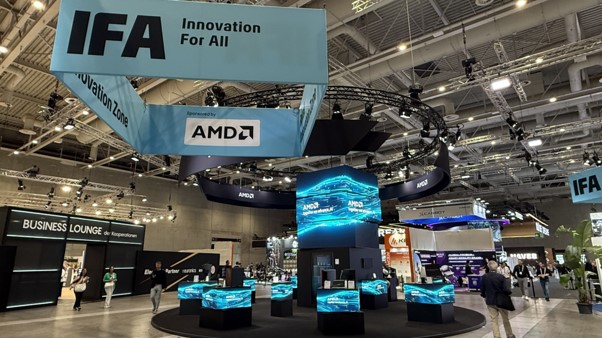
The manner in which AI operates is also changing. There was a significant increase in local AI products that process AI directly within devices, such as AI PCs, mini workstations, and edge AI servers. These offer advantages in fast responsiveness, privacy protection, and cost reduction. Simultaneously, a hybrid AI structure is emerging as a new standard, where large-scale inference is handled by the cloud while personalization and real-time processing are handled locally.
■ Competition Shifts from Products to Ecosystems
⑤ Device Competition → Ecosystem Competition
Another change confirmed at this IFA is that the center of competition is shifting from individual products to ecosystems. Companies no longer emphasize only the performance of a single appliance. Instead, they are focusing on presenting integrated experiences that connect people, homes, automobiles, and mobile devices into one unified platform.
Xiaomi, participating in IFA for the first time, garnered attention by presenting a 'Human × Car × Home' strategy that connects smartphones, home appliances, and electric vehicles into a single platform. Samsung Electronics and LG Electronics also demonstrated focus on ecosystem competition, emphasizing sustained relationship formation with users and service linkage centered around AI homes.
⑥ China Goes Premium & Global
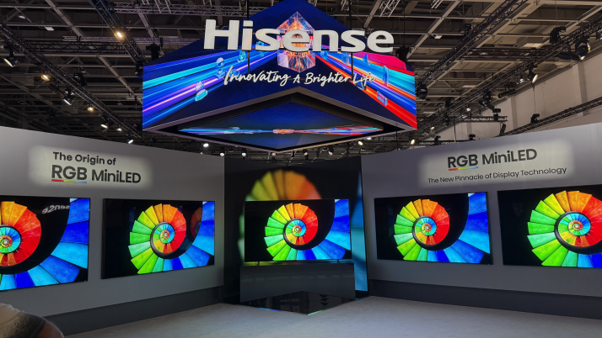
The advancement of Chinese companies was one of the key highlights of this year's exhibition. With a total of 932 Chinese companies participating, companies such as Xiaomi, TCL, Hisense, Haier, Midea, Dreame, and Changhong revealed their determination to capture global markets by leading with premium technologies including AI appliances, robots, Mini LED TVs, and electric vehicles. Assessment suggests these companies are shifting the focus of competition away from OEM/ODM-centered manufacturing competition toward brand, technology, and ecosystem competition.
⑦ Efficiency is the New Premium
Competition in environmental friendliness, unique to the European market, has also intensified. Multiple companies showcased products that significantly reduce power consumption compared to existing maximum efficiency standards and emphasized functions that actively optimize power usage leveraging AI. The European Union's Ecodesign, Energy Label, and repairability regulations are now recognized by consumers as values that offer electricity bill reduction and extended product lifespan, transcending mere regulatory requirements.
Ultimately, the essence of change demonstrated by IFA 2026 is clear. The competitive axis of the industry is shifting from individual product performance to the entirety of the smart living experience. AI is no longer a function within digital screens but is becoming an entity that understands and acts within living spaces, and companies are entering an era where they compete through ecosystems and services rather than products.
From the next installment onward, we will examine each trend in depth, specifically analyzing the exhibition cases of major companies and their significance.

Comments
Related news
.jpg)
IFA 2026 Expands Programs to AI Lifestyle and Smart Home
IFA Berlin announced on June 20th the strategic direction and additional programs for 'IFA 2026', reinforcing its role as a gateway for Korean brands to enter the European market. The program will be expanded to include AI-based lifestyle, next-generation smart home, digital health, and content creation, while the visitor base will be broadened to encompass distribution, retail, gaming, and logistics. During the exhibition period, the historic ICC Berlin will be specially opened for one day, and based on the Korea-EU Digital Trade Agreement, support will be provided for Korean companies' market entry into Europe and distribution partnerships.
2026.06.20by 명세환 기자
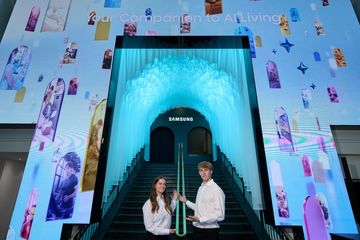
Samsung Electronics reveals 'AI Living' exhibition at IFA 2026
Samsung Electronics unveiled the 'AI Living' concept integrating AI throughout daily life at IFA 2026. The company operates an exhibition hall composed of three zones—Entertainment, Home, and Care—at Humboldt Carré in Berlin, showcasing new products including Micro RGB TV, Bespoke AI refrigerators and washing machines, and Galaxy S26 FE. Samsung is establishing an AI-based service ecosystem that organically connects TVs, home appliances, and mobile devices to support all aspects of living including leisure, energy management, and healthcare.
2026.09.02by 배종인 기자
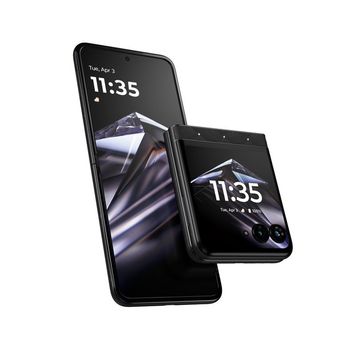
Lenovo Unveils Hybrid AI New Products at IFA 2026
Lenovo has unveiled new products incorporating personal and enterprise hybrid AI strategies at IFA 2026. It is expanding support for the personal AI Qira to 16GB memory PCs and will also equip Motorola devices and Moto Watch Ultra. The company showcased diverse form factor product portfolios including Yoga Pro 9n and Yoga 9n 2-in-1 based on NVIDIA RTX Spark, and fanless ultra-slim mobile PCs.
2026.09.04by 배종인 기자
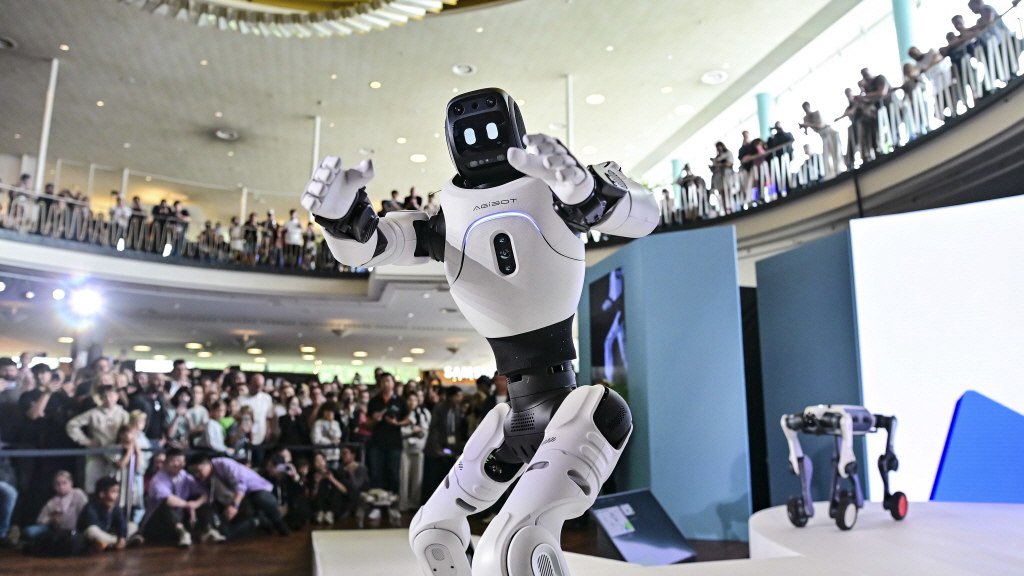
[IFA 2026 ①]"AI Operates Homes, China Controls Market"
The world's largest consumer electronics and IT trade show, IFA 2026, held in Berlin, Germany, was not merely a showcase for new products. This year's exhibition marked a declaration of entry into an era where AI transcends being embedded in home appliances to integrally operating them. Simultaneously, Chinese companies, comprising nearly half of participating enterprises, brought their technological competitiveness to the forefront in displays, smart homes, and robotics, moving to secure leadership in the global market. IFA 2026 is projected to be recorded as an event that distinctly revealed two major currents: "the opening of the AI agent era" and "China's manufacturing technical hegemony challenge."
2026.09.14by 김학용 기자
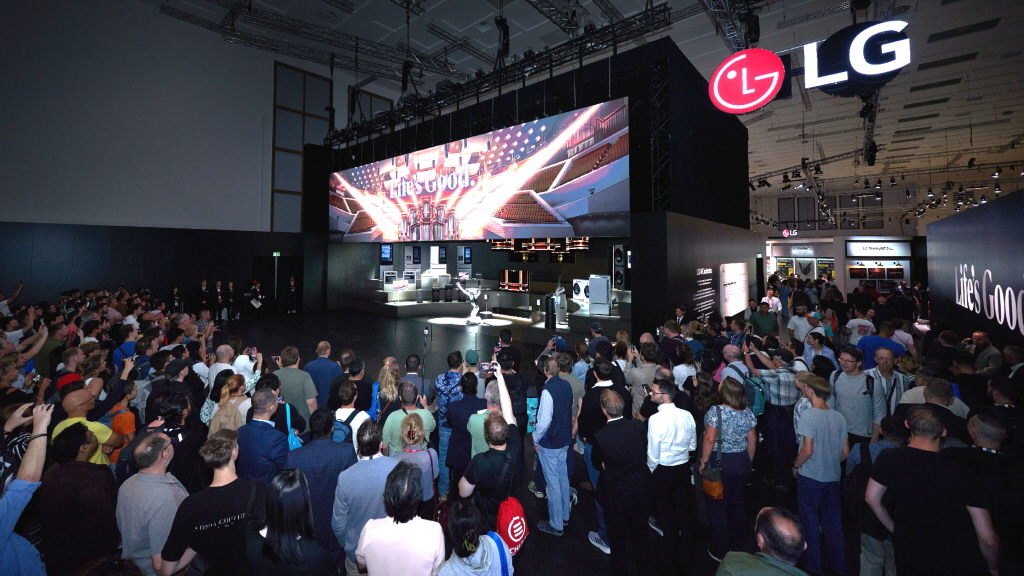
[IFA 2026 ②]AI was the same, but strategies differed…Samsung and LG's winning moves diverged at IFA 2026
At IFA 2026 held in Berlin, Germany, Samsung Electronics and LG Electronics discussed the same AI but approached the market in completely different ways. While Chinese companies occupied nearly half of the exhibition space with volume and technology offensives, the two domestic companies shifted their focus from simple product competition to AI ecosystem building, energy efficiency, and space design competition. In particular, both companies presented a future where AI manages users' daily lives on their behalf, but Samsung Electronics differentiated itself with a consumer experience and content-focused strategy, while LG Electronics led with a B2B and platform-focused strategy.
2026.09.14by 김학용 기자











