



Launch of personalized 'sleep schedule management function' for healthy sleep habits
 Published2016.06.24 09:25
Fitbit is introducing a new, simple and effective sleep feature to help millions of Fitbit users around the world get a good night's sleep and improve their health.
Sleep is an important factor in health and quality of life, from preventing cardiovascular diseases like diabetes and obesity to improving neurological function for mental health and longevity. New sleep schedule management features available through the Fitbit app and Fitbit’s activity trackers help users get a good night’s sleep.
Sleep scheduling is the first of a series of new sleep features being developed in collaboration with Fitbit’s new advisors and renowned sleep experts: Dr. Michael Graner of the University of Arizona, Dr. Allison Shearburn of Stanford University, and Dr. Michael Smith of Johns Hopkins University.
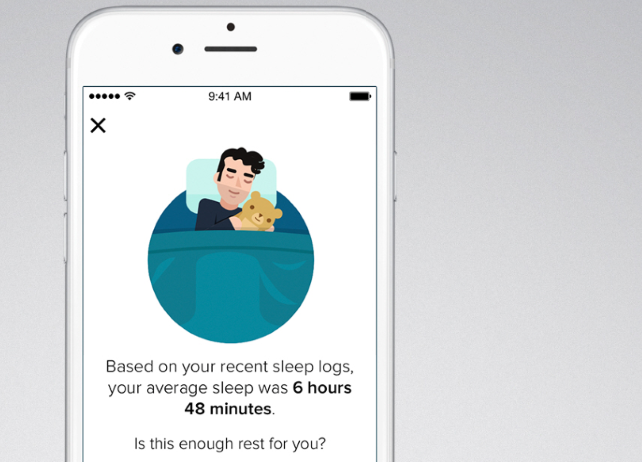
Fitbit has been working to make it easier and smarter for users to use Fitbit's activity tracker by introducing upgraded features through the app, such as the automatic exercise recognition function (SmartTrack) that makes it easy to record exercise and automatic sleep monitoring.
Because the Fitbit platform offers a full range of activities, including fitness trackers, apps, social and motivational features, and personalized guidance, apps play a very important role. The Fitbit platform helps users exercise more, be more active, eat smarter, monitor their sleep patterns, and manage their weight. Many people know that sleep is a very important factor in their health, but getting a good night’s sleep of 7 to 9 hours every night can be harder than you think.
According to Fitbit’s sleep experts, maintaining a regular and consistent sleep schedule is one of the most important factors in improving sleep quality. In fact, Dr. Michael Graner said, “Irregular sleep habits can cause symptoms similar to jet lag caused by frequent travel. This is because it constantly changes your biological rhythm, also known as your body clock, which can have negative effects on your health and quality of life.”
He also said, “Getting enough sleep every night is essential not only for physical activity but also for mental health and cognitive ability improvement, and bedtime and wake-up time should also be consistent. In this regard, Fitbit’s new sleep schedule management function helps people develop healthy sleep habits by informing them of the actual amount of time they slept. We expect that the new function will help millions of people around the world improve their sleep and lifestyle habits in a healthy way.”
Research has also shown how much sleep is essential and positively impacts the next day’s physical performance, post-workout rehabilitation, and the body’s ability to recover on its own. Data recorded on Fitbit also shows a correlation between sleep time and active time. For example, users who are overweight or obese (BMI 25 or higher) sleep about 70 minutes less per week on average than users who are of a healthy weight (BMI 18.5-25), while users who sleep an average of 7-9 hours per night have a lower body mass index (BMI) than those who sleep only 3-4 hours.
“The power of our new Fitbit Sleep Schedule is that it takes your sleep data all day long from your activity tracker, analyzes your sleep patterns, and creates a personalized sleep schedule just for you,” said Tim Roberts, VP of Interactive at Fitbit. “This is a great example of how we’re using Fitbit data to help millions of people build healthy habits, and it’s the first of many new sleep features we’re building to provide people with data and guidance to take their own path to better health.”
관련뉴스
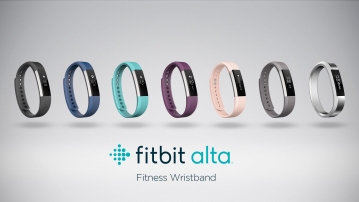
Fitbit Unveils 'Alta' with Up to 5 Days of Use on a Single Charge
핏비트(Fitbit, Inc.)가 오늘 스타일리시한 피트니스 밴드 핏비트 알타(Fitbit Alta)를 전 세계에 공개했다. 슬림하고 세련된 디자인의 피트니스 밴드 핏비트 알타는 손쉽게 교체 가능한 액세서리 밴드로 패셔너블함을 강조한 점이 특징이다. 총 3 가지 스타일로 출시돼 모든 TPO에 맞춰 착용할 수 있으며, 개성에 맞게 스타일을 연출할 수 있다.
2016.02.08by 명세환 기자
Smart healthcare, do you have a 'medical assistant' just for you?
The wellness industry is a sector supported as part of the 19th Future Growth Engine customized investment strategy, encompassing mobile-based healthcare including wearable devices and health-related applications. The wellness investment strategy supports the development of wellness IT programs and platforms linking hospitals and companies, cultivates specialized personnel for wellness device services, and supports the acquisition of international standards for devices. Additionally, it promotes the development of testing and certification methods and service guidelines. This includes pilot projects for mobile healthcare at public health centers.
2016.04.04by 신윤오 기자
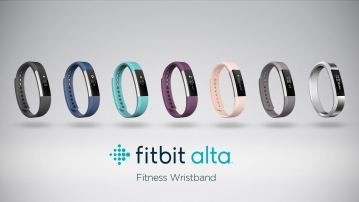
Fitbit Launches Fashionable Smart Fitness Devices 'Blaze' and 'Alta'
Smart healthcare brand Fitbit, Inc. is officially introducing the Fitbit Blaze smart fitness watch equipped with a high-resolution color touchscreen and the Alta fitness band featuring a slim and refined design to the domestic market. The Fitbit Blaze maximizes exercise efficiency by providing features such as FitStar workout coaching, a personal fitness training program displayed through graphics, PurePulse that measures 24-hour real-time heart rate, GPS synchronized with mobile phones, and Multi Sport that enables real-time exercise statistics confirmation on the display. Additionally, it features a modular design with interchangeable bands ranging from leather to stainless steel. The Fitbit Alta is characterized by providing accessory bands in various materials, emphasizing fashion appeal, allowing users to express their personal style not only in exercise environments but also from casual to business looks. The newly implemented activity reminder feature encourages the achievement of a mini step goal of 250 steps per hour, motivating users to maintain an active state throughout the day.
2016.04.27by
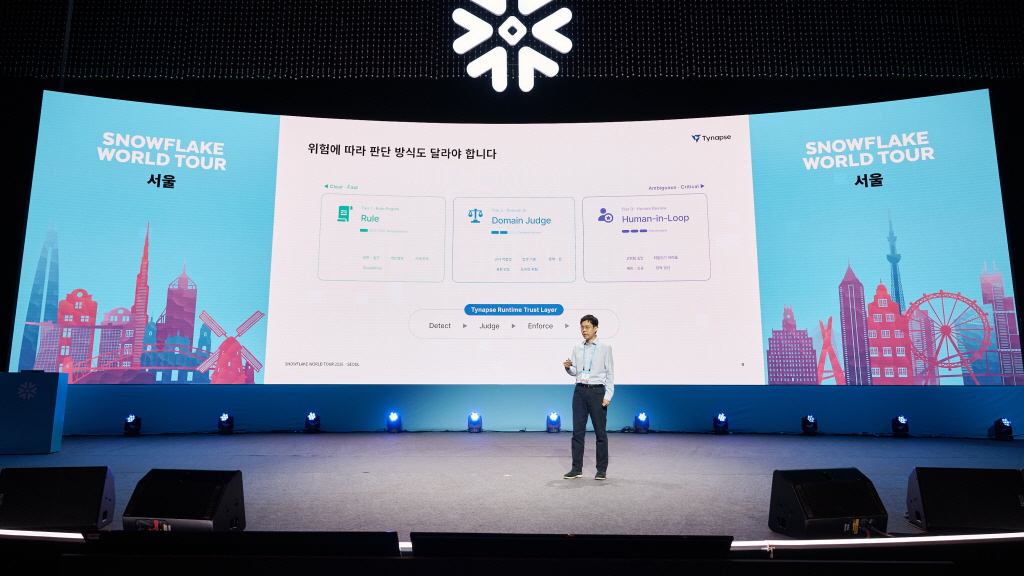
The Problem with AI is Not Performance, but Trust
CEO Kang Min-seung emphasized at Snowflake's World Tour Seoul that generative AI has entered a phase where "trust" rather than accuracy becomes the key competitive advantage. As AI is applied to various tasks including consultation, risk management, and operational automation, incorrect data, erroneous responses, and bias are creating actual business risks. He pointed out that enterprises must build a trust layer above AI. To achieve this, accurate data management, semantic structuring, governance, and prompt security are essential. He explained that AI is not merely an automation tool but a technology that reorganizes the entire organization's workflows and decision-making systems. Snowflake provides a platform that supports this trust-based AI operation, emphasizing that enterprises should build "trustworthy AI" rather than "intelligent AI."
2026.08.28by 배종인 기자
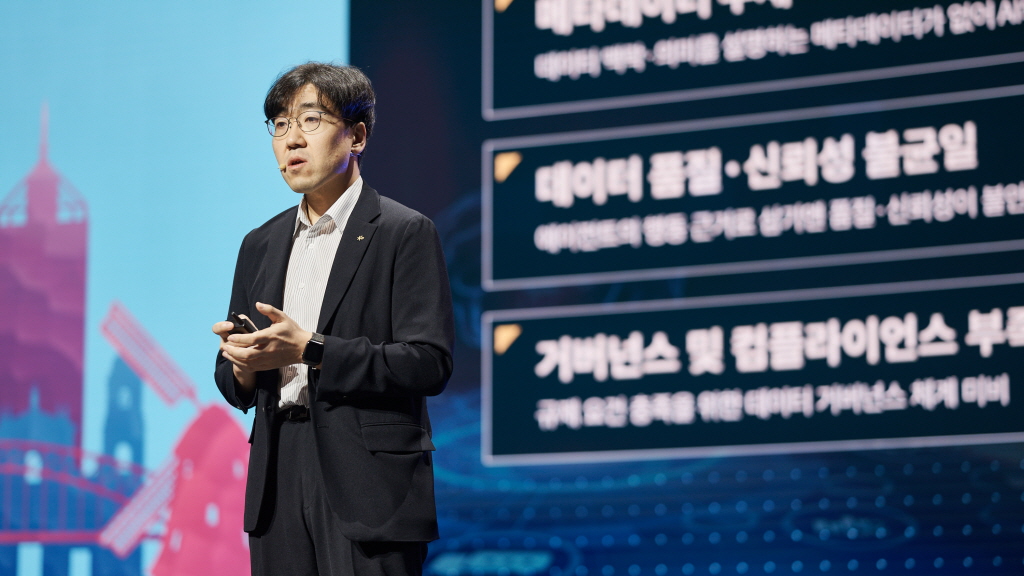
The Decisive Factor for AI Agents in Finance: "Trustworthy Data Infrastructure"
The key to spreading AI agents in the financial sector is establishing a trustworthy data system. KB Kookmin Bank is operating over 100 AI agents by 2025 and is promoting expansion to 300. AI is automating repetitive tasks across various areas such as consultation, risk management, wealth management, and relationship management. However, if data quality, governance, and semantic structuring are insufficient, errors and risks increase. KB is building an AI-Ready organization through a multi-model strategy of GPT, Gemini, and Claude, as well as a Snowflake-based data system. The bank emphasized that AI has entered a phase where it restructures not just simple automation but the entire work process and decision-making system.
2026.08.28by 배종인 기자











