



[Discussion] Autonomous Vehicle Level 4: Is the Vehicle Liable? Are Legal Systems Ready?
 Published2017.07.10 16:30
아직 국제 규격도 판례도 없는 제어권 혼란
자율주행차의 상용화가 구체화되면서 이러한 변화가 우리에게 위협이 될 것인가, 아니면 기회가 될 것인가.
지난 5일 개최된 ‘오토모티브 이노베이션 데이 2017’ 에는 이러한 주제를 놓고 토론이 벌어졌다. 이날 행사는 토론에 앞서 ADAS&자율주행차, 커넥티드카&인테리어전장부품, 자율주행테스트&개발분야 등 세가지 세션으로 나눠 컨퍼런스를 진행했다. 컨퍼런스를 마무리하는 패널토의는 ‘자율주행 위협인가, 기회인가?’를 주제로 국민대학교 전자공학부 정구민 교수(좌장), NXP반도체 옌스 힌릭셴(Jens Hinrichsen) 수석 부사장, 자동차안전연구원 신재곤 자율주행연구처장, 자동차부품연구원 유시복 센터장이 참여했다.
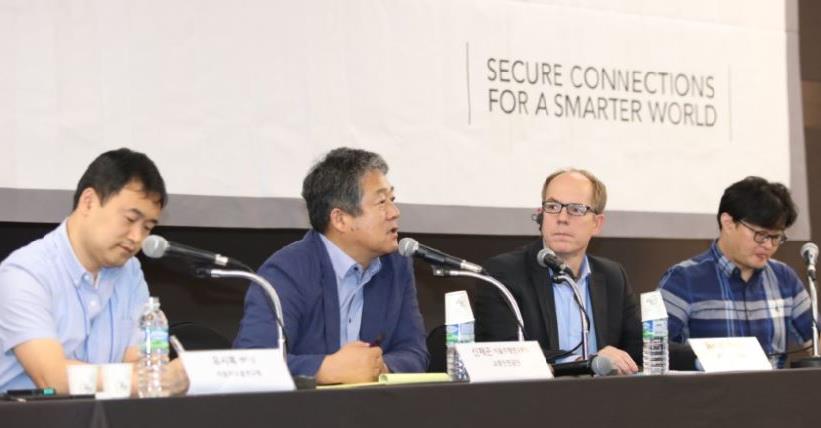
정구민 교수(좌장) 보고서에 따르면 자율주행차가 상용화되면 차가 줄어든다고 한다. 완전자율주행차로 갈 것인가라는 문제가 거론되고 있는데 자율주행이 레벨3을 건너 뛰고 레벨4로 간다고 한다. 어떻게 생각하나.
신재곤 처장 현재 기술적으로 레벨3의 정의가 모호하다. 미국 도로교통안전국(NHTSA) 레벨은 일반적인 개념에서 말하는 거라 기술적으로는 모호한 부분이 많다. OEM이 레벨3 정의가 없이 개발한다는 것은 결국 제어권 책임 문제로 이어진다. ‘어느 시점에서 제어권 전환을 하냐’가 핵심이다. 제어권을 넘겨줄 시점, 어떻게 넘겨 줄지 이런 경계가 국제 규격상 명확히 없다. 이런 부분이 명확해져야 레벨4로 간다고 할 수 있다.
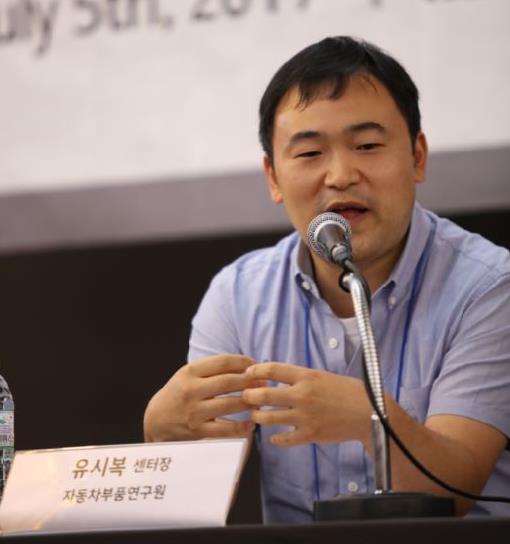
유시복 센터장 이번 4월 파리에서 열린 ISO 표준화 회의에서 운전자를 모니터링 하는 중에 운전자가 딴짓하는 걸 아는데 제어권을 넘겨야 하는 상황이 오면 어떻게 할 것이냐는 문제가 제기됐다. 이를 두고 몇 번의 경고를 해서 제어권을 넘기면 자동차가 책임을 지지 않는 것으로 하자는 이야기가 나왔다. 아직 제어권과 관련해서 나온 판례가 없기 때문에 이 부분은 논의가 필요하다.
레벨4부터는 차가 책임을 져야 하는 단계인데, 일본에서는 만약 사고가 나서 차 책임이라고 판결이 나려면 현행법상 개인이 차의 잘못을 증명해야 한다. 이러면 차 팔아서 버는 것보다 사고로 보상해주는 게 많을 텐데 그러면 시장 형성이 안 될 것이다.
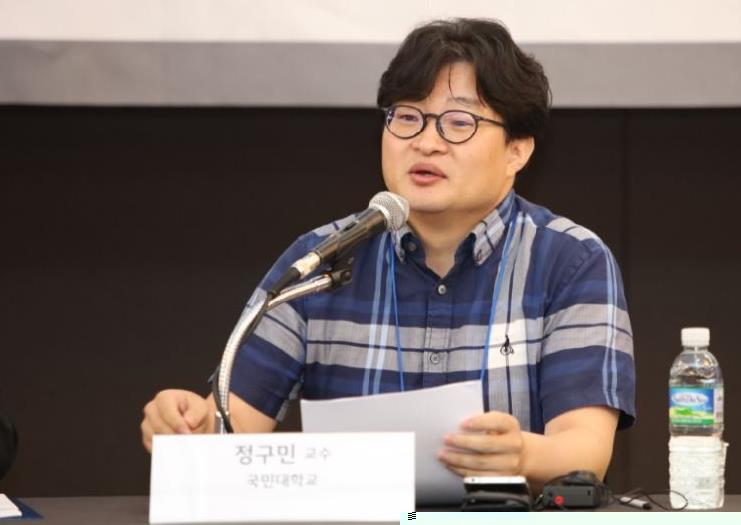
정구민 교수(좌장) 레벨1, 2단계에서의 자율주행차 사고는 운전자의 부주의였다. 법적인 책임도 운전자가 지었는데 레벨3, 4단계로 가면 법도 바뀌어야 하는데 로드맵이 어떠한가.
신재곤 처장 레벨3 기술을 개발하는데 개발자가 레벨2라고 할 수 있다. NHTSA에서도 레벨2로 신고하면 운전자가 책임을 져야한다. 제어권을 운전자에게 넘겨주면 항상 주의를 기울여야 하는데 이런 부분은 기술개발하면서 함께 명확해져야 한다.
소프트웨어와 서비스 공급 같이 하는 것이 대세
정구민 교수(좌장) 자율주행차가 상용화가 되면 가장 수혜를 입을 기업과 사업은 무엇이라고 보는가.
신재곤 처창 자율주행차와 전기차는 궁극적인 목적은 같지만, 전기차보다 자율주행차가 돈이 된다. 전기차는 충전 인프라가 되면서 자연스럽게 시장이 형성되는데 자율주행차는 ADAS 시스템, 센서, 인공지능이 같이 가는 흐름이라 시장이 좀 더 넓다. 단기적으로 봤을 때는 소프트웨어 회사가 돈을 번다. 장기적으로 가면 소프트웨어와 서비스를 같이 하는 공급자가 돈을 벌 것이다. 스마트폰을 봐도 그렇다 개인적으로 결국 OEM보다 위에 서비스 공급자가 서게 될 거라고 본다.
유시복 센터장 2015년도 영국 연구자료를 보면 2030년이 되면 자율주행차로 인해 70조 원의 파급효과가 생긴다. 이 중 30조가 넘는 부분이 자율주행으로 인해 차 안에서 다른 일을 할 수 있게 되어서이다. 이런 서비스를 제공하는 업체들이 주도할 거라고 본다.
정구민 교수(좌장) 현재 우리나라 자동차 사업 대부분은 부품사업인데, 부품업체는 어떤 준비를 하면 되나.
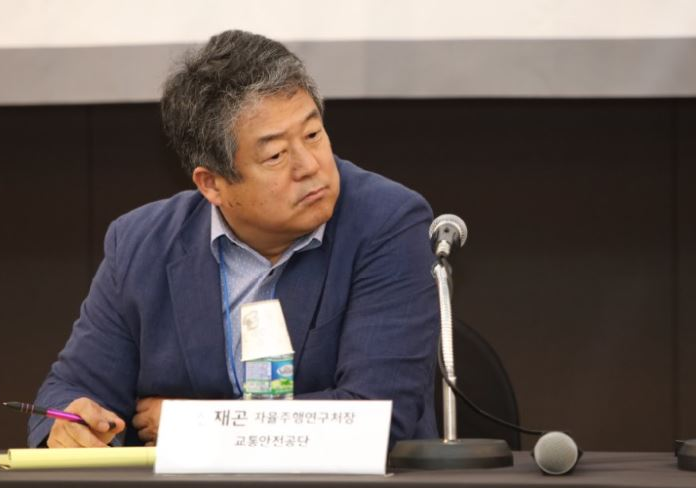
자동차안전연구원 자율주행연구처장 신재곤(출처: NXP 제공)
신재곤 처장 부품 업체들도 OEM이나 Tier 1 같이 생각하는데, 소프트웨어를 개발해서 OS까지 가져가지 않으면 안된다. 현대차도 OS는 다른 회사 거를 쓰다 보니 종속될 수밖에 없다. 크게 보면 OS 시스템을 별도로 개발하는 방향으로 대응해야 한다고 생각한다.
정구민 교수(좌장) 완성체 업체 입장에서, 자율주행이 위협인가, 기회인가.
유시복 센터장 자율주행차 산업 자체가 자동차 업계에서는 큰 위협이 되는 것은 맞다. 기회가 되려면 체질 개선을 해야 한다. 비전 센서의 경우 80%가 외산이다. 조금씩 커지고 있는 산업 입장에서는 안 맞는다. 하지만 우리가 부품산업을 포기하지 않고 육성해야 기회가 될 것이다.
"우리가 부품산업을 포기하지 않고 육성해야 기회가 될 것"
정구민 교수(좌장) 완전자율주행차의 상용화가 실행 가능하다고 보는가.
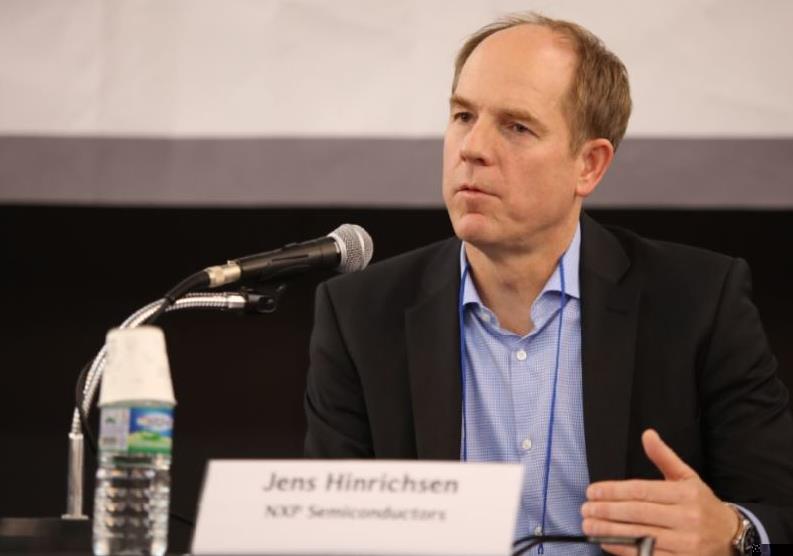
옌스 힌릭셴 언젠가는 실행될 것이다. 부품, 하드웨어, 소프트웨어 등 전체 생태계가 완전히 변하고 있다. 협업을 통해 기술을 레벨5까지 갈 것이다. 상용화를 위해서는 많은 고객이 원하고 받아들여야 한다. 그래서 신뢰도가 중요하다. 책임 소재를 분명하게 할 입법과 제도도 지정되어야 한다. 윤리, 법, 규제, 기술 등이 함께 가야 상용화가 가능하다.
정구민 교수(좌장) 상용화를 위한 핵심기술이 있다면 무엇인가.
옌스 힌릭셴 비전의 기반이 될 여러가지 센서가 필요하고 와이파이나 5G 기술이 필요하다. 그 다음은 안전하고 보안에 강한 최고 품질의 기능안전이 있어야 자율주행이 이뤄질 거다.
정구민 교수(좌장) 상용화를 위해서 유럽에서 어떤 활동을 진행하고 있나.
옌스 힌릭셴 현재 규제 관련한 활동이 많다. 독일 교통 장관이 자율주행차 가이드라인을 발표했다. 많은 기술 협력도 이뤄지고 있다. 레이다, 소프트웨어, 보안 V2X 등 파트너들과 함께 하고 있다.
유시복 센터장 NXP는 V2X 관련 어떤 활동을 하는가.
옌스 힌릭셴 NXP의 와이파이 솔루션에 기반해 강력한 규제를 제공하고 있다. 5G도 보충적으로 사용 가능하다고 본다. 독일 아우토반에서 V2X 테스트도 진행했다.
정구민 교수(좌장) 기술과 제도가 같이 가야하는데 레벨에 따른 법제도, 가이드라인이 어떻게 준비되고 있나.
신재곤 처장 단계별 법제화는 우리나라만의 단독법이 어렵다. 세계적으로 국제적 논의가 필요하다. 단계별보다는 UN법규에서 말하는 기술적 정의와 규정을 만드는 중이다. OEM에서는 정부가 가이드라인을 제시해줬으면 한다. 현재 자율주행차 기술은 법 만들기에는 너무 빠르게 발전하고 있다. 상용화 시점이 왔을 때 법이 발목 잡지 않게 하려고 논의 중이다. 개발할 때 국제 법규가 흘러가는 방향을 이해하고 신뢰성을 높이는 쪽으로 가면 될 것 같다.
올해 고속 주행 테스트용 K-City(가상시티) 오픈
정구민 교수(좌장) K-City에 대한 기대가 크다. 활용 방안은 어떻게 되나.
신재곤 처장 자율주행이 장착된 시스템이나 차량을 개발할 때 평가와 검증이 반드시 필요하다. 일반 도로에서는 평가와 검증을 하기가 어려워서 국토해양부에서 자동차안전연구원 11만평 부지내에서 자율주행차 실험 도시를 만들고 있다. 일종의 가상도시로 고속도로, 시외도로, 시내, 스쿨존, 공사중 표시 등 모든 시뮬레이션이 가능하게 구성했다. 더미나 로봇으로 보행자, 차량을 다니게 할 계획으로 반복 실험, 시나리오 등 다양한 실험이 가능하다. 통신망도 5G까지 설치할 예정이라 통신 성능 테스트를 고속에서 할 수 있다. 올해는 고속도로 구간만 오픈하고 나머지는 내년 연말쯤 오픈할 계획이다.
플로어 질문 K-City 사용 조건이나 가격은 어떻게 되나.
신재곤 처장 언제 오픈할 지 고민되는 점이 가상시티에 레벨이 있다. 지금 상태로는 올해 고속 주행 정도만 완성된다. 아직 실제적으로 어떻게 활용할지에 대한 구체적인 방안은 안 나왔다. 가상시티가 축척이 정확해야한다. 단계별로 업그레이드 될건데 연말에 얼마나 될지 모르겠다.
질문 차량 내부의 운전자 생체신호 관련해서 진행상황과 법과 관련해 자동차에 어떻게 적용될거 같은가.
유시복 센터장 생체신호를 측정하는 여러 가지 방안들이 있다. 뇌파를 측정하기도 하고 최근에 본 것인데 안경의 코 받침으로 혈류를 측정하기도 한다. 카메라로 얼굴의 온도 분포와 근육 형태를 보기도 하고, 핸들에다 부착하는 방식도 있다. 어떤 방식이든 사람마다 상태에 따라 측정의 어려움이 있다. 전반적으로 상용화가 되려면 시간이 많이 필요할 것이다. 사람의 목소리 분석, 대화 내용 분석 이런 부분이 먼저 상업화가 되지 않겠나 싶다.
신재곤 처장 개발하는 차원하고 실제 차에 적용하는 차원은 완전히 다르다. 졸음운전 방지용으로 아이트래커 개발하는데 실제로 쓰이기는 어렵다. 시스템은 좋지만 궁극적으로 졸음운전 다음 행동이 뭐냐, 차선을 벗어나거나 충돌하는 것이다. 차간 거리가 가까워지면 제어권이 전환되어야 하는데 운전자가 아이트래커로 봤을 때 눈뜨고 딴짓을 하는지 전방주시를 잘하는지 검토가 필요하다. 실질적으로 장착을 하려면 신뢰성과 필요성이 있어야 한다.
정구민 교수(좌장) 레벨이 3, 4 단계가 되면 차가 책임을 지게 된다. 그러려면 사용자 모니터링이 필수적이라고 본다. 모니터링을 의무장착해야 한다는 의견과 제도를 바꿔야 한다는 얘기가 나오고 있다.
Comments
Related news
When self-driving cars become commercially available, "the concept of autonomous driving will be adopted for everything on the road."
On Wednesday the 5th, the nation's largest automotive conference 'Automotive Innovation Day' was held at The K Hotel. Hosted by Automotive Electronics and sponsored by 19 companies, this event demonstrated communications, infotainment, and security-related demos, similar to last year. The conference, divided into three sessions, discussed ▲ADAS & autonomous vehicles, ▲connected cars & interior electrical components, and ▲autonomous driving testing & development fields.
2017.07.05by 김자영 기자
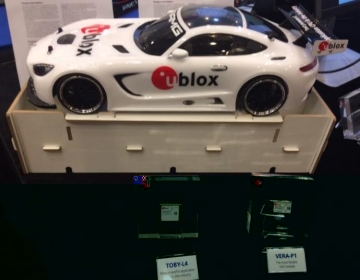
[Automotive Video Coverage] u-blox Expands from GNSS Powerhouse to Communication Technology
At Automotive Innovation Day 2017, held on the 5th and hosted by Automotive Electronics, u-blox showcased a series of high-precision GNSS modules and in-vehicle transceiver modules. 'VERA-P1' is a module that enables communication between vehicles and between vehicles and infrastructure, representing a new product introduced this year as u-blox expands into communication technology. It is an enabling technology for next-generation Advanced Driver Assistance Systems (ADAS) and complies with the IEEE 802.11p standard. It can communicate up to approximately 1 km in range and is designed to comply with WQVR and DSRC (Dedicated Short Range Communications).
2017.07.07by 김지혜 기자
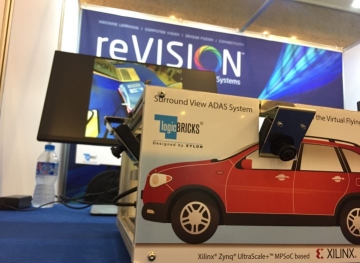
[Automotive Video Coverage] Xilinx, "All-in-One" for Machine Learning Development
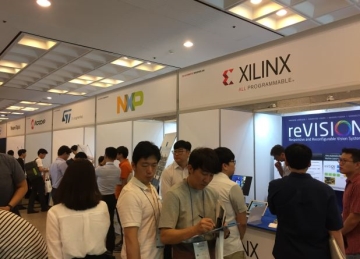
Xilinx participated in the Automotive Innovation Day 2017 held on the 5th and introduced Xilinx's automotive solutions. Xilinx showcased reVISION, which features immediate system response speed and is suited for markets requiring rapid deployment of algorithms and sensors. The reVISION stack facilitates the development of intelligent vision-based systems including machine learning, computer vision, and sensor fusion. It supports the most commonly used neural networks such as AlexNet, GoogLeNet, SqueezeNet, SSD, and FCN.
2017.07.07by 김자영 기자
[Technical Contribution] Caltera: "Evolution of Precision Sensing, UWB Infrastructure Enhances Parking Safety"
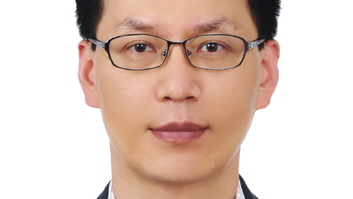
Discussing new possibilities in parking assistance and precision sensing with UWB, Lee Sang-min, Korea Branch Manager at Caltera.
2026.10.23by 편집부
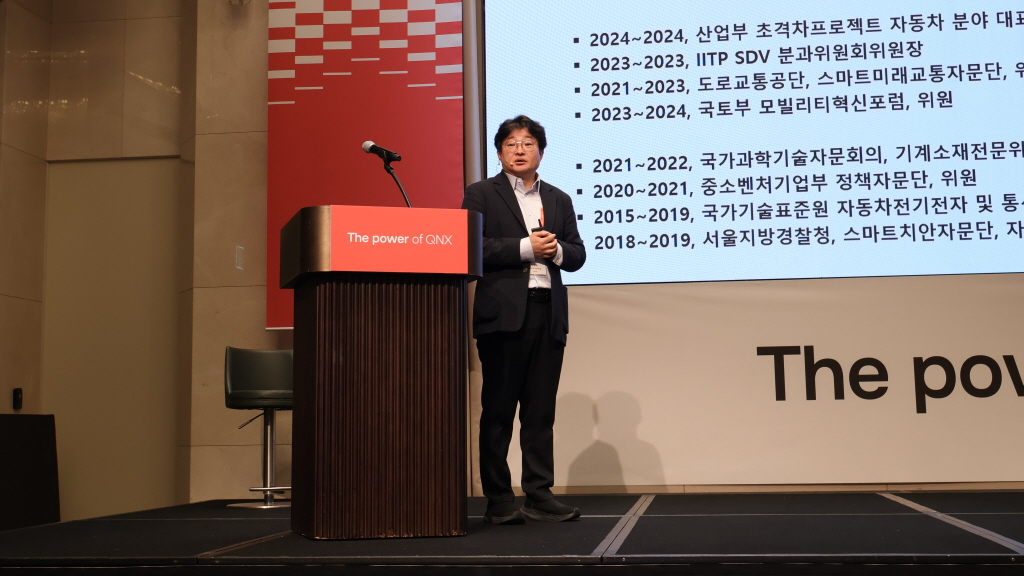
Professor Jeong Gu-min from Kookmin University, "QNX RTOS will become an important foundational technology in the physical AI era"
As software-defined vehicles (SDV) establish themselves as a new standard in the automotive industry, forecasts indicate that future competitiveness will be determined not by vehicle hardware but by software platforms and AI utilization capabilities. With the automotive industry rapidly transitioning to centralized architecture and AI-based development systems, an analysis suggests that how effectively vehicle platforms can be simplified and operated cost-efficiently will become core competitiveness for next-generation SDV and AI-defined vehicles. Professor Jeong Gu-min from Kookmin University emphasized at QNX TechForum Korea 2026 that "the automotive industry is now shifting from hardware competition to software ecosystem competition," highlighting that API-centric platforms and AI utilization will determine success or failure in the future automotive industry.
2026.10.23by 배종인 기자











