


Energo Labs, Trade energy generated from solar PV cells on the blockchain
 Published2017.10.13 09:25
Trading in the Korean market begins in late October
Energo Labs is entering the Korean market with the goal of building a DAE (decentralized autonomous energy) community. Energo uses blockchain to enable residents who own solar PV panels to sell energy without intermediaries.
Energo provides a solution that utilizes microgrids and supports energy producers in selling energy to energy consumers. This implies real-time P2P energy trading. In other words, consumers who want a specific amount of energy can use clean energy stored in microgrid batteries or through the Energo app, and pay the energy producers directly with their monthly electricity bills.
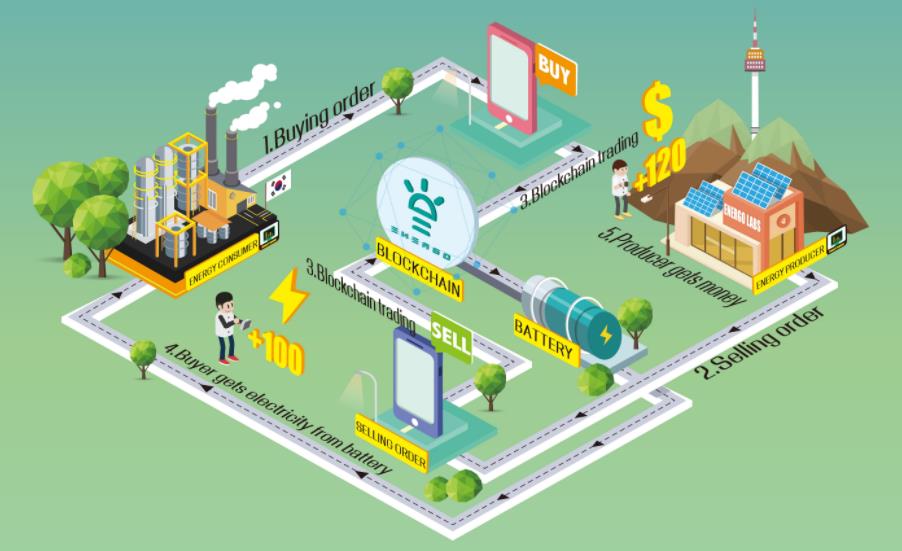
Energo's core products are based on the Qtum blockchain platform and include hardware infrastructure used for clean energy measurement, trading, and settlement. Each home in the microgrid is equipped with a smart meter that digitizes not only the amount of energy consumed but also the amount of energy produced by solar panels. The smart meter connects to the Energo app and is used for energy trading.
Korea is a suitable location for implementing P2P energy trading projects as the gigawatt photovoltaic (PV) cell market is growing rapidly. In such projects, neighbors with solar PV cells can buy and sell energy to each other at a lower price than existing electricity rates.
Blockchain guarantees security because transactions such as energy production or consumption cannot be modified. Energy trading is conducted using Energo's TSL token, and trading of Energo is scheduled to begin in the Korean market from the end of October. In addition, blockchain blocks dishonest or lost data because it ensures security and eliminates the need for third parties involved in approving transactions.
Comments
Related news
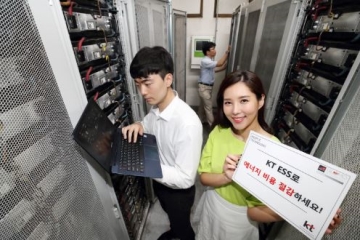
KT-MEG, Providing Customized Energy Market Solutions with Convergence ESS
KT is accelerating its integrated ESS (Energy Storage System) business. Through its artificial intelligence (AI) energy management platform 'KT-MEG,' KT announced that it will provide differentiated ESS services including ▲customer-tailored optimal operation services ▲ESS operational management solutions ▲real-time monitoring through KT-MEG. ESS is an energy storage device that stores electrical power and allows its use as needed. When ESS is converged with DR (Demand Response), it can enable additional registration of DR resources and reduce electricity peak charges. When linked with renewable energy generation such as solar power, it can maximize stable power supply and Renewable Energy Certificate (REC) sales revenue. Additionally, buildings with high electricity consumption such as factories and public institutions can reduce basic charges and usage fees. The greatest strength of KT's integrated ESS is its in-house developed Energy Management System (EMS). KT EMS standardizes functions such as peak control, renewable energy stabilization, and frequency adjustment so they can be used according to customer applications. A single EMS system can simultaneously parallel-connect multiple power generation sources such as solar, wind, and diesel generators along with various equipment for integrated operation, enabling customer-tailored ESS consulting and comprehensive solution provision.
2017.07.05by 김자영 기자
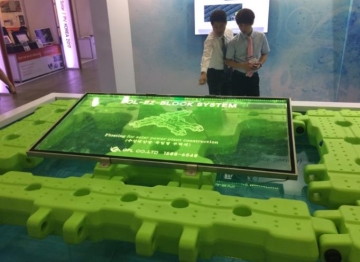
[Photo News] Park Chairs Transform into Solar-Powered Smart Benches
From September 6 to 8, the '2017 World Solar Energy Expo' was held at the First Exhibition Hall of KINTEX in Ilsan, where the latest photovoltaic technologies and trends could be comprehensively reviewed. Over 220 companies from 25 countries worldwide participated in this exhibition.
2017.09.07by 김지혜 기자
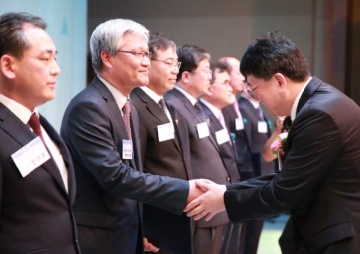
KT Receives Presidential Commendation in Recognition for Renewable Energy Supply Activities
KT received a Presidential Commendation, the highest honor for organizations, at the Korea Renewable Energy Awards ceremony held on the 21st at KINTEX in Ilsan, in recognition of its contributions to the development and dissemination of renewable energy technology. KT announced that it received the Presidential Commendation in recognition of its achievements including technology development activities such as the world's first integrated energy control platform 'KT-MEG (Micro Energy Grid)' and domestic patent registrations related to solar power and ESS, as well as projects for constructing renewable energy power plants.
2017.09.21by 김자영 기자

The financial services industry is the most active in adopting hybrid cloud.
Nutanix announced the cloud adoption status and outlook for the financial services industry through its Enterprise Cloud Index report. According to a survey of current hybrid cloud adoption rates by industry, the financial services industry's hybrid cloud adoption rate was 21%, which was higher than the industry average of 18.5%. Financial services companies are facing the challenge of providing differentiated experiences to customers through methods such as leveraging emerging technologies like blockchain, while simultaneously simplifying operations.
2019.04.02by 이수민 기자

IBM Blockchain World Wire… Real-time global financial payment network expands to over 50 countries worldwide
IBM announced on the 19th the expansion of IBM Blockchain World Wire, a real-time global financial settlement network for financial institutions. World Wire was developed to accelerate and optimize foreign exchange transactions and cross-border payment and remittance speeds. Additionally, it integrates payment message transmission, clearing, and settlement procedures into a single network while supporting network participants in selecting various types of digital assets for settlement. Starting from the 19th, the payment service area will be expanded to 72 countries, including 47 global currencies and 44 financial endpoints. Busan Bank became the first domestic bank to join World Wire.
2019.03.19by 이수민 기자











