


Smart City Integrated Platform Standard Established... Certification Available Starting May
 Published2018.05.02 12:01
Certification conducted by the Korea Information and Communications Technology Association (TTA).
Standards and certification systems related to integrated platforms have been established to allow private solution companies to participate in smart city integrated platform projects promoted by local governments, and certification will begin on May 2.
Last October, the Ministry of Land, Infrastructure and Transport established functional specification standards related to the basic functions of the smart city integrated platform, linkage standard standards for linking services, and test standard standards for certification testing as industry group standards, and this time, the Korea Information and Communication Technology Association (TTA), a specialized certification body, carried out the certification.
Previously, only integrated platforms developed through government R&D were utilized in local government integrated platform projects*, but going forward, certified integrated platforms from private companies will also be able to participate in these projects.
While local governments have established and operated various information systems to address urban issues such as crime prevention, traffic, and the environment, there have been criticisms regarding inefficiency and duplicate budget investments as these systems are operated primarily on an individual service basis.
Accordingly, the government developed an integrated platform through research and development (R&D) projects that considers the information system operating environment of local governments and system linkage and compatibility between local governments ('13. 6.) and has been distributing it to local governments since 2015.
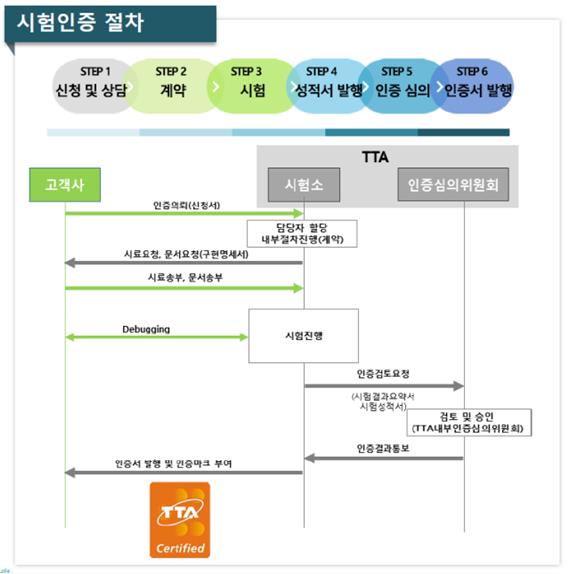
The private sector has been requesting the establishment of standards and interface specifications necessary for integrated platforms to revitalize the software market and facilitate local governments' participation in smart city projects.
Following the establishment of standards last year, the government expects that the creation of this certification system will stimulate the participation of private solution companies, leading to the development of excellent software through competition and contributing to the advancement of the smart city software industry.
Meanwhile, in order to ensure the stable construction and expansion of smart cities, securing interoperability through the standardization of common technologies, interfaces, and services has emerged as an issue, and in April of this year, a pan-governmental “Smart City Standard Policy Panel*” involving the government and specialized standardization agencies was established.
At this juncture, the establishment of a domestic integrated platform standard and certification system is evaluated as the first instance of a city-level integrated platform being standardized by an individual country, paving the way for future discussions on international smart city standardization.
Companies wishing to participate in the certification process should complete and submit the Test Certification Application, Implementation Specification (a document declaring the implemented functions and information of the test certification subject), and Self-Verification Confirmation to the Korea Information and Communications Technology Association.
Lee Seong-hae, Director General of Urban Policy at the Ministry of Land, Infrastructure and Transport, emphasized, “Since smart cities operate through the linkage of various services and systems within urban spaces, standards and interface specifications required for the smart city integrated platform are absolutely necessary.” He added, “Taking this certification as an opportunity, we will promote the linkage and operation of various information systems and "We plan to not only revitalize the stagnant domestic software (S/W) industry but also actively participate in discussions on international standardization for smart cities," they stated.
1 Comments:
관련뉴스
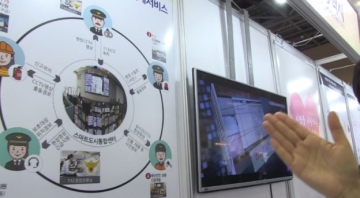
스마트시티 통합 센터로 ‘골든타임’과 ‘안전’ 확보하라!
재난 및 재해, 사건, 사고 발생 시에는 환자 및 피해자의 생사를 결정짓는 ‘골든타임’이 중요하다. 우리나라는 오랜 기간 크고 작은 사건, 사고 등을 통해 골든타임의 중요성을 인지했다. 하지만 고질적인 ‘안전불감증’과 ‘탁상행정 시스템’의 반복은 여전히 국민의 안전을 위협하고 있다. 대전광역시는 ‘스마트시티 통합 센터’를 운영 중이다. 골든타임 확보와 사건 및 사고 재난, 재해 방지의 대안으로 꼽힌다. 이 사업에는 광역기반의 폐쇄회로 TV(이하 CCTV) 통합관제센터, 교통관리센터, 사이버침해대응센터, 시와 관내 모든 전산 장비들이 통합된 지역정보통합센터가 운영되고 있다. 대전은 스마트도시 통합 센터를 활용해 ‘스마트시티 시민안전 5대 연계 서비스 사업’을 실시하고 있다. 소방서와 경찰서, 재난안전상황실, 사회적 약자 지원 서비스와의 연계 시스템을 구축해 시민안전을 위해 운영 중이다. 대전광역시 이영미 스마트시티 추진단 주무관은 “이는 국토교통부에서 올해 서울시, 제주도, 용인시, 마포구 등 12개 지자체를 선정하고 확산하고 있는 스마트시티 통합 플랫폼 사업의 최초 서비스로서 타지방자치단체의 모범 사례로 꼽히고 있다”고 말했다.
2018.03.23by 김학준 기자

Call for Proposals for 'Themed Specialized Complex' Project to Transform Established Urban Areas into Smart Cities
국토교통부는 전국 지방자치단체를 대상으로, 3월 27일부터 5월 2일까지 스마트시티 추진전략에 따른 테마형 특화단지 마스터플랜 수립 지원대상을 공모한다고 밝혔다. 스마트시티 “테마형 특화단지 지원사업”은 기성시가지에 다양한 스마트 서비스를 적용하여 교통·에너지·방범 등의 생활편의를 개선하고, 지역 고유의 산업·문화적 경쟁력 강화를 추진하기 위한 마스터플랜 수립을 지원하는 사업이다.
2018.03.27by 김지혜 기자
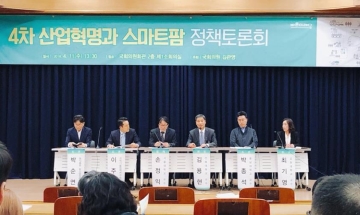
In the era of smart farms, what issues need to be resolved to activate them?
As ICT technology advances, various industrial fields from autonomous vehicles to smart cities are being integrated with this technology, and we are entering the era of the Fourth Industrial Revolution. Agriculture is also experiencing a 'smart' trend. In response, we held a discussion identifying issues for activating smart farms. As rural areas in our country face aging populations, the agricultural population is declining, and new interests such as urban agriculture and returning to farming are emerging. Smart agriculture refers to intelligizing, networking, quantifying, and automating agriculture by adopting big data, IoT, and other technologies. A smart farm is a farm that implements ICT in fields such as greenhouses and livestock facilities to measure the growth environment of crops, livestock, and fish in real-time remotely and manage them efficiently according to specific objectives.
2018.04.16by 김지혜 기자
Nvidia invests $5 billion in Intel
글로벌 AI 컴퓨팅 기술을 선도하는 엔비디아(NVIDIA)와 인텔(Intel)이 NV링크 기반 아키텍처 통합으로 최첨단 솔루션 제공에 본격 나선다. 엔비디아와 인텔은 전략적 협력을 공식 발표하고, 하이퍼스케일부터 엔터프라이즈, 소비자 시장까지 다양한 애플리케이션과 워크로드를 가속화하기 위한 맞춤형 데이터센터 및 개인용 컴퓨팅 제품을 공동 개발하며, 차세대 컴퓨팅 시대의 기반을 마련한다고 밝혔다.
2025.09.22by 배종인 기자
.jpg)
Applied Materials Launches Environmental Protection Campaign to Mark World Cleanup Day
어플라이드 머티어리얼즈 코리아(대표 박광선)가 ‘세계 청소의 날(World Cleanup Day)’을 맞아 동탄 신리천 일대에서 임직원 및 가족과 함께 환경 정화 활동을 펼치며, 기술 혁신을 넘어 지역사회와 함께하는 기업으로 거듭나고 있다.
2025.09.22by 명세환 기자












좋은 정보 감사합니다.