


NXP Announces Deep Learning Toolkit for Next-Generation Automotive Development
 Published2019.10.10 17:05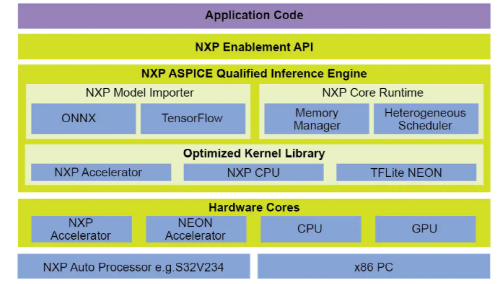
eIQ Auto Block Diagram

Related news
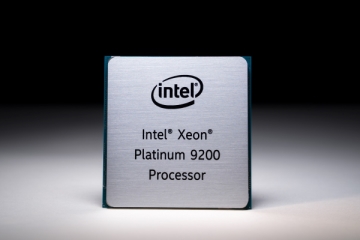
Next-generation Intel Xeon 'Cooper Lake' processor with up to 56 cores to be released in the first half of next year
Intel announced the Xeon Scalable processor family, the Cooperlake processor. The Cooperlake processor provides up to 56 cores per socket on standard and CPU sockets with built-in AI acceleration capabilities. The platform performance delivered by the Cooperlake processor leverages features built into the Intel Xeon Platinum 9200 series. With lower power consumption compared to the current Intel Xeon Platinum 9200 processor, Cooperlake, as an x86 processor, will add bfloat16 support to Intel Deep Learning Boost to provide built-in high-performance AI acceleration capabilities.
2019.08.08by 이수민 기자
[Interview] How did Siemens prepare for SOTIF21448 with its autonomous driving test solution “Prescan”?
While ISO 26262 focuses on pre-identifying safety issues related to temporary faults such as vehicle system failures and design bugs in software and hardware, SOTIF ISO 21448 is focused on addressing the performance limitations of systems operating unintentionally without intended safety functions or failures, as well as foreseeable user misuse. In this e4ds news special feature interview on autonomous driving, we conducted an interview with Min-hyuk Son, General Manager at Siemens, who presented a "simulation platform for autonomous driving development and verification" at the Automotive Innovation Day in July, regarding the SOTIF 21448 standard.
2019.08.26by 명세환 기자

The automotive semiconductor market is rapidly growing in the era of autonomous driving.
The number of semiconductors used in a single automobile was approximately 300 units in 2010, but it is projected that approximately 2,000 semiconductors will be required by 2022 when Level 3 and above autonomous vehicles begin full-scale commercialization. The automotive semiconductor market is expected to grow at an average annual rate of 12.5% over the five-year period through 2021, and the market size is anticipated to reach approximately $58.5 billion by 2023. For Korea to secure a position in the automotive semiconductor market, cooperation among OEMs, Tier 1 and 2 suppliers, semiconductor companies, and ICT firms is necessary to objectively understand and address the rapidly changing technological environment and regulatory barriers.
2019.09.23by 이수민 기자
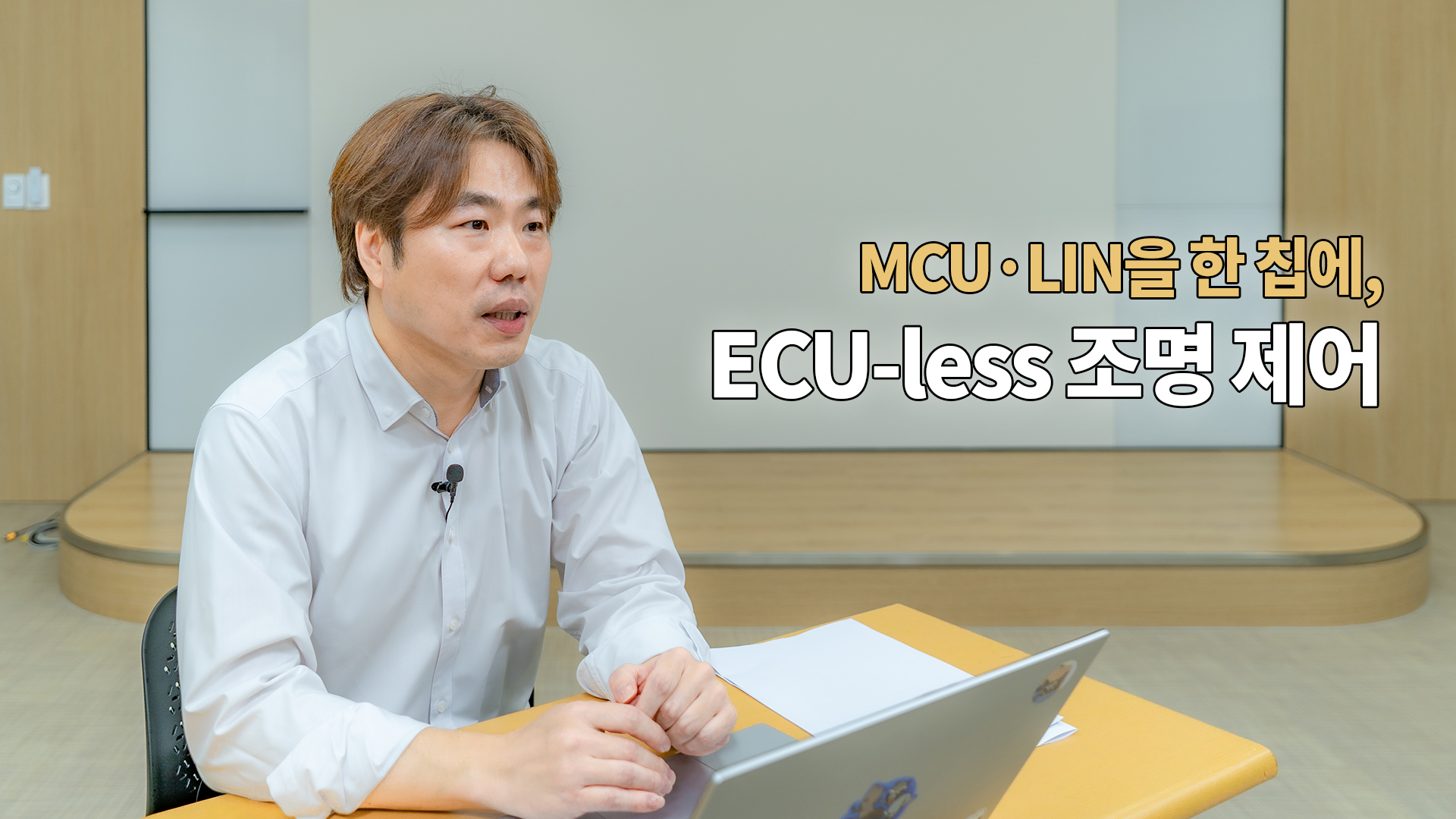
A single misaligned light means 'defect'… Vehicle interior lighting now guarded by semiconductors and software
Automotive interior lighting is moving beyond its role as 'auxiliary lighting.' As it becomes a core element of user experience (UX) that expresses brand identity through color and animation while reflecting driver preferences, the LED interior ambient lighting market is growing rapidly. In connection with this, we met in advance with Choi Young-jae, Research Director at Dabo Corporation, who will present a technical webinar session on "Intelligent LED Interior Lighting Solutions Illuminating Future Vehicles," to hear about market trends and changes in design requirements.
2026.08.28by 명세환 기자
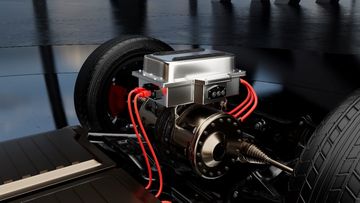
TI Unveils Multi-Axis Coreless Current Sensor TMCS2100-Q1 for HEV/EV Traction Inverters
Texas Instruments has unveiled the TMCS2100-Q1, a multi-axis coreless Hall-effect current sensor for HEV and EV traction inverters. By simultaneously measuring horizontal and vertical magnetic fields through multi-axis sensing technology, it achieves up to 20 times higher accuracy compared to conventional single-axis sensors, while the busbar-unmodified design provides mechanical design flexibility. It simultaneously meets the high-accuracy requirements and miniaturization driven by the expansion of 800V architectures.
2026.08.27by 배종인 기자











