



Will Intel Dominate the Public Services Market?… On-site Scene at the Edge AI Forum
 Published2019.12.05 18:03
CCTV·3D 카메라·데이터 관리방안 등 논의
전 세계 IoT 시장을 겨냥해 3D 카메라, 영상보안, 스마트시티 데이터 관리 등에 필수적인 AI 엣지 솔루션에 대해 논의하는 자리가 마련됐다.
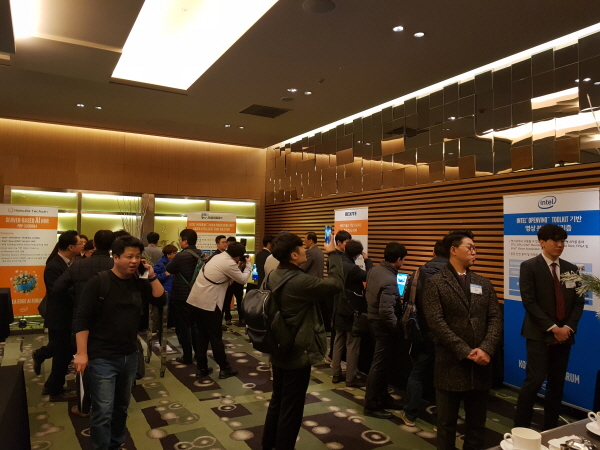
▲ 인텔 코리아가 주최하는 코리아 엣지 AI 포럼에 참석한 사람들이 데모 부스를 둘러보고 있다
인텔 코리아는 12월 3일 인텔의 차세대 AI 비전과 혁신 전략을 공유하기 위해 12월 3일 서울 인터콘티넨탈 코엑스에서 코리아 엣지 AI포럼을 개최했다.
행사에는 인텔 코리아 권명숙 사장을 비롯한 LG전자 지석만 상무, 한화테크윈 정원석 상무, 이노뎁 이성진 대표, 인텔코리아 최병원 상무 등이 참여해 현재 기업들이 직면한 AI 과제 해결에 도움을 주는 사례를 발표했다.
데이터분석·활용 극대화하는 엣지 AI 솔루션
인텔 코리아 권명숙 사장은 ‘인텔 Edge AI 전략’을 주제로 현재 인텔이 주목하고 있는 산업별 기회로 ▲스마트시티 ▲금융서비스 ▲인더스트리얼 ▲게이밍 ▲교통 ▲홈·리테일 ▲로봇 ▲드론 등 총 8가지를 제시했다.
또한 사람의 얼굴을 인식하고 더 많은 사물을 구별함으로써 안전하고 효율적인 가계·산업·공공 환경을 구현하기 위한 인텔의 엣지 AI 솔루션에 대해 소개했다.
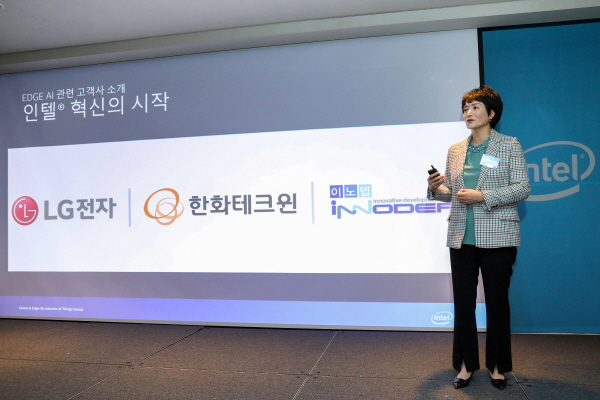
▲ 인텔 코리아 권명숙 사장

그는 데이터 분석 및 활용을 극대화하기 위해서는 데이터가 가장 많이 생성되는 엣지 단에서의 컴퓨팅 혁신과 AI 기술 도입이 필요하다고 설명하며 인텔은 이를 위해 하드웨어와 소프트웨어를 아우르는 플랫폼 솔루션을 제공하고 있다고 밝혔다.
특히 엣지 AI 솔루션의 경우 기술을 활용해 새로운 사례를 만들어내는 것이 중요한 만큼 인텔은 국내 파트너사와 생태계 조성 기술 상용화를 위한 사업모델 발굴에 적극 나서고 있다고 덧붙였다.
인텔은 증가하는 엣지 단에서의 AI 활용도를 높이기 위해 엔드포인트, 엣지, 데이터센터에 특화된 제품을 지원하고 있다. 2019년에는 45%의 데이터가 엣지에서 분석·활용되었으며 오는 2023년에는 43%의 AI 워크로드가 엣지에서 처리될 것으로 전망했다.
인텔은 VPU부터 데이터센터용 제온(Xeon)플랫폼까지 다양한 성능의 프로세서 군에 모두 적용 가능한 인텔 오픈비노 툴킷(Intel Open VINO Toolkit)을 제공함으로써 사용자들이 AI 알고리즘을 쉽게 최적화하고 효율적으로 제품화하도록 지원한다.
그는 발표를 통해 “오는 2020년에는 인텔 모비디우스(Intel Movidius) VPU를 출시할 예정”이라며 “제품의 효율성을 증대해 사용자들이 AI 구현을 가속화하도록 도울 것”이라고 말했다.
이를 위해 인텔은 하드웨어, 소프트웨어, 시스템 통합, 솔루션 통합 및 영업 채널을 포함한 솔루션 파트너 에코시스템을 구축 중으로 협력 모델을 통해 고객이 AI 기반 제품을 개발 및 츌시할 수 있도록 모든 과정을 지원한다.
얼굴인식·신체측정하는 영상지능 3D 카메라
두 번째 기조연설에는 LG전자 지석만 상무가 ‘카메라와 영상지능’을 주제로 인텔과 협력해 추진 중인 AI 기술개발 현황에 대해 발표했다.
LG전자는 카메라와 피사체의 거리를 HD급 해상도로 인식할 수 있는 3D 카메라를 개발하고 있으며 얼굴인식, 신체측정, 장애물 인식 등에서 딥러닝 기술과 결합해 ThinQ Fit(가상 의류 피팅 솔루션) 등 응용제품을 구현하고 있다.
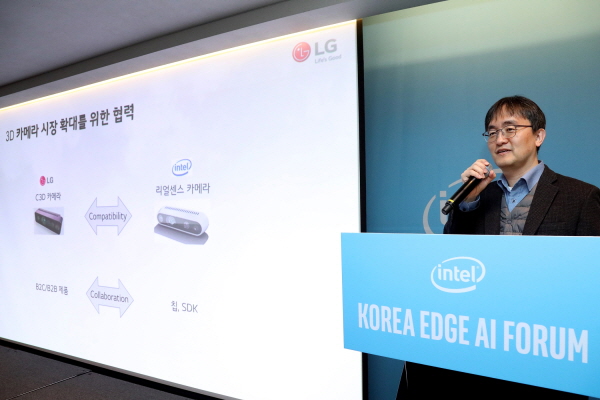
▲LG전자 지석만 상무
카메라는 최근 화질에서 인식의 시대로 넘어가고 있으며 LG전자는 이에 대응하기 위해 3D 카메라를 개발 중이다. B2C나 B2C 시장에서 다양한 형태의 비즈니스를 창출할 수 있는 제품을 만들고자 인텔 리얼센스 카메라 기술을 도입했다.
LG전자는 현재 보유하고 있는 광학, 어플리케이션을 기반으로 인텔 리얼센스의 3D 뎁스 인식 기술을 접목해 고성능 3D 카메라를 만드는 것을 목포로 한다. 가전, 로봇 등 과거 2D 기술로는 할 수 없던 역할을 3D 카메라로 구현하기 위한 연구개발을 진행 중이다.
이같은 기능을 개방형 전략으로 제공하기 위해 LG전자는 또한 인텔의 D4칩을 도입했다.
딥러닝 CCTV로 사건 예측·실시간 대응 실현
한화테크윈 정원석 상무는 ‘인텔 솔루션 기반 영상보안과 AI 기술’을 주제로 영상보안의 핵심인 고화질 압축·전송 및 지능형 분석을 수행하기 위해 인텔의 프로세서는 물론 하드웨어를 최적화하는 인텔 오픈비노 툴킷을 도입하고 있다고 밝혔다.
CCTV는 이제 사후분석이 아닌 실시간 대응이 가능해야하며 향후에는 사전예측·예방까지도 가능하도록 발전돼야하기 때문에 엣지 단에서의 AI 기술 도입은 필수적이다. 엣지에서 사용할 소프트웨어 알고리즘을 최적화하기 위해 오픈비노 툴킷과 VAS(Video Analytics Suite) 기반 솔루션을 적용하고 있다.
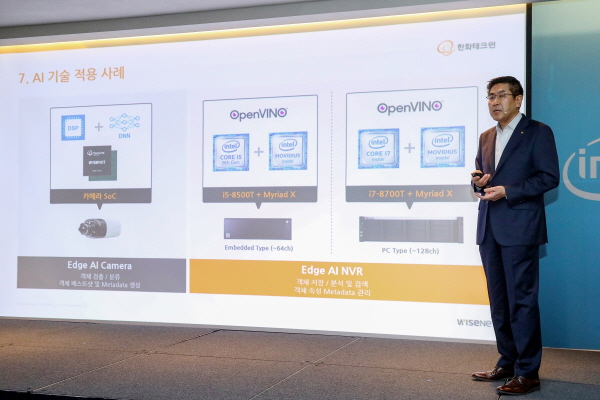
▲ 한화테크윈 정원석 상무
현재 한화테크윈은 인텔의 마이크로프로세서를 도입, 서버형 NVR(Network Video Recorder)에 탑재했으며 2020년에는 딥러닝 기반 영상분석 인공지능 기술을 적용한 NVPR을 출시할 예정이다.
데이터 관리·추출 플랫폼, 스마트시티 구현 핵심요소
이노뎁 이성진 대표는 ‘인텔 엣지 AI 솔루션 기반 스마트시티 데이터 관리 플랫폼’을 주제로 스마트시티 구현에 필요한 도시 관제 및 데이터 관리 플랫폼 개발을 위해 인텔과 협력하고 있다고 말했다.
CCTV는 더 이상 화질이 성능의 기준이 아니라 주장한 그는 수집된 영상에서 유의미한 데이터를 추출해내는 기술력이 핵심이 되고 있다고 설명했다. 이를 위해 앤드 투 앤드에 이르는 전방위 영역에서 기술 진화가 필요한 상황으로 이노뎁의 DMS(Data Management Solution)를 비롯한 주요 솔루션에는 인텔 최신 제온 프로세서가 탑재돼 있다.
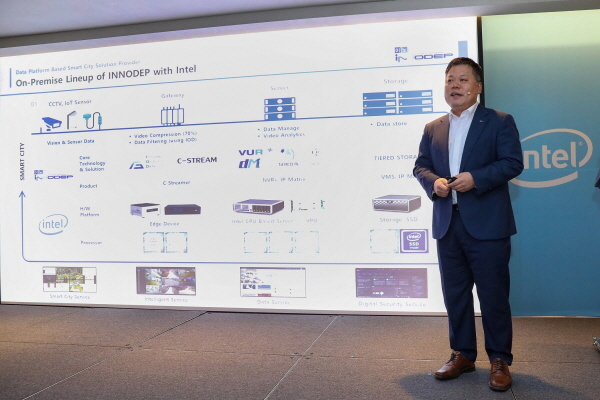
▲ 이노뎁 이성진 대표
최근에는 인텔 모비디우스(Intel Movidius) VPU 기반 인텔 비전 엑셀러레이터 디자인(Intel Vision Accelerator Design)과 인텔 오픈비노 툴킷(Intel Open VINO Toolkit) 기반의 AI기술을 적용한 엣지 솔루션도 함께 개발하고 있다.
인텔 모비디우스 VPU, 엣지 AI 및 독립적 SoC 사용 가능
테크세션에서는 인텔 코리아 최병원 상무가 ‘차세대 인텔 Edge AI 플랫폼’을 주제로 2020년 출시 예정인 새로운 3세대 인텔 모비디우스(Intel Movidius) VPU를 소개했다.
해당 VPU는 2세대와 달리 독립적인 SoC 사용이 가능할 뿐만 아니라 AI 가속기, 독립형 스마트 카메라, 드론, 로봇 등에도 탑재할 수 있다. 전력 소모 없이 기존 제품보다 10배 이상의 효율성을 높인 것은 물론 인텔 오픈비노 툴킷(Intel OpenVINO Toolkit) 지원으로 엣지 AI 적용도 가능하다.
AI 개발 및 최적화 툴인 오픈비노 툴킷과 클라우드 환경에서는 인텔의 하드웨어를 테스트할 수 있는데 데브클라우드는 인텔의 하드웨어(제온, 코어, 아톰 등 다양한 성능의 CPU 및 FPGA, 비전 프로세서)와 함께 AI 기술 구현을 지원한다.
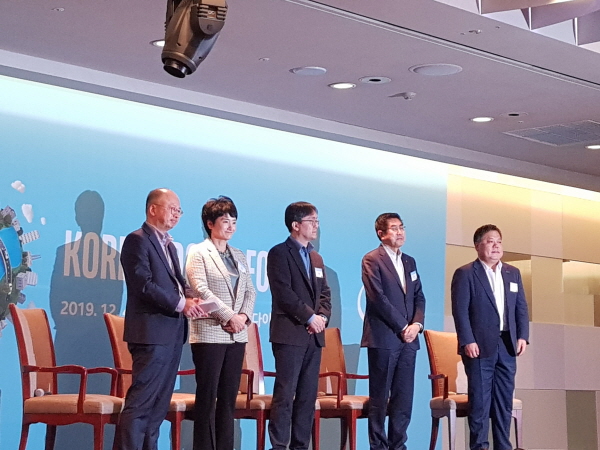
▲ 토론에 참석한 인텔 코리아 박성민 전무, 인텔 코리아 권명숙 사장, LG전자 지석만 상무, 한화테크윈 정원석 상무, 이노뎁 이서진 대표
한편 패널토론에서는 인텔코리아 박성민 전무가 좌장을 맡아 인텔코리아 권명숙 사장, LG전자 지석만 상무, 한화테크윈 정원석 상무, 이노뎁 이성진 대표 등과 인텔과의 협력을 통한 기업별 AI 전략 및 미래 AI 비전에 대해 공유했다.
Comments
Related news
Intel Unveils First AI-Dedicated ASIC 'Nirvana NNP'
Intel unveiled the 'Intel Nervana NNP' for AI training and inference and the next-generation 'Intel Movidius Myriad VPU' at AI Summit 2019. Intel's first AI-dedicated ASIC, Nervana NNP, consists of the NNP-T1000 for AI training and the NNP-I1000 for AI inference. The NNP-T provides energy-efficient scalability, while the NNP-I is well-suited for implementing multi-mode inference. Both products were developed to meet the AI processing requirements of AI customers such as Baidu and Facebook. The next-generation Intel Movidius Myriad VPU, set to launch in the first half of 2020, is expected to deliver more than 10 times higher inference performance compared to the previous generation.
2019.11.13by 이수민 기자
mmWave Sensors Realizing Edge Intelligence in Industrial Fields <1> Powering Autonomous Factories
All types of robots rely on sensors that generate and process large amounts of extensive data. This data is used by autonomous robots to make real-time decisions, which enables them to perform accident management more intelligently while maintaining productivity in dynamic real-world environments.
2019.12.04by 이수민 기자
mmWave Sensors Realizing Edge Intelligence in Industrial Fields <2> Autonomous Robots Evolve
Through intelligence, the sensor makes real-time decisions such as slowing down or stopping the robot's operation speed, enabling stable operation of the robot in industrial robot applications. In particular, mmWave sensors can address collision avoidance issues in industrial robots.
2019.12.04by 이수민 기자
[e4ds Tech Day 2026 ⑨] Sim Sang-gyu, Autocrypt CTO: "In the Physical AI Era, Automotive Security Must Extend Beyond the Vehicle"
At e4ds Tech Day 2026, Sim Sang-gyu, CTO of Autocrypt, explained automotive cybersecurity strategies in the era of Physical AI and SDV (Software-Defined Vehicle). Automobiles are evolving as part of an ecosystem connected to AI, cloud, chargers, IoT, and robots, and he emphasized that the scope of security must expand beyond the vehicle interior to the entire connected environment. In particular, AI model tampering, adversarial attacks, OTA updates, and EV charger hacking were identified as major threats. He explained that response measures require zero trust, AI model integrity protection, intrusion detection, Security by Design and Default, and full lifecycle security management, and that proactive security system establishment beyond regulatory compliance is critical for securing future mobility competitiveness.
2026.10.12by 배종인 기자
NVIDIA to Invest $1 Billion in U.S. Science Over Next Five Years
NVIDIA has announced plans to invest $1 billion over the next five years to strengthen U.S. scientific and technological competitiveness. The company will enhance cutting-edge artificial intelligence research and development capabilities in key areas including quantum computing, healthcare, and energy security, while expanding support for higher education research institutions and cloud service providers. NVIDIA is participating as a major industry partner in the White House Office of Science and Technology Policy's Genesis Mission, and is promoting supercomputer construction in collaboration with national laboratories including Argonne and Los Alamos.
2026.10.12by 배종인 기자











