



Data Center Heat Cooling with LNG
 Published2021.12.01 15:20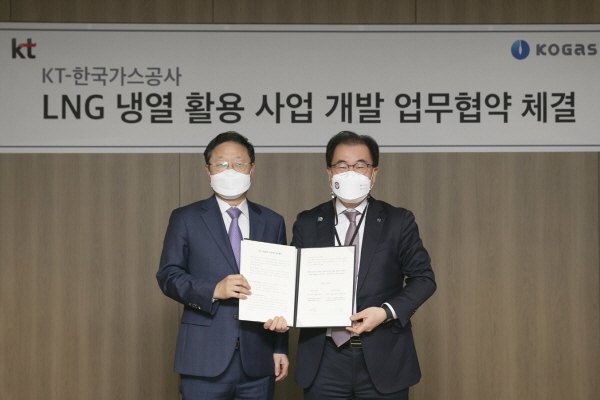
.
A business initiative to reduce heat generated during IT server operations using liquefied natural gas (LNG) is now in full-scale implementation, and is expected to reduce annual power consumption by 60% upon construction. In relation to ESG management trends, it is anticipated to gain prominence as an eco-friendly cooling method going forward.
Korea Gas Corporation (President Chae Hee-bong) announced on the 22nd that it has recently signed a 'Business Development Agreement (MOU) for LNG Cryogenic Heat Utilization' with KT (Representative Director Koo Hyun-mo).
Through this MOU, the two companies have agreed to cooperate closely in various fields including △feasibility review of data center projects utilizing LNG cryogenic heat △technical safety verification △domestic and international business development.
A data center is a facility that consolidates and operates IT servers in a designated space, and approximately 30% of the total power used in data centers is consumed for cooling due to the significant heat generated during operations.
With this initiative, Korea Gas Corporation plans to work with KT on developing a cooling system utilizing LNG cryogenic heat for the first time globally, thereby dramatically reducing the power required for data center operations.
LNG cryogenic heat is unutilized energy generated in the process of vaporizing LNG at -162℃ to 0℃ (Korea Gas Corporation's annual volume: 4 million Gcal), and if LNG cryogenic heat is utilized to maintain appropriate data center temperatures, it is expected to reduce annual cooling power consumption by 60%.
If an LNG cryogenic heat-based cooling system is installed at large-scale data centers such as KT's Yongsan Data Center, it would be possible to save approximately 12MWh of power per hour at maximum, which is equivalent to the power consumption reduction of approximately 30,000 households using 400Wh (average hourly power usage of one household in Seoul).
Additionally, when 100 tons of LNG cryogenic heat per hour is utilized, it is possible to reduce annual carbon dioxide emissions by 16,000 tons, thereby actively contributing to the government's carbon neutrality policy.
Chae Hee-bong, President of Korea Gas Corporation, stated, "This MOU is another step forward for Korea Gas Corporation to pursue carbon neutrality based on LNG cryogenic heat along with the construction of the Incheon New Port Cold Chain Cluster," and "Going forward, we will accelerate domestic and overseas cryogenic heat utilization projects with our distinctive LNG cryogenic heat business capabilities to secure future new growth engines."
Meanwhile, data centers generate heat from numerous servers and storage devices, making cooling devices essential, and due to the large amount of energy consumed, carbon emissions are substantial.
In response, many companies have recently adopted various eco-friendly cooling methods including air-cooled cooling devices, LNG, and liquid-cooled cooling devices for data center cooling, and it is expected that the application and development of eco-friendly cooling devices will be active in relation to future ESG management practices.

Related news
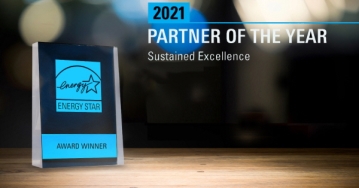
Samsung Electronics Wins Top Prize at the US Energy Star Awards
Samsung Electronics was recognized for its energy reduction efforts at its U.S. business facilities and became the first foreign company to receive both the "Corporate Commitment Award" and the "Sustained Excellence Award," the highest tier in regular awards, at the 2021 ENERGY STAR Award presented by the U.S. Environmental Protection Agency (EPA). This marks the eighth consecutive year Samsung has received the Sustained Excellence Award.
2021.04.14by 배종인 기자
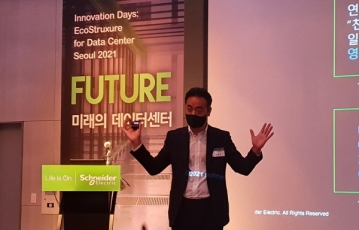
Kim Kyung-rok, CEO of Schneider Electric: “Achieving Data Center Sustainability Is Key”
Kim Gyeong-rok, CEO of Schneider Electric Korea, stated that data centers must achieve sustainability, and that Schneider Electric will be a partner in building future data centers that enable companies to achieve operational efficiency and decarbonization of their data centers.
2021.06.16by 배종인 기자
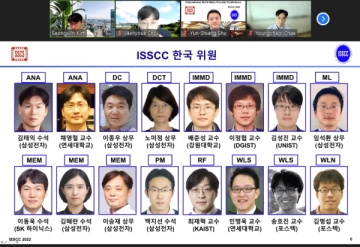
ISSCC 2022, 41 Korean papers accepted, the largest number ever
South Korea has achieved excellent results in semiconductor-related research, with a record-high 41 papers accepted at the International Solid-State Circuits Conference (ISSCC 2022) to be held in the United States in February next year.
2021.11.17by 배종인 기자
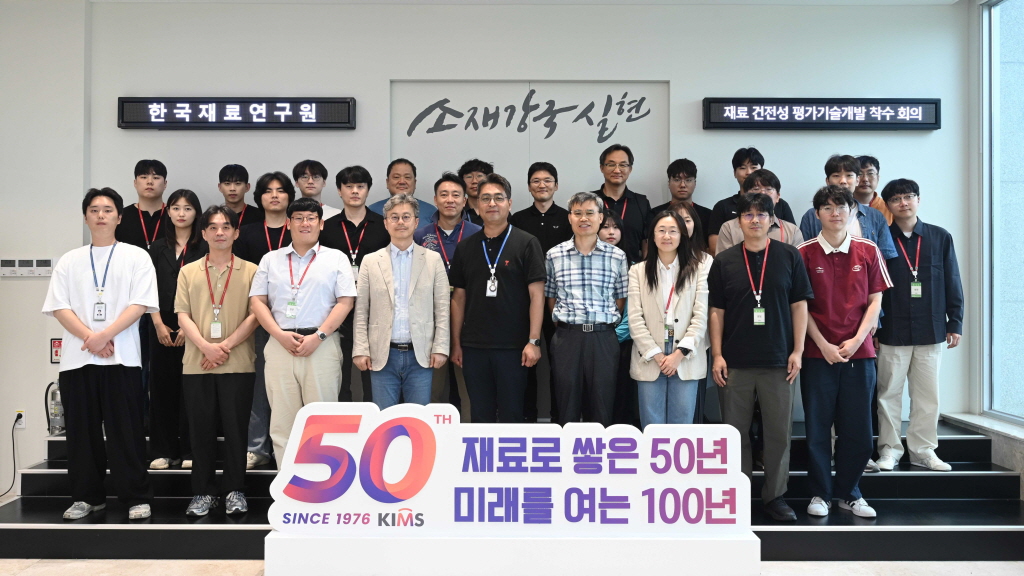
Korea Institute of Materials Science Begins Development of Anhydrous Ammonia SCC Integrated Evaluation Platform
The Korea Institute of Materials Science has begun developing an integrated evaluation platform for stress corrosion cracking (SCC) of high-strength steel for ammonia propulsion and transport vessels. By establishing a system to verify the safety of steel in anhydrous ammonia environments using domestic technology, the institute will strengthen the international competitiveness of the shipbuilding and steel industries and lay the foundation for reflecting domestic technology in regulatory and standard revisions by the International Maritime Organization (IMO) and other bodies.
2026.08.05by 배종인 기자
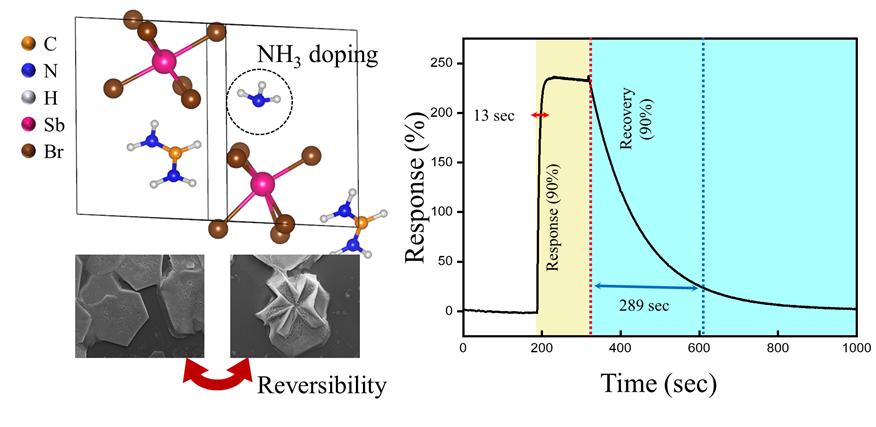
Materials Research Institute of Korea, Development of Lead-Free Perovskite-Based Ammonia Gas Sensor
The Korea Institute of Materials Science has developed an ultra-high sensitivity ammonia gas sensor applying lead-free perovskite instead of lead-based materials. This sensor can detect minute leaks at the level of 1ppm, and the newly identified operating principle presents a new direction for gas sensor research. It is expected to be utilized in enhancing the safety of hydrogen and ammonia energy infrastructure.
2026.08.05by 배종인 기자











