


NVIDIA partners with ASML, TSMC, and Synopsys to manufacture next-generation chips.
 Published2023.03.27 11:15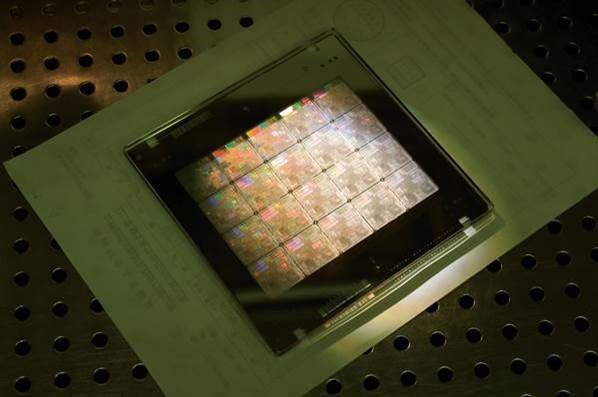
▲엔비디아, 컴퓨팅 리소그래피(lithography) 분야에 가속 컴퓨팅을 도입(사진:엔비디아)

최신 노드에 더 많은 수의 트랜지스터가 탑재되고 정확도 요건이 더욱 엄격해지면서 반도체 제조에서 가장 큰 워크로드에 필요한 계산 시간 비용이 최근 몇 년 동안 무어의 법칙(Moore’s law)을 능가하고 있다. 미래의 노드에는 더 세밀한 계산이 필요하지만 현재 플랫폼이 제공하는 가용 계산 대역폭에 모두 맞출 수는 없어 반도체 혁신의 속도가 느려지고 있는 상황이다.
파운드리 공정을 변경하려면 종종 OPC를 수정해야 하는데 이때 병목 현상이 발생한다. 이러한 병목 현상을 제거하는 데 도움을 주고, 새로운 기술 노드에 필요한 △곡선 마스크 △높은 NA EUV 리소그래피 △아원자 포토레지스트 모델링과 같은 새로운 솔루션에 지원되는 라이브러리가 주목 받고 있다.
엔비디아(Nvidia)가 컴퓨팅 리소그래피 분야에 가속 컴퓨팅을 도입하는 획기적인 기술을 최근 발표했다. 이를 통해 ASML·TSMC·시놉시스(Synopsys)와 같은 반도체 선도업체들은 현재의 생산 공정이 물리학이 구현할 수 있는 한계에 근접한 것처럼 차세대 칩의 설계 및 제조를 가속화할 수 있을 것으로 기대하고 있다.
세계적인 파운드리 업체 TSMC와 전자 설계 자동화 선도업체 시놉시스(Synopsys)는 소프트웨어·제조 프로세스·시스템에 새로운 컴퓨팅 리소그래피용 엔비디아 cuLitho 소프트웨어 라이브러리를 통합하고 있다. 장비 제조업체인 ASML은 GPU 및 cuLitho 관련해 엔비디아와 긴밀한 협력을 구축했으며, 모든 컴퓨팅 리소그래피 소프트웨어 제품에 GPU에 대한 지원을 통합할 계획이라고 밝혔다.
이를 통해 지금보다 더 작은 트랜지스터와 와이어를 사용한 칩을 가능하게 하는 동시에 시장 출시 기간을 단축할 수 있는 것으로 전해졌다. 또한 24시간 가동되는 대규모 데이터 센터의 에너지 효율성을 높여 제조 공정을 구동할 수도 있다.
젠슨 황 엔비디아 CEO는 “칩 산업은 전세계 거의 모든 산업의 기반으로 리소그래피가 물리학의 한계에 도달한 지금, 엔비디아는 cuLitho를 도입하고 파트너사인 TSMC·ASML·시놉시스와의 협력을 통해 파운드리에서 처리량을 늘리고 탄소 발자국을 줄이며 2nm 이후의 기반을 구축할 수 있도록 지원한다”고 말했다.
GPU에서 실행되는 cuLitho는 실리콘 웨이퍼에 패턴을 생성하는 프로세스인 기존 리소그래피보다 최대 40배의 성능 도약을 제공해 현재 매년 수백억씩 CPU 시간을 소비하는 대규모 연산 워크로드를 가속화한다. 이를 통해 500대의 엔비디아 DGX H100 시스템으로 4만대의 CPU 시스템 작업을 수행할 수 있으며, 컴퓨팅 리소그래피 프로세스의 모든 부분을 병렬로 실행해 전력 수요와 잠재적인 환경 영향을 줄일 수 있다.
단기적으로 cuLitho를 사용하는 파운드리는 현재 구성보다 9배 적은 전력으로 매일 3~5배 더 많은 칩 설계의 템플릿인 포토마스크를 생산할 수 있다. 2주가 소요됐던 포토마스크를 하룻밤 사이에 처리할 수 있게 된 것이다.
C.C. 웨이 TSMC CEO는 “cuLitho 팀은 값비싼 작업을 GPU로 이동해 컴퓨팅 리소그래피 속도를 높이는 데 놀라운 진전을 이뤄냈다”며 “TSMC가 역 리소그래피 기술 및 딥러닝과 같은 리소그래피 솔루션을 칩 제조에 더 광범위하게 적용할 수 있는 새로운 가능성을 열어 반도체 확장을 지속하는 데 중요한 기여를 할 것이다”라고 말했다.
피터 베닝크(Peter Wennink) ASML CEO는 “우리는 모든 컴퓨팅 리소그래피 소프트웨어 제품에 GPU에 대한 지원을 통합할 계획이다”라며 “GPU 및 cuLitho에 대한 엔비디아와의 협력은 컴퓨팅 리소그래피와 반도체 확장에 엄청난 이점을 가져다줄 것으로, 특히 고나노 극자외선 리소그래피 시대에 더욱 그러할 것”이라고 전했다.
아트 드 제우스(Aart de Geus) 시놉시스 CEO는 “컴퓨팅 리소그래피, 특히 OPC(optical proximity correction)는 최첨단 칩의 컴퓨팅 워크로드의 한계를 뛰어넘고 있다”며, “cuLitho 플랫폼에서 시놉시스 OPC 소프트웨어를 실행함으로써 성능을 몇 주에서 며칠로 엄청나게 가속화했다”라고 말했다.

Comments
Related news

NVIDIA envisions Mercedes-Benz metaverse factory
At CES 2023, the world's largest consumer electronics and IT exhibition, Mercedes-Benz announced that it will elevate the level of digitalization in vehicle production processes by designing and planning manufacturing and assembly facilities using the NVIDIA Omniverse platform.
2023.01.06by 김예지 기자

NVIDIA Hosts LLM and Voice AI Developer Meetup
Large-scale language models and AI voice technologies are enabling AI services to be implemented. NVIDIA is accelerating ecosystem development while rolling out services in related fields.
2023.01.11by 명세환 기자
NVIDIA to Hold 'GTC 2023'... Korean Startup Generative AI Cases Announced
Nvidia held the "Nvidia GTC 2023 Conference" from March 20 to 24. The company prepared a generative AI session and invited domestic generative AI startups to participate. AI startups including △Kleon △Flask △Supertone △Recon Labs discussed the latest business trends, generative AI and GPU accelerated computing, technological developments, and challenges faced along with solutions.
2023.03.24by 김예지 기자

Intel Unveils Next-Generation 'Core Ultra Series 3' and vPro Platform for Enterprise PCs
Intel has officially unveiled the "Intel Core Ultra Series 3" for next-generation enterprise PCs and the latest vPro platform, addressing a wide range of demands from enterprise notebooks to high-performance workstations.
2026.03.26by 배종인 기자

ROHM Launches ESD Protection Diode Compatible with High-Speed Interfaces of 10Gbps or Higher
Semiconductor specialist ROHM has developed the 'RESDxVx series' of ESD (electrostatic discharge) protection diodes capable of responding to next-generation high-speed data communication environments exceeding 10Gbps, simultaneously enhancing both signal quality maintenance required in high-speed interfaces and IC protection performance.
2026.03.26by 배종인 기자











